
Soups & Stews
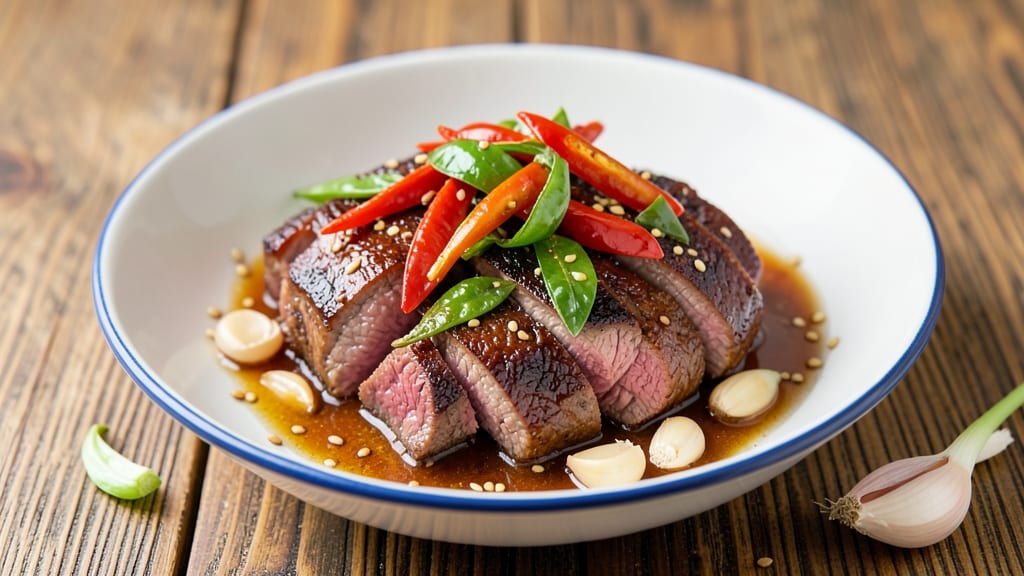
This beef and kimchi recipe transforms bold flavors into a restaurant-worthy dish you can make at home. The marriage of tender beef and fermented kimchi creates a symphony of spicy, sweet, and umami notes that will elevate any meal.
I've refined this technique over years of testing, balancing traditional Korean methods with modern convenience—no shortcuts, just depth of flavor.
The secret lies in slow-cooked beef that stays juicy while absorbing the kimchi's tangy, garlicky essence. We'll use a simple stir-fry method that develops rich caramelized flavors in under 30 minutes, perfect for weeknight dinners.
The dish pairs beautifully with steamed rice, which soaks up every last drop of that savory sauce.
What you'll end up with is a deeply aromatic stew where tender beef and vibrant kimchi create a perfect balance of textures and flavors. The sauce reduces to a glossy, slightly sticky consistency that clings to each bite, offering both heat and sweetness in every mouthful.
This recipe delivers restaurant-quality results without the fuss.
Serve it with a side of crispy rice cakes or a simple green salad to cut through the richness. The leftovers actually taste better the next day as the flavors meld further. Let's create this dish that brings the heart of Korean cuisine to your table.
Ingredients for beef and kimchi
Bold flavors start with these 15 ingredients—juicy beef, tangy kimchi, and aromatic spices.
| Ingredient | Amount | Notes |
|---|---|---|
| Beef Chuck Roast 🥩 | 1 ½ lb | Cut into 1-inch cubes |
| Kimchi 🥬 | 2 cups | Store-bought or homemade |
| Soy Sauce 🍶 | ½ cup | Low-sodium preferred |
| Sesame Oil 🫒 | 1 tbsp | Toasted for aroma |
| Brown Sugar 🍯 | 2 tbsp | Light or dark variety |
| Garlic Cloves 🧄 | 4 cloves | Minced for depth |
| Fresh Ginger 🌿 | 1 tbsp | Grated, not powdered |
| Green Onions 🧅 | 3 whole | Sliced for garnish |
| Vegetable Oil 🫒 | 2 tbsp | High smoke point |
| Rice Vinegar 🍶 | 1 tbsp | For brightness |
| Gochujang 🌶️ | 1 tbsp | Korean chili paste |
| Sesame Seeds 🌰 | 1 tbsp | Toasted for crunch |
| Salt 🧂 | ½ tsp | Kosher or sea salt |
| Black Pepper 🌶️ | ¼ tsp | Freshly ground |
| Steamed White Rice 🍚 | 2 cups | For serving (cooked) |
The beef is the star here. Chuck roast stays tender when slow-cooked, but it's worth spending a few extra minutes cutting it into even cubes—1-inch pieces cook perfectly without drying out. I grab mine from the butcher counter at Whole Foods or Trader Joe's when it's on sale, but the regular supermarket section works fine. Look for good marbling—those little fat streaks keep the meat juicy. For kimchi, homemade is ideal but store-bought from the Korean section (like Barefoot Contessa) works in a pinch. Just make sure it's got that bright red color and tangy smell—none of that sad, limp stuff.
No sesame oil? Toasted peanut oil adds a similar nuttiness, though it's not quite the same. Running short on gochujang? Sriracha at half the amount brings heat, but you'll lose that deep umami kick. The brown sugar can be swapped for honey or maple syrup if you're avoiding refined sugar. Fresh ginger is non-negotiable here—powdered just won't cut it. If you're feeling fancy, toast your sesame seeds in a dry pan for 30 seconds before adding them to the dish. That little extra step makes all the difference in the final crunch. For the garlic, I usually buy pre-minced jars from Trader Joe's—saves time and keeps it fresh longer.
This dish tastes even better the next day as the flavors meld. Store leftovers in an airtight container in the fridge for up to 5 days. Freezing works too—portion into single-serving containers so you can reheat just what you need. The rice? Cook a big batch and keep it in the fridge for 4-5 days—perfect for quick meals. If you've got extra kimchi, toss it with some toasted sesame seeds and green onions for a quick side dish. The sauce thickens as it cools, so add a splash of water if it feels too stiff when reheating. Trust me, the leftovers are worth it.
Why You'll Love This Recipe
- One-Pot Magic: I swear by this recipe for lazy nights—just sear the beef, dump in kimchi and sauce, then let it slow-cook while I do dishes. The chuck roast practically melts into tender shreds with almost no effort.
- Umami Bomb: That tangy, funky kimchi paired with caramelized brown sugar and a hit of sesame oil? It’s the kind of flavor combo that makes you go back for seconds without even thinking. The soy sauce ties it all together like a cozy hug.
- Leftovers That Shine: Between us, this beef gets better the next day—more tender, more flavorful. I make a double batch on Sundays, then reheat portions for quick lunches or toss it into rice bowls all week. Zero waste, all win.
- Budget-Friendly Feast: A chuck roast stretches forever, and kimchi adds serious flavor without costing much. I’ve fed six people for under $15 with this—plus, the leftovers stretch into stir-fries or tacos. Smart, satisfying, and wallet-friendly.
Step-by-step instructions for spicy-sweet beef and kimchi
Here's how to make tender beef with bold kimchi flavors—simple steps for big impact.
🍳 Step 1: Marinate the Beef for Maximum Flavor
In a large bowl, combine the 1.5 lb Beef Chuck Roast cut into 1-inch cubes with the 2 cups Kimchi, 0.5 cup Soy Sauce, 2 tbsp Brown Sugar, 4 cloves Garlic Cloves (minced), 1 tbsp Fresh Ginger (grated), 1 tbsp Gochujang, 1 tbsp Rice Vinegar, and 0.5 tsp Salt. Mix thoroughly with your hands until every piece of beef is well-coated in the marinade. The kimchi's tangy, spicy flavors will infuse the beef while tenderizing it.
Let the mixture sit at room temperature for 15 minutes while you prepare the rest. This brief marinating time is enough to develop the flavors without over-saturating the beef. If you have time, you can marinate it for up to 1 hour in the fridge for even deeper flavor, but it's not necessary for this recipe.
🔥 Step 2: Cook the Beef Until Tender and Caramelized
Heat 2 tbsp Vegetable Oil in a large skillet or Dutch oven over medium-high heat. Working in batches if needed, add the marinated beef (don't overcrowd the pan) and cook for 3-4 minutes per side until the beef is deeply browned and the edges are caramelized. This browning step is crucial for building rich flavors in the dish.
Once all the beef is browned, reduce the heat to medium-low and let it simmer uncovered for 10-12 minutes, stirring occasionally. The beef should be tender enough to pierce with a fork but not falling apart. If the mixture looks too dry, add 1-2 tablespoons of water to keep it moist. The goal is to develop a glossy, slightly thickened sauce from the reduced marinade.
🥘 Step 3: Finish with Aromatics and Garnish
Add 1 tbsp Sesame Oil to the skillet and stir to coat the beef evenly. The sesame oil will add a nutty aroma and help balance the spicy-sweet flavors. Cook for an additional 1-2 minutes until the oil is fragrant and the beef is fully coated.
Remove the skillet from heat and stir in 3 whole Green Onions (sliced) and 1 tbsp Sesame Seeds. Let the dish sit off the heat for 2-3 minutes to allow the flavors to meld together. The sesame seeds will add a delightful crunch to each bite, while the green onions provide a fresh contrast to the rich, spicy-sweet beef.
🍽️ Step 4: Serve Over Steamed White Rice
Divide the 2 cups Steamed White Rice evenly among four serving plates. Spoon the beef and kimchi mixture generously over the rice, making sure each serving gets a good portion of the caramelized beef and flavorful sauce. The rice will soak up the remaining juices, creating a perfect balance of textures and flavors.
Garnish each serving with an extra sprinkle of sesame seeds and a drizzle of sesame oil if desired. Serve immediately while the beef is still hot and the rice is steaming. This dish tastes best fresh out of the pan, with the beef retaining its juiciness and the kimchi providing a vibrant, spicy kick.
Pro Tips For Making Beef And Kimchi
- Sear the Chuck First: I learned this the hard way—skipping the sear means flavor hiding in the sauce instead of on the meat. Get your pan screaming hot, pat the beef very dry, and let it develop that crust for 3-4 minutes per side before you even think about adding kimchi.
- Drain, Then Mince: That kimchi juice is great for marinades, but in this dish, it turns everything soggy. Drain it in a colander for 10 minutes, then give the chopped kimchi a quick press with a paper towel to remove any lingering moisture—your beef won’t turn to stew.
- Balance the Heat: Too much kimchi’s spice can overpower the beef. Taste the raw kimchi first—if it’s fiery, add a splash of brown sugar or a spoon of sesame oil to the pan before the beef goes in. This mellows the kick without killing the flavor.
- Deglaze with Soy First: I used to add kimchi straight to the seared beef, but now I deglaze with soy sauce first. Let it bubble for 2 minutes to break down those browned bits—this builds a richer base before the kimchi joins the party. (Yes, even if you’re impatient like me.)
Common mistakes when making your beef and kimchi
Overcrowding the Pan
This is the #1 mistake I see when cooking beef and kimchi—packing too much into the pan at once. When you overcrowd, the beef steams instead of searing, resulting in pale, soggy meat instead of those beautiful caramelized edges we want.
I always work in batches, cooking just half the beef at a time in my 12-inch cast iron skillet. This ensures proper browning and flavor development. 🔥
Skipping the Marinade
Some people rush straight to cooking without letting the beef marinate even for the 15 minutes recommended. The kimchi's enzymes and acids need time to tenderize the beef and infuse its flavors.
If you're short on time, at least mix everything together thoroughly and let it sit while you prep other ingredients. The difference in texture and flavor is noticeable!
Using Low-Quality Kimchi
Not all kimchi is created equal. Using old, watery kimchi (the kind that's been sitting in your fridge for months) will make your dish taste bland and sad. Look for kimchi with vibrant colors and a strong, tangy smell.
I prefer Barefoot Contessa or Mae Mun brands from the Korean section—they hold up well in cooking. If your kimchi is past its prime, drain off excess liquid before using it in the recipe.
Ignoring the Resting Time
After cooking, many people dive right into serving without letting the beef rest. This causes juices to escape, leaving you with dry meat. Always let the beef sit off the heat for 2-3 minutes before serving.
This brief rest allows the juices to redistribute, keeping each bite tender and flavorful. It's a small step that makes a big difference!
Overcooking the Beef
Beef and kimchi should be tender but not falling apart. The moment it reaches 165°F internal temperature (usually after 10-12 minutes of simmering), it's done. Continuing to cook it will turn it tough.
Use a meat thermometer for accuracy—I love my ThermoWorks Smoke—or cut into a piece to check doneness. The beef should be fork-tender but still hold its shape.
Forgetting the Sesame Oil
The final touch of sesame oil isn't just for flavor—it's what ties everything together. Adding it at the end helps distribute the aromatics evenly and adds that signature nutty depth. I always toast my sesame seeds separately in a dry pan for 30 seconds before sprinkling them on top.
This extra step adds texture and aroma that you just can't skip. 🌰
Nutrition facts
Frequently asked questions
Can I use a different cut of beef instead of chuck roast?
For quicker cooking, try ribeye or sirloin steak cut into strips—these cook in 5-7 minutes instead of 12. For budget-friendly options, chuck steak or ground beef work well too. Just reduce cooking time to 8-10 minutes since these cuts are more tender. The key is to keep the beef fork-tender without overcooking.
How can I make this recipe less spicy?
Reduce the gochujang to ½ tablespoon and omit the extra kimchi juice. For extra mildness, stir in 1 teaspoon honey or sugar at the end to balance the heat. If you love kimchi but want less spice, use white kimchi (baechu) instead of the red variety—it's milder but still flavorful.
What are the best sides to serve with beef and kimchi?
Steamed jasmine rice is classic, but try cucumber banchan (quick-pickled cucumbers) or spinach namul (blanched spinach with sesame oil) for fresh contrast. For heartier meals, add steamed mandu (dumplings) or crispy potato wedges. A simple miso soup rounds out the meal perfectly with its umami depth.
Can I make this dish in a slow cooker? Yes! Combine all ingredients in your slow cooker and cook on low for 6-7 hours or high for 3-4 hours. The beef will become incredibly tender, almost falling-apart tender. For extra flavor, add 1 cup beef broth halfway through cooking. Just
How do I store and reheat leftovers?
Store in an airtight container for up to 5 days in the fridge. Reheat gently in a skillet with 1 tablespoon water over medium-low heat for 5-7 minutes, stirring occasionally. For freezer storage, portion into single servings and freeze for up to 3 months. Thaw overnight in the fridge—never microwave directly from frozen. The flavors actually improve after the first day!