
Soups & Stews
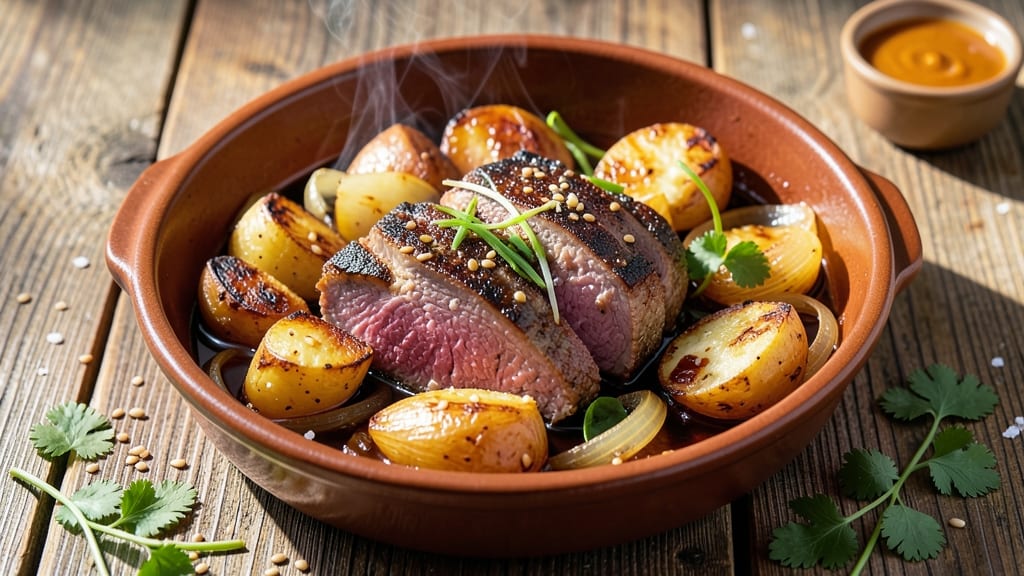
This beef bakareta recipe brings the comforting flavors of Filipino home cooking to your table, where tender beef and potatoes simmer together in a rich, savory broth until perfectly harmonized.
The dish's beauty lies in its simplicity—layers of beef and potatoes braised until fork-tender, creating a hearty meal that feels like a warm embrace after a long day.
I first discovered this recipe during a family gathering in the Philippines, where it became a staple for gatherings, its deep flavors and tender textures making every bite unforgettable.
The magic of bakareta comes from its slow cooking process, where the beef and potatoes develop a melt-in-your-mouth tenderness while absorbing the aromatic blend of garlic, ginger, and soy sauce.
This dish is traditionally served with steamed white rice, which soaks up the flavorful broth, making it a complete and satisfying meal. The simplicity of the ingredients—beef, potatoes, garlic, and a few pantry staples—ensures that even a beginner can achieve restaurant-quality results.
What makes this recipe truly special is its ability to transform humble ingredients into something extraordinary. The beef becomes so tender it nearly falls apart, while the potatoes absorb the rich flavors of the broth, creating a dish that’s both comforting and deeply satisfying.
The aroma alone will have everyone gathered around the table, anticipating the first bite. This is the kind of meal that tastes like home, no matter where you are.
Perfect for family dinners, potlucks, or when you crave a hearty, flavorful stew, this beef bakareta recipe is sure to become a favorite. The leftovers reheat beautifully, making it an ideal meal prep option for busy weeks.
Let’s get started on creating this timeless Filipino classic that’s as nourishing as it is delicious.
Ingredients for beef bakareta
Six ingredients transform into layers of tender beef and potatoes simmered in rich, savory broth.
| Ingredient | Amount | Notes |
|---|---|---|
| Beef Chuck Roast 🥩 | 2 lb | Cut into 1.5-inch cubes |
| Russet Potatoes 🥔 | 3 lb | Cut into 1-inch slices |
| Yellow Onions 🧅 | 2 whole | Sliced into 1/4-inch rounds |
| Garlic Cloves 🧄 | 8 cloves | Minced for aroma |
| Fresh Ginger 🌿 | 2 tbsp | Finely grated, peeled |
| Soy Sauce 🍶 | ½ cup | Regular or light variety |
| White Vinegar 🍶 | ¼ cup | For tangy depth |
| Olive Oil 🫒 | ¼ cup | For searing beef |
| Salt 🧂 | 1 ½ tsp | Kosher or sea salt |
| Black Pepper 🌶️ | 1 tsp | Freshly ground |
| Bay Leaves 🍃 | 2 whole | For subtle aroma |
| Water 💧 | 2 cups | For simmering broth |
| Fresh Parsley 🌿 | ¼ cup | Chopped for garnish |
The beef is the star—chuck roast gives that melt-in-your-mouth texture, while sirloin stays too firm. Grab it from the butcher section at Costco or your local grocery store's meat counter, where it's usually pre-cubed for convenience. If you're feeling adventurous, ask for it cut into 1.5-inch cubes yourself. Potatoes should be firm and starchy—Russets work best. I always buy them in 3-pound bags from Trader Joe's because they're perfect for this recipe and won't go bad quickly. The onions? Any yellow variety works, but avoid the sweet ones—they won't caramelize as nicely.
No soy sauce? Coconut aminos works in a pinch, though it's slightly sweeter. Fresh ginger not available? Ground ginger at half the amount gets you close, but it won't have that same bright kick. The vinegar can be swapped for lemon juice, though white vinegar's sharpness cuts through the richness better. If your olive oil smells like nothing, toast it first in a dry pan for 30 seconds—it adds depth. The bay leaves? Remove them before serving—they're for flavor, not eating. And if you're short on parsley, cilantro or green onions work just as well for garnish.
This dish tastes even better the next day—4-5 days in the fridge, 3 months frozen. I always make double batches because it reheats beautifully. Store it in glass containers with the lid slightly loose so flavors can meld. For serving, I like to arrange the beef and potatoes in layers again—it looks pretty and keeps everything warm. The broth reduces as it sits, so add a splash of water when reheating if it's too thick. Trust me, the first bite out of the fridge is worth the wait.
Why You'll Love This Recipe
- One-Pot Magic: I swear by this recipe for lazy nights—just toss everything in one pot, walk away, and let the beef and potatoes melt into tender perfection. No chopping boards to clean, no extra pans to wash.
- Ginger-Garlic Bomb: That fresh ginger and garlic combo? It’s the secret weapon—sharp, bright, and lingering in every bite. The chuck roast soaks it all up, turning into something rich and impossible to resist.
- Leftovers That Shine: Between us, this dish begs for seconds, so you’ll end up with extras. But here’s the kicker: reheated, it’s even better—those potatoes get crispier, the beef more tender. My freezer’s full of it.
- Budget Crowd-Pleaser: A whole chuck roast and a bag of potatoes stretch for days, and it feeds four for under $20. Honestly, it’s the kind of meal that makes grocery day feel like a win.
Step-by-step instructions for slow-simmered beef and potato layers
Here's how to build layers of tender beef and potatoes that cook together into rich, savory perfection.
🍳 Step 1: Sear the Beef for Deep Flavor
Heat the 0.25 cup olive oil in a large Dutch oven over medium-high heat until shimmering. Working in batches if needed, add the 2 lb beef chuck roast cut into 1.5-inch cubes, letting each piece sear undisturbed for 2-3 minutes until deeply browned on all sides. This step builds the foundation of flavor—don't rush it.
Once all beef is browned, transfer it to a plate and set aside. You'll notice the pan has a rich, caramelized crust from the searing—this is pure flavor we'll develop further. Reduce heat to medium and add the 2 whole yellow onions sliced into ¼-inch rounds, cooking for 5 minutes until softened but not browned. Stir in the 8 cloves garlic cloves and 2 tbsp fresh ginger for 30 seconds until fragrant.
🥘 Step 2: Build the Flavor Base
Pour in the 0.5 cup soy sauce and 0.25 cup white vinegar, scraping up all those browned bits from the bottom of the pan. Add the 2 cups water, 1.5 tsp salt, 1 tsp black pepper, and 2 whole bay leaves, then bring to a gentle simmer. Return the seared beef to the pot and reduce heat to low, covering partially to let the flavors meld for 15 minutes. This initial simmer softens the beef slightly and infuses it with the aromatic base.
Here's the thing—this isn't just about cooking, it's about building layers of flavor. The soy sauce and vinegar combination creates a perfect balance of umami and tang that will penetrate the beef and potatoes as they cook. If you smell the aroma rising, that's exactly what you want.
🥘 Step 3: Layer the Potatoes and Simmer
Add the 3 lb russet potatoes cut into 1-inch slices, spreading them evenly over the beef. Pour in enough water to come about halfway up the potatoes—you should have about 2 cups total including what's already in the pot. The potatoes should be mostly submerged but not floating.
Bring the mixture to a gentle boil, then reduce heat to low, cover completely, and simmer for 1 hour 15 minutes. The potatoes will absorb the flavorful broth while the beef continues to tenderize. You'll know it's ready when a knife slides in easily through the potatoes and the beef is fork-tender with no resistance.
⏰ Step 4: Finish and Rest
Remove the lid and increase heat to medium to let any remaining liquid evaporate, creating a thicker sauce that clings to the beef and potatoes. Cook uncovered for 5-10 minutes, stirring occasionally, until the sauce has reduced slightly and coats the back of a spoon. This final step intensifies the flavors and creates that perfect bakareta texture.
Transfer the entire pot to a warm serving platter, sprinkle with the 0.25 cup fresh parsley, and let it rest for 10 minutes. This resting period allows the juices to redistribute throughout the beef and potatoes, ensuring every bite is moist and flavorful. The result should be tender beef that falls apart easily and creamy potatoes infused with the rich beef broth.
Pro Tips For Making Beef Bakareta
- SEAR THE GINGER: Toss the fresh ginger into the hot pan after the onions soften—don’t rush it. I learned this the hard way: raw ginger burns before onions caramelize, and you end up with bitter chunks instead of aromatic paste. Let the onions melt first, then add the ginger with a splash of water to steam it into submission.
- CUT POTATOES UNEVENLY: Rough up those Russets with a knife instead of slicing them perfectly—think chunky, uneven pieces. This isn’t a potato salad; you want them to break apart in the sauce, soaking up all that beefy goodness. (Yes, even if it looks messy.)
- REST THE MEAT TWICE: Give the chuck roast a 30-minute rest before slicing, then another 10 minutes after it’s done. I know, it’s annoying, but skipping this means dry, stringy beef. The first rest relaxes the fibers; the second lets the juices redistribute while you finish the potatoes.
- USE A LITTLE WATER: Add just ½ cup of water to the pot when braising—enough to create steam but not so much it dilutes the flavor. I used to eyeball it and end up with a soup instead of a rich, saucy stew. Trust the measurement; the potatoes will absorb what they need.
Creative variations of this dish
Filipino Home-Style
This is the classic version you'd find in Filipino households, where the dish is often made in a large pot on special occasions. The key here is using regular soy sauce (not low-sodium) for that authentic umami punch.
I remember my grandmother always adding an extra pinch of salt at the end—she said it "wakes up the flavors." Serve it with steamed jasmine rice and a side of sautéed string beans for a complete meal. 🌱
Slow Cooker Adaptation
For a hands-off version, use a 6-quart slow cooker on low for 7-8 hours. Sear the beef in a separate pan first, then transfer everything to the slow cooker. The potatoes will absorb the flavors beautifully, and you'll end up with that same tender texture.
I like adding 1 extra bay leaf when using a slow cooker—the longer cook time lets it infuse more deeply. Just check the liquid level halfway through and add water if needed.
Spicy Kick Variation
Add 1 tbsp sili or chili crisp (Filipino chili flakes) when building the flavor base for a fiery twist. For extra heat, stir in 1-2 tbsp of chopped siling labuyo (Filipino bird's eye chili) with the garlic. If you can't find these, ½ tsp cayenne pepper works in a pinch.
The heat balances perfectly with the richness of the beef and potatoes. I often serve this version with a cooling side of mango salsa to cut through the spice. 🌶️
Vegetable-Packed Version
Add 1 cup of mixed vegetables like carrots, bell peppers, and green beans to the pot when layering the potatoes. The veggies will soften beautifully and add color and texture.
I like using carrots cut into thick rounds and bell peppers sliced into strips—they hold their shape while absorbing the broth. This version works especially well as a meal prep dish, as the veggies add nutrients without overpowering the beef and potatoes.
Creamy Potato Twist
For a richer texture, stir in ½ cup of coconut milk during the final 5 minutes of cooking. The creaminess enhances the potatoes while keeping the beef's savory profile intact. I also add ½ tsp turmeric for color and earthy depth.
This version pairs beautifully with coconut rice (rice cooked in coconut milk) for a truly indulgent meal. The coconut milk adds a subtle sweetness that complements the tangy vinegar in the broth.
Leftovers Reinvented
Transform leftover bakareta into beef and potato empanadas by mixing shredded beef and potatoes with a beaten egg, then wrapping in store-bought empanada dough. Bake at 375°F for 15-20 minutes until golden.
Alternatively, turn it into a bakareta stir-fry by sautéing leftovers with garlic, soy sauce, and a splash of vinegar for a quick weeknight meal. The flavors only get better after the first day! 💡
Nutrition facts
Frequently asked questions
What makes beef bakareta different from other Filipino beef stews?
Unlike other Filipino beef stews, bakareta features layers of beef and potatoes cooked together in a single pot, creating a harmonious blend of textures. The dish relies on a simple yet balanced marinade of soy sauce and vinegar rather than complex sauces, resulting in tender beef that nearly falls apart and potatoes infused with rich beef flavor. It's traditionally served as a complete meal with rice, making it heartier than dishes like beef sinigang or kaldereta.
Can I use a different cut of beef for bakareta?
While chuck roast is ideal for its tenderness, you can use brisket or short ribs for extra richness. Avoid lean cuts like sirloin—they won't become tender enough. If using short ribs, trim excess fat first but leave some for flavor. The key is choosing a cut with good marbling to stay juicy during the long simmer.
Why does my bakareta broth turn cloudy or murky?
Cloudy broth usually means the potatoes released too much starch or the beef wasn't properly seared first. To fix this, always sear the beef deeply before adding liquids, and use cold water when simmering to prevent starch release. For a clearer broth, strain it through a fine-mesh sieve before serving, or add 1 tbsp cornstarch slurry at the end to clarify it.
How do I adjust the recipe for a larger crowd?
Double the ingredients and use a 6-8 quart Dutch oven or large stockpot. The key is maintaining the same proportions—1 lb beef to 1.5 lb potatoes—and adjusting cooking time by 15-20 minutes extra. For serving, use a large platter or divide into individual bowls with extra broth. The dish reheats beautifully, so you can even cook it in batches if needed.
What's the best way to reheat beef bakareta?
Reheat gently on the stovetop over low heat with a splash of water or broth to prevent drying. Cover and simmer for 10-15 minutes, stirring occasionally. For microwave reheating, cover with a damp paper towel and heat in 1-minute intervals until warmed through. Never reheat to a boil—this makes the beef tough. The flavors actually improve after the first day!