
Main Courses
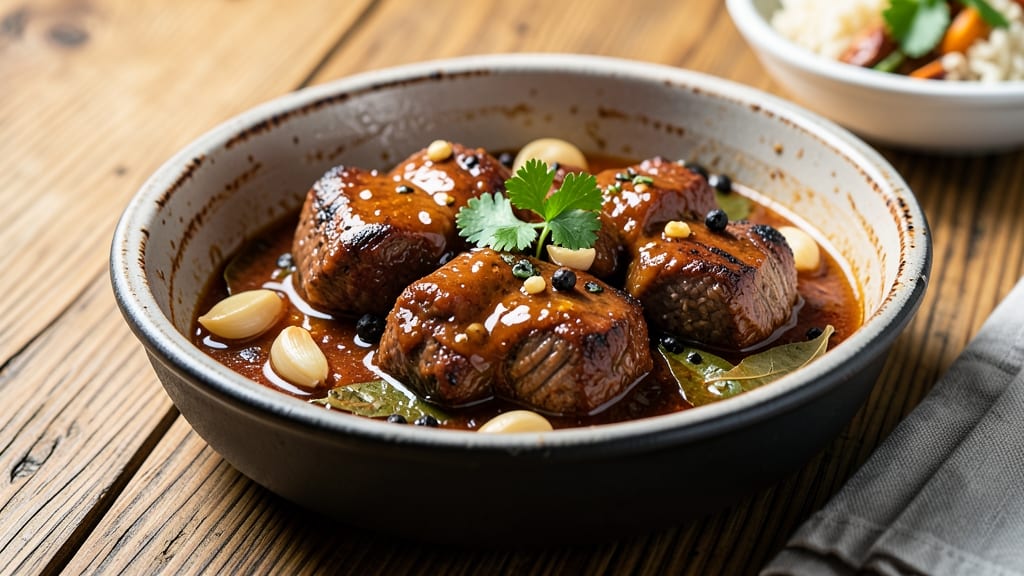
This beef adobo crock pot recipe transforms tough cuts into melt-in-your-mouth tenderness using the classic Filipino technique of vinegar and soy sauce braising. The slow cooker simplifies the process without sacrificing depth of flavor—just 4 hours of hands-off cooking delivers restaurant-quality results with minimal effort.
The key lies in balancing tangy vinegar with savory soy sauce, creating a sauce that caramelizes beautifully while keeping the beef impossibly tender.
The beauty of this method is its adaptability: you can use chuck roast for budget-friendly meals or ribeye for a more luxurious twist. Traditional adobo relies on garlic, bay leaves, and black peppercorns to build complex layers of flavor, while the vinegar tenderizes the meat and adds that signature tang.
Unlike stovetop versions that require constant attention, the crock pot handles all the work for you, resulting in juicy beef that practically falls apart at the touch of a fork.
What makes this recipe truly special is how it preserves the authentic Filipino flavors while making them accessible for weeknight dinners. The sauce thickens as it simmers, coating every bite in a glossy, slightly sticky glaze that's both savory and bright.
Serve it over steamed rice to soak up every last drop, or pair with garlic fried eggs for a complete meal that feels indulgent yet simple to prepare.
The best part? This dish tastes even better the next day, making it perfect for meal prep. Double the recipe and freeze portions for quick weeknight solutions.
Whether you're cooking for a family gathering or a solo dinner, this crock pot beef adobo delivers the comforting, familiar flavors of home with minimal effort—proof that slow cooking can be both convenient and extraordinary.
Ingredients for beef adobo crock pot
Tough cuts become tender masterpieces with these 12 essential ingredients—Filipino flavors meet effortless crock pot magic.
| Ingredient | Amount | Notes |
|---|---|---|
| Chuck Roast 🥩 | 3 lb | Cut into 2-inch chunks |
| White Vinegar 💧 | 1 cup | Distilled preferred |
| Soy Sauce 🍶 | ½ cup | Light or dark |
| Garlic Cloves 🧄 | 8 cloves | Minced for depth |
| Bay Leaves 🌿 | 2 whole | Dried, standard size |
| Black Peppercorns 🌶️ | 1 tsp | Crushed lightly |
| Sugar 🍚 | ¼ cup | Granulated, optional |
| Olive Oil 🫒 | 1 tbsp | For searing meat |
| Water 💧 | 1 cup | For initial deglazing |
| Salt 🧂 | 1 ½ tsp | Kosher or sea salt |
| Long-Grain White Rice 🍚 | 2 cups | Uncooked, for serving |
| Green Onions 🧅 | ¼ cup | Sliced, for garnish |
The chuck roast is your secret weapon here—3 lbs gives you that signature fall-apart texture. Costco or Walmart typically carry it pre-cut for convenience, but if you're buying a whole roast, ask the butcher to cube it yourself. Look for good marbling—it melts into flavor during the slow cook. The white vinegar should be distilled, not apple cider, for that classic adobo tang. Filipino markets often carry it in bulk, but any grocery store will have it. Don't skimp on the garlic: 8 cloves ensures that aromatic punch that makes this dish sing.
No chuck roast? Ribeye or sirloin work in a pinch, but they'll stay slightly firmer—trim excess fat to keep the sauce clear. Running out of white vinegar? Canola vinegar or even apple cider vinegar (though flavor will differ slightly) will do. The sugar is optional but helps balance the acidity; brown sugar works too. For the bay leaves, if you've got dried, standard size is fine, but fresh would be ideal if you're feeling fancy. The soy sauce can be light or dark—light gives a cleaner flavor, dark** adds depth. If you're making this ahead, freeze the sauce separately from the meat to reheat components independently.
This dish tastes even better the next day—3-4 days in the fridge, covered, with the sauce spooned over the meat. For longer storage, freeze the meat and sauce together for up to 3 months. The rice? Cook it fresh when serving—2 cups uncooked yields about 6 cups cooked, perfect for soaking up that glorious sauce. Garnish with sliced green onions right before serving—they add a fresh pop of color and brightness that cuts through the richness. Portion the meat and sauce into meal prep containers for grab-and-go lunches all week.
Why You'll Love This Recipe
- Dump-and-Go Magic: I swear, this is the kind of meal where you can pour everything in the crock pot, walk away, and still have dinner. The chuck roast practically melts into tender perfection while the vinegar and soy sauce work their alchemy—no babysitting required.
- Umami Bomb: That first bite? Chef’s kiss. The garlic and bay leaves infuse the beef with layers of savory depth, while the vinegar keeps it bright and tangy—not too heavy, not too sweet. It’s the kind of flavor that makes you pause mid-bite.
- Leftovers for Days: Between us, this recipe makes so much more than you’ll eat in one sitting. The slow-cooked beef stays juicy for at least 5 days in the fridge, and it reheats like a dream—perfect for quick lunches or throwing into stir-fries later.
- Budget Win: A chuck roast is my go-to for stretching meals without breaking the bank. Soy sauce and vinegar? Pantry staples. Garlic and bay leaves? Cheap and mighty. This dish feeds four for under $15 and still feels like a restaurant-worthy meal.
Step-by-step instructions for beef adobo crock pot recipe
This method transforms tough chuck roast into melt-in-your-mouth beef using minimal effort.
Sear the Chuck Roast for Depth of Flavor
Pat the 3 lb chuck roast dry with paper towels and cut it into 2-inch chunks. Heat a large skillet over medium-high heat and add 1 tablespoon olive oil. Once shimmering, add the beef in a single layer, working in batches if needed. Sear for 3-4 minutes per side until deeply browned—this creates the Maillard reaction that builds rich flavor.
Don't crowd the pan or the meat will steam instead of develop that golden crust. Transfer the seared beef to your crock pot as you work. The browned bits left in the pan will deglaze beautifully in the next step.
Build the Adobo Marinade
In the same skillet (no need to clean it), add 8 cloves minced garlic and cook for 30 seconds until fragrant. Immediately pour in 1 cup white vinegar and scrape up all the browned bits from the bottom with a wooden spoon. Let this mixture bubble for 1-2 minutes until slightly reduced—this captures all that searing flavor.
Transfer the vinegar mixture to your crock pot. Add 0.5 cup soy sauce, 1.5 teaspoons salt, 1 teaspoon crushed black peppercorns, 2 whole bay leaves, and 0.25 cup sugar. Stir gently to combine. The sugar helps balance the acidity while adding subtle caramelization during cooking.
Slow Cook to Perfect Tenderness
Add the seared beef chunks to the crock pot and pour in 1 cup water. Stir once to ensure all pieces are submerged in the marinade. Place the lid on the crock pot and cook on LOW for 4 hours. This long, slow cook time is crucial—it breaks down the tough connective tissue while allowing the vinegar to tenderize the meat beautifully.
Resist the urge to peek during cooking. Each time you lift the lid, you release steam and extend the cooking time. The beef is done when it's fork-tender with no resistance—you should be able to pierce it easily with a fork or skewer.
Finish and Serve
Once the beef is tender, remove it from the crock pot and shred it using two forks. Return the shredded beef to the cooking liquid and stir to combine. Taste and adjust seasoning if needed—you may want to add a splash more soy sauce or a pinch of sugar to balance the acidity.
Cook the 2 cups long-grain white rice separately according to package instructions. To serve, spoon the beef and its rich sauce over the rice. Garnish with 0.25 cup sliced green onions for freshness and color. The finished dish should have a glossy sauce with tender beef that practically falls apart at the touch.
Pro Tips For Making Beef Adobo Crock Pot
- SEAR THE ROAST FIRST: Skip the slow start—brown that chuck roast in a hot pan with oil before dumping it in the crock pot. The Maillard reaction adds depth the slow cooker alone can’t match, and it prevents bland, gray beef after hours of simmering.
- USE LESS VINEGAR: The recipe might call for a full cup, but start with ½ cup and taste before adding more. Too much vinegar turns the sauce sharp and overwhelming, especially if you’re using soy sauce that’s already tangy. You can always add, but you can’t take it out.
- PEEL THE GARLIC: I used to leave the skins on for convenience, but peeled cloves infuse the sauce with way more flavor. Smash them lightly with the side of your knife first—this releases their oils and makes the whole dish richer without tasting like a garlic supplement.
- DILUTE THE SOY SAUCE: Mix your soy sauce with ¼ cup water before adding it to the crock pot. This prevents the sauce from clumping and ensures it coats the beef evenly instead of forming a sticky, uneven glaze. (Yes, even if the recipe doesn’t say to.)
Wine and beer pairings for this dish
Filipino-Inspired Reds
For an authentic pairing, reach for Filipino red wines like Petron Red Blend or Lambrusco—both complement the dish's tangy-savory balance beautifully.
The Petron Red Blend (a local favorite) has notes of dark fruit and subtle oak that mirror the beef's caramelized depth, while Lambrusco (a sparkling red) adds effervescence that cuts through the richness.
If you can't find these, a Pinot Noir with its lighter body and red berry notes works wonderfully too. 🍷
Craft Beer Contrasts
A wheat beer like Blue Moon or Hoegaarden brings refreshing acidity that mirrors the vinegar in the adobo, while a Belgian-style witbier with its citrus and peppery notes enhances the garlic and black peppercorns.
For something heartier, a dark ale like Guinness provides a malty contrast that pairs surprisingly well with the soy sauce's umami. Avoid heavy IPAs—they'll overpower the delicate balance of flavors.
Local Liquor Pairings
For a true Filipino touch, serve with Tanduay Rum (aged or gold) on the rocks—its caramel and vanilla notes complement the caramelized sauce. A San Miguel Beer (the classic Filipino lager) is also a crowd-pleaser, especially when chilled.
If you prefer something stronger, Lambanog (a coconut vodka) adds a tropical twist that works surprisingly well with the dish's savory depth. 🍹
Non-Alcoholic Options
For a refreshing non-alcoholic pairing, try hibiscus iced tea (sarsapilla) with a splash of lime—its tartness echoes the vinegar while keeping the palate clean. A ginger beer like Feather Ginger adds a spicy kick that enhances the black peppercorns.
For something lighter, coconut water with a squeeze of lime provides hydration without competing with the dish's bold flavors.
Serving Temperature Tips
Serve your wine or beer slightly cooler than room temperature—around 50-55°F for reds and 45-50°F for whites or beers. The cold helps balance the dish's warmth, especially when paired with steaming hot rice.
If using rum or lambanog, serve them over ice to enhance their flavors without diluting the adobo's richness. Pro tip: Let your drink breathe for 5-10 minutes before sipping to fully appreciate the pairing.
Nutrition facts
Frequently asked questions
Can I use a different cut of beef instead of chuck roast?
While chuck roast is ideal for its tenderness, you can use ribeye or sirloin for a leaner option. Trim excess fat first and reduce cooking time to 3 hours on low to prevent dryness. For extra tough cuts like brisket, increase to 5-6 hours for maximum tenderness.
How do I make this dish less tangy?
Reduce the vinegar to ½ cup and add 1 tablespoon honey or 1 extra tablespoon soy sauce to balance the acidity. For a sweeter profile, increase the sugar to ⅓ cup. Taste as you go—adjust gradually to avoid overpowering the flavors.
Can I prepare this in an Instant Pot instead?
Yes! Sear the beef first, then add all ingredients (except water) to the Instant Pot. Cook on high pressure for 45 minutes, then natural release for 10 minutes. The pressure cooker cuts time by half while keeping the same rich flavors. For extra tenderness, add ½ cup water during cooking.
What if my sauce isn't thick enough?
Simmer the sauce uncovered on the stovetop for 5-10 minutes to reduce it. For a quicker fix, mix 1 tablespoon cornstarch with 2 tablespoons water, stir into the sauce, and simmer until thickened. Avoid over-reducing—you want a glossy, not gluey, consistency.
How do I store leftovers?
Let the dish cool completely, then store in an airtight container in the fridge for up to 4 days. For longer storage, freeze the meat and sauce together for 3 months. Reheat gently on the stove with a splash of water to restore moisture—never microwave directly from frozen.