
Breakfast & Brunch
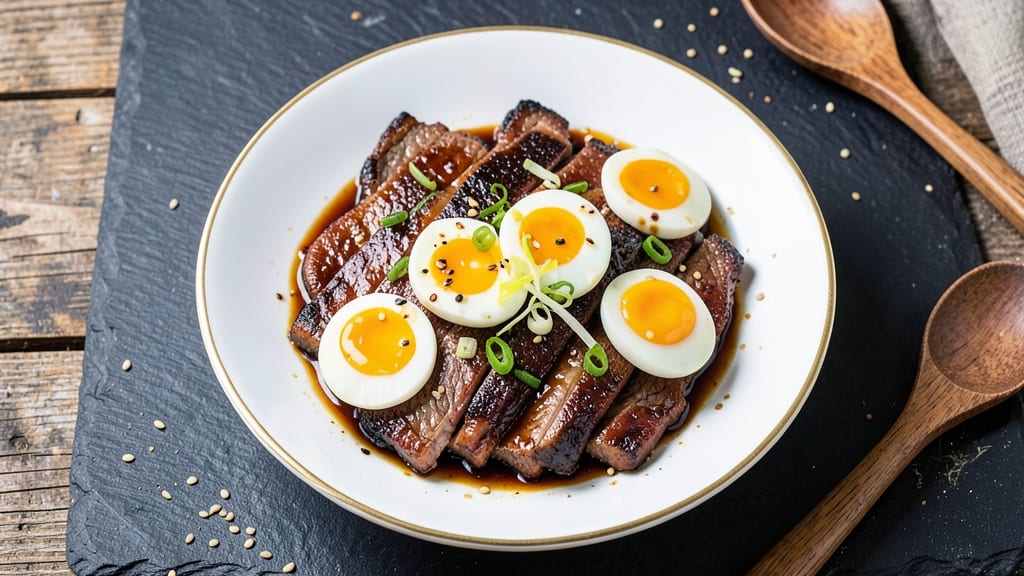
This beef and egg Chinese recipe delivers the bold, savory flavors of a classic wok stir-fry in just 20 minutes. The secret lies in perfectly seared beef strips and silky scrambled eggs, tossed together with a fragrant sauce that balances umami, spice, and sweetness.
I first discovered this dish at a bustling Sichuan street stall, where the sizzling wok and aromatic spices drew me in—now it's my go-to for a restaurant-quality brunch at home.
The technique is simpler than it looks: high-heat searing for tender beef, quick-cooked eggs that stay moist, and a sauce that clings to every bite. We're talking crispy edges on the beef, velvety egg ribbons, and a glossy sauce that ties everything together.
What makes this recipe special is how it captures the essence of Chinese wok cooking—fast, flavorful, and packed with texture contrasts.
What you'll end up with is a dish that's hearty enough for a main course but quick enough for a weeknight. The beef stays juicy and flavorful, the eggs add richness without heaviness, and the sauce delivers that perfect balance of spicy, sweet, and savory.
It's the kind of meal that feels luxurious but comes together effortlessly.
Serve it with steamed rice or crusty bread to soak up every last drop of that silky sauce. This recipe is versatile enough for breakfast or dinner, and the flavors only get better as it sits. Let's get cooking!
Ingredients for beef and egg chinese
Pantry staples plus a few Asian market finds—this stir-fry comes together faster than takeout.
| Ingredient | Amount | Notes |
|---|---|---|
| Flank Steak 🥩 | 1 lb | Thinly sliced against grain |
| Large Eggs 🥚 | 4 whole | Freshly beaten, room temp |
| Soy Sauce 🍶 | ½ cup | Light or dark variety |
| Oyster Sauce 🥢 | 2 tbsp | High-quality brand preferred |
| Hoisin Sauce 🍯 | 1 tbsp | For sweet-spicy depth |
| Sesame Oil 🫒 | 1 tbsp | Toasted, for aroma |
| Garlic Cloves 🧄 | 4 cloves | Minced, fresh preferred |
| Fresh Ginger 🌿 | 1 tbsp | Grated, peeled |
| Green Onions 🧅 | 4 whole | White and green parts |
| Vegetable Oil 🫒 | ½ cup | High smoke point |
| White Sugar 🍚 | 1 tbsp | Or brown sugar |
| Black Pepper 🌶️ | ½ tsp | Freshly cracked |
| Cornstarch 🍚 | 1 tbsp | For sauce thickening |
| Steamed White Rice 🍚 | 2 cups | Cooked, for serving |
The beef is everything here. Flank steak is my go-to—it's lean but tender when sliced thin against the grain. Ask your butcher to slice it if you can't do it yourself; otherwise, freeze it 15 minutes first for easier cutting. For the eggs, room temperature is key—they scramble faster and stay silky. If you're in a hurry, just crack them into a bowl and let them sit while you prep everything else. The sauces? La Choy or Lee Kum Kee are solid choices for soy and oyster—just make sure they're not watered down. Hoisin adds that sweet-spicy kick, so grab a bottle at the Asian market if you don't have one.
No oyster sauce? Fish sauce plus a pinch of sugar works in a pinch, but it won't be exactly the same. Running out of hoisin? Substitute plum sauce or even a little ketchup—just add a pinch of sugar to balance. Fresh ginger and garlic are ideal, but if you're using dried, cut the amount in half. The green onions? Use the whites too—they add flavor. And if you're worried about the eggs getting rubbery, beat them with a splash of water (about 1 tbsp per egg) for extra tenderness. The cornstarch is non-negotiable for the sauce—it's what gives it that glossy, clingy texture.
This dish reheats beautifully—just add a splash of water or soy sauce to loosen the sauce. Keeps for 3 days in the fridge, but honestly, it's best eaten fresh. For leftovers, store the beef and eggs separately if you can—the sauce absorbs into the rice better that way. Freezing? Portion into single servings with a little extra sauce to keep everything moist. And if you're serving it for breakfast, add a fried egg on top—trust me, it's next-level.
Why You'll Love This Recipe
- One-Pan Magic: I swear by this recipe when I’m too tired to deal with multiple pans. Sear the flank steak, crack eggs right into the same pan, and let the soy and oyster sauces do the rest—no extra dishes, no fuss.
- Umami Bomb: That combo of hoisin and oyster sauce? It’s like a flavor explosion in your mouth. The eggs get silky, the beef stays tender, and the sauces add this deep, savory richness that makes every bite worth it.
- Lunchbox Hero: Between us, this is my go-to for meal prep. Slice the cooled beef and eggs into bite-sized pieces, toss with a little extra soy for moisture, and pack it in containers. Tastes just as good cold as it does hot—perfect for busy mornings.
- Budget Powerhouse: Flank steak stretches farther than you’d think, and eggs are always cheap. A single pan of this feeds four for under $15, and leftovers reheat like a dream. Honestly, it’s my secret for stretching groceries without sacrificing flavor.
Step-by-step instructions for wok-fired beef and egg
Here's how to nail this restaurant-style dish with perfectly seared beef and silky eggs.
Prep the Beef and Marinate for Maximum Flavor
Slice the 1 lb flank steak thinly against the grain into ¼-inch strips. This ensures tender bites that cook quickly in the wok. Transfer the beef to a bowl and add 0.5 cup soy sauce, 2 tbsp oyster sauce, 1 tbsp hoisin sauce, 1 tbsp sesame oil, 1 tbsp white sugar, and 0.5 tsp black pepper. Mix well until the beef is evenly coated. Let it marinate for at least 20 minutes—this step develops deep umami flavor and tenderizes the meat.
While the beef marinates, beat the 4 whole large eggs in a separate bowl until frothy. Add 1 tbsp cornstarch and mix again—this creates a thicker, silkier egg consistency. Cover both bowls and let them sit at room temperature while you prep the aromatics. The cornstarch helps the eggs set beautifully when they hit the hot wok.
Sear the Beef Until Perfectly Browned
Heat a wok or large skillet over high heat until it's screaming hot. Add 0.5 cup vegetable oil and swirl to coat the bottom evenly. Working in batches if needed (don't overcrowd), add the marinated beef strips. Let them sear undisturbed for 1-2 minutes until they develop a deep golden-brown crust on all sides. This caramelization is what gives the dish its rich, savory depth.
Once the beef is browned, remove it from the wok and set it aside on a plate. Keep it warm by loosely covering with foil. Don't walk away—beef cooks fast at this temperature, and you want it just done, not overcooked. The strips should still have a slight bounce when pressed with tongs, indicating perfect doneness.
Cook the Eggs to Silky Perfection
With the wok still over high heat, add a thin layer of fresh 0.5 cup vegetable oil (you can reuse some if needed). Pour in the beaten eggs and let them sit undisturbed for 5-8 seconds—this allows the bottom to set slightly before gently pushing the eggs into a thin, even layer with a spatula. The goal is a soft, custardy texture, not scrambled.
As soon as the eggs begin to set at the edges, push them into the center and fold them over themselves. Keep folding and tossing for 15-20 seconds until the eggs are just set but still silky. They should look like ribbons of pale yellow—this texture is what makes this dish special. Remove the eggs from the wok and set them aside with the beef.
Build the Sauce and Combine Everything
Return the wok to the heat and add the minced 4 cloves garlic and 1 tbsp grated fresh ginger. Stir for 10-15 seconds until fragrant—don't let them burn. Pour in 0.25 cup soy sauce (reserve the rest for garnish) and let it bubble for 30 seconds to deglaze the wok. Add 1 tbsp hoisin sauce and 1 tbsp oyster sauce, then stir to combine.
In a small bowl, mix 1 tbsp cornstarch with 2 tablespoons water to make a slurry. Slowly pour this into the wok while stirring constantly. The sauce will thicken dramatically—keep stirring until it reaches a glossy, coatable consistency. Return the beef and eggs to the wok and toss everything together for 1 minute to coat evenly. The sauce should cling beautifully to both components.
Plate and Serve Over Steamed Rice
Divide the 2 cups steamed white rice among four plates. Spoon the beef and egg mixture over the rice, then drizzle with any remaining sauce from the wok. Garnish with sliced 4 whole green onions (white and green parts) for freshness and color. The contrast of the warm, savory beef and eggs against the cool rice makes every bite perfect.
Serve immediately while everything is hot. The beef should be tender with a perfect sear, the eggs silky and just set, and the sauce glossy with balanced sweet-savory notes. This dish comes together quickly but delivers restaurant-quality results—just don't skip the marinating or that sauce thickening step, or you'll miss out on the magic.
Pro Tips For Making Beef And Egg Chinese
- Slice Against the Grain: Flank steak’s fibers run long—cutting perpendicular means each bite melts instead of chews. I used to fight this, but now I mark the grain with my knife first, then slice thin after cooking. (Yes, it’s fiddly, but the payoff is worth it.)
- Scramble Eggs in Layers: Don’t dump all the eggs in at once—pour them in a spiral, then let the first layer set slightly before adding more. This keeps the eggs creamy and prevents a rubbery center. I learned this after making a single batch that looked like a sad omelet.
- Balance the Sauces: Hoisin and oyster sauce are sweet and rich—cut their intensity with an extra splash of soy sauce (about 1 tablespoon more than the recipe says). Too much hoisin? The beef turns cloying. Too little? The dish lacks depth. Taste as you go.
- Rest the Beef Before Slicing: Skipping this step means pulling apart warm, stringy meat. Wrap the cooked steak in foil and let it sit 5 minutes—just enough time to relax the fibers. I know, I know, but trust the process. Your future self will thank you.
Dietary considerations for this dish
Gluten-Free Adaptations
This recipe is naturally gluten-free if you use certified gluten-free soy sauce like Kikkoman Gluten-Free Tamari or San-J Tamari. Both brands provide that deep umami flavor without gluten. I swap out regular soy sauce 1:1—just check the label to ensure no cross-contamination warnings.
The hoisin sauce is the only potential issue, so opt for Glutino Hoisin Sauce or make your own by blending gluten-free soy sauce, Hain Pure Foods hoisin sauce (certified GF), and a touch of honey. 🌱
Dairy-Free Considerations
This dish is already dairy-free, but the eggs are the star! If you're avoiding eggs entirely, consider swapping them for silken tofu—crumble ½ cup firm tofu into the wok after searing the beef. For texture, add ½ tsp turmeric to mimic the egg color.
The sauce remains the same, and the tofu absorbs all those delicious flavors beautifully. For a more egg-like texture, chickpea flour omelets (mix ¼ cup chickpea flour with water) work surprisingly well when folded quickly in the wok.
Low-Carb Options
Skip the rice and serve this over cauliflower rice (fresh or frozen) for a low-carb twist. I use Trader Joe's Frozen Riced Cauliflower—it toasts up nicely and soaks up the sauce just like regular rice. For extra protein, add ½ cup shredded chicken to the beef marinade.
The eggs provide healthy fats, and the beef keeps this dish satisfying without the carb load. Just be mindful of the hoisin sauce—some brands contain added sugars, so check labels if you're strict about carbs.
Allergen-Friendly Swaps
For sesame-free versions, omit the sesame oil and replace it with 1 tbsp neutral oil (like avocado or grapeseed). The flavor won’t be identical, but it’s a safe swap.
If you’re avoiding eggs, aquafaba (chickpea brine) can’t replace them here, but mushroom "eggs" (finely chopped shiitake mushrooms sautéed with 1 tsp nutritional yeast) add umami depth. Always double-check your oyster sauce for shellfish allergens—Lee Kum Kee is a safe bet, but Annie Chun’s is another reliable brand.
Protein Variations
Want to make this vegetarian? Swap the beef for extra-firm tofu (pressed and cubed) or mushrooms (shiitake or oyster). Marinate the tofu in the same sauce for 30 minutes before cooking, and slice the mushrooms thinly for quick cooking.
For a seafood twist, use shrimp—toss 1 lb peeled shrimp in the marinade for just 2-3 minutes per side (they cook faster than beef). The eggs and sauce remain the same, so the dish stays cohesive and delicious. 🍤
Nutrition facts
Frequently asked questions
Can I use ground beef instead of flank steak?
Ground beef works in a pinch, but the texture will be different. For best results, use 80/20 lean-to-fat ratio and form it into small, thin patties before cooking. The key is to keep them moving in the wok so they don't overcook. If you prefer ground beef, consider using 8 oz total instead of the 1 lb flank steak to match the portion size.
How do I get the eggs silky like in restaurants?
The secret is high heat and quick cooking. Let the eggs sit undisturbed for 5-8 seconds after pouring, then gently fold them with a spatula until they're just set but still soft. Adding 1 tbsp cornstarch to the beaten eggs also creates that signature custardy texture. Work fast—overcooking turns them rubbery!
What if I don't have hoisin sauce?
No problem! Mix 1 tbsp soy sauce, 1 tsp brown sugar, and ½ tsp red pepper flakes for a quick substitute. For extra depth, add ½ tsp vinegar. The sauce will be slightly different but still delicious. If you're near an Asian market, grab a small bottle—it's worth having for this dish!
Can I make this dish ahead of time?
Store the cooked beef and eggs separately in the fridge for up to 2 days. Reheat them separately, then combine with fresh rice and a splash of water or soy sauce to loosen the sauce. For best texture, add the eggs last to avoid drying out. The flavors actually improve overnight as they meld together!
Why does my sauce keep getting too thin?
This usually happens from two things: not enough cornstarch or stirring too slowly.