
Soups & Stews
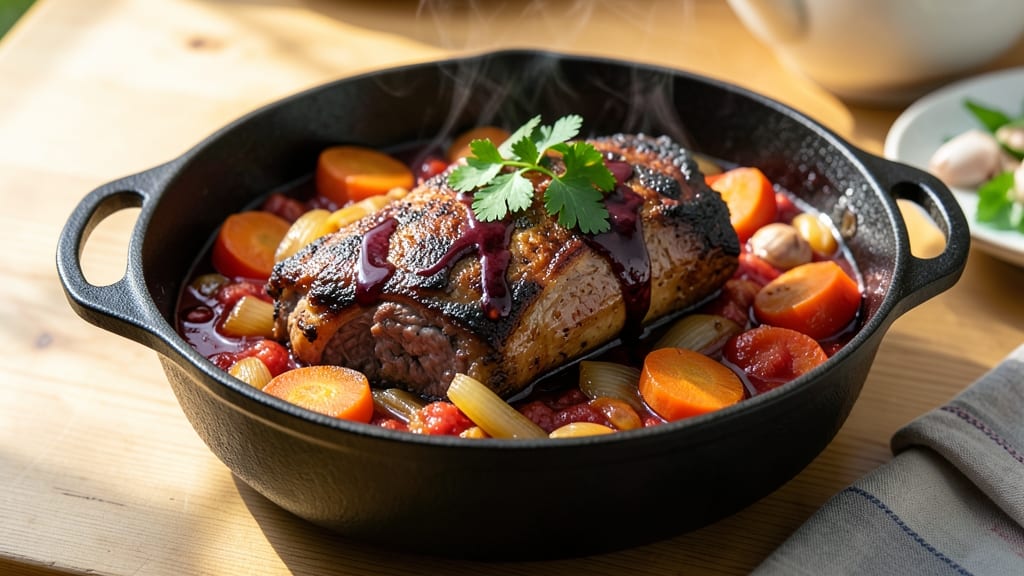
This beef arm stew recipe transforms tough cuts into melt-in-your-mouth tenderness with deep, caramelized flavors that develop over hours of slow braising.
The secret lies in marinating the beef overnight, allowing the spices to penetrate deeply while tenderizing the meat—this step alone makes the difference between ordinary stew and something extraordinary.
What begins as a simple pot of ingredients becomes a rich, velvety masterpiece by the end, where every spoonful delivers layers of savory, smoky, and slightly sweet notes.
The process is straightforward but requires patience—8 hours of slow cooking at low heat ensures the connective tissues break down completely, while the addition of root vegetables like carrots and onions creates a natural fond that caramelizes into a glossy, flavorful glaze.
The result is a stew that’s hearty enough for a family dinner but elegant enough for a special occasion, with meat that practically falls apart at the touch of a fork.
What sets this recipe apart is the balance of textures: tender beef, crisp edges on the vegetables, and a sauce thick enough to coat a spoon but light enough to let the natural flavors shine.
It’s the kind of dish that improves with time, as the flavors meld and deepen—perfect for making ahead and serving when your kitchen smells like comfort food at its finest.
Serve with crusty bread to soak up every last drop of that rich sauce, or pair it with buttery mashed potatoes for a meal that feels indulgent yet satisfying.
The beauty of this recipe is its versatility—it’s equally at home as a weeknight dinner or a centerpiece for a gathering, proving that slow-cooked meals don’t require fuss to deliver restaurant-quality results.
Ingredients for beef arm
Sixteen ingredients for a stew that transforms tough beef into luxurious, caramelized perfection.
| Ingredient | Amount | Notes |
|---|---|---|
| Beef Arm Stew Meat 🥩 | 4 lb | Tough cut, cut into 2-inch chunks |
| Yellow Onions 🧅 | 3 whole | Cut into 1-inch chunks, skins on |
| Carrots 🥕 | 4 lb | Whole, peeled, cut into 2-inch pieces |
| Garlic Cloves 🧄 | 8 cloves | Smashed with side of knife |
| Tomato Paste 🍅 | ½ cup | Squeeze tube or canned |
| Dry Red Wine 🍷 | 1 ½ cups | Bold variety like Cabernet Sauvignon |
| Beef Broth 💧 | 6 cups | Low-sodium preferred |
| Bay Leaves 🍃 | 2 whole | Fresh preferred |
| Thyme Sprigs 🌿 | 4 whole | Fresh or 1 tbsp dried |
| Black Peppercorns 🌶️ | 1 tbsp | Coarsely cracked |
| Salt 🧂 | 2 tbsp | Kosher or sea salt |
| Olive Oil 🫒 | ¼ cup | Extra-virgin for richness |
| Flour 🌾 | ½ cup | All-purpose, for dredging |
| Fresh Parsley 🌿 | ¼ cup | Chopped, for garnish |
The beef arm is the star—look for it at Whole Foods or your butcher shop, where they'll cut it into manageable chunks for you. Costco often carries it pre-cut, which saves time. The key is choosing a cut with good marbling; this fat renders down during cooking, creating a rich sauce. For the vegetables, organic carrots and onions from the store's produce section hold up better during long cooking. If you can't find beef arm, chuck roast or short ribs work as substitutes, though the texture will differ slightly. The tomato paste? Squeeze tubes from Trader Joe's are perfect—no waste, and they keep for months in the pantry.
No red wine? Beef broth with a splash of balsamic vinegar mimics the depth. Fresh thyme is ideal, but dried works at one-third the amount. The flour isn't for thickening—it's for dredging the beef chunks before browning, which creates a beautiful crust. If you're short on time, skip the overnight marinade and just sear the beef well. The bay leaves can be removed before serving, but I always leave them in until the end—they infuse subtle earthy notes. For extra richness, add 1 tbsp of Worcestershire sauce (ensure it's vegan if needed), though it's optional.
This stew tastes even better the next day, so make a big batch. Store in the fridge for up to 5 days or freeze for 3 months. The sauce thickens as it cools, so add a splash of broth when reheating. For serving, I like to garnish with fresh parsley and a drizzle of olive oil. The beef will be fork-tender, and the vegetables will have crisp edges from the long cooking time. Leftovers reheat beautifully—just add a little extra broth to loosen the sauce.
Why You'll Love This Recipe
- One-Pot Magic: I swear by this recipe because it’s literally one pot—no chopping boards overflowing, no pans to scrub later. Toss in the beef arm meat, dump in the onions and carrots whole (yes, really), and let the slow simmer do the work. The tomato paste caramelizes into a glossy, rich base with almost no effort.
- Deep Umami Bomb: That beef arm meat? It’s packed—tender but chewy, with a depth of flavor that builds as it cooks. The garlic and onions mellow into sweetness, while the tomato paste adds this smoky, savory punch that makes every bite feel like a hug. Honestly, I’ve had worse meals after a long day, and this isn’t one of them.
- Leftovers That Don’t Suck: Between us, most stew leftovers turn to sad, dry mush. Not this one. The beef stays juicy, the carrots soften just enough to melt in your mouth, and the sauce clings like it’s afraid to let go. I’ve reheated portions for days—breakfast hash, lunch bowls, even stuffed into tortillas—and it’s always a win.
- Budget Stretch King: A pound of beef arm meat goes far, and the rest of the ingredients? Basic pantry staples. You’re looking at a hearty, filling meal for under $10 that feeds four (or two very hungry people). Plus, the carrots and onions bulk it up so you’re not just paying for the beef—every bite is balanced, not just meat-heavy. My wallet thanks me every time.
Step-by-step instructions for slow-braised beef arm stew
Transform tough beef arm into melt-in-your-mouth tenderness through precise technique and patience.
Sear the Beef Arm for Deep Flavor
Pat the 4 lb beef arm stew meat completely dry with paper towels—this ensures maximum browning. Heat the 0.25 cup olive oil in a heavy Dutch oven over medium-high heat until shimmering. Working in batches if needed, sear the beef arm on all sides for 3-4 minutes per side until deep golden brown. The key here is patience: don't crowd the pan, or you'll steam the meat instead of searing it.
As you sear, you'll notice the beef releases its natural juices, which caramelize into rich fond at the bottom of the pan. This fond forms the flavor base for your stew, so never skip this step. Once all pieces are browned, remove them from the pot and set aside on a plate.
Build the Flavor Base with Caramelized Vegetables
In the same Dutch oven, add the 3 whole yellow onions and 4 lb carrots cut into 2-inch pieces. Cook over medium heat for 10-12 minutes, stirring occasionally, until the onions soften and the carrots begin to caramelize at the edges. This process develops natural sweetness that balances the rich beef flavors.
After 8 minutes, add the 8 cloves smashed garlic cloves and cook for an additional 30 seconds until fragrant. Then stir in the 0.5 cup tomato paste and cook for 2 minutes until it darkens slightly. This creates a rich, concentrated flavor that will form the stew's foundation. The vegetables should be tender but not completely mushy—you want to preserve some texture.
Deglaze and Develop the Sauce
Pour in the 1.5 cups dry red wine and scrape up all the browned bits from the bottom of the pot with a wooden spoon. This deglazing step captures all the flavor you've built. Let the wine simmer for 5-6 minutes until reduced by half, until it coats the back of a spoon and has thickened slightly.
Add the 6 cups beef broth, 2 whole bay leaves, 4 whole thyme sprigs, 1 tbsp coarsely cracked black peppercorns, and 2 tbsp salt. Bring to a gentle simmer, then return the seared beef arm to the pot. The liquid should come about halfway up the sides of the beef pieces—if it's too shallow, add a bit more broth.
Slow Braise Until Tender
Cover the Dutch oven and transfer to a preheated 300°F oven. Braise for 3-4 hours, turning the beef occasionally, until it's fork-tender. The beef arm should pull apart easily when tested with a fork, and the vegetables should be completely tender. This slow cooking process is what transforms tough beef into succulent, melt-in-your-mouth pieces.
About halfway through cooking (after 2 hours), check the liquid level. If it's reduced too much, add 1-2 cups of hot water or broth to maintain proper moisture. The stew should have a rich, velvety consistency with just enough liquid to coat the beef and vegetables.
Finish with Flour and Garnish
Remove the beef arm from the stew and set aside. Skim any excess fat from the surface of the stew. In a small bowl, mix the 0.5 cup flour with 1 tablespoon of cold water to make a slurry. Slowly whisk this into the stew, simmering gently for 3-4 minutes until slightly thickened. This step creates a beautiful, glossy finish that coats the beef when you return it.
Return the beef arm to the stew and heat through for 2-3 minutes. Remove the bay leaves and thyme sprigs. Ladle the stew into serving bowls, garnishing each portion with 1 tablespoon of the chopped 0.25 cup fresh parsley. Serve immediately with crusty bread to soak up every last bit of that rich, caramelized sauce.
Pro Tips For Making Beef Arm
- SEAR THE MEAT FIRST: Beef arm stew meat needs a hard crust to stay tender, so don’t skip the sear—get your pan screaming hot and let those chunks brown for 3-4 minutes per side. I used to rush this, and my stew always ended up mushy; patience here makes all the difference.
- CUT ONIONS INTO HALVES: Whole onions caramelize better and don’t turn to mush—slice them in half lengthwise and leave the skin on for extra flavor. (Yes, even if it looks weird.) They’ll soften perfectly without disappearing into the stew.
- ADD TOMATO PASTE LAST: Stir in the tomato paste only after the onions and garlic have sweated for 10 minutes—this prevents it from burning and lets the flavors meld properly. I learned this the hard way when my first batch tasted bitter.
- USE COLD CARROTS: Toss raw, unpeeled carrots (cut into thick chunks) into the pot with the meat—cold veggies blanch in the hot liquid and hold their shape better than pre-softened ones. (No, you don’t have to peel them; scrub and go.)
Make-ahead tips for this dish
Marinate Ahead
Save time by marinating the beef overnight—this tenderizes the meat and infuses it with flavor.
Place the 4 lb beef arm in a resealable plastic bag with 1 tbsp olive oil, 1 tbsp soy sauce, 1 tbsp Worcestershire sauce, 1 tsp black pepper, and 1 tsp salt.
Seal tightly, massaging the marinade into the meat, then refrigerate for 12-24 hours. This step is optional but makes a noticeable difference in tenderness. 💪
Prep Vegetables Early
Chop all your vegetables the night before and store them in airtight containers in the fridge. The 3 onions and 4 lb carrots should be cut into 2-inch chunks—this saves 15 minutes of prep time on cooking day.
Keep the 8 garlic cloves whole until you're ready to use them. Prepping ahead ensures you can focus on searing and braising without stress. ✨
Slow Cooker Option
For a hands-off approach, use a 6-quart slow cooker on low for 8-10 hours. After searing the beef and caramelizing the vegetables, transfer everything to the slow cooker, add the remaining ingredients, and cook until the beef is fork-tender.
This method is perfect for busy days—just set it and forget it until dinner time. The flavors develop just as deeply as in the oven. ⏰
Freezer-Friendly
This stew freezes beautifully for up to 3 months. Let it cool completely, then portion into quart-sized freezer bags or airtight containers, leaving 1-inch headspace for expansion. Thaw overnight in the fridge before reheating.
When ready to serve, add ¼ cup beef broth to restore moisture and simmer for 10 minutes on the stovetop. The texture remains rich and tender after freezing. ❄️
Make-Ahead Sauce
If you're short on time, make the sauce base ahead of time. Sauté the onions, carrots, and garlic, then deglaze with wine and add the tomato paste. Store the sauce in the fridge for up to 5 days or freeze for 3 months.
When ready to cook, simply add the seared beef and broth, then braise as directed. This shortcut cuts your active cooking time by nearly half while keeping the dish just as flavorful. 💡
Reheat Like a Pro
Reheating is where many stews fail—don’t let that happen here! Transfer stew to a pot and heat over medium-low heat for 10-15 minutes**, stirring occasionally. If the sauce thickens too much, add 2-3 tbsp beef broth to loosen it.
For best results, reheat only what you need for the meal to maintain the perfect consistency. The beef will stay tender and the flavors will remain vibrant. 🔥
Nutrition facts
Frequently asked questions
What exactly is beef arm and where can I find it?
Beef arm refers to the tough, connective-tissue-rich portion of the cow's shoulder, similar to beef chuck or short ribs. You'll find it at specialty butchers or larger grocery stores like Whole Foods or Costco. If unavailable, substitute with beef chuck roast or short ribs—though the texture will differ slightly. Always ask your butcher to cut it into 2-inch chunks for even cooking.
Can I make this stew in a slow cooker instead of the oven?
After searing the beef and caramelizing the vegetables, transfer everything to a 6-quart slow cooker with all remaining ingredients. Cook on low for 8-10 hours until the beef is fork-tender. The slow cooker method is hands-off and develops the same deep flavors through gentle, prolonged cooking. Just be sure to add a splash of broth if the liquid reduces too much.
How do I know when the beef is fully tender?
The beef arm is done when it easily pulls apart with a fork and reaches an internal temperature of 195-205°F. Test a piece by inserting a fork—if it separates cleanly with minimal resistance, it's ready. The vegetables should also be completely tender, with carrots soft enough to pierce with a fork. Overcooking won't ruin the dish, but the sauce may thicken too much.
What's the best way to store and reheat leftovers?
Store leftovers in airtight containers in the fridge for up to 5 days or freeze for 3 months. To reheat, transfer to a pot over medium-low heat for 10-15 minutes, stirring occasionally. If the sauce thickens too much, add 2-3 tbsp beef broth to restore the perfect consistency. Never microwave—this can make the beef tough and the sauce watery.
Can I use a different type of wine or skip it entirely?
While red wine adds depth, you can substitute with 1.5 cups beef broth plus 1 tbsp balsamic vinegar for similar acidity. For non-alcoholic versions, use 1 cup beef broth + 1 cup apple cider. Avoid sweet wines—they'll overpower the savory flavors. If skipping wine entirely, increase the tomato paste to 0.75 cup for extra richness.