
Soups & Stews
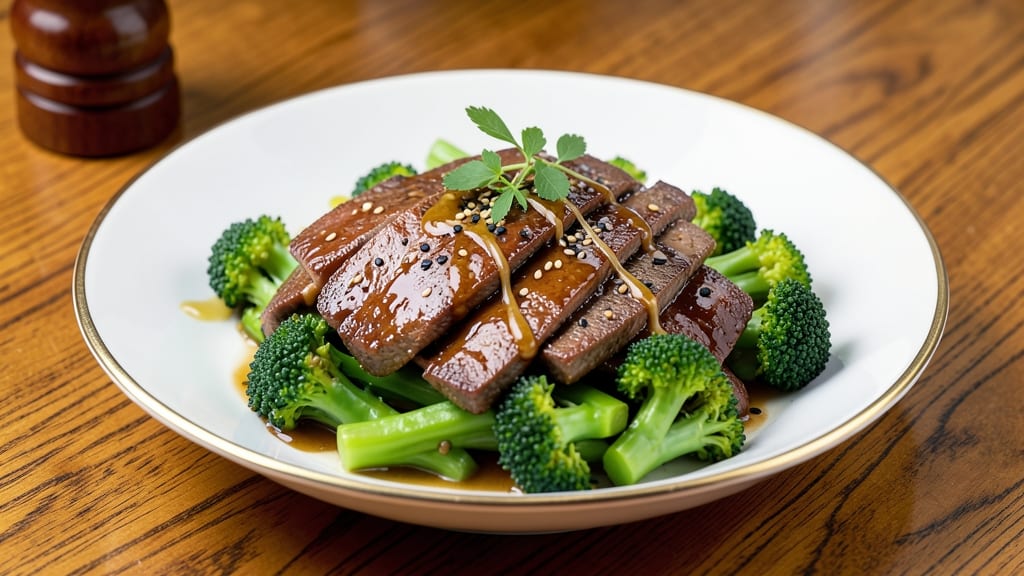
This beef and broccoli recipe velveting transforms tough beef into silky, melt-in-your-mouth bites that absorb every drop of the rich sauce. The velveting technique—a marinade of cornstarch and egg—creates a texture so tender it practically dissolves on your tongue, while the stir-fry preserves crisp broccoli and caramelized edges.
I perfected this method after years of restaurant-style Chinese cooking at home, and the difference between regular stir-fry and this velveted version is night and day.
The secret lies in the marinade: cornstarch and egg work together to form a protective barrier that locks in juices while breaking down tough muscle fibers. You'll cook the beef low and slow in the marinade before a quick sear in the wok, ensuring maximum tenderness without drying out.
Meanwhile, the broccoli gets just enough time to blanch and crisp at the edges, so it stays vibrant and snaps with every bite.
What you end up with is a dish where every forkful delivers perfectly cooked beef coated in a glossy, savory-sweet sauce that clings effortlessly. The sauce—made with oyster sauce, soy, garlic, and ginger—balances umami, saltiness, and aromatic depth, while the velveted beef soaks it up like a sponge.
This isn't just another stir-fry; it's a restaurant-quality meal born from a technique that elevates simple ingredients into something extraordinary.
The best part? This recipe scales beautifully for weeknight dinners or crowd-pleasing gatherings, and leftovers reheat just as well as the first serving. Whether you're a home cook looking to master velveting or a seasoned chef refining your stir-fry repertoire, this method delivers foolproof results.
Let's get started on creating beef so tender it disappears at the first bite.
Ingredients for beef and broccoli recipe velveting
Restaurant-quality velveting begins with these precision ingredients—each playing a critical role in transforming tough beef into melt-in-your-mouth bites.
| Ingredient | Amount | Notes |
|---|---|---|
| Flank Steak 🥩 | 1 ½ lb | Cut against grain for tenderness |
| Cornstarch 🌾 | ½ cup | Fine, for velveting marinade |
| Large Eggs 🥚 | 2 whole | Room temperature for even coating |
| Oyster Sauce 🍲 | ½ cup | High-quality, like Lee Kum Kee |
| Light Soy Sauce 🥢 | ¼ cup | For balance, not dark soy |
| Sesame Oil 🫒 | 1 tbsp | Toasted, for aroma |
| Garlic Cloves 🧄 | 6 cloves | Minced, for depth |
| Fresh Ginger 🌿 | 1 tbsp | Grated, for zing |
| Broccoli Florets 🥦 | 1 ½ lb | Medium stems, cut into bite-size |
| Neutral Oil 🫒 | 3 tbsp | Peanut or vegetable oil |
| Green Onions 🧅 | 4 whole | Sliced, for garnish |
| Sesame Seeds 🌾 | 1 tbsp | Toasted, for crunch |
| Salt 🧂 | 1 tsp | Kosher, for seasoning |
| White Pepper 🌶️ | ¼ tsp | Freshly ground, for finish |
The flank steak is non-negotiable for velveting—its lean yet fibrous texture absorbs marinade perfectly. Look for USDA Choice or Prime at Whole Foods or your local butcher, and ask for it cut against the grain. The cornstarch and eggs form the magic barrier: Argo brand cornstarch works best for its fine texture, while room-temperature eggs coat evenly. Oyster sauce is the umami backbone—Lee Kum Kee is the gold standard, but Kikkoman works in a pinch. Fresh ginger and garlic should be vibrant—no dried substitutes here—and the broccoli needs thick stems to hold its shape during stir-fry.
No oyster sauce? Double the soy sauce plus 1 tsp fish sauce mimics the depth, though texture will differ slightly. Substituting flank steak? Flap meat or sirloin works, but cut against the grain remains critical. For broccoli, baby broccoli florets speed up cooking, while larger stems require 1-2 minutes less in the wok. Sesame oil should be toasted—Kadoya brand is ideal—but regular sesame oil works if labeled 'toasted.' The neutral oil matters less, but high-smoke-point oils like avocado prevent burning during the sear.
Marinate the beef for no more than 30 minutes—longer risks over-velveting. Broccoli stays fresh 3 days in the fridge, but blanching it ahead saves time. Store leftovers in airtight containers for 3 days, or freeze for 3 months—the sauce clings beautifully when reheated gently. Garnish with toasted sesame seeds just before serving to preserve their crunch.
Why You'll Love This Recipe
- Velveting Magic: I’ll be honest—marinating the steak in egg and cornstarch before searing gives it that unreal tender-yet-crispy texture. No tough bites here, just melt-in-your-mouth perfection every time.
- Pantry Powerhouse: Between us, this dish is ridiculously forgiving. Flank steak’s affordable, oyster sauce adds depth without breaking the bank, and you’re looking at a meal that costs less than takeout but tastes like a five-star dinner.
- Weeknight Wonder: Honestly, I make this when I’m too tired to think. Slice the steak, toss it in the marinade, and let the stove do the work while I chop broccoli in 30 seconds flat. Done. No stress.
- Leftovers That Win: Here’s what sold me—this beef stays just as good reheated the next day. Pack it for lunch or freeze portions; the velveting keeps it juicy, and the sauce clings like it was made fresh. My lunchbox’s new best friend.
Step-by-step instructions for beef and broccoli with velveting technique
Master this velveting method for beef that stays impossibly tender while developing a glossy, clinging sauce.
👨🍳 Step 1: Prepare the Velveting Marinade
In a mixing bowl, whisk together the 0.5 cup cornstarch with the 2 whole large eggs until smooth and fully combined. The mixture should be thick like a batter but still pourable. This cornstarch slurry is what creates that signature silky texture through chemical transformation during cooking.
Add the 0.5 cup oyster sauce, 0.25 cup light soy sauce, and 1 tbsp sesame oil to the egg mixture. Stir vigorously for 2 minutes until completely homogeneous. The marinade should coat the back of a spoon with a glossy sheen. This blend of ingredients provides both the structural proteins for velveting and the umami depth that defines this dish.
🍳 Step 2: Velvet the Flank Steak
Slice the 1.5 lb flank steak against the grain into ¼-inch thick strips. Working quickly, add the steak strips to the marinade and toss gently to coat evenly. Let the steak marinate for 15-20 minutes at room temperature - no longer, or the cornstarch will begin to break down prematurely.
Heat 1 tbsp neutral oil in a non-stick skillet over medium-low heat. Add the marinated steak in a single layer, being careful not to overcrowd. Cook for 2-3 minutes per side until the exterior develops a matte golden finish and the steak reaches 145°F internally. The cornstarch will create a translucent coating that prevents overcooking while locking in moisture.
🥘 Step 3: Build the Sauce Base
Remove the cooked steak and set aside. In the same skillet, add 1 tbsp neutral oil and heat over medium-high heat. Add the 6 cloves minced garlic and 1 tbsp grated fresh ginger and stir constantly for 30 seconds until fragrant. Be careful not to burn them - they should sizzle gently rather than darken.
Add the 1.5 lb broccoli florets and cook for 3-4 minutes until they begin to blister at the edges but remain slightly crisp. The broccoli should retain its vibrant green color. Remove the broccoli to a plate and set aside, leaving the aromatic oils in the pan.
🍳 Step 4: Finish the Sauce
Return the cooked steak to the skillet along with any accumulated juices. Add 1 tbsp sesame oil and stir to combine. Pour in ¼ cup water and scrape up any browned bits from the bottom of the pan. These bits contain concentrated flavor that will form the sauce's foundation.
Bring the mixture to a gentle simmer and cook for 1-2 minutes until the sauce begins to thicken slightly. The cornstarch from the velveting process will help create a glossy, clinging consistency. Taste and adjust seasoning with 1 tsp salt and 0.25 tsp white pepper as needed. The sauce should be savory with a hint of sweetness from the oyster sauce.
🍽️ Step 5: Assemble and Garnish
Return the broccoli to the skillet and toss gently to coat in the sauce. Cook for an additional 1 minute to wilt the broccoli slightly and incorporate its flavors into the sauce. The final dish should have a balance of tender beef, crisp-tender broccoli, and glossy sauce.
Transfer the beef and broccoli to serving plates. Garnish with 4 whole sliced green onions and 1 tbsp toasted sesame seeds. The green onions add freshness while the sesame seeds provide a nutty crunch that contrasts beautifully with the silky sauce. Serve immediately while the sauce remains vibrant and clings perfectly to each bite.
Pro Tips For Making Beef And Broccoli Recipe Velveting
- VELVET THE STEAK FIRST: I used to skip velveting and just sear the steak—big mistake. Whisk together 1 tablespoon cornstarch, 1 beaten egg, 1 tablespoon soy sauce, and a splash of water. Coat the sliced flank steak and let it sit for 10 minutes. When you fry it in the wok, it’ll release juices that self-baste the meat into tender perfection.
- SLICE AGAINST THE GRAIN: Flank steak’s tough fibers run lengthwise, so cut thin slices perpendicular to the grain. If you’re lazy and slice with the grain, you’ll end up with chewy bites. A sharp knife and steady hand make all the difference—no need for fancy tools, just patience.
- DON’T OVERCROWD THE WOK: I learned this the hard way—dumping all the velveted steak in at once steams it instead of searing. Work in batches of 3-4 slices, letting each get a deep golden crust before adding more. The wok’s heat should sizzle, not simmer.
- SAVE TIME WITH FROZEN BROCCOLI: Sounds weird, but it works: Use frozen broccoli florets instead of fresh. They’re pre-cut, thaw quickly in boiling water for 2 minutes, and won’t turn mushy. Fresh broccoli needs 3-4 minutes to stay crisp—no one has time for that.
Flavor customization for these flavors
Sweet-Savory Balance
Adjust the sauce's sweetness by swapping oyster sauce ratios. For more sweetness, add 1 tbsp honey or brown sugar to the sauce base—this works especially well with Lee Kum Kee oyster sauce.
For a tangier profile, replace ¼ cup soy sauce with 2 tbsp rice vinegar and 1 tbsp hoisin sauce to brighten the flavors. I find this version pairs beautifully with a sprinkle of crushed red pepper flakes for heat. 🌶️
Umami Boost Variations
Deepening the umami is key for restaurant-style flavor. Add 1 tbsp fish sauce to the velveting marinade for a richer depth, or stir 1 tsp mushroom powder into the sauce for an earthy note.
For a vegetarian-friendly twist, replace oyster sauce with ½ cup coconut aminos and 1 tbsp miso paste—it delivers a similar savory punch. The beef remains the star, but these tweaks elevate the sauce to new heights.
Spicy Heat Levels
Control the heat with precision. For mild heat, add ½ tsp gochujang to the sauce base. For medium heat, increase to 1 tsp and add ½ tsp minced chili oil at the end.
For fiery flavor, toss in 1 tbsp chopped Thai bird's eye chilies with the broccoli during stir-fry. Always taste as you go—adjust gradually to avoid overwhelming the dish. 🔥
Herb Infusions
Fresh herbs brighten the dish without altering its core flavors. Stir 1 tbsp chopped cilantro or Thai basil into the sauce for a citrusy lift. For a more aromatic profile, add 1 tsp finely chopped lemongrass to the marinade.
I love finishing with 1 tbsp chopped mint for a refreshing contrast, especially when serving with jasmine rice. The herbs should complement, not overpower, the beef and broccoli.
Texture Contrasts
Enhance the dish's texture by adding crunch or creaminess. For crunch, top with ½ cup crushed peanuts or toasted cashews before serving. For creaminess, stir 1 tbsp coconut milk into the sauce for a velvety finish.
I also like adding ¼ cup shredded mozzarella to the broccoli during the final minute of cooking—it melts slightly, creating a delicious contrast. 💫
Regional Twists
Transform this dish into a fusion creation. For a Korean-inspired version, replace the oyster sauce with ½ cup gochujang and add 1 tbsp sesame paste to the marinade. For a Japanese take, use ½ cup tonkatsu sauce and garnish with pickled ginger.
These adaptations keep the velveting technique intact while introducing bold regional flavors. Each twist maintains the dish's signature tenderness while offering a fresh cultural perspective.
Nutrition facts
Frequently asked questions
Why does velveting make the beef so tender?
The velveting technique uses cornstarch and egg to create a protective barrier that breaks down tough muscle fibers through gentle cooking. When the beef cooks in this marinade at medium-low heat, the proteins transform into a silky texture while locking in moisture. This method prevents overcooking that would normally make beef tough. The result is beef that practically melts in your mouth!
Can I velvet other cuts of beef besides flank steak?
Yes, but choose cuts with good marbling and fiber structure. Flap meat and sirloin work well, but always slice against the grain for maximum tenderness. Avoid overly lean cuts like eye of round—they won't velvet as nicely. For best results, stick with 1/4-inch thick slices and marinate for no more than 20 minutes.
What if my sauce turns out too thin?
Simmer the sauce uncovered for an extra 1-2 minutes to thicken naturally. If it's still too thin, mix 1 tsp cornstarch with 1 tbsp water, stir into the sauce, and cook for 30 seconds until glossy. Never use flour—it can make the sauce cloudy. The cornstarch from velveting should already help create that perfect clinging consistency!
Can I make beef and broccoli ahead of time?
Cook the beef and broccoli separately, then refrigerate in airtight containers for up to 3 days. When ready to serve, reheat the beef and broccoli separately in a skillet with a splash of water, then combine with the sauce. For freezing, package components separately for 3 months—the sauce reheats best when added fresh to prevent separation.
What's the best way to reheat leftovers?
Reheat gently in a skillet over medium-low heat with 1 tbsp oil and 2 tbsp water to restore moisture. Avoid microwaving—the sauce can become watery. For best results, add a splash of oyster sauce or soy sauce while reheating to revive the flavors. The velveted beef reheats beautifully this way!