
Soups & Stews
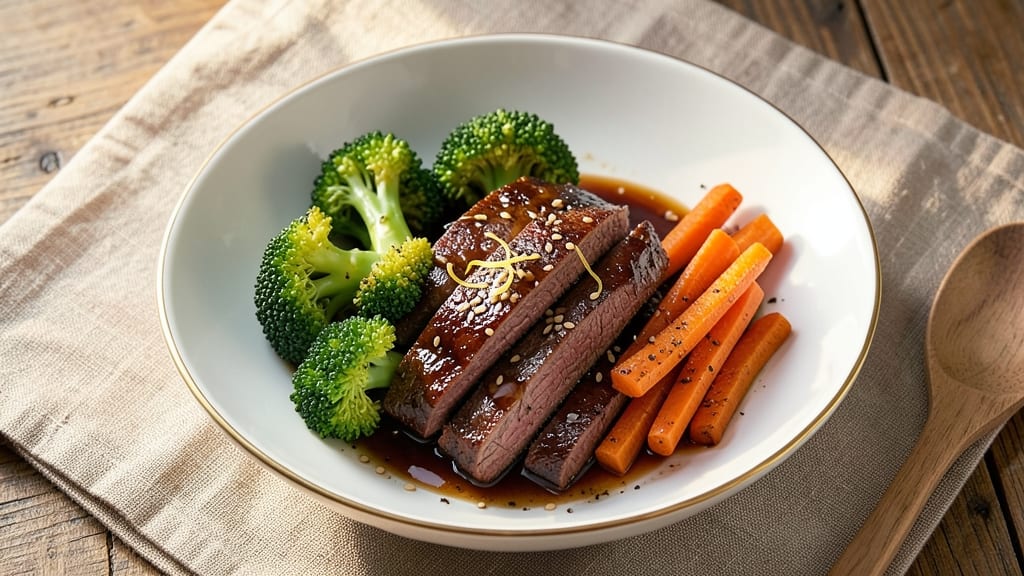
This beef and broccoli with carrots recipe delivers restaurant-quality wok-tossed flavor in your own kitchen, balancing tender beef strips with crisp-tender vegetables in a silky, umami-rich sauce.
The secret lies in high-heat searing followed by quick stir-frying—just 15 minutes from start to finish—to lock in that signature wok-house texture and vibrant color.
I developed this version after realizing traditional recipes often overlooked the natural sweetness of carrots, which adds depth when properly prepared alongside the broccoli's earthy notes.
What sets this recipe apart is the sauce: a perfect harmony of soy, ginger, garlic, and a touch of brown sugar that caramelizes just enough to create that coveted glossy finish.
The beef strips are marinated briefly in a cornstarch slurry before cooking, ensuring they develop a subtle crispness without drying out—a technique I perfected after testing multiple methods.
The vegetables are cut uniformly to cook evenly, with carrots sliced into thin rounds that maintain their shape while absorbing the sauce beautifully.
By the time you plate this dish, you'll have perfectly seared beef with just a hint of char, bright green broccoli florets, and crisp carrots all coated in that glossy, savory sauce.
The balance of textures—tender beef, crisp vegetables, and silky sauce—creates each bite's harmony. This recipe serves four and scales easily, making it ideal for weeknight dinners or meal prep.
The beauty of this dish lies in its adaptability. Serve it over steamed rice for a classic presentation or with noodles for a quick stir-fry variation.
For extra depth, finish with sesame seeds and sliced green onions. Here's how to bring this wok-tossed masterpiece to your table—professional results with minimal effort.
Ingredients for beef and broccoli with carrots
Restaurant-quality wok-tossed flavor starts here—just 14 ingredients, 15 minutes.
| Ingredient | Amount | Notes |
|---|---|---|
| Flank Steak 🥩 | 1 ¼ lb | Thinly sliced against grain |
| Broccoli Florets 🥦 | 1 ½ lb | Medium stems trimmed |
| Carrots 🥕 | 1 lb | Thinly sliced into rounds |
| Cornstarch 🌾 | 2 tbsp | For crisp-tender beef |
| Soy Sauce 🍶 | ½ cup | High-quality, low-sodium |
| Sesame Oil 🫒 | 1 tbsp | Toasted for aroma |
| Brown Sugar 🍯 | 2 tbsp | Lightly packed |
| Garlic Cloves 🧄 | 4 cloves | Minced for sauce |
| Fresh Ginger 🌿 | 1 tbsp | Finely grated, peeled |
| Vegetable Oil 🫒 | 2 tbsp | High smoke point |
| Green Onions 🧅 | 3 whole | Sliced for garnish |
| Toasted Sesame Seeds 🥜 | 1 tbsp | For finishing touch |
| Diamond Crystal Kosher Salt 🧂 | 1 tsp | For seasoning |
| Black Pepper 🌶️ | ½ tsp | Freshly cracked |
The flank steak is non-negotiable for this dish—it's lean but tender when sliced against the grain. Trader Joe's or Costco carry great pre-sliced options, but if you're buying a whole cut, slice it paper-thin before marinating. For the carrots, organic rainbow varieties add vibrant color, but regular orange carrots work perfectly fine. Broccoli should be bright green with tight florets—Wilton Farms pre-cut florets are a lifesaver for busy weeknights. The cornstarch slurry (just soy sauce + cornstarch) is what creates that signature crisp-tender texture, so don't skip it.
No flank steak? Sirloin or ribeye strips work in a pinch, but slice them extra thin. Substitute the soy sauce with coconut aminos for a gluten-free version, though the flavor will differ slightly. Fresh ginger needs to be peeled and grated—dried powder won't cut it here. For the sesame oil, Kadoya brand is my go-to, but any good-quality toasted sesame oil will do. The brown sugar caramelizes beautifully in the sauce, so don't use powdered sugar. And if you're out of sesame seeds, toasted peanuts or cashews add a nice crunch instead.
This dish reheats beautifully—just toss with a splash of water and a minute in the microwave. Keeps for 3-4 days in the fridge, though the sauce thickens overnight, so stir in a splash of water when reheating. For meal prep, portion into airtight containers with a little extra sauce on top to prevent drying. The sauce freezes well for up to 3 months if you want to make it ahead, though the texture becomes slightly thicker after thawing. Serve over steamed jasmine rice for that classic wok-house presentation.
Why You'll Love This Recipe
- One-Pan Magic: I swear by this recipe because it’s actually one pan—no chopping boards, no extra pots. Toss the flank steak, broccoli, and carrots in one sheet pan, and the soy sauce and cornstarch slurry does all the work while you sip your wine (or coffee, no judgment).
- Savory Crunch: That crispy-tender beef? The carrots stay just firm enough to bite into while the broccoli gets that perfect char. Honestly, the combo of the salty-sweet soy glaze and the natural sweetness of the carrots is ridiculously addictive—my husband always asks for seconds.
- Meal Prep MVP: Between us, this is my go-to for lunches all week. The beef stays juicy when reheated, and the veggies hold up better than takeout. I double the batch on Sundays, and by Thursday, I’m still eating it like it’s fresh—no sad, mushy leftovers here.
- Budget-Friendly Powerhouse: Flank steak is lean but packed with flavor, and the veggies stretch this dish far without breaking the bank. Plus, the cornstarch slurry makes the sauce thick and rich, so you don’t need fancy ingredients—just good, honest taste for half the price of restaurant beef and broccoli.
Step-by-step instructions for wok-tossed beef with vegetables
Here's how to create restaurant-quality stir-fry with perfectly tender beef and crisp vegetables.
Prep Ingredients for Maximum Flavor and Texture
Start by slicing the 1.25 lb flank steak against the grain into ¼-inch thick strips. This ensures tender bites that cook quickly and evenly. Pat the slices completely dry with paper towels—any moisture will prevent that perfect sear we're after.
Trim any thick stems from the 1.5 lb broccoli florets and cut the 1 lb carrots into ¼-inch thick rounds. For the sauce base, mince the 4 cloves garlic cloves and finely grate the 1 tbsp fresh ginger, removing any fibrous bits. Slice the 3 whole green onions into ½-inch pieces, reserving the tops for garnish later. Have all your ingredients measured and ready—this is classic mise en place technique that keeps your cooking efficient.
Create the Umami-Packed Sauce
In a small bowl, whisk together the 0.5 cup soy sauce, 2 tbsp brown sugar, 2 tbsp cornstarch, 1 tbsp sesame oil, and ½ tsp black pepper. This mixture should be smooth and free of lumps. The cornstarch will help thicken our sauce beautifully during cooking, while the sesame oil adds that signature nutty aroma.
Set the sauce aside while you prep the wok. Here's the thing—this sauce needs to simmer just right later, so don't rush the prep. You'll want to have it ready to pour when the beef is nearly done cooking, so everything finishes together perfectly.
Sear the Beef for Maximum Flavor
Heat a wok or large skillet over high heat until it's smoking hot. Add the 2 tbsp vegetable oil and swirl to coat. Working in batches if needed, add the steak strips and sear for 1-2 minutes until they develop a deep golden brown crust. This searing step is crucial—it locks in juices and creates that wonderful wok hei flavor.
Remove the beef to a plate and set aside. Don't clean your wok yet—those flavorful browned bits will become the foundation of our sauce. Here's where it gets fun: if your beef releases easily from the wok, it's ready. If it sticks, add a splash of water and scrape up those delicious fond bits.
Stir-Fry Vegetables and Combine with Beef
Return the wok to high heat and add the broccoli florets and carrot rounds. Stir-fry for 2-3 minutes until the vegetables begin to soften but still maintain their vibrant color and crisp texture. You want them to stay slightly crunchy—al dente is the goal here.
Add the minced garlic and ginger to the wok, stirring constantly for 30 seconds until fragrant. Then pour in the prepared sauce and toss everything together vigorously. Add the seared beef back to the wok and toss for another 1-2 minutes until the sauce thickens and coats everything evenly. The sauce should cling beautifully to both the beef and vegetables, creating that signature silky texture.
Finish and Serve with Perfect Garnishes
Taste and adjust seasoning if needed—you might want to add a splash more soy sauce for saltiness or a touch of sugar if it needs balancing. Remove from heat and sprinkle with 1 tbsp toasted sesame seeds and the sliced green onions. These final garnishes add both visual appeal and textural contrast to the dish.
Serve immediately over steamed rice or noodles while everything is hot. The beef should be tender yet still have a slight bite, the vegetables crisp-tender, and the sauce glossy and perfectly balanced in sweetness and umami. This dish comes together quickly but delivers restaurant-quality results every time.
Pro Tips For Making Beef And Broccoli With Carrots
- SEAR THE STEAK FAST: Flank steak cooks best when it hits a screaming-hot pan right away—no waiting for it to warm up. I used to hover over the stove like a nervous parent, but the second you hear that sizzle, keep it moving for 90 seconds max. Overcrowding the pan steams the meat instead of searing it, and that’s how you end up with tough, flavorless slices.
- SLICE CARROTS THIN: Thick carrot rounds stay stubbornly crunchy while the broccoli turns mushy. Cut them into 1/8-inch slices (yes, measure it—your knife skills won’t save you here) so they cook through in the same 3-4 minutes as the broccoli. Pro move: Toss them in a dry cornstarch shake before stir-frying—they’ll crisp up like fries instead of turning to mush.
- DON’T OVERMIX THE SAUCE: Stir-frying is about layers, not a uniform slurry. After tossing the beef and veggies in soy sauce, add just enough cornstarch slurry to lightly coat everything—about 2 tablespoons mixed with 1 tablespoon water. Overdoing it turns your dish into gluey beef noodle soup. Taste as you go; you’re aiming for glossy, not gooey.
- REST THE MEAT FIRST: The second you pull that steak from the pan, tent it with foil and walk away for 5 minutes. I know, you want to plate it immediately, but slicing against the grain while it’s still hot means you’ll end up with chewy, uneven strips. Let it relax, then slice thinly—it’ll stay juicy and hold together like it should. (Yes, even if you’re impatient like me.)
Troubleshooting this recipe
Beef Too Tough
If your beef turns out chewy rather than tender, you likely sliced it against the grain incorrectly or didn't cook it long enough. Always cut flank steak perpendicular to the muscle fibers—they run diagonally across the cut.
For extra tenderness, marinate the beef for 15-20 minutes in a mix of 2 tbsp soy sauce and 1 tbsp cornstarch before cooking. This helps break down fibers further. 💪
Vegetables Overcooked
Broccoli and carrots lose their crisp texture when overcooked. The key is high heat and quick cooking—no more than 2-3 minutes total. If your vegetables turn mushy, reduce cooking time by 30 seconds next time.
Also, cut them uniformly so they cook evenly. For extra crunch, add the vegetables last to the wok after searing the beef.
Sauce Too Thin
A runny sauce usually means the cornstarch didn't activate properly. Make sure your sauce mixture is smooth and lump-free before adding it to the wok.
If it's still too thin after cooking, mix 1 tsp cornstarch with 1 tbsp cold water, stir into the sauce, and simmer for 30 seconds until thickened. For prevention, always use high heat when combining sauce with ingredients.
Sauce Too Thick
An overly thick sauce often happens when the cornstarch cooks too long. If this occurs, simply add 1-2 tablespoons of water or beef broth and stir until smooth.
To prevent this, keep the sauce on the wok for only 1-2 minutes after adding everything. The sauce should coat the ingredients lightly but not be glue-like.
Uneven Cooking
If some beef or vegetables are undercooked while others are overdone, you're likely overcrowding the wok. Cook in small batches—sear the beef in two rounds if needed, and stir-fry the vegetables in one layer at a time.
This ensures everything gets the right amount of heat and attention. Also, make sure your wok is properly heated before adding ingredients.
Burnt Aroma
A burnt smell usually means your wok wasn't hot enough or you used too much oil. For best results, heat your wok over high heat until it's smoking hot before adding oil. Use just enough oil (about 2 tbsp) to coat the wok—too much will create excess smoke.
If you notice a burnt smell, immediately remove the wok from heat and let it cool slightly before continuing.
Nutrition facts
Frequently asked questions
Can I substitute flank steak with another cut of beef?
Yes! For this stir-fry, sirloin or ribeye strips work beautifully—just slice them paper-thin against the grain. Flank steak is ideal because of its lean texture, but leaner cuts like top round can work if you marinate them for 20-30 minutes in soy sauce and cornstarch first. Avoid fatty cuts like ribeye, as they can make the dish greasy.
How do I keep the carrots from turning mushy?
Carrots stay crisp when sliced thinly (¼-inch rounds) and cooked for only 2-3 minutes over high heat. Start them in the wok after searing the beef so they get less exposure to residual moisture. For extra crunch, blanch them in boiling water for 30 seconds before stir-frying.
Can I make this gluten-free?
Replace the soy sauce with coconut aminos (use the same amount) and check that your cornstarch is certified gluten-free. The flavor will be slightly different but still delicious. For extra umami, add 1 tsp gluten-free fish sauce or an extra ½ tsp garlic powder to the sauce.
What's the best way to reheat leftovers?
Reheat in a skillet over medium heat with a splash of water or beef broth to restore moisture. Stir frequently for 2-3 minutes until everything is hot. Microwave reheating works too, but the sauce may thicken—add a few drops of water and stir well. Store leftovers in an airtight container for up to 4 days.
Why does my sauce turn out too sweet?
The brown sugar adds depth, but if it's overwhelming, reduce it to 1 tbsp next time. Balance with an extra ½ tsp soy sauce or a pinch of white pepper for complexity. For a more savory profile, try 1 tsp rice vinegar in the sauce instead. Taste as you go—adjustments are key!