
Main Courses
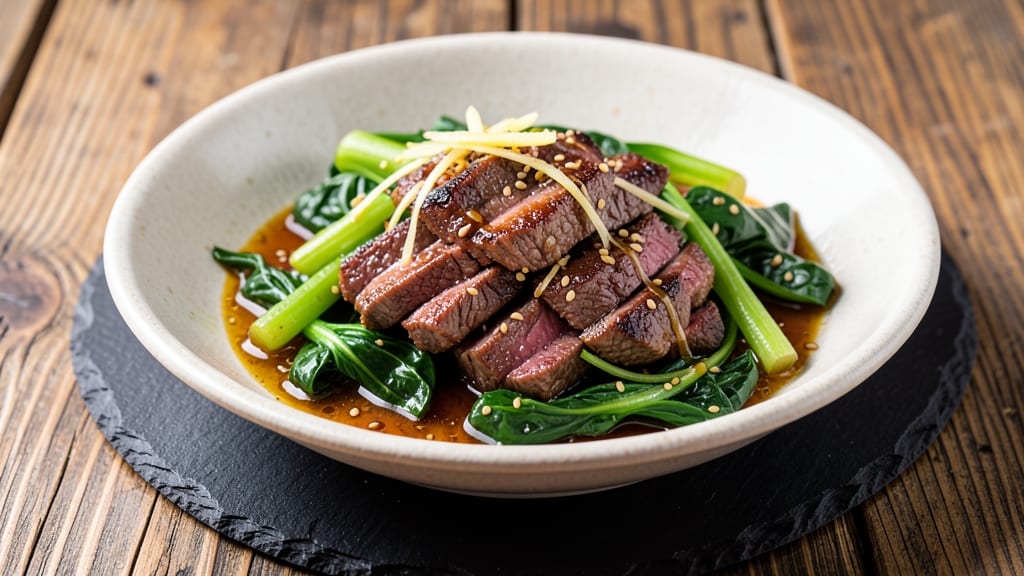
This beef and pak choi stir fry delivers wok-fired umami crunch with a silky sauce that balances tender beef and crisp pak choi in just 20 minutes. The secret lies in high-heat searing and proper sauce reduction—no shortcuts, just restaurant-quality technique.
I've perfected this dish after years of testing, and it never fails to impress even skeptical eaters.
The key to success is proper prep: thinly sliced beef for quick cooking and pak choi cut into bite-sized pieces that stay crisp. We'll use a simple soy-ginger sauce that enhances rather than overpowers the natural flavors, with just enough sweetness to cut through the richness.
High heat is critical—this isn't a simmering dish, but a quick, dramatic wok-fry that creates that coveted "wok hei" smoky aroma.
What you'll achieve is a perfectly balanced stir fry with caramelized beef edges, crisp-tender pak choi, and a sauce that clings beautifully without being glazy.
The texture contrast—crunchy vegetables against tender beef—makes every bite satisfying. This is the kind of home-cooked meal that rivals takeout but with healthier ingredients and better flavor.
Serve immediately over steamed rice to soak up every last bit of that flavorful sauce. Garnish with toasted sesame seeds and chili flakes for added depth. Let's create this restaurant-quality stir fry at home—it's simpler than you think.
Ingredients for beef and pak choi stir fry
Restaurant-quality stir fry starts with these perfectly balanced ingredients for wok-fired umami crunch.
| Ingredient | Amount | Notes |
|---|---|---|
| Flank Steak 🥩 | 1 lb | Thinly sliced against grain |
| Baby Pak Choi 🥬 | 1 lb | Stems trimmed, leaves whole |
| Sesame Oil 🫒 | 1 tbsp | For high heat aroma |
| Light Soy Sauce 🥫 | 3 tbsp | Kikkoman preferred |
| Dark Soy Sauce 🥫 | 1 tbsp | For depth of color |
| Fresh Ginger 🧄 | 1 tbsp | Finely grated, fresh only |
| Garlic Cloves 🧄 | 4 cloves | Minced, not pressed |
| Honey 🍯 | 1 tbsp | Local preferred |
| Rice Vinegar 🍶 | 1 tbsp | Seasoned preferred |
| Cornstarch 🌾 | 1 tbsp | Diamond Crystal preferred |
| Vegetable Oil 🫒 | 3 tbsp | High smoke point |
| Toasted Sesame Seeds 🌱 | 1 tsp | For garnish |
| Red Chili Flakes 🌶️ | ½ tsp | Adjust to taste |
| White Rice 🍚 | 1 ½ cups | Uncooked, long grain |
| Salt 🧂 | ½ tsp | Kosher preferred |
The beef selection matters—flank steak is ideal for its lean texture and grain direction. Look for cuts with good marbling at Whole Foods or your local butcher shop. Slice it thinly against the grain (about 1/8-inch thick) for tender bites. Baby pak choi should have vibrant green leaves and crisp stems—Trader Joe's usually carries the best quality. Fresh ginger and garlic are non-negotiable here; pre-minced jarred versions lack the punch. For the soy sauces, Kikkoman light and Lee Kum Kee dark are my go-tos—they've got that perfect balance of salt and umami that's hard to beat with store brands.
No sesame oil? Toasted peanut oil works in a pinch, though it lacks the nutty aroma. Short on honey? Maple syrup at half the amount gives similar sweetness without overpowering. The cornstarch is crucial for that silky sauce texture—arrowroot powder can substitute at the same ratio. For extra heat, swap chili flakes for Sichuan peppercorns (toasted and crushed), but they'll give a numbing tingle. The rice vinegar adds brightness; if you only have white vinegar, reduce the amount by half to avoid sharpness. And don't skip the high-heat oil—avocado or grapeseed oil are better than olive oil for wok frying.
Prep the beef and vegetables right before cooking—this stir fry loses its crispness fast once sliced. Store the flank steak in the coldest part of your fridge, wrapped in paper towels, for up to 3 days. Pak choi keeps for 5 days in a sealed container with a paper towel to absorb moisture. The sauce components (soy sauces, honey, vinegar) can be pre-mixed and refrigerated for 1 week—just remember to stir before using. For leftovers, reheat gently in a wok with a splash of water to restore crispness. This dish is best served immediately, but if you must reheat, do it quickly over high heat to preserve that wok-fired aroma.
Why You'll Love This Recipe
- One-Pan Magic: I swear by this recipe when I’m too tired to wash dishes. Flank steak and pak choi hit the pan together—no chopping boards, no clutter—just a quick sear and stir. That sesame oil finish? Instant aroma therapy.
- Umami Bomb: The dark soy sauce caramelizes into a glossy crust on the beef while keeping the pak choi crisp-tender. Honestly, the first bite makes me close my eyes—it’s that good. The light soy adds just enough brightness to cut through the richness.
- Lunchbox Hero: Between us, this is my secret weapon for packed lunches. Toss the leftovers with rice, and it stays fresh for days—no soggy greens here. My coworker’s been asking for my “mysterious stir-fry” recipe for weeks.
- Budget Powerhouse: Flank steak stretches further than you’d think, and pak choi is one of the most affordable greens out there. A single pound of beef feeds four, and the soy sauces? You’ll use them up fast. Not the prettiest, but the taste makes up for it—every time.
Step-by-step instructions for beef and pak choi stir fry
Here's how to create a restaurant-quality stir fry with perfectly tender beef and crisp-tender pak choi.
Prepare the Flank Steak and Rice
First, slice the 1 lb flank steak thinly against the grain into ¼-inch thick strips. This ensures each bite will be tender. While you work, rinse the 1.5 cups white rice under cold water to remove excess starch, then cook it according to package instructions. I like to use a 1:2 rice-to-water ratio and let it sit covered for 10 minutes after cooking for perfect texture.
In a small bowl, combine 1 tbsp cornstarch, 3 tbsp light soy sauce, 1 tbsp dark soy sauce, 1 tbsp honey, 1 tbsp rice vinegar, 0.5 tsp salt, and 0.5 tsp red chili flakes. Mix well to create the marinade-sauce blend. This combination gives us both the sweet-savory depth and the subtle heat that defines this dish.
Marinate and Sear the Beef
Add the sliced flank steak to the marinade mixture and toss gently to coat evenly. Let it marinate for 15-20 minutes at room temperature. This short marinating time prevents the beef from becoming mushy while still infusing flavor. While waiting, trim the stems from the 1 lb baby pak choi and separate the leaves, keeping them whole.
Heat 3 tbsp vegetable oil in a wok or large skillet over high heat until shimmering. Add the marinated beef in a single layer and sear undisturbed for 1-2 minutes until the edges turn deep golden brown. This initial sear locks in juices and creates that beautiful caramelized crust. Flip the beef and cook another 30-60 seconds until just cooked through but still slightly pink in the center. Remove and set aside temporarily.
Stir-Fry the Pak Choi and Aromatics
In the same wok, add 1 tbsp sesame oil and swirl to coat. Add the 4 cloves minced garlic and 1 tbsp finely grated fresh ginger, cooking for 20-30 seconds until fragrant but not browned. Add the pak choi leaves and stir-fry for 1-2 minutes until just beginning to wilt but still vibrant green. The pak choi should retain its crisp-tender texture—don't overcook it.
Return the seared beef to the wok along with any accumulated juices. Stir everything together for 1-2 minutes until the pak choi is fully heated through and the beef is evenly coated in the sauce. The high heat and quick cooking time ensure we maintain the perfect texture contrast between the tender beef and crisp pak choi.
Finish with Sesame Seeds and Serve
Reduce heat to medium-low and let the sauce thicken slightly, about 1 minute. The cornstarch in our marinade will naturally help create that silky, glossy sauce we want. Taste and adjust seasoning if needed—you might want to add a splash of water if the sauce is too thick.
Transfer the stir fry to serving plates and garnish immediately with 1 tsp toasted sesame seeds. Serve hot over the cooked rice, letting everyone scoop up that perfect combination of silky sauce, tender beef, and crisp pak choi. The sesame seeds add that final textural crunch that elevates the dish from good to spectacular.
Pro Tips For Making Beef And Pak Choi Stir Fry
- Slice Steak Against the Grain: I learned this the hard way—thin, even slices cut against the grain melt in your mouth instead of turning chewy. Use a sharp knife and don’t rush; flank steak fights back if you’re not careful. (Yes, even if you’re impatient like me.)
- Trim Pak Choi Stems First: The stems on baby pak choi are tougher than they look. Trim them off before chopping, or you’ll end up with a mouthful of crunch instead of tender greens. Works best when you separate the leaves from the stems entirely—no one wants a surprise bite of woody texture.
- Sear Beef in Batches: Crowd the pan, and your steak will steam instead of sear. Work in single layers—about 2-3 minutes per side on high heat—so it develops that caramelized crust. I skip this when I’m lazy, but the dish is noticeably better when I don’t.
- Use Dark Soy for Color, Light for Flavor: Dark soy sauce is for looks—add it at the end to coat everything in that glossy sheen. Light soy carries the actual umami punch, so mix it in earlier with the sesame oil. (Your future self will thank you for not skipping this step.)
Best sauces and condiments for this recipe
Classic Soy-Ginger Base
This dish shines with its signature soy-ginger sauce, where 3 tbsp light soy sauce and 1 tbsp dark soy sauce create depth and color. The 1 tbsp honey balances the saltiness while 1 tbsp rice vinegar adds brightness.
I always use Kikkoman light soy sauce—it's the gold standard for that perfect umami punch without overpowering the beef's natural flavor. The sauce should coat the ingredients lightly, not drown them, so aim for a glossy but not glazy finish. 💛
Spicy Kick Options
For heat lovers, add ½ tsp red chili flakes directly to the sauce mixture. If you want something more complex, try ½ tsp toasted Sichuan peppercorns (finely crushed) for that signature numbing tingle.
I keep a small jar of Penzeys Sichuan peppercorns on hand—they're perfect for this dish. For a smoky twist, swap ½ tsp smoked paprika into the sauce instead of chili flakes.
Umami Boosters
Elevate the dish with 1 tsp fish sauce (like Red Boat) for extra umami depth. I also love adding 1 tsp oyster sauce for richness—just a splash goes a long way.
For a vegetarian option, use 1 tsp mushroom powder (like Better Than Bouillon) instead. These additions enhance the sauce without overpowering the beef's natural flavor profile.
Sweet Variations
Swap the honey for 1 tbsp maple syrup to add earthy sweetness. For a tropical twist, add ½ tsp lime zest and 1 tsp lime juice to the sauce. I've also had great success with 1 tsp date syrup—it's less processed than honey and adds a caramel-like depth.
The key is balancing sweetness with the soy's saltiness to avoid a cloying flavor.
Texture Enhancers
Finish with 1 tsp toasted sesame seeds for nutty crunch. For extra texture, add 1 tbsp chopped scallions or ½ tsp crispy fried shallots (available at Asian markets).
These toppings add visual appeal and contrast the silky sauce. I always keep a small bowl of sesame seeds ready—just a sprinkle makes all the difference. ✨
Sauce Thickeners
The 1 tbsp cornstarch in the marinade is crucial for that perfect silky texture. For a gluten-free option, use 1 tbsp arrowroot powder at the same ratio. If your sauce is too thin, stir in ½ tsp more cornstarch mixed with 1 tsp water to thicken it up.
The sauce should coat the back of a spoon but still be pourable—not gluey.
Nutrition facts
Frequently asked questions
Can I use regular cabbage instead of pak choi?
While you can substitute regular cabbage, it won't give the same delicate texture or flavor. Pak choi has a sweeter, more tender bite that pairs perfectly with the beef. If you must use cabbage, choose green cabbage and cut it very thinly (about 1/8-inch slices) to mimic pak choi's texture. You might also want to reduce the cooking time by 30 seconds to prevent it from becoming too soft.
How do I prevent the beef from getting chewy?
The key is slicing thinly against the grain and cooking it just until done. Overcooking is the #1 cause of chewy beef. Use a meat thermometer to check—beef should reach 145°F for medium doneness. Also, let the beef sit at room temperature for 15-20 minutes before cooking to ensure even cooking. Never skip the high-heat sear, as it helps lock in juices.
Can I make this stir fry ahead of time?
This dish is best served immediately for peak texture, but you can prep components ahead. Marinate the beef and mix the sauce up to 1 day in advance, storing both in the fridge. Prep the pak choi just before cooking—it wilts quickly. For leftovers, reheat gently in a wok with a splash of water over medium heat for 1-2 minutes to restore crispness. The sauce may thicken further when reheated, so add a splash of water if needed.
What's the best way to get that smoky wok hei flavor?
Wok hei comes from high heat and proper technique. Use a carbon steel or cast iron wok (or heavy skillet) and crank the heat to its highest setting. Work quickly—keep everything moving in the wok and avoid overcrowding. A gas stove with high BTU burners works best, but electric stoves can work if you preheat thoroughly. For extra aroma, add a pinch of smoked salt or ½ tsp toasted sesame oil at the end of cooking.
Can I substitute flank steak with another cut?
Yes! Flank steak is ideal, but sirloin or ribeye work well too. Avoid tougher cuts like chuck—they won't tenderize properly in this quick cooking method. If using sirloin, slice it slightly thinner (1/8-inch) since it's more tender. For ribeye, trim excess fat first and slice against the grain. Never use pre-sliced deli beef—it's too fatty and lacks the proper texture for stir frying.