
Soups & Stews
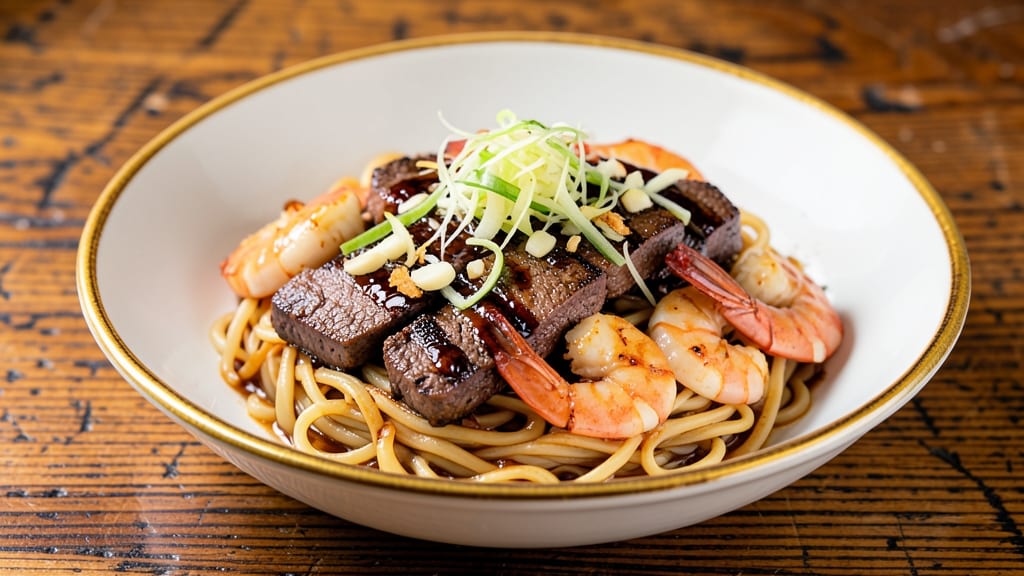
This beef and shrimp yakamein recipe delivers the perfect balance of rich umami, tender proteins, and silky noodles in every bite. The secret lies in a wok-tossed technique that creates a fragrant, savory sauce infused with garlic, ginger, and soy—transforming simple ingredients into a restaurant-worthy dish.
I've refined this recipe over countless weeknight dinners, ensuring it's both foolproof and packed with bold flavors that linger long after the last bite.
The magic happens when you sear the beef and shrimp separately before combining them with the noodles and sauce. This method ensures the proteins stay tender while developing deep, caramelized flavors that form the heart of the dish.
Fresh egg noodles are ideal—they absorb the sauce beautifully while maintaining their signature chewiness. The sauce itself is where the true magic occurs: a harmonious blend of soy, oyster sauce, and a touch of sweetness that creates that signature yakamein depth.
What you'll end up with is a wok-tossed masterpiece—silky noodles coated in a glossy, umami-rich sauce, studded with perfectly seared beef and succulent shrimp. The aroma alone will have everyone gathering around the table, and the first bite delivers that perfect marriage of textures and flavors.
This recipe is designed to impress without being overly complicated, making it perfect for both weeknight dinners and special occasions.
The best part? It scales effortlessly for a crowd, and the leftovers reheat beautifully—just add a splash of water to loosen the sauce. For an extra kick, finish with chili oil or fresh herbs like cilantro or Thai basil. Let's get cooking!
Ingredients for beef and shrimp yakamein
Rich umami flavors meet tender proteins and silky noodles in this wok-tossed masterpiece.
| Ingredient | Amount | Notes |
|---|---|---|
| Flank Steak 🥩 | 1 lb | Thinly sliced against grain |
| Large Shrimp 🦐 | 1 lb | Peeled, deveined, tails on |
| Fresh Egg Noodles 🍜 | 12 oz | Wide or medium width preferred |
| Garlic Cloves 🧄 | 6 cloves | Minced, for sauce |
| Fresh Ginger 🌿 | 2 tbsp | Grated, for sauce |
| Soy Sauce 🍶 | ½ cup | High-quality, dark preferred |
| Oyster Sauce 🍶 | 2 tbsp | Kikkoman preferred |
| Sesame Oil 🫒 | 1 tbsp | Toasted, for aroma |
| Honey 🍯 | 1 tbsp | For sauce balance |
| Vegetable Oil 🫒 | 3 tbsp | High smoke point |
| Green Onions 🧅 | 4 whole | Sliced, for garnish |
| Sesame Seeds 🌾 | 1 tbsp | Toasted, for garnish |
| Red Chili Flakes 🌶️ | ½ tsp | Optional, for heat |
| Salt 🧂 | 1 tsp | Kosher or sea salt |
| Black Pepper 🌶️ | ½ tsp | Freshly ground |
The beef and shrimp are the stars here—flank steak for that perfect chew and jumbo shrimp that stay plump when seared. Look for flank steak with good marbling at Whole Foods or your local butcher—they can slice it thinly for you if you ask nicely. For shrimp, Trader Joe's or Costco have the best frozen options—just thaw them overnight in the fridge. Fresh egg noodles are non-negotiable; King Noodle or Martini brands are my go-tos, but any fresh variety will work. Pro tip: Slice the steak against the grain—this makes every bite melt-in-your-mouth tender.
No soy sauce? Coconut aminos work in a pinch, but it'll taste slightly different. The oyster sauce is where the umami magic happens—Kikkoman is the gold standard, but Lee Kum Kee is a solid backup. Short on honey? Maple syrup does the trick, though it adds a deeper sweetness. The garlic and ginger should be freshly grated or minced—pre-minced garlic lacks punch. For the shrimp, pat them very dry before searing, or they'll steam instead of get that perfect crust. And if you're feeling adventurous, swap half the beef for mushrooms (like shiitake) for a vegetarian-friendly version.
This dish reheats like a dream—just add a splash of water to loosen the sauce. Store leftovers in an airtight container for up to 3 days in the fridge, or freeze for 2 months. The noodles soften when reheated, so I like to keep them separate and toss with the sauce when serving. Garnish with toasted sesame seeds and green onions right before eating—this adds freshness and crunch. For extra drama, drizzle with chili oil or sprinkle with red pepper flakes (if you love heat). Leftovers taste even better the next day as the flavors meld!
Why You'll Love This Recipe
- One-Pan Magic: The beef and shrimp sizzle together in the same pan—no juggling multiple dishes. I swear by this method: the garlic and ginger infuse the steak while the shrimp poach in the same fragrant oil. Cleanup? Just a spatula and a wipe-down.
- Umami Bomb: That first bite of tender flank steak with the shrimp’s sweet snap? It’s like a flavor explosion. The soy sauce and sesame oil caramelize into a glossy glaze that coats every strand of egg noodle—sticky, savory, and impossible to resist.
- Lunchbox Hero: Between us, this is my go-to for packed lunches. The noodles hold up surprisingly well overnight, and the beef stays juicy if you let it cool properly. (Yes, even on a Tuesday night.) Throw in a side of steamed veggies, and you’ve got a meal that tastes like it came from a restaurant.
- Budget Flex: Here’s what sold me—this recipe stretches further than you’d think. A single flank steak and shrimp haul feeds four, and leftovers reheat like a dream. Plus, fresh ginger and garlic are cheap staples that make everything taste gourmet without breaking the bank.
Step-by-step instructions for beef and shrimp yakamein
This wok-tossed masterpiece delivers restaurant-quality umami in every bite—here's how to nail it.
🍳 Step 1: Prep All Ingredients for Perfect Timing
Slice the 1 lb flank steak thinly against the grain into ¼-inch strips—this ensures tender bites. Place in a bowl and toss with 1 tsp salt and ½ tsp black pepper. Peel and devein the 1 lb large shrimp, leaving tails intact for presentation. Slice the 4 whole green onions into 2-inch pieces, separating whites and greens. Toast the 1 tbsp sesame seeds in a dry skillet over medium heat for 1 minute until fragrant, then set aside.
Grating the 2 tbsp fresh ginger and mincing the 6 cloves garlic is crucial—they'll infuse the sauce with bright, aromatic depth. Keep everything prepped and ready because this dish comes together in minutes once you hit the wok. I like to use a cutting board organizer to keep all my ingredients within arm's reach during cooking.
🔥 Step 2: Cook the Beef and Shrimp Separately
Heat 1 tbsp vegetable oil in a wok or large skillet over high heat until shimmering. Add the beef strips in a single layer and sear for 1-2 minutes until they turn deep brown and nearly cooked through. Remove and set aside. Add another 1 tbsp vegetable oil and repeat with the shrimp, cooking for 1-2 minutes per side until they turn pink and opaque. Remove and set aside with the beef.
Here's the thing—don't overcrowd your pan. If you add too much at once, the beef will steam instead of sear, resulting in tough, gray meat. Work in batches if needed, but aim to keep the heat high for that perfect crust. I find the shrimp cooks faster than the beef, so I start with them last.
🍳 Step 3: Build the Sauce with Umami Layers
Lower the heat to medium-high and add the remaining 1 tbsp vegetable oil to the same wok. Add the minced garlic and ginger, cooking for 30 seconds until fragrant—don't let them brown or they'll turn bitter. Pour in the ½ cup soy sauce, 2 tbsp oyster sauce, and 1 tbsp honey, stirring constantly for 1 minute until the sauce starts to bubble.
This is where the magic happens. The soy and oyster sauces create that signature umami depth, while the honey adds a subtle sweetness that balances the saltiness. If you're using the ½ tsp red chili flakes, sprinkle them in now and stir for another 10 seconds to distribute the heat evenly. The sauce should coat the back of a spoon but still be slightly loose.
🥘 Step 4: Toss Everything Together in the Wok
Add the 12 oz fresh egg noodles to the wok and toss them with tongs to coat evenly in the sauce. After 1 minute, add the cooked beef and shrimp back in. Toss everything together vigorously for 2-3 minutes until the noodles are tender but still slightly firm and the beef and shrimp are heated through. The high heat will finish cooking the noodles perfectly.
This is the moment that matters: you want the noodles to be silky but still have a slight bite. If they feel too soft, they've overcooked. Taste and adjust seasoning—add a splash of water if the sauce is too thick, or a bit more soy sauce if it's too mild. The dish should be vibrant, savory, and perfectly balanced.
🍽️ Step 5: Finish and Serve with Garnishes
Remove the wok from heat and drizzle with 1 tbsp sesame oil. Toss everything together one last time to incorporate the oil, which adds a nutty aroma and glossy sheen. Divide the yakamein among 4 plates, garnishing each with the toasted sesame seeds and sliced green onions. Serve immediately while the noodles are hot and the flavors are at their peak.
Each bite should deliver tender beef, sweet shrimp, chewy noodles, and a complex sauce that dances on your tongue. The sesame seeds add a delightful crunch, while the green onions provide a fresh contrast. This dish is best enjoyed straight from the wok—it won't wait, and neither should you!
Pro Tips For Making Beef And Shrimp Yakamein
- Slice Steak Against the Grain: The flank steak’s tough fibers need to be cut properly or you’ll end up chewing for the next hour. Freeze the meat for 30 minutes first—it gets easier to slice—and cut it thin (¼-inch max) on the diagonal, always against the grain. I used to skip this and wondered why my yakamein felt like gum.
- Peel Shrimp Last Minute: Fresh shrimp turn rubbery fast, so peel and devein them right before cooking—no exceptions. Pat them dry with paper towels (this makes a real difference) and keep them in the fridge until you’re ready to toss them in the wok. I learned this the hard way when my shrimp came out bland and mealy.
- Start with a Ripping Hot Wok: Cold oil = sad yakamein. Heat your wok until it’s smoking before adding the garlic and ginger—this ensures they sizzle and caramelize instead of steaming. If your wok isn’t hot enough, the aromatics will release moisture and turn the sauce into soup. (Yes, even if you’re impatient like me.)
- Use Noodle Water Wisely: Save a cup of the starchy water from boiling your noodles—it’s liquid gold for the sauce. Toss the cooked noodles in the wok with a splash of this water (about ¼ cup) after adding the beef and shrimp. It thickens the sauce instantly and keeps everything glossy. I skip this when I’m lazy, but the dish is noticeably better when I don’t.
Make-ahead tips for leftovers
Prep Ahead
Slice the 1 lb flank steak into ¼-inch strips and marinate in 1 tsp soy sauce, ½ tsp black pepper, and 1 tsp cornstarch for up to 12 hours in the fridge. This tenderizes the meat and develops flavor.
Store in an airtight container. For the shrimp, peel and devein them, then pat very dry and toss with ½ tsp salt. Keep them in a sealed container in the fridge for up to 24 hours. 🧊
Sauce Prep
Make the sauce ahead by combining ½ cup soy sauce, 2 tbsp oyster sauce, 1 tbsp honey, 1 tbsp sesame oil, and 1 tbsp grated ginger in a bowl. Store in an airtight container in the fridge for up to 3 days.
When ready to cook, simply heat it in the wok over medium-high heat for 1 minute before adding the noodles. This shortcut saves 10 minutes of prep time during the actual cooking process.
Noodle Prep
Fresh egg noodles are best cooked just before serving, but you can partially cook them ahead. Boil 12 oz noodles for 1 minute less than package instructions (about 2 minutes total), then rinse with cold water and drain well.
Store in a sealed container in the fridge for up to 24 hours. When ready to cook, toss them directly in the hot wok with the sauce and proteins—the residual heat will finish cooking them perfectly. This method keeps the noodles from becoming mushy when reheated. 🍜
Protein Prep
For the beef, sear the strips in batches ahead of time and store them in an airtight container with a splash of 1 tbsp soy sauce to keep them moist. Reheat in the wok for 30 seconds before tossing with the noodles.
For shrimp, cook them completely ahead of time (they reheat beautifully) and store in the fridge for up to 2 days. When reheating, add them to the wok with the noodles to warm through quickly. This ensures they stay succulent and don't overcook. 🦐
Garnish Prep
Toast the 1 tbsp sesame seeds and slice the 4 green onions ahead of time. Store them separately in airtight containers at room temperature. When serving, simply sprinkle the sesame seeds and green onions over the yakamein for instant freshness and crunch.
For extra convenience, pre-portion the garnishes into small containers so you can grab and go when plating. This keeps your final assembly quick and elegant. ✨
Full Meal Prep
Combine all prepped components in a quart-sized airtight container with a splash of water to keep the noodles from sticking. Store in the fridge for up to 3 days.
When ready to serve, reheat in the wok over high heat for 3-4 minutes, tossing vigorously to distribute the sauce evenly. This method preserves the dish's vibrant flavors and textures, making it perfect for busy weeknights. The leftovers reheat just as well as the original! 💫
Nutrition facts
Frequently asked questions
Can I substitute beef with chicken in this yakamein?
Chicken works beautifully—use 1 lb boneless, skinless chicken thighs cut into ½-inch strips. Chicken cooks faster than beef, so reduce cooking time to 1-1½ minutes per side until golden and fully done (165°F internal temp). The texture will be slightly different but just as delicious. For extra tenderness, marinate the chicken in 1 tbsp soy sauce and ½ tsp cornstarch for 20 minutes before cooking.
What if I don't have fresh egg noodles?
Use udon noodles or rice noodles as substitutes—they hold up well to stir-frying. For rice noodles, soak them in warm water for 10-15 minutes until pliable, then drain and pat dry before adding to the wok. Avoid spaghetti or linguine—they're too firm and won't absorb the sauce properly. If using dried egg noodles, cook them 1 minute less than package instructions to prevent mushiness.
How do I make this recipe spicier?
Boost the heat by adding 1-2 tbsp chili garlic sauce or 1 tbsp sambal oelek to the sauce mixture. For smoky depth, stir in ½ tsp smoked paprika with the aromatics. Garnish with 1 tbsp chili oil or 2 tbsp chopped Thai basil (which has natural heat). Start with less—you can always add more, but you can't take it out! For a balanced kick, add ½ tsp sugar to offset the heat.
Why did my beef turn out tough?
Tough beef usually happens from one of three things: slicing with the grain (always cut against it), overcooking (remove beef when it's 80% done), or crowding the pan. For next time, slice the steak ¼-inch thick, sear in one layer over high heat for 1-2 minutes max, then finish cooking with the noodles. A quick fix: slice the cooked beef thinly against the grain and toss with 1 tsp soy sauce and ½ tsp sesame oil to restore moisture.
Can I make this yakamein gluten-free?
Yes! Swap the soy sauce for ½ cup gluten-free tamari or ½ cup coconut aminos, and use gluten-free oyster sauce (check labels—many contain wheat). For noodles, opt for rice noodles or gluten-free egg noodles (made with rice flour). The flavor will be slightly different but still packed with umami. If using coconut aminos, reduce honey to ½ tbsp since it's naturally sweeter. Taste and adjust seasoning—gluten-free sauces can be saltier.