
Soups & Stews
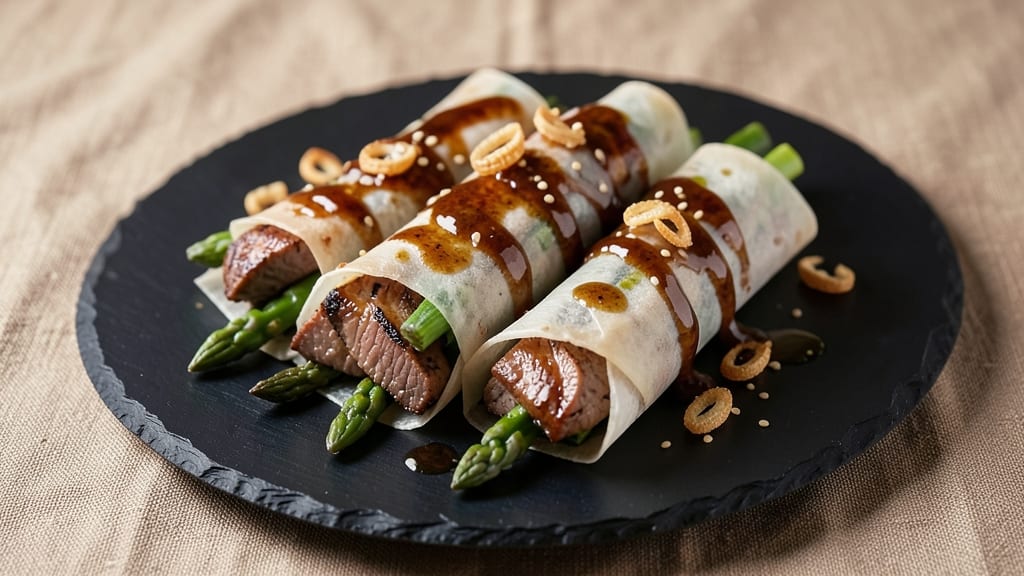
This beef asparagus roll recipe delivers restaurant-quality bites with crispy wok-seared edges and a silky, flavorful filling that balances tender beef and bright asparagus. 🌟 The secret lies in thinly sliced beef marinated in a savory blend, wrapped around blanched asparagus spears, and seared to golden perfection.
I developed this technique after years of perfecting the balance between texture and flavor—no more dry or soggy rolls here.
The beauty of this dish is its versatility—equally impressive as an appetizer or light main course. You'll start with a simple marinade that tenderizes the beef while infusing it with umami depth, then wrap everything in delicate rice paper for that signature crispy exterior.
The asparagus stays vibrant and slightly crisp, adding freshness that cuts through the richness of the beef.
What you'll end up with is a plate of golden-brown rolls that shatter slightly at the edges while maintaining a tender interior. Each bite delivers perfectly cooked beef, bright asparagus, and a subtle sweetness from the caramelized exterior.
The dish comes together in under 30 minutes, making it ideal for weeknight dinners or special occasions.
Serve with a side of chili sauce or sweet chili dip for dipping, and garnish with fresh cilantro or sesame seeds for extra visual appeal. This recipe transforms simple ingredients into something truly special—crispy on the outside, silky on the inside, with every element in perfect harmony.
Ingredients for beef asparagus roll
Thinly sliced beef and blanched asparagus wrapped in delicate rice paper for crispy, golden perfection.
| Ingredient | Amount | Notes |
|---|---|---|
| Flank Steak 🥩 | 1 lb | Thinly sliced against grain |
| Fresh Asparagus 🌱 | 1 lb | Trimmed, spears cut in half |
| Rice Paper Wrappers 🍱 | 12 pieces | 6-inch diameter, store-bought |
| Soy Sauce 🥄 | ½ cup | Low-sodium preferred |
| Hoisin Sauce 🍶 | 2 tbsp | For umami depth |
| Sesame Oil 🫒 | 1 tbsp | Toasted for aroma |
| Garlic Cloves 🧄 | 4 cloves | Minced for marinade |
| Ginger Root 🌿 | 1 tbsp | Freshly grated |
| Neutral Oil 🫒 | ¼ cup | Avocado or vegetable oil |
| Salt 🧂 | 1 tsp | Diamond Crystal kosher |
| Black Pepper 🌶️ | ½ tsp | Freshly cracked |
| Sesame Seeds 🌾 | 1 tbsp | Toasted for garnish |
| Fresh Cilantro 🌿 | ¼ cup | Chopped for garnish |
| Sweet Chili Sauce 🍶 | ¼ cup | For serving |
The flank steak is non-negotiable here—its lean texture slices beautifully against the grain for even cooking. Look for well-marbled cuts at specialty butchers or the meat department's freshest display. If using pre-sliced steak, ensure it's uniformly thin (⅛-inch or less). The asparagus should be bright green and firm—avoid woody stalks. For rice paper wrappers, store-bought brands like Tio Rico work best; they're pre-soaked for easier handling. Keep them covered with a damp towel to prevent drying while prepping. The marinade components—soy, hoisin, and sesame oil—create the umami backbone, so don't skimp on quality.
No hoisin sauce? Substitute 1 tbsp soy sauce plus 1 tsp honey for a similar depth, though you'll lose some complexity. Fresh ginger and garlic are ideal, but powdered versions at half the amount work in a pinch. The rice paper wrappers must be fresh—old, brittle ones won't crisp properly. For extra crunch, lightly toast the sesame seeds in a dry pan before garnishing. If your asparagus is particularly thick, blanch it for 30 seconds less to maintain crispness. The oil for searing should have a high smoke point (avocado or vegetable oil), not delicate flavors like olive oil that can overpower the dish.
Prepped ingredients keep for 2 days in the fridge: store the steak and asparagus separately in airtight containers. Rice paper wrappers last 1 week unopened; once opened, wrap tightly in plastic. For make-ahead convenience, assemble the rolls uncooked and refrigerate on a tray lined with parchment—cook straight from the fridge for even searing. These reheat poorly, so plan to serve immediately. The crispy exterior loses its texture when warmed; enjoy within 30 minutes of cooking for peak texture. Leftovers (if any) can be pan-fried gently for 2-3 minutes per side to revive the crust.
Why You'll Love This Recipe
- No Knife Skills Needed: I swear by this one—just slice the flank steak thin (or ask the butcher to do it), trim the asparagus ends, and you’re done. The rice paper wrappers soften in seconds with warm water, so no fussy prep here.
- Umami Bomb Combo: That hoisin-soy glaze? It’s where the magic happens. The salty-sweet punch cuts through the beef’s richness while caramelizing the asparagus into crisp-tender perfection. Trust me, the first bite makes you go back for more.
- Lunches for Days: Between us, these rolls keep better than most takeout. Pack them in a container with a damp paper towel, and they stay fresh for 3 days. My lunchbox has never been happier—especially when I’m too lazy to reheat.
- Budget-Friendly Feast: Flank steak stretches far when sliced thin, and asparagus is cheaper in season. Rice paper wrappers cost pennies, and a little hoisin goes a long way. Feed four for under $15, and you’ll still feel like you’re dining out.
Step-by-step instructions for beef asparagus rolls with wok-seared crispy edges
Master the perfect balance of silky filling and wok-seared edges with these precise techniques.
🔥 Step 1: Marinate and Slice the Flank Steak for Maximum Tenderness
In a bowl, combine the 0.5 cup soy sauce, 2 tbsp hoisin sauce, 1 tbsp sesame oil, 4 minced garlic cloves, 1 tbsp freshly grated ginger root, 1 tsp salt, and 0.5 tsp black pepper. Whisk until fully emulsified—you should see a glossy, cohesive marinade with visible garlic and ginger flecks.
Add the 1 lb flank steak to the marinade, ensuring every surface is coated. Cover and refrigerate for at least 30 minutes, though I prefer 2 hours for deeper flavor penetration. The marinade not only seasons but also tenderizes the tough flank steak through enzymatic action. When ready, slice the steak thinly against the grain into ¼-inch thick strips—this creates tender, bite-sized pieces that won't be chewy.
👨🍳 Step 2: Blanch and Prepare the Asparagus for Perfect Texture
Trim the tough ends from the 1 lb fresh asparagus and cut the spears in half. Bring a pot of water to a gentle boil and add the asparagus. Blanch for exactly 1 minute—you'll see the bright green spears turn a vibrant, slightly darker green. Immediately drain and plunge into ice water to stop the cooking process and lock in their crisp-tender texture.
Drain well and pat dry completely with paper towels. The asparagus should be cool to the touch and free of excess moisture. This step is crucial—any residual water will prevent the rice paper wrappers from crisping properly during searing. Keep the blanched asparagus set aside in a bowl while you prepare the filling.
🍳 Step 3: Assemble Rolls with Precision for Clean, Tight Wraps
Fill a shallow dish with warm water and set the 12 rice paper wrappers on a clean surface. Working with one wrapper at a time, dip it into the water for 5-7 seconds until pliable but not soggy—it should be flexible enough to handle but still hold its shape. Lay it flat and spread 1 tablespoon of the marinated steak strips along the bottom third, followed by 2 asparagus spears parallel to the edge.
Fold the bottom corner up, then fold in both sides, and finally roll tightly from the bottom up. The goal is a compact, cylindrical shape with no gaps—this ensures even cooking and prevents unraveling during searing. Keep the assembled rolls on a plate covered with a damp towel to prevent drying as you work. If a wrapper feels too stiff to roll, dip it in water again for 2-3 seconds—just enough to soften it without making it limp.
🔥 Step 4: Wok-Sear Rolls for Crispy Edges and Silky Centers
Heat 0.25 cup neutral oil in a wok or large skillet over medium-high heat until it shimmers and a drop of water sizzles violently when added. Add the rolls in a single layer, being careful not to overcrowd—they need space to develop that signature crispy exterior. Sear for 2-3 minutes per side until the wrappers turn a deep golden brown with visible grill marks and the filling is heated through.
Here's the thing—don't press down on the rolls with a spatula. The weight will flatten them and prevent proper browning. Instead, let them develop their own structure. You'll know they're ready when the wrappers release easily from the pan and the filling appears uniformly heated. Transfer the seared rolls to a plate and sprinkle immediately with 1 tbsp toasted sesame seeds while still hot.
🍽️ Step 5: Serve with Fresh Garnishes for Maximum Flavor Impact
Arrange the beef asparagus rolls on a platter and drizzle generously with the remaining 0.25 cup sweet chili sauce. Garnish with the 0.25 cup chopped fresh cilantro, focusing on the top and sides for visual appeal. The sauce should coat the rolls lightly, adding a bright, tangy contrast to the rich umami flavors.
Serve immediately while the wrappers are still crisp and the filling maintains its silky texture. Each bite should deliver a perfect harmony of wok-seared edges, tender steak, and crisp asparagus spears. For an elevated presentation, arrange the rolls vertically on a platter with the cilantro forming a decorative border around the edges—this makes the dish look as impressive as it tastes.
Pro Tips For Making Beef Asparagus Roll
- Slice Steak Against the Grain: Flank steak’s tough fibers run diagonally, so cutting against them (at a 45-degree angle) makes each bite tender. I used to ignore this and ended up with chewy rolls—now I measure the grain first by stretching a small piece, then slice thinly before cooking.
- Blanch Asparagus First: Raw asparagus turns mushy when wrapped—blanch spears in boiling water for 1 minute, then shock in ice water. This crisps them up and keeps them from bleeding into the rice paper. (Yes, it’s an extra step, but your rolls won’t fall apart.)
- Soften Rice Paper Properly: Dip wrappers in warm (not hot) water for 5–8 seconds until pliable, then lay flat to absorb moisture evenly. Over-soaking makes them gummy; under-soaking cracks them. I learned this after watching three batches tear mid-roll.
- Marinate Steak Overnight: Flank steak needs time to break down—mix soy and hoisin with garlic, ginger, and a splash of rice vinegar, then let it sit 12+ hours. Rushing this? The meat stays dense and flavorless. (I know, I know—planning ahead sucks, but it’s worth it.)
Serving suggestions for this dish
Dipping Sauce Pairings
Sweet chili sauce is my go-to for these rolls—its tangy sweetness balances the umami beef and bright asparagus perfectly.
For a spicy kick, try sriracha mayo (mix 2 tbsp mayo with 1 tsp sriracha) or peanut sauce (blend 2 tbsp peanut butter, 1 tbsp soy sauce, 1 tsp lime juice, and 1 tsp honey).
The sauce should complement, not overpower, the delicate flavors of the rolls. 🌶️
Side Dish Harmony
A light, crisp side like cucumber salad (thinly sliced cucumbers, 1 tbsp rice vinegar, ½ tsp sugar, and 1 tsp sesame seeds) cleanses the palate between bites.
For heartier meals, serve with jasmine rice or steamed bok choy—both absorb the sweet chili sauce beautifully. Avoid heavy sides that compete with the rolls' crispy texture.
Garnish Upgrades
Toasted sesame seeds add crunch and aroma, while thinly sliced scallions sprinkled on top elevate the dish visually. For a pop of color, add microgreens or edible flowers like nasturtiums. Fresh herbs like Thai basil or mint also work well—just add them after searing to preserve their brightness. ✨
Presentation Tips
Arrange rolls vertically on a platter with cilantro stems forming a border for an elegant touch. Use a slate board or wooden tray for rustic charm, and drizzle extra sauce artistically.
For a restaurant-worthy finish, dust with smoked paprika or chili powder before serving. The key is balance—keep the presentation simple but intentional.
Family-Friendly Adjustments
For picky eaters, serve the rolls deconstructed: let everyone assemble their own with beef, asparagus, and rice paper. Kids love dipping—offer honey mustard or ranch dressing alongside the sweet chili sauce. You can also swap asparagus for shredded carrots or bell peppers** for a milder option without sacrificing texture. 💛
Nutrition facts
Frequently asked questions
Can I use a different type of beef for these rolls?
Flank steak is ideal because it's lean and slices thinly against the grain, but you can substitute with sirloin or ribeye if needed. Avoid fatty cuts like ribeye—too much fat will make the rolls greasy. For extra tenderness, pound the beef to ⅛-inch thickness before slicing.
What if I can't find rice paper wrappers?
Use somersault wrappers (for spring rolls) or even lettuce leaves as a last resort. For a crispier texture, try wonton wrappers—they hold up better to frying but require less water to soften. Just reduce the searing time to 1-2 minutes per side to avoid burning.
How do I prevent the rolls from falling apart?
Keep the filling compact and centered—don't overstuff. Use 1 tbsp beef + 2 asparagus spears per roll max. For extra stability, lightly brush the seams with egg wash before searing. If a roll starts unraveling, press it gently with a spatula while still hot to reseal.
Can I make these rolls ahead of time?
Assemble the rolls uncooked and refrigerate on a tray for up to 4 hours. Cook straight from the fridge—they'll crisp perfectly. Never refrigerate cooked rolls—they lose their texture. For make-ahead prep, marinate the beef and blanch the asparagus the night before, then assemble and cook fresh.
What's the best way to reheat leftovers?
These rolls reheat poorly, but you can revive them by pan-frying for 2-3 minutes per side in a dry skillet over medium heat. For extra crispiness, add 1 tsp oil and cover with a lid for 30 seconds. Avoid microwaving—they'll turn soggy. Best to enjoy fresh!