
Main Courses
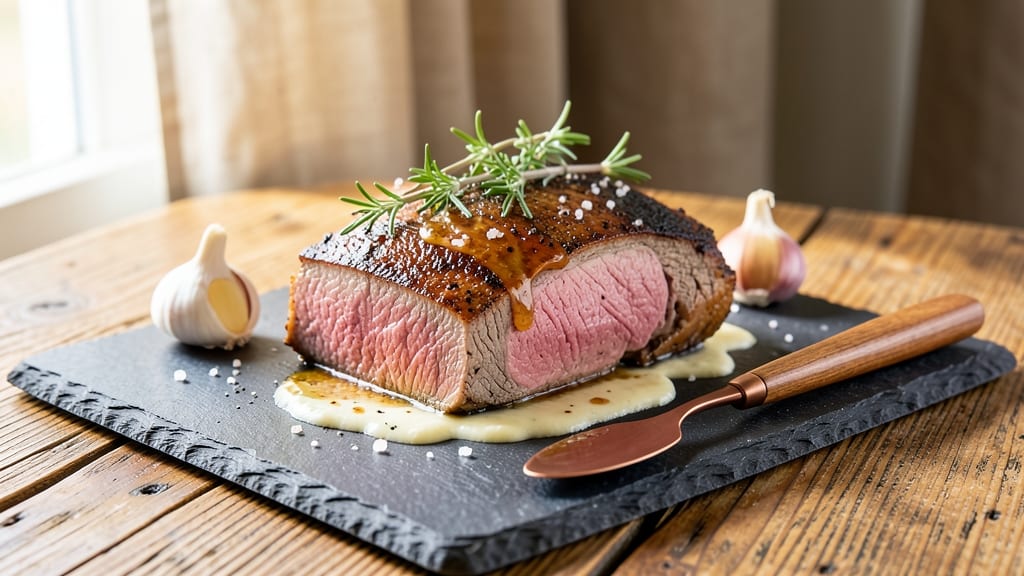
A 7-pound beef tenderloin transforms any dinner into a showstopper when cooked with precision—juicy pink centers and a crackling crust that commands every bite. This reverse-sear method guarantees perfect results every time, eliminating guesswork for even novice cooks.
The secret lies in low-and-slow roasting followed by a high-heat sear, ensuring tender cores while developing that coveted bark.
What sets this recipe apart is its foolproof approach to handling a large cut of beef. You'll achieve restaurant-quality doneness by monitoring internal temperatures (125–130°F for medium-rare) and letting the meat rest properly before slicing. The reverse-sear technique also allows for better temperature control, preventing overcooking while maximizing flavor development.
By following these steps, you'll end up with a juicy, tender center that melts in your mouth and a crispy exterior that adds satisfying texture. This method works beautifully for special occasions or family gatherings, serving 6–8 people with ease.
The beef's natural richness pairs perfectly with classic sides like roasted garlic mashed potatoes or a fresh herb salad.
The best part? This technique is surprisingly simple once you understand the key principles. No need for fancy equipment—just a reliable thermometer, patience, and attention to detail. Let's get started on creating a beef tenderloin that will impress even the most discerning guests.
Ingredients for 7 pound beef tenderloin
Precision-crafted ingredients for a 7-pound beef tenderloin that delivers restaurant-quality results every time.
| Ingredient | Amount | Notes |
|---|---|---|
| Beef Tenderloin 🥩 | 7 lb | Center-cut, trimmed of silver skin |
| Kosher Salt 🧂 | 1 ½ tbsp | Diamond Crystal preferred, coarse grain |
| Freshly Ground Black Pepper 🌶️ | 1 tbsp | Cracked, not pre-ground |
| Unsalted Butter 🧈 | ½ cup | Cold, cubed for searing |
| Fresh Thyme Sprigs 🌿 | 12 whole | Stems intact, organic preferred |
| Garlic Cloves 🧄 | 8 cloves | Smash lightly for aroma |
| Extra-Virgin Olive Oil 🫒 | 2 tbsp | High smoke point, fruity |
| Vegetable Oil 🫒 | ¼ cup | For oven roasting |
| Beef Bone Broth 🍲 | 1 cup | Low-sodium, room temperature |
| Yellow Onion 🧅 | 1 whole | Thinly sliced, for garnish |
| Fresh Rosemary 🌿 | ¼ cup | Chopped, for finishing |
The beef tenderloin is the star, and center-cut quality matters most. Opt for a piece with even marbling and minimal connective tissue—ask your butcher for the most symmetrical cut available. Costco's pre-trimmed tenderloins are consistently reliable, but local butchers often provide superior cuts. Look for a piece with a uniform, glossy surface and avoid any with grayish discoloration. The thyme and rosemary should be fragrant and vibrant; if they smell flat, they're past their prime. For the olive oil, California-made brands like Corto or Lucini offer excellent balance between flavor and heat resistance. Pre-ground pepper loses potency quickly, so grinding your own is ideal, but if you're short on time, McCormick's freshly ground pepper in the canister section will suffice.
No fresh thyme? Dried thyme at one-third the amount works in a pinch, though it lacks the same aromatic depth. Substitute the rosemary with fresh sage or marjoram if needed, but adjust the quantity to taste. For the butter, European-style unsalted butter like Plugrá adds richer flavor, while regular American brands work fine for basic searing. The bone broth can be swapped for low-sodium beef stock, but avoid high-sodium versions that may overpower the delicate beef. If you're concerned about the olive oil's smoke point, avocado oil is an excellent alternative. For the onion garnish, red onion adds a subtle sweetness that pairs beautifully with the beef's richness, though yellow onion is perfectly traditional.
The tenderloin should be used within 3-4 days of purchase for optimal tenderness. Store it uncovered on a wire rack in the coldest part of your fridge to prevent moisture buildup. The butter cubes can be prepped ahead and kept in an airtight container for up to 1 week. Once cooked, the beef rests beautifully for 20-30 minutes before slicing—this critical step ensures juicy results. Leftover slices reheat well in a 350°F oven for 10-15 minutes, covered with foil. For presentation, arrange slices on a platter with the thyme sprigs and chopped rosemary scattered artistically—this not only looks stunning but also enhances the aroma.
Why You'll Love This Recipe
- I swear by this combo: just salt, pepper, and butter—no fancy rubs or marinades. The tenderloin practically seasons itself as it roasts, and those thyme sprigs release the most unexpected, earthy aroma that turns my kitchen into a French bistro.
- Two-Ingredient Magic: I swear by this combo: just salt, pepper, and butter—no fancy rubs or marinades. The tenderloin practically seasons itself as it roasts, and those thyme sprigs release the most unexpected, earthy aroma that turns my kitchen into a French bistro.
- Weeknight Crowd-Saver: This feeds a dozen with minimal effort—perfect for game days, family dinners, or when your in-laws drop by unannounced. (Yes, even on a Tuesday night.) The leftovers? Slice it thin for sandwiches or toss cubes into pasta the next day—no one will guess it’s the same roast.
- Butter-Basted Perfection: That crispy crust with a melt-in-your-mouth center? It’s all thanks to the butter basting. I baste every 10 minutes, and by the end, the pan’s got golden, caramelized bits that make the whole thing taste like it came from a high-end steakhouse.
Step-by-step instructions for reverse-seared beef tenderloin
Master the reverse-sear technique to achieve a perfectly tender center and irresistible crispy bark.
Prepare and Season the Beef Tenderloin
Remove the 7 lb beef tenderloin from the refrigerator and pat it completely dry with paper towels. This step is crucial for developing that coveted crust. Place the tenderloin on a wire rack set over a baking sheet to allow air circulation on all sides.
In a small bowl, combine the 1.5 tbsp kosher salt and 1 tbsp freshly ground black pepper. Generously coat the tenderloin with this seasoning, pressing it into the meat so it adheres evenly. The salt will begin drawing out moisture from the surface, which is essential for that crispy bark later. Let the seasoned tenderloin sit at room temperature for 30 minutes while you prepare the oven.
Low-Temperature Roast to Perfect Doneness
Preheat your oven to 275°F. Place the seasoned tenderloin in the center of the oven and roast for 45-50 minutes per pound, which translates to approximately 5 hours 15 minutes to 5 hours 40 minutes for your 7 lb tenderloin. This slow cooking method ensures the center reaches 115°F internally, creating a perfect medium-rare core while maintaining incredible tenderness.
Check the internal temperature using a meat thermometer inserted into the thickest part of the tenderloin. The moment it hits 115°F, remove it from the oven. This temperature is critical—it's the sweet spot for reverse-searing. The meat will continue to cook slightly as it rests, so don't worry about reaching your target doneness yet.
Prepare the Searing Station
While the tenderloin rests, prepare your searing station. In a large oven-safe skillet, heat 2 tbsp extra-virgin olive oil and 0.25 cup vegetable oil over medium-high heat until the oil shimmers but doesn't smoke. Add the 0.5 cup cold cubed unsalted butter, 12 whole fresh thyme sprigs, and 8 lightly smashed garlic cloves. Let the butter melt and begin to foam, which should take about 3-4 minutes. This aromatic base will create a flavorful crust during the sear.
Remove the rested tenderloin from the oven and let it sit at room temperature for 10 minutes before searing. This brief rest allows the juices to redistribute slightly, ensuring maximum moisture retention during the high-heat sear. Keep the searing station hot and ready.
Create the Perfect Crispy Bark
Place the tenderloin in the prepared skillet and sear for 2-3 minutes per side, using tongs to carefully turn it. The goal is to create a deep, golden-brown crust while keeping the interior tender. You'll know it's ready when the surface reaches 140-145°F internally and develops a rich, caramelized bark. The butter and oils will bubble vigorously—this is normal and indicates you're creating that perfect crust.
Once seared, transfer the skillet to a 400°F oven and roast for an additional 5-7 minutes until the internal temperature reaches 125-130°F. This final step ensures the exterior is fully crispy while maintaining the tender core. The residual heat in the skillet and oven will help develop that coveted bark.
Rest and Serve with Garnishes
Remove the tenderloin from the skillet and transfer it to a cutting board. Let it rest for 10-15 minutes before slicing. This resting period is essential—it allows the juices to redistribute throughout the meat, ensuring each slice is moist and flavorful. Tent loosely with foil to keep it warm during this time.
While the tenderloin rests, prepare the garnishes. Thinly slice the 1 whole yellow onion and sauté in a separate pan with a touch of olive oil until golden. Chop the 0.25 cup fresh rosemary finely. Pour the 1 cup beef bone broth into the searing skillet, scraping up any browned bits from the bottom. Simmer for 2-3 minutes to create a simple pan sauce.
Slice the tenderloin into 1-inch thick medallions against the grain and serve immediately with the pan sauce and garnishes. Each slice should have a beautiful pink center and a crispy, caramelized exterior. The combination of tender meat and rich, aromatic crust makes this reverse-seared beef tenderloin a showstopper for any special occasion.
Pro Tips For Making 7 Pound Beef Tenderloin
- SEAR IN BATCHES: A 7-pound tenderloin won’t fit in one pan—trust me, I’ve tried. Sear 3-4 minutes per side in a hot skillet with 2 tablespoons of oil, then move to a second pan if needed. Rushing this step means uneven browning, and you’ll end up with a sad, dull crust instead of that golden, crispy payoff.
- SALT THE THYME: Fresh thyme sprigs are great, but they’re also delicate. Toss them in a pinch of kosher salt before tucking them into the butter cavity—this keeps them from wilting into the beef’s juices. I learned this the hard way when my thyme turned to mush halfway through cooking.
- DON’T SKIP THE LOW TEMP: After searing, finish the tenderloin at 275°F (not 325°F or higher). I used to rush it, and the outside would dry out before the center hit 125°F. Low and slow guarantees a juicy middle while the crust stays intact—about 20-25 minutes per pound for medium-rare.
- REST UNDER FOIL: Let the beef rest uncovered for 5 minutes, then tent loosely with foil for another 10-15. This keeps the crust from turning soggy while the juices redistribute. I used to cut into it too soon, and the first slice was always dry—now I wait, and every slice is perfect.
Flavor customization for this recipe
Herb-Infused Variations
Swap thyme and rosemary for fresh sage and lemon zest—the citrus brightens the rich beef beautifully. For a Mediterranean twist, add 1 tbsp dried oregano and 2 minced garlic cloves to the butter mixture during searing.
I’ve also had great success with fresh tarragon and black peppercorns, which add an elegant, slightly anise-like note that pairs perfectly with the tenderloin’s natural flavor. 🌿
Spice and Heat Levels
For a subtle kick, sprinkle ½ tsp smoked paprika and ¼ tsp cayenne pepper directly onto the tenderloin before the low-temperature roast. If you prefer bold heat, add 1 tbsp crushed red pepper flakes to the butter mixture during searing—just be sure to taste before serving, as the flavors intensify.
I once used Penzeys’ habanero powder for a smoky, fruity heat that guests raved about. 🌶️
Sweet and Savory Glazes
Brush the tenderloin with 2 tbsp balsamic reduction during the final 5 minutes of searing for a tangy contrast. A honey-mustard glaze (mix 2 tbsp Dijon mustard with 1 tbsp honey) adds a sweet-savory balance that’s especially popular with kids and adults alike.
For a richer option, melt ¼ cup brown butter with 1 tbsp maple syrup and 1 tsp thyme before basting the seared tenderloin. 🍯
Global Flavor Twists
Transform this classic into a French-style beef Wellington by wrapping the roasted tenderloin in puff pastry with a layer of mushroom duxelles and proscuitto.
For a Korean-inspired version, marinate the tenderloin in 1 tbsp gochujang and 1 tbsp soy sauce before roasting, then sear with sesame oil and toasted sesame seeds. I’ve also experimented with a Mexican-style approach, using adobo sauce and cumin for a smoky, spicy profile. 🌎
Umami Boosters
Enhance depth with 1 tbsp fish sauce or 1 tsp soy sauce in the bone broth pan sauce. For extra umami, add 1 tbsp Worcestershire sauce to the butter mixture during searing. I love using miso paste (½ tsp white miso) in the glaze for a subtle, savory complexity.
Even a pinch of MSG (¼ tsp) can elevate the flavors without altering the taste—just don’t tell your guests! 🍜
Nutrition facts
Frequently asked questions
Why does the recipe call for a 275°F low-temperature roast?
The 275°F temperature is key for even cooking without overcooking the center. This slow method allows the 7 lb tenderloin to cook uniformly, reaching 115°F internally while developing tenderness. High heat would create a crust too quickly, sealing in moisture loss before the center cooks properly.
How do I know when the tenderloin is done at 115°F?
Use a meat thermometer inserted into the thickest part—don't rely on time alone. The probe should read 115°F (medium-rare) when removed from the oven. The meat will rise 5-10°F more during resting, so pulling it early ensures perfect doneness. A 30-second pull test (gently pressing the center) should feel slightly springy.
Can I cook this in a smoker instead of the oven?
Use 225°F indirect heat in your smoker for 1.5-2 hours per pound (about 10-14 hours total). Add wood chips like hickory or apple for subtle smoke flavor. Monitor closely—smokers vary in temperature consistency. The reverse-sear principle still applies: finish with a 400°F sear in a skillet.
What if my tenderloin has uneven thickness?
Trim any irregular areas to create an even surface before seasoning. For significant variations, wrap thinner sections with butcher's twine to prevent overcooking. The 115°F target applies to the thickest part—thinner areas will cook faster. Always check with a thermometer to avoid dryness.
How do I reheat leftovers without drying them out?
Slice the tenderloin into 1-inch medallions and reheat in a 350°F oven for 10-15 minutes on a wire rack over a baking sheet. Add 1 tbsp beef broth to the pan to baste occasionally. Never microwave—it turns meat rubbery. For extra moisture, wrap slices in foil with a pat of butter before reheating.