
Main Courses
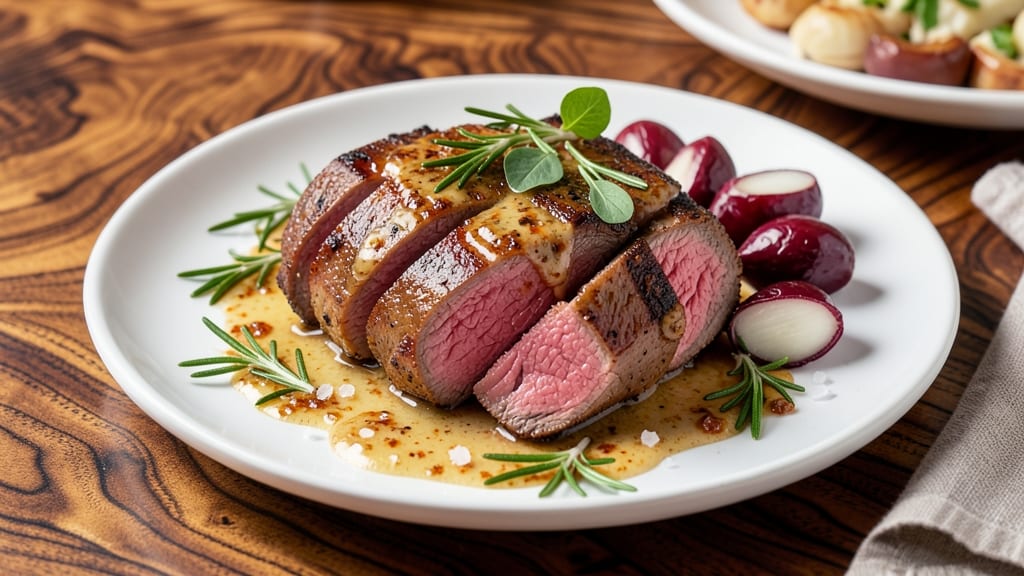
Alex Guarnaschelli's beef tenderloin recipe delivers restaurant-quality results with her signature reverse-sear technique—where patience transforms tough cuts into melt-in-your-mouth perfection. 🔥 The secret lies in slow roasting followed by a quick sear, ensuring a juicy interior and crispy crust that’ll impress even skeptical guests. This method preserves moisture while creating that coveted caramelized exterior, a hallmark of Guarnaschelli’s precision cooking.
What sets this recipe apart is the attention to detail: from proper seasoning to precise temperature control, every step is designed to elevate your beef tenderloin to perfect doneness.
The reverse-sear approach—starting low and finishing hot—guarantees tender meat without drying it out, while basting with butter and herbs adds layers of flavor that take it from ordinary to extraordinary. Even beginners can master this technique with the right guidance.
By the time you serve this dish, you’ll have a crispy, golden-brown tenderloin with a pink center that slices effortlessly. The aroma alone will have everyone gathering at the table, and the first bite will confirm why this is a showstopper for holidays or special dinners.
Pair it with a rich red wine reduction or roasted vegetables for a complete, crowd-pleasing meal.
Ready in about 2 hours (including resting time), this recipe is ideal for occasions when you want to shine in the kitchen without stress. The key is patience—letting the meat work with the heat rather than against it. Trust the process, and you’ll achieve results that rival any high-end steakhouse.
Ingredients for alex guarnaschelli beef tenderloin
Precision-cut beef and aromatic herbs create Guarnaschelli's signature reverse-seared tenderloin with flawless texture and depth.
| Ingredient | Amount | Notes |
|---|---|---|
| Beef Tenderloin 🥩 | 4 lb | Center-cut, trimmed of silver skin |
| Unsalted Butter 🧈 | ½ cup | Cold, cubed for basting |
| Fresh Rosemary 🌿 | ¼ cup | Chopped sprigs, stems removed |
| Fresh Thyme 🌿 | ⅛ cup | Leaves only, finely chopped |
| Garlic Cloves 🧄 | 8 cloves | Smashed, peeled |
| Diamond Crystal Kosher Salt 🧂 | 2 tsp | For seasoning |
| Freshly Ground Black Pepper 🌶️ | 1 tsp | Coarsely ground |
| Extra-Virgin Olive Oil 🫒 | 2 tbsp | For searing |
| Red Wine 🍷 | ½ cup | Dry, bold variety |
| Vegetable Oil 🫒 | ¼ cup | High smoke point |
| Yellow Onion 🧅 | 1 whole | Sliced into wedges |
The beef tenderloin is non-negotiable here—center-cut, trimmed of silver skin for optimal tenderness. Whole Foods or high-end butchers carry the best cuts, but most grocery stores stock quality tenderloins labeled 'chateubriand' or 'filet mignon' (which is essentially the same cut). Aim for 4 pounds total—this accounts for shrinkage during cooking. If you can't find a whole tenderloin, two 2-pound chateubriand roasts work perfectly. The key is even thickness—trim any uneven edges so it cooks uniformly. For extra insurance, ask your butcher to tie the roast with kitchen twine before purchasing, ensuring even cooking. Freshness is critical: the meat should be bright red, not brown, with minimal marbling but firm texture.
No fresh rosemary or thyme? Dried works at one-third the amount, but the aroma is completely different. For the garlic, if you're short on time, garlic powder at half the amount will suffice, though fresh is ideal. The red wine can be substituted with beef stock plus a splash of balsamic vinegar—just ensure it's dry and bold. The olive oil should be extra-virgin for basting; cheaper varieties won't caramelize as beautifully. If you're concerned about the vegetable oil for searing, avocado oil is an excellent high-heat alternative. The onion wedges add sweetness and moisture during roasting—don't skip them, even if you're not a fan of onions in other dishes.
Store the beef tenderloin in its original packaging on the lowest shelf of your fridge until ready to cook—use within 3 days for best results. The herbs should be wrapped in damp paper towels and sealed in a bag for up to 5 days. Once cooked, the tenderloin reheats beautifully—warm in a 275°F oven for 10-15 minutes, basted with extra butter, to restore its crispy exterior. For leftovers, slice against the grain and store in an airtight container for 3-4 days. The basting butter can be saved in a sealed jar in the freezer for up to 3 months—perfect for future searing projects.
Why You'll Love This Recipe
- Minimal Prep Required: The tenderloin needs almost no handling—just a quick sear and a short roast. No fancy trimming, no butterflying, just slice the garlic, tie the herbs, and let the oven do the work. Honestly, I’ve made this on days I forgot to thaw the meat—it’s that unfussy.
- Buttery Garlic Magic: That rich butter basting with crushed garlic and rosemary? It’s the kind of flavor that makes you pause mid-bite. The crust gets caramelized while the inside stays tender—like a hug from a French bistro, but in my kitchen.
- Weeknight or Weekend Star: Works just as well for a rushed Tuesday dinner as it does for a holiday table. Slice it thin for sandwiches the next day or serve it whole with roasted potatoes. Between us, my kids now ask for it more than pizza—(yes, even on a Tuesday night).
- Leftovers That Don’t Suck: Cold slices reheat beautifully in a pan with a splash of broth, or toss them into pasta for a fancy-feeling weeknight meal. Not the prettiest, but the taste makes up for it—every time. I’ve stretched one roast into three meals without anyone complaining.
Step-by-step instructions for alex Guarnaschelli's reverse-sear beef tenderloin
Master this technique for restaurant-quality beef with a perfectly pink center and caramelized crust.
🔥 Step 1: Prepare the Herb Butter and Season the Meat
In a small bowl, combine the 0.5 cup unsalted butter, 0.25 cup fresh rosemary, 0.125 cup fresh thyme, 8 smashed garlic cloves, 2 tsp Diamond Crystal kosher salt, and 1 tsp freshly ground black pepper. Mix until evenly distributed, then transfer to a piece of plastic wrap and shape into a log. Twist the ends to seal and refrigerate for 30 minutes—this keeps the butter firm for later basting.
Remove the 4 lb beef tenderloin from the refrigerator and let it sit at room temperature for 1 hour. This ensures even cooking. While it rests, slice the 1 whole yellow onion into wedges and set aside. The room temperature step is critical—cold meat releases unevenly during cooking.
🍳 Step 2: Low-Temperature Roast for Perfect Doneness
Preheat your oven to 275°F. Place the beef tenderloin on a wire rack set inside a rimmed baking sheet. Roast uncovered for 1 hour 45 minutes, or until the internal temperature reaches 115°F at the thickest part. Use a meat thermometer for precision—this low temperature ensures the center remains tender while the exterior develops flavor.
Here's the thing—don't open the oven door during this phase. Every time you peek, you lose heat and moisture. The beef should look pale pink inside when you check the temperature. If it browns prematurely, tent it loosely with foil to slow the process.
🥘 Step 3: Sear for Crispy Perfection
While the beef rests, heat a large oven-safe skillet over high heat until smoking. Add the 2 tbsp extra-virgin olive oil and swirl to coat. Remove the herb butter log from the refrigerator and slice off 1-inch thick rounds. Working quickly, sear the beef tenderloin on all sides for 1-2 minutes per side until deeply browned. This high-heat sear creates the signature crust.
Transfer the seared beef to a cutting board and let it rest for 10 minutes before slicing. The residual heat will carry the internal temperature up to 125-130°F—perfect for medium-rare doneness. Meanwhile, pour the 0.5 cup red wine into the skillet and scrape up any browned bits for a quick pan sauce.
🔥 Step 4: Create the Pan Sauce and Serve
Return the skillet to medium-high heat and reduce the wine by half, about 3-4 minutes. Add the sliced onion wedges and cook until softened, about 5 minutes. Remove the pan from heat and whisk in the remaining herb butter rounds until melted. The sauce should coat the back of a spoon with a glossy sheen.
Slice the beef tenderloin into 1-inch thick medallions against the grain for maximum tenderness. Plate immediately with the onion-infused sauce spooned generously over each portion. The result should be a perfectly pink center with a caramelized crust that crackles with each bite.
Pro Tips For Making Alex Guarnaschelli Beef Tenderloin
- USE A THERMOMETER: The beef tenderloin’s magic happens at 130°F internal—any lower and it’ll dry out, any higher and you’ll overcook it before the crust forms. I’ve learned this the hard way: guessing by touch leads to disappointment. Invest in a good one and check it twice, especially if your oven runs hot.
- SMASH THE GARLIC: Don’t just mince those cloves—smash them first with the flat side of your knife. This releases more flavor and blends better into the butter. I used to skip this, and the garlic taste was always too obvious. Now it’s seamless, like it’s been cooking all along.
- DON’T SKIP THE BUTTER BATH: The butter-rosemary-thyme mixture should coat the meat and pool in the pan. If you’re using a roasting pan, add a splash of water or broth to create steam—this keeps the butter from burning and makes the crust richer. I know it looks messy, but that’s where the flavor hides.
- REST IT RIGHT: Tent the meat with foil and let it sit for at least 10 minutes before slicing—no peeking, no rushing. I was always impatient and cut into it early, losing all that juicy goodness. Give it time, or you’ll end up with a tough, dry slice. (Yes, even if you’re starving.)
Health benefits of these flavors
Protein Powerhouse
Beef tenderloin is one of the most nutrient-dense proteins you can serve, offering a lean yet satisfying option with about 35 grams of protein per 4-ounce serving. This cut is particularly rich in iron and zinc, essential minerals that support energy levels and immune function.
The reverse-sear method preserves these nutrients while enhancing flavor, making it a standout choice for health-conscious diners. 💪
Low-Fat, High-Flavor
Unlike other beef cuts, tenderloin is naturally low in fat—a 4-pound roast contains just 15-20 grams of total fat, most of which is heart-healthy unsaturated fat.
The herb butter basting adds richness without significant calories, while the red wine reduction provides antioxidants like resveratrol, which has been linked to cardiovascular benefits. It’s a perfect balance of indulgence and nutrition.
Rich in B Vitamins
This cut is packed with B vitamins, including B12 (critical for nerve function) and niacin (which supports metabolism). A single serving delivers over 50% of your daily B12 needs, making it ideal for those watching their intake of fortified foods.
The rosemary and thyme in the herb butter also contribute antioxidants that combat inflammation, adding another layer of health benefits to this elegant dish.
Versatile for Dietary Needs
While this recipe is naturally gluten-free and dairy-free (if you omit the butter), it can easily accommodate other dietary preferences. For a lower-carb option, serve with roasted Brussels sprouts or cauliflower mash instead of potatoes.
If you’re avoiding alcohol, substitute the red wine with beef broth or apple cider vinegar—the acidity still helps tenderize the meat and balance flavors. 🌱
Meal Prep Advantage
The reverse-sear method makes this dish ideal for meal prep—cook the tenderloin ahead of time and reheat it gently to maintain tenderness. Store leftovers in an airtight container for up to 4 days, or freeze for 3 months.
The herb butter sauce can also be prepped separately and reheated with a splash of water or broth. This makes it a fantastic option for busy weeknights when you still want restaurant-quality results.
Nutrition facts
Frequently asked questions
Why does Alex Guarnaschelli use a reverse-sear method for beef tenderloin?
The reverse-sear technique ensures a perfectly juicy center with a crispy crust without overcooking. Starting at 275°F for 1 hour 45 minutes gently cooks the meat evenly, while the final high-heat sear creates that coveted caramelized exterior. This method preserves moisture and flavor that traditional high-heat searing alone can't achieve.
Can I substitute the red wine in the pan sauce?
Yes! For a non-alcoholic version, use beef broth or apple cider vinegar—both add acidity to balance flavors. If avoiding acid entirely, try dry white wine or even grape juice (reduce longer for depth). The key is maintaining the sauce's richness and glossy finish.
How do I know when the beef tenderloin is done?
Use a meat thermometer for precision: the internal temperature should reach 115°F after the low oven phase, then 125-130°F after resting. For medium-rare, the center should feel slightly springy when pressed. The reverse-sear method's beauty is that it gives you control over doneness—no guessing!
What's the best way to reheat leftover beef tenderloin?
Reheat slices in a 275°F oven for 10-15 minutes, basting with extra butter to restore crispiness. Avoid microwaving—it makes the meat tough. For quick reheating, sear slices in a hot pan for 1-2 minutes per side until warmed through. The residual heat from proper resting ensures leftovers reheat beautifully.
Can I use this recipe for a smaller portion?
Scale down to a 2-pound tenderloin (about 4 servings) by reducing all ingredients proportionally. Adjust oven time to 1 hour 15 minutes at 275°F, checking for 115°F internal temp. The reverse-sear technique works perfectly for smaller cuts—just maintain the same temperature guidelines.