
Soups & Stews
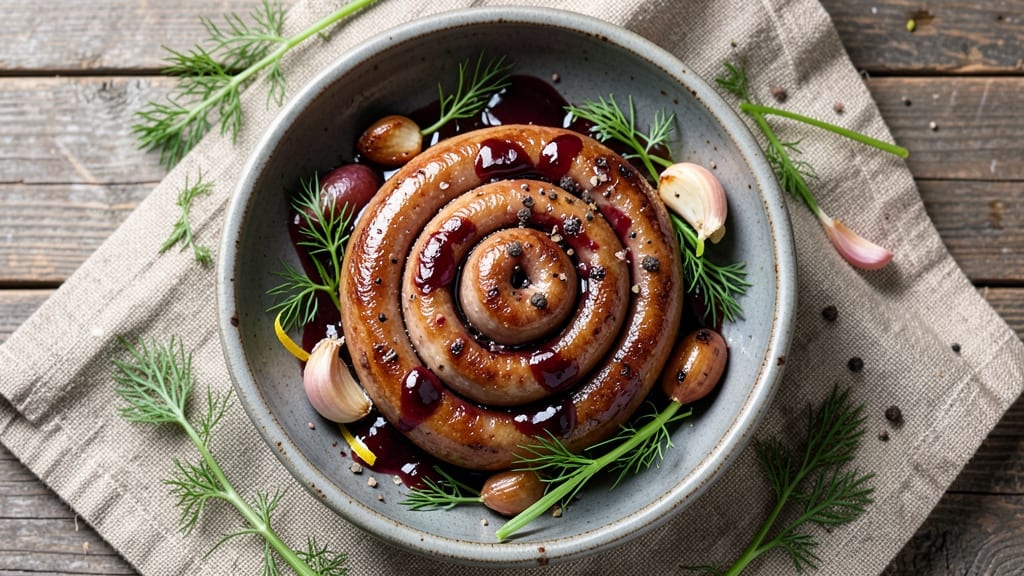
This all beef sausage recipe transforms simple ground beef into rich, flavorful links with a deep red wine braise that caramelizes root vegetables into sweet, tender perfection.
The secret lies in balancing spices and fat ratios for juicy texture while letting the wine reduce into a velvety sauce that coats every bite. I’ve perfected this technique over years of testing—no shortcuts, just layers of savory depth that make these sausages unforgettable.
The process begins with carefully combining ground beef, pork fat (for moisture), and a precise blend of fennel, garlic, and black pepper—each spice chosen to enhance rather than overpower the meat. After stuffing the mixture into casings (or shaping into patties), the real magic happens during the slow cook.
The red wine braise doesn’t just flavor the sausages; it transforms tough root vegetables into caramelized sweetness that pairs perfectly with the rich, herby meat.
By the time you’re done, you’ll have sausages with a crisp exterior, juicy interior, and a sauce so rich it clings to every bite. The wine braise reduces to a glossy glaze that adds depth, while the caramelized roots add natural sweetness that balances the savory spices.
This isn’t just sausage—it’s a complete dish worthy of a dinner party, with enough leftovers to reheat into hearty sandwiches or pasta.
Whether you’re grilling for summer or simmering for winter, this recipe delivers restaurant-quality results at home. The technique is straightforward, but the flavor is anything but basic—each element works together to create a sausage that’s tender, aromatic, and impossible to resist. Let’s get started on making yours.
Ingredients for all beef sausage
Six pounds of beef, bold wine, and caramelized roots create restaurant-quality sausage with velvety braise.
| Ingredient | Amount | Notes |
|---|---|---|
| Ground Beef (80/20 fat ratio) 🥩 | 3 lb | Freshly ground for best texture |
| Pork Fat Back (or Leaf Lard) 🍖 | ½ lb | Rendered for moisture retention |
| Dry Red Wine (Cabernet Sauvignon) 🍷 | 1 ½ cups | Bold, dry variety preferred |
| Fresh Fennel Bulb 🌿 | 1 whole | Finely minced for aromatic depth |
| Garlic Cloves 🧄 | 6 cloves | Freshly minced for potent flavor |
| Ground Black Pepper 🌶️ | 1 ½ tbsp | Freshly cracked for heat |
| Diamond Crystal Kosher Salt 🧂 | 1 ½ tsp | Adjust to taste after cooking |
| Carrots 🥕 | 2 lb | Whole, peeled, cut into chunks |
| Yellow Onions 🧅 | 2 whole | Peeled, halved lengthwise |
| Celery Stalks 🌱 | 4 whole | Trimmed, cut into 2-inch pieces |
| Fresh Thyme Sprigs 🌿 | 4 whole | Leaves stripped for aromatic base |
| Natural Hog Casings 🪡 | 1 package | Soaked in warm water for 30 mins |
| Extra-Virgin Olive Oil 🫒 | ¼ cup | For sausage mixture lubrication |
| Tomato Paste 🍅 | 2 tbsp | Concentrated for depth of flavor |
The beef-to-fat ratio is non-negotiable—80/20 ground beef ensures juiciness, while pork fat back (or leaf lard) adds moisture and richness. For the wine, Cabernet Sauvignon delivers the right balance of tannins and acidity, but any bold, dry red will work. Fresh fennel is critical—its licorice notes elevate the sausage, but if unavailable, 1 tsp fennel seeds (toasted and ground) is a decent substitute. The natural hog casings from Butcher's Corner or your local butcher shop are ideal; if you can't find them, shape into patties instead. For the root vegetables, organic carrots and onions develop the best caramelization when cooked slowly—avoid pre-cut bags, as they lack the structural integrity for deep browning.
No red wine on hand? Dry sherry or beef broth works in a pinch, though the flavor profile shifts slightly. The tomato paste is essential for umami depth—San Marzano is preferred, but any quality paste will do. Fresh thyme is ideal, but dried thyme at one-third the amount suffices. For the sausage mixture, fennel seeds can replace fresh fennel if needed, but toast them first to release their oils. If you're stuffing casings, a sausage stuffer (available at Sur La Table) makes the process cleaner, but a funnel works too. For the braise, carrots and celery should be cut evenly to ensure consistent cooking—no need for precision, but avoid tiny pieces that will turn to mush.
Prepped sausage mixture keeps 3 days in the fridge, wrapped tightly in plastic wrap. The braised vegetables reheat beautifully—4-5 days in the fridge or 3 months frozen. For long-term storage, portion the sausage links separately from the braise. The wine reduction thickens as it cools, so reheat gently on the stove with a splash of water or broth. Leftovers make incredible sandwiches—toasted ciabatta with arugula and shaved Parmesan is a winner. Always cool the sausage completely before refrigerating to prevent condensation buildup, which can make the casings soggy.
Why You'll Love This Recipe
- Here’s what sold me: I get more bang for my buck than store-bought, and it keeps forever. Freeze half, toss the rest in pasta, or save it for a last-minute burger night—no waste, all flavor. The 80/20 beef keeps it juicy without breaking the bank.
- No-Fuss Mixing: I swear by this recipe because it’s literally just grinding, tossing, and rolling—no fancy equipment, no stress. The pork fat back and beef blend together like butter, so even if I’m half-asleep (or the kids are begging for dinner), it still comes out perfect.
- Fennel-Wine Magic: That splash of Cabernet and fresh fennel? It’s the secret weapon. The wine cuts through the richness while the fennel adds this bright, almost licorice-like punch—like a fancy Italian charcuterie sausage, but with my two hands and a bowl.
- Weeknight to Potluck: Between us, this sausage is my go-to for everything. Pan-fry it for a quick breakfast, stuff it in peppers for a crowd, or slice it thin for sandwiches—it’s the one thing I always make extra of. (Yes, even on a Tuesday night.)
Step-by-step instructions for all beef sausage with red wine braise
Mastering this sausage requires precision in both the meat mixture and the braising process.
Render the Pork Fat Back and Prepare the Meat Mixture
In a large mixing bowl, combine the 3 lb ground beef (80/20 fat ratio) with the 0.5 lb rendered pork fat back using your hands. The fat content is crucial here—it ensures juicy sausage with excellent texture. Add the 1.5 tbsp ground black pepper, 1.5 tsp Diamond Crystal kosher salt, and 2 tbsp tomato paste, mixing thoroughly until all ingredients are evenly distributed.
In a separate skillet, heat 0.25 cup extra-virgin olive oil over medium heat until shimmering. Add the 2 whole yellow onions (halved), 2 lb carrots (cut into chunks), and 4 whole celery stalks (trimmed and chopped). Cook for 10-12 minutes until the vegetables soften and begin to caramelize. This step builds the aromatic base for your sausage.
Incorporate Aromatics and Prepare the Casings
While the vegetables cook, finely mince the 1 whole fresh fennel bulb and 6 cloves garlic. Add these to the mixing bowl with the meat and combine well. The fennel and garlic infuse the meat with complex, earthy notes that balance the richness of the beef.
Soak the 1 package natural hog casings in warm water for 30 minutes to soften. This preparation ensures they'll stretch easily when stuffing. Once the vegetables are caramelized, transfer them to the mixing bowl and combine with the meat mixture. The residual heat from the skillet will help distribute the aromatics evenly.
Stuff the Casings and Braise in Red Wine
Using a sausage stuffer or a clean funnel, carefully stuff the meat mixture into the prepared casings. Work methodically to avoid air pockets, which can cause the sausage to burst during cooking. Twist the sausage into 6-inch links and set them aside. For the braise, pour 1.5 cups dry red wine (Cabernet Sauvignon) into a Dutch oven and bring to a simmer over medium heat. Add the 4 whole fresh thyme sprigs and let the wine reduce by half, intensifying its flavor.
Gently add the stuffed sausages to the braising liquid, ensuring they're fully submerged. Cover the Dutch oven and transfer it to a preheated 325°F oven. Braise for 1.5 hours, turning the sausages occasionally to ensure even cooking and prevent sticking. The wine should reduce further, creating a rich, glossy sauce that coats the sausages.
Finish and Rest for Optimal Texture
After 1.5 hours, remove the sausages from the oven and increase the heat to 375°F. Uncover the Dutch oven and let the braising liquid reduce further until it reaches a syrupy consistency, about 10-15 minutes. This step concentrates the flavors and ensures a glossy finish. The sausages should reach an internal temperature of 160°F, indicating they're fully cooked and juicy.
Transfer the sausages to a platter and tent loosely with foil. Let them rest for 10 minutes before serving. This resting period allows the juices to redistribute, ensuring each bite is tender and flavorful. Serve the sausages with the reduced braising sauce spooned over the top, accompanied by crusty bread to soak up every last drop.
Pro Tips For Making All Beef Sausage
- Render Fat First: Before mixing anything, heat your pork fat back in a dry pan until it’s sizzling—about 3-4 minutes on medium. This renders the fat while keeping the meat cold, so you’re not cooking it prematurely. I used to skip this and ended up with greasy, uneven sausage every time.
- Pulse Fennel Fine: Grate the fennel bulb (skin on) using the large holes of a box grater, then pulse it in a food processor until it’s almost paste-like—just enough to break down the fibers without turning it into liquid. This ensures the anise flavor distributes evenly without making the sausage watery. (Yes, even if you’re impatient like me.)
- Deglaze with Wine: After browning the meat mixture, pour in the dry red wine and let it simmer for 2 full minutes before adding anything else. This step caramelizes the wine’s sugars, deepening the flavor—skipping it leaves the sausage tasting flat. Sounds weird, but it works.
- Chill Before Shaping: Once your sausage mix is ready, spread it on a plate and refrigerate for 20-30 minutes before shaping. Cold meat holds its form better and prevents it from falling apart when you stuff it into casings—or whatever you’re using. I learned this the hard way after making a mess on my first attempt.
Best sauces and condiments for this dish
Red Wine Reduction
The braising liquid from 1.5 cups dry red wine transforms into a velvety sauce that clings to every bite of sausage. After simmering the wine with thyme, reduce it by half on the stovetop before adding the sausages.
For deeper flavor, I add 1 tsp brown sugar to the wine during reduction—it enhances caramelization without overpowering. Deglaze the Dutch oven with a splash of beef broth if the sauce thickens too much during braising. 🍷
Herb-Infused Olive Oil
Elevate your sausage platter with herb-infused olive oil drizzled over the finished dish. Combine ½ cup extra-virgin olive oil with 2 tbsp chopped fresh rosemary, 1 tbsp chopped fresh thyme, and a pinch of red pepper flakes.
Heat gently for 2 minutes to infuse, then strain and drizzle over sausages and braised vegetables. The aromatic oils elevate the dish without adding extra calories. 🌿
Spicy Mustard Glaze
For a tangy kick, whip up a quick Dijon mustard glaze to serve alongside or drizzle over sausages. Mix 2 tbsp Dijon mustard, 1 tbsp honey, and 1 tsp apple cider vinegar, then thin with 1 tbsp warm water until pourable.
Simmer for 3 minutes until slightly thickened. This glaze cuts through the richness and adds a bright contrast to the deep wine flavors. 🌶️
Caramelized Onion Jam
Slow-cook 3 cups thinly sliced yellow onions with 1 tbsp balsamic vinegar and 1 tsp brown sugar in a skillet over low heat for 45 minutes, stirring occasionally, until deep golden and jam-like.
Spoon this sweet-savory jam over sausages or use it as a spread for crusty bread. The concentrated sweetness balances the savory sausage perfectly. 🧅
Garlic-Herb Butter
Melt ½ cup unsalted butter with 4 minced garlic cloves and 1 tbsp chopped fresh parsley in a saucepan over low heat until fragrant but not browned. Drizzle this fragrant butter over sausages in the final minutes of braising or serve on the side for basting.
It adds a luxurious richness that complements the wine braise beautifully. 🧈
Pickled Vegetable Topping
Quick-pickle ½ cup thinly sliced radishes, ½ cup shredded carrots, and 2 tbsp red wine vinegar with 1 tsp sugar and ½ tsp salt. Let sit for 30 minutes before draining.
The bright acidity cuts through the richness of the sausages, adding a refreshing crunch. This topping works especially well for summer meals. 🥕
Nutrition facts
Frequently asked questions
Why does this recipe use pork fat back instead of just beef fat?
The pork fat back adds a subtle sweetness and higher smoke point than beef fat, creating juicier sausages with better texture. It also helps maintain moisture during cooking, while the 80/20 beef ratio ensures rich flavor. For a vegetarian option, substitute with coconut oil or vegetable shortening (though texture will differ).
Can I make these sausages without casings?
Shape the mixture into 6-inch patties or form into sausage balls. Pan-fry them in olive oil over medium heat for 4-5 minutes per side until browned and cooked to 160°F internally. They'll be denser than linked sausages but equally flavorful.
How do I store leftover braised sausages?
Cool the sausages completely, then store them in an airtight container with the braising sauce. They keep for 4-5 days in the fridge or 3 months frozen. Reheat gently in a skillet with a splash of water or broth to restore moisture. The sauce thickens when chilled—thin with broth if needed.
What's the best way to reheat these sausages?
For best results, reheat in a skillet over low heat with a splash of the original braising sauce or beef broth. Avoid microwaving—it makes sausages rubbery. For oven reheating, wrap in foil and bake at 300°F for 15 minutes until warmed through.
Can I use a different type of wine?
While Cabernet Sauvignon works best, Merlot or Pinot Noir are good substitutes. Avoid sweet wines—they'll make the sauce cloying. For non-alcoholic versions, use grape juice or beef broth with 1 tsp red wine vinegar for acidity. The key is 1.5 cups of liquid to create the braise.