
Main Courses
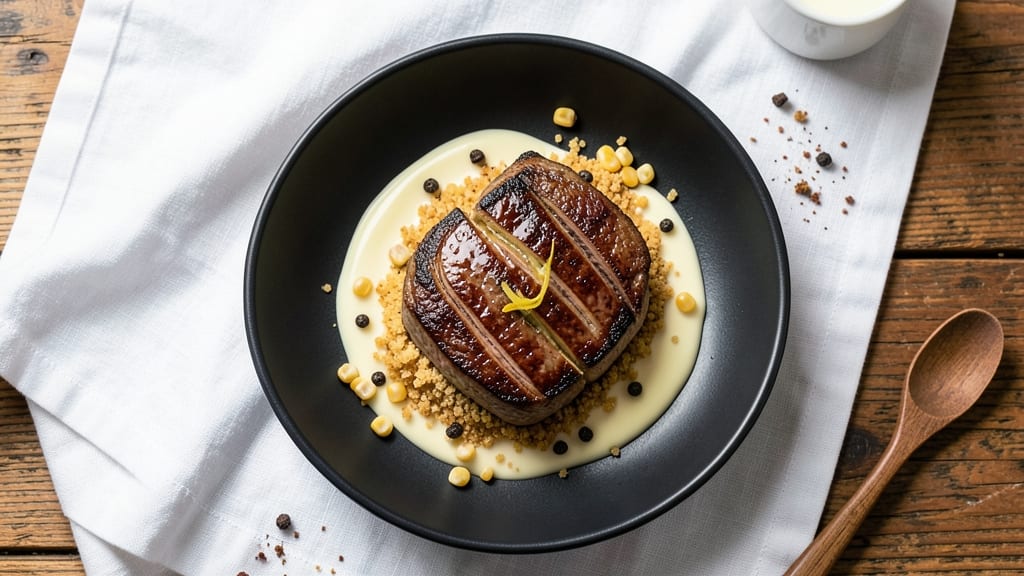
American Wagyu beef recipe transforms dinner into an experience—where every bite delivers melt-in-your-mouth tenderness and that legendary buttery marbling. The secret lies in precise temperature control and respecting the meat’s natural richness, not overpowering it with marinades or heavy seasonings.
This recipe ensures a perfect medium-rare crust that seals in juices while preserving the signature intramuscular fat that makes Wagyu unforgettable.
Unlike traditional beef cuts, Wagyu demands patience—starting with a dry-brine for enhanced tenderness, followed by a reverse sear that guarantees even doneness without drying out the interior. The fat cap should render slowly, creating a golden crust that crackles with every bite.
We’ll guide you through every step, from prepping the steak to resting it properly for maximum flavor payoff.
What you’ll achieve is a steak so tender it practically falls apart at the touch, with a rich, umami depth that comes from the beef’s natural marbling. The crust will be caramelized and slightly crisp, while the interior remains velvety and juicy.
This isn’t just a recipe—it’s a technique that elevates any meal into a restaurant-worthy centerpiece.
Pair it with classic sides like roasted garlic mashed potatoes or a simple arugula salad to let the steak shine, or go bold with truffle-infused roasted mushrooms. The key is balance—let the Wagyu’s natural flavors take center stage. Ready to master this? Let’s get started.
Ingredients for american wagyu beef
Precision-cut American Wagyu transforms a simple dinner into an unforgettable experience—where technique meets luxurious marbling.
| Ingredient | Amount | Notes |
|---|---|---|
| American Wagyu Ribeye Steak 🥩 | 2 whole | 1.5-inch thick, bone-in preferred |
| Kosher Salt 🧂 | 1 ½ tbsp | Diamond Crystal preferred for flakiness |
| Black Peppercorns 🌶️ | 1 ½ tbsp | Freshly cracked, coarse grind |
| Cornstarch 🌾 | 1 tbsp | For dry-brine adhesion |
| Unsalted Butter 🧈 | 4 oz | European-style preferred, cold |
| Avocado Oil 🫒 | ¼ cup | High smoke point for searing |
| Fresh Thyme Sprigs 🌿 | 4 whole | For aroma during sear |
| Garlic Cloves 🧄 | 2 cloves | Smashed for infusion |
| Flaky Sea Salt 🧂 | 1 tbsp | For finishing crust |
| Fresh Rosemary 🌿 | 2 sprigs | For aromatic finish |
| Red Wine 🍷 | ½ cup | Cabernet Sauvignon, reduced |
| Beef Tallow 🧈 | 2 tbsp | For rendering fat cap |
The Wagyu steak is the centerpiece—American Wagyu ribeye with visible marbling delivers that signature buttery texture. Source from specialty butchers like Snake River Farms or Koyo Farms for authentic quality. Look for cuts with 1-inch fat cap and vibrant red color. The bone-in version adds flavor and moisture retention. For best results, purchase steaks 24 hours before cooking to allow for proper dry-brine absorption. If substituting, Japanese Wagyu A5 is acceptable but lacks the American feedlot marbling profile.
Salt is critical—Diamond Crystal kosher salt dissolves perfectly for even distribution. The cornstarch creates a dry-brine crust that enhances tenderness. For the butter, European-style unsalted like Plugrá has higher fat content for better rendering. Avocado oil's high smoke point ensures a clean sear without burning. The red wine should be Cabernet Sauvignon with 14% ABV or higher for proper reduction. No wine? Beef stock reduced with balsamic vinegar mimics the depth. Fresh herbs can be swapped for dried at one-third the amount, but fresh delivers superior aroma during searing.
Store Wagyu in the coldest part of your fridge wrapped in parchment paper for up to 3 days before cooking. The dry-brine mixture can be prepped 24 hours ahead for enhanced tenderness. Rendered beef tallow keeps for 6 months in the freezer. For presentation, serve immediately after searing—Wagyu's texture degrades within 15 minutes of resting. Pair with truffle-infused butter or aged balsamic glaze to complement the natural umami without overpowering.
Why You'll Love This Recipe
- Four-Ingredient Magic: This recipe lives on the edge of effortless—just salt, pepper, cornstarch, and butter. I swear, the prep feels like a warm-up before the main event.
- Butter-Basted Bliss: That moment when the steak hits the pan and the butter starts sizzling? Pure satisfaction. The cornstarch crust locks in juices while the butter bastes it into melt-in-your-mouth perfection.
- Weeknight Luxury: Between us, this is how I trick myself into feeling fancy on Tuesdays. The ribeye’s rich marbling handles the cornstarch coating like a pro, so it’s restaurant-quality without the wait.
- Leftovers That Lie: Here’s what sold me—leftover slices reheated in a skillet with a splash of butter taste just as good as day one. (Yes, even on a Tuesday night.)
Step-by-step instructions for American Wagyu ribeye with buttery crust
Master this technique and you'll achieve a restaurant-worthy crust with melt-in-your-mouth tenderness.
Dry-Brining for Maximum Flavor and Texture
Remove the steaks from packaging and pat them completely dry with paper towels. Place them on a wire rack set over a baking sheet. In a small bowl, combine the 1.5 tablespoons kosher salt, 1.5 tablespoons freshly cracked black peppercorns, and 1 tablespoon cornstarch. This dry-brine mixture creates a perfect crust while preventing moisture loss.
Generously coat both sides of each steak with the seasoning mixture, pressing it into the meat so it adheres well. The cornstarch helps the seasoning stick and creates a beautiful crust. Place the steaks on the rack and refrigerate uncovered for 24 hours. This extended dry-brine period ensures deep flavor penetration and optimal texture.
Prepare the Rendering Fat and Aromatics
Remove the steaks from the refrigerator 1 hour before cooking to bring them to room temperature. In a small saucepan, combine the 2 tablespoons beef tallow with the 4 whole fresh thyme sprigs and 2 sprigs fresh rosemary. Melt over low heat until the tallow is fully rendered but not browned. Remove from heat and let cool slightly.
While the tallow renders, prepare the garlic by smashing the 2 cloves garlic with the flat side of a knife. Heat 0.25 cup avocado oil in a heavy cast-iron skillet over medium-high heat until it shimmers. Add the smashed garlic cloves and cook for 30 seconds until fragrant but not browned. Remove the garlic with a slotted spoon and set aside for later use.
Sear the Steaks with Perfect Crust Development
Increase the heat to high and add the 4 ounces cold unsalted butter to the hot oil in the skillet. The butter should foam vigorously—this indicates the pan is ready. Working in batches if needed, carefully place the steaks in the pan, being mindful of splatter.
Sear for 2 minutes per side for a medium-rare doneness, pressing down gently with a spatula during the first minute to prevent curling. The steaks should develop a deep golden-brown crust. About 30 seconds before removing the first steak, add the rendered beef tallow mixture to the pan, tilting to coat the bottom. This creates an additional flavor layer.
Build the Wine Reduction Sauce
Remove the steaks to a warm plate and tent loosely with foil. Reduce the heat to medium and add the 0.5 cup red wine to the pan, scraping up any browned bits with a wooden spoon. Let it reduce by half—about 2-3 minutes—until it coats the back of a spoon.
Return the steaks to the pan, spooning the reduction over the top. Let them rest in the sauce for 1 minute to absorb the flavors. Finish with a sprinkle of 1 tablespoon flaky sea salt and the reserved garlic cloves. This final step enhances the crust while adding aromatic depth.
Rest and Serve for Optimal Tenderness
Transfer the steaks to a cutting board and let them rest for 10-15 minutes before serving. This resting period allows the juices to redistribute throughout the meat, ensuring each bite remains succulent. The internal temperature should reach 130-135°F for medium-rare.
Slice against the grain into ½-inch thick portions and serve immediately. The crust should be deep golden with a crackly texture, while the interior remains rich and buttery. Each bite should deliver the unmistakable marbling of American Wagyu with a perfect balance of crust and tenderness.
Pro Tips For Making American Wagyu Beef
- USE A HEAVY HAND WITH SALT: I learned this the hard way—American Wagyu is leaner than it looks, and salt needs time to penetrate. Generously coat both sides with kosher salt 30-45 minutes before cooking (yes, even if you’re impatient like me), then let it sit uncovered in the fridge. The crust will be worth the wait.
- CRUST IT WITH CORNSTARCH: Skip the flour—it burns too fast. Lightly dust the steak with cornstarch right before searing (about 1 teaspoon per side), then shake off excess. It creates a crispier crust than flour without sticking to your pan like breadcrumbs. Trust me, your knife won’t slide as much either.
- DON’T RUSH THE SEAR: Start with a screaming-hot cast-iron or stainless steel pan—no need for oil, the butter will handle that. Let the steak sit for 30 seconds per side before moving it, so the crust forms properly. After flipping, resist the urge to jiggle it; let the butter pool and baste naturally for that golden finish.
- REST IT UNDER FOIL: This isn’t the prettiest method, but it’s the tastiest. After cooking, transfer the steak to a plate, loosely tent with foil, and let it rest for 5-10 minutes (your future self will thank you). The residual heat keeps it juicy, and the foil prevents it from drying out while you finish the butter sauce.
Perfect pairings for this recipe
Classic Side Pairings
Roasted garlic mashed potatoes with truffle oil and crème fraîche create the perfect creamy contrast to Wagyu’s richness. I use Yukon Gold potatoes boiled until tender, then mashed with roasted garlic, 2 tbsp butter, and ¼ cup crème fraîche.
Finish with a drizzle of truffle oil and fresh chives for an elegant touch. 🥔
For a lighter option, try a shaved fennel and orange salad with arugula, blood orange segments, and toasted walnuts. The citrus brightens the plate while the fennel’s anise notes complement the beef’s umami. Toss with olive oil and aged balsamic reduction for balance.
Wine Pairings
A bold Cabernet Sauvignon from Napa Valley—like Opus One or Caymus Vineyards—mirrors Wagyu’s intensity with its dark fruit and tannic structure. The wine’s 14.5% ABV stands up to the beef’s fat while cleansing the palate between bites. 🍷
For a lighter red, Pinot Noir from Oregon’s Domaine Serene offers bright cherry notes and silky texture. The acidity cuts through the butterfat, making each bite feel fresh. Avoid heavy Syrahs—they can overwhelm the delicate marbling.
Beer Pairings
A Belgian-style witbier like Stella Artois Wit brings citrusy coriander and spicy pepper notes that refresh the palate. The effervescence also helps cut through the richness, making it a surprising but perfect match. 🍺
For craft beer lovers, a hazy IPA from The Bruery (like their Hazy Little Thing) adds tropical fruit flavors that play against the beef’s savory depth. The low bitterness ensures the Wagyu remains the star.
Sauce Enhancements
Skip heavy sauces—let the Wagyu shine! Instead, serve truffle-infused butter (mix 2 tbsp butter with 1 tsp truffle oil) or a balsamic glaze (reduce ½ cup balsamic vinegar with 1 tsp honey until syrupy). Both add depth without competing with the meat. 🧈
For a smoky touch, brush the steaks with chipotle-infused oil (infuse ½ cup avocado oil with 2 chipotle peppers for 1 hour) before searing. The subtle heat enhances the crust without overpowering the natural flavors.
Nutrition facts
Frequently asked questions
What makes American Wagyu different from Japanese Wagyu?
American Wagyu is fed a diet including grain and grass, which creates a slightly different marbling pattern and flavor profile compared to Japanese Wagyu. While Japanese Wagyu (like A5) has finer, more uniform marbling, American Wagyu develops larger, more pronounced fat deposits that melt into the meat at a lower temperature. The feeding regimen also gives American Wagyu a slightly sweeter, richer taste with more pronounced beefy notes.
Can I cook American Wagyu on a grill instead of a pan?
For grilling, preheat your grill to high heat (450-500°F) and use indirect heat for the final cook. Sear the steaks directly over the flames for 1-2 minutes per side to develop the crust, then move to indirect heat to finish at 130-135°F internal temperature. The key is maintaining control—Wagyu's high fat content can cause flare-ups, so keep a spray bottle of water handy.
How do I know when my American Wagyu is perfectly cooked?
Use a meat thermometer for precision: 125°F for rare, 130-135°F for medium-rare (ideal for Wagyu), and 140°F for medium. The steak should feel slightly springy when pressed gently—if it feels firm, it's overcooked. For visual cues, look for a deep golden-brown crust and a slight sheen on the surface indicating rendered fat.
Can I substitute a different cut of Wagyu beef?
Yes, but with adjustments. A New York strip or filet mignon will work, though they lack the fat cap of a ribeye. For best results, choose a cut with visible marbling and increase the searing time slightly to 2.5 minutes per side. Avoid leaner cuts like sirloin—they won't deliver the same buttery texture. If substituting Japanese Wagyu, reduce cooking time by 15-30 seconds per side due to its finer marbling.
Why does my Wagyu steak turn out dry?
Overcooking is the most common cause—Wagyu's high fat content means it releases moisture quickly when exposed to heat. Always use a meat thermometer and remove steaks at 130-135°F. Another mistake is cutting into the steak too soon; wait the full 10-15 minutes resting time. For extra insurance, pat the steaks very dry before seasoning and avoid overcrowding the pan during searing.