
Main Courses
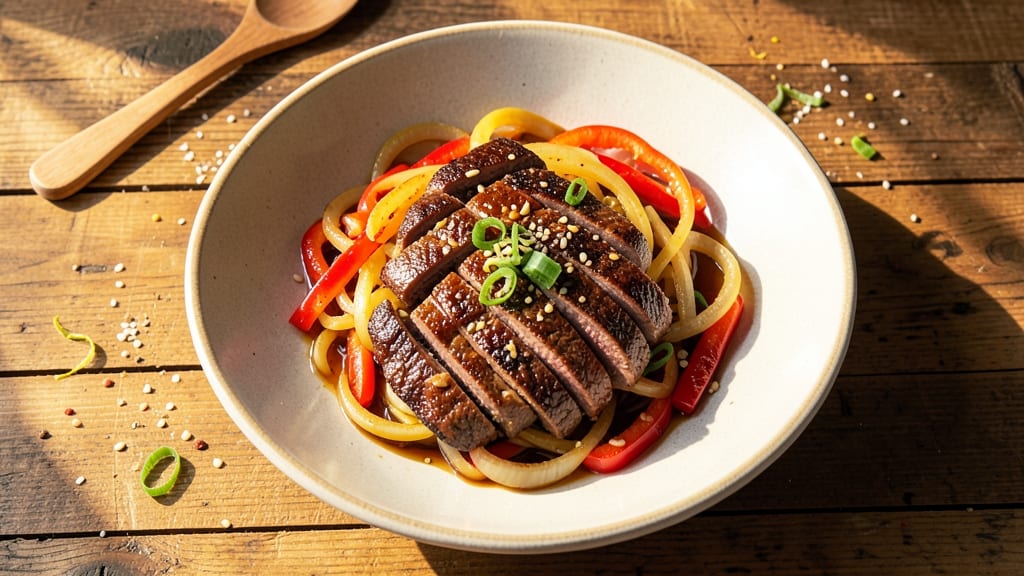
America's Test Kitchen beef stir fry delivers wok-seared tenderness and caramelized onion depth that transforms simple ingredients into restaurant-quality results. The secret lies in precise heat control and marinating the beef just right—no tough, chewy pieces here.
This recipe proves stir fry doesn't require a wok; a heavy-bottomed skillet works perfectly when used correctly.
What sets this recipe apart is the layered flavor approach: a sweet-savory sauce that clings to the beef, velvety caramelized onions that add depth, and vegetables that stay crisp-tender.
The technique involves high-heat searing followed by quick stir-frying, ensuring maximum flavor development without overcooking. Even beginners can achieve professional results with these clear, step-by-step instructions.
By the time you're done, you'll have perfectly seared beef strips with a caramelized crust, onions that melt in your mouth, and vegetables that retain their snap. The sauce balances sweet, salty, and umami notes perfectly, creating a dish that's both satisfying and elegant.
This is the kind of stir fry that makes weeknight dinners feel special.
Serve over steamed jasmine rice or noodles for the full experience, or pair with a simple cucumber salad to cut through the richness. The recipe scales easily for feeding a crowd while maintaining balance and flavor in every bite.
Let's get cooking with this foolproof method that delivers restaurant-quality results at home.
Ingredients for america's test kitchen beef stir fry
Restaurant-quality beef stir fry starts with these 14 precise ingredients and perfect technique.
| Ingredient | Amount | Notes |
|---|---|---|
| Flank Steak 🥩 | 1 ½ lb | Thinly sliced against grain |
| Yellow Onions 🧅 | 1 whole | Thinly sliced for caramelization |
| Bell Peppers 🍆 | 2 whole | Assorted colors, sliced |
| Garlic Cloves 🧄 | 4 cloves | Minced for marinade and sauce |
| Ginger Root 🌿 | 1 inch | Fresh, grated for marinade |
| Soy Sauce 🥢 | ½ cup | High-quality, low-sodium preferred |
| Honey 🍯 | 2 tbsp | Pure, for sauce balance |
| Sesame Oil 🫒 | 1 tbsp | Toasted, for aroma |
| Vegetable Oil 🫒 | 2 tbsp | High smoke point for searing |
| Cornstarch 🌾 | 1 tbsp | For sauce thickening |
| Jasmine Rice 🍚 | 1 ½ cups | Uncooked, for serving |
| Sesame Seeds 🌱 | 1 tbsp | Toasted, for garnish |
| Kosher Salt 🧂 | 1 ½ tsp | Diamond Crystal preferred |
| Black Pepper 🌶️ | ½ tsp | Freshly ground |
The flank steak is non-negotiable—its lean texture sears beautifully when sliced thinly against the grain. Look for well-marbled cuts at specialty butchers or the meat counter at Whole Foods or Dartmouth Farms. Pre-sliced stir-fry strips work in a pinch, but they lack the premium texture. For the onions, yellow onions caramelize best—avoid red or white varieties. The bell peppers should be firm and vibrant; Trader Joe's carries excellent organic options year-round. Garlic and ginger need to be fresh: penetrating aroma when smashed means peak quality. Store all aromatics in the fridge until ready to use.
No flank steak? Sirloin or ribeye works, but slice thinner. Swap soy sauce for coconut aminos (1:1 ratio) if gluten-free. The honey can be replaced with maple syrup for vegan versions, though it alters the flavor profile slightly. Sesame oil is purely for aroma—use sparingly. For the sauce thickening, arrowroot powder works identically to cornstarch. Bell peppers can be omitted entirely if you prefer a meat-forward dish, but the crunch adds essential texture. Always toast your sesame seeds in a dry pan for 30 seconds before using—they develop incredible flavor.
Prep the steak last—it should sit at room temperature for 20-30 minutes before cooking. Store leftover cooked rice in an airtight container with a paper towel pressed on top to prevent sogginess. The stir-fry sauce keeps for 5 days refrigerated or 3 months frozen. For best results, reheat gently in a skillet with a splash of water. The dish reheats beautifully, though the onions may soften further. Portion into individual containers for easy lunches—just add fresh rice when serving.
Why You'll Love This Recipe
- One-Pan Magic: I swear by this recipe—just slice the flank steak thin, toss it with onions and peppers, and let the wok do the work. No extra pots, no mess, and honestly? That caramelized onion and beef combo happens almost by accident.
- Umami Bomb: Between the garlic, ginger, and soy sauce, this stir-fry hits all the right notes—sweet, savory, with just enough heat to linger. The flank steak gets that perfect chew, and the bell peppers add a crunch that makes every bite satisfying.
- Lunchbox Hero: I make double batches on Sundays because this reheats like a dream. Pack it in containers for work or school, and it’s still flavorful hours later. My kids even eat it cold—no complaints, just clean plates.
- Budget Power Move: Flank steak stretches far, and onions/peppers are cheap staples. A single recipe feeds four for under $15, and leftovers? They’re even better the next day. It’s my go-to when I need a filling, tasty meal without breaking the bank.
Step-by-step instructions for america's Test Kitchen beef stir fry
Precision timing and high-heat technique create restaurant-quality tenderness in every bite.
Marinate and Prep the Flank Steak
Slice the 1.5 lb flank steak thinly against the grain into ¼-inch strips. Place in a bowl and combine with 0.5 cup soy sauce, 2 tbsp honey, 1 tbsp sesame oil, 1 tbsp minced garlic cloves, and 1 tbsp grated ginger root. Marinate for at least 30 minutes (or up to 4 hours) in the refrigerator. This acid-sugar marinade breaks down tough fibers while infusing flavor.
Real talk: Don't skip the grain direction—cutting perpendicular ensures maximum tenderness. The longer you marinate, the more pronounced the flavor becomes, but even 30 minutes makes a noticeable difference. Keep the steak in a single layer in the bowl to ensure even coating.
Cook the Jasmine Rice to Perfection
Rinse the 1.5 cups jasmine rice thoroughly under cold water until the water runs clear. This removes excess starch that would make the rice gummy. Cook according to package instructions using a 1:1.5 rice-to-water ratio, typically resulting in 1.5 cups cooked rice. For best texture, use a rice cooker or bring to a boil, then reduce to a simmer for 15 minutes before resting covered for 10 minutes. Fluff with a fork before serving.
The resting period is critical—it allows steam to redistribute and creates that separate-grain texture we all love. If your rice turns out sticky, it means either the water ratio was off or you didn't rinse properly. This step sets the foundation for your stir fry, so take your time here.
Caramelize Onions and Prepare Vegetables
Heat 1 tbsp vegetable oil in a wok or large skillet over medium heat. Add the 1 whole yellow onion (thinly sliced) and cook for 12-15 minutes, stirring occasionally, until deeply golden brown and caramelized. Remove and set aside—this concentrated sweetness will elevate your entire dish.
In the same pan, add 2 tbsp vegetable oil and increase heat to high. Add the 2 whole bell peppers (sliced) and stir-fry for 4-5 minutes until just tender but still vibrant. Remove and set aside with the onions. The high heat preserves color while developing just enough texture to hold up in the stir fry.
Wok-Sear the Beef to Perfect Tenderness
Return the wok to high heat and add the marinated beef in a single layer. Let it sear undisturbed for 1-2 minutes until deeply browned on the bottom. Stir and cook for another 1-2 minutes until the beef reaches 145°F internally. Remove and set aside—this high-heat sear creates that signature wok-seared texture while keeping the center tender.
Here's where it gets technical: The beef should be cooked just until it reaches medium-rare at the center. Overcooking turns it tough, while undercooking leaves it raw. A meat thermometer is your best friend here. If you don't have one, cut into a piece—it should have a pink center with slightly gray edges.
Build the Glossy Stir Fry Sauce
In the same wok, reduce heat to medium and add 4 minced garlic cloves. Cook for 30 seconds until fragrant. Add 0.5 cup soy sauce, 1 tbsp sesame oil, and 1 tbsp cornstarch mixed with 2 tbsp water to create a slurry. Stir constantly for 2-3 minutes until the sauce thickens to a glossy consistency that coats the back of a spoon.
This is the moment that matters: The cornstarch slurry should be added last to prevent lumps. If the sauce thickens too quickly, add 1-2 tablespoons hot water to adjust consistency. The sauce should cling beautifully to the beef and vegetables, creating that signature glossy sheen we all crave.
Combine and Finish
Return all the beef, onions, and bell peppers to the wok. Toss everything together for 1-2 minutes until evenly coated with the sauce. Taste and adjust seasoning with 1.5 tsp kosher salt and 0.5 tsp black pepper. Garnish with 1 tbsp toasted sesame seeds before serving over the cooked jasmine rice.
Serve immediately while the beef is still hot and the rice is warm. The combination of caramelized onions, wok-seared beef, and glossy sauce creates a perfect balance of textures and flavors. Each bite should deliver tender beef, sweet onions, crisp peppers, and that perfect sauce clinging to every component.
Pro Tips For Making America'S Test Kitchen Beef Stir Fry
- Slice Thin, Then Rest: The recipe calls for flank steak sliced against the grain—but if you cut it too thin before resting, it’ll turn to shoe leather. Slice it to ¼-inch thickness after resting (5–10 minutes under foil), not before. Trust me, the difference in tenderness is night and day.
- Char the Aromatics: America’s Test Kitchen swears by high heat for garlic and ginger, but I learned the hard way—if you’re not getting that deep, nutty color, you’re missing flavor. Use a dry pan and cook the garlic and ginger until they’re golden brown with flecks of black (about 2 minutes). Yes, it’ll smell like your kitchen’s on fire—good.
- Don’t Crowd the Pan: The recipe’s searing step is where beef stir-fry goes from good to great, but if you pile the sliced steak in, it’ll steam instead of brown. Work in batches—no more than ½ inch thick—and let each piece hit the pan with a sizzle. I used to rush this, and the result was sad, gray meat.
- Prep the Onions Last: Onions release water like a faucet, and if they’re in the pan too early, they’ll dilute your sauce. Dice them just before adding them to the stir-fry—even if it means chopping while the wok’s hot. The recipe’s sauce will cling better, and your veggies won’t turn to mush. (Pro move: Pat them dry first.)
Common mistakes when making this dish
Overcrowding the Pan
This is the #1 mistake that turns tender beef into chewy disappointment. When you overload your wok or skillet with beef, the temperature drops dramatically, causing the meat to steam instead of sear.
I've seen home cooks pack in all the beef at once, thinking they're saving time—but they end up with mushy results. Instead, work in single layers and cook in batches if needed. Your pan should look busy but not jammed—think "golden brown gaps" between pieces. 🔥
Skipping the Resting Period
You've just seared your beef to perfection, and now you're tempted to toss everything together immediately. Big mistake! Letting the beef rest for 5-10 minutes after cooking allows the juices to redistribute, preventing them from leaking out when you combine everything.
I've caught myself rushing this step too—once I actually timed myself and realized I was cutting that rest period to just 2 minutes. The difference in tenderness is night and day. Trust me, those extra minutes pay off.
Using Low Heat for Searing
The key to wok-seared beef is high, consistent heat. I can't stress this enough—medium or low heat will give you gray, rubbery beef instead of that beautiful caramelized crust. Your pan should be so hot that when you add the beef, you hear a satisfying sizzle immediately.
If you're not getting that, your heat isn't high enough. For best results, preheat your wok or skillet over high heat for 5 minutes before adding oil. This ensures your cooking surface is properly heated for that perfect sear.
Inconsistent Stirring
Many home cooks either don't stir enough or stir too much during the stir-fry process. Too little stirring means uneven cooking, while over-stirring breaks down the beef's texture. The perfect approach is to stir just enough to separate the beef and vegetables without overworking them.
I use a spatula with a slightly curved edge to gently toss everything while maintaining that wok-seared crust. Think "gentle agitation" rather than vigorous stirring—this preserves the texture we worked so hard to create.
Underestimating Sauce Thickness
The sauce is what ties everything together, and getting the consistency right is crucial. Too thin, and it won't coat the beef properly; too thick, and it becomes gluey. The ideal sauce should be glossy and coat the back of a spoon without being syrupy.
I've learned the hard way that adding all the cornstarch at once can make the sauce too thick too quickly. Instead, mix the cornstarch with water first to create a slurry, then add it gradually while stirring constantly.
If your sauce starts looking too thick, add 1 teaspoon hot water to adjust.
Ignoring Meat Temperature
This is where many home cooks go wrong—they rely on visual cues alone to determine doneness. Flank steak should reach an internal temperature of 145°F for medium-rare, which is perfect for stir-fry. Without a meat thermometer, it's easy to overcook and end up with tough beef.
I keep a ThermoWorks Smoke thermometer handy because it's fast and accurate. If you don't have one, cut into a small piece—it should have a pink center with slightly gray edges.
Remember, beef continues cooking slightly after you remove it from the pan, so pull it out just before it reaches your target temperature.
Nutrition facts
Frequently asked questions
Can I use a different cut of beef besides flank steak?
Yes! Sirloin or ribeye work well, but slice them thinner (⅛-inch strips) since they're more tender. Skirt steak is another great option—it has excellent flavor but needs the same thin slicing against the grain. Avoid tougher cuts like chuck; they won't achieve the same tenderness even with marinating.
How do I prevent the beef from getting chewy?
Three key steps:
- Slice against the grain (never with it!),
- Marinate for at least 30 minutes (acid breaks down fibers), and
- Cook to 145°F internal temp. Overcrowding the pan is the #1 culprit—work in single layers! The beef should be tender but still slightly pink in the center.
What's the best way to reheat leftovers?
Reheat gently in a skillet over medium-low heat with 1 tbsp water to prevent drying. Add the beef and vegetables back to the pan, tossing for 2-3 minutes until warmed through. The sauce will re-gloss, but the onions may soften further. For rice, microwave with a damp paper towel over it for 1 minute to restore fluffiness.
Can I make this gluten-free?
Swap the soy sauce for coconut aminos (1:1 ratio) and use tamari if you must keep some umami. The honey can become maple syrup, though it alters the flavor slightly. All other ingredients remain the same. Test the sauce consistency—you may need ½ tsp extra cornstarch since coconut aminos are thinner.
How do I adjust the spice level?
For more heat, add ½ tsp red pepper flakes to the sauce or sprinkle ½ tsp chili crisp on top when serving. For milder flavor, reduce the black pepper to ¼ tsp and omit the sesame seeds (they carry a subtle nuttiness). The caramelized onions already provide natural sweetness that balances any spice.