
Main Courses
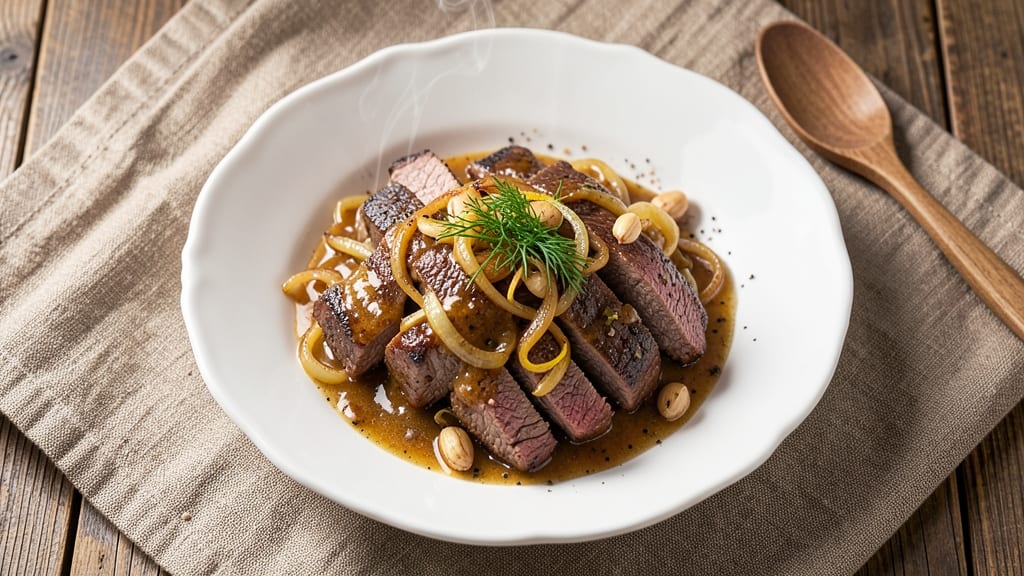
America's Test Kitchen beef stroganoff delivers restaurant-quality results with silky sauce and perfectly tender beef—every bite is rich, velvety, and deeply flavorful. The secret lies in proper searing and sauce reduction, transforming simple ingredients into a dish that feels like a home-cooked masterpiece.
This recipe balances bold flavors with precise technique, ensuring the beef stays juicy while the sauce achieves that signature smooth texture.
We start with thinly sliced beef strips seared to a deep brown, locking in flavor through the Maillard reaction—a technique that elevates this dish from ordinary to extraordinary.
The sauce builds on a foundation of mustard and sour cream, reduced with beef broth to create a velvety consistency that coats every noodle. Unlike many versions, this method avoids lumps and delivers a sauce that's both rich and balanced, never overpowering.
By the time you serve it, you'll have tender beef with a caramelized crust, paired with perfectly cooked egg noodles or creamy mashed potatoes. The dish finishes with a sprinkle of fresh parsley, adding brightness to the creamy sauce.
This is comfort food at its finest—warm, satisfying, and worthy of any dinner table.
The best part? Leftovers reheat beautifully, making this an ideal recipe for meal prep. Whether you're feeding a family or treating yourself, this beef stroganoff lives up to the high standards set by America's Test Kitchen. Let's get cooking with precision and confidence.
Ingredients for america's test kitchen beef stroganoff
Precision-cut beef and velvety sauce transform simple pantry staples into America's Test Kitchen's signature stroganoff.
| Ingredient | Amount | Notes |
|---|---|---|
| Beef Top Round 🥩 | 1 ½ lb | Thinly sliced against grain |
| Unsalted Butter 🧈 | ½ cup | Cold, cubed for searing |
| Yellow Onion 🧅 | 1 whole | Thinly sliced, 1/4-inch strips |
| Garlic Cloves 🧄 | 4 cloves | Minced, peeled |
| Dijon Mustard 🍋 | 2 tbsp | High-quality, smooth variety |
| Beef Broth 💧 | 2 cups | Low-sodium, homemade preferred |
| Sour Cream 🥛 | ½ cup | Full-fat, room temperature |
| All-Purpose Flour 🌾 | 2 tbsp | Diamond Crystal preferred |
| Fresh Parsley 🌿 | ¼ cup | Chopped, flat-leaf preferred |
| Egg Noodles 🍝 | 8 oz | Fresh or dried, 1/4-inch wide |
| Salt 🧂 | 1 ½ tsp | Diamond Crystal kosher salt |
| Ground Black Pepper 🌶️ | ½ tsp | Freshly ground preferred |
| Worcestershire Sauce 🍶 | 1 tbsp | High-quality, anchovy-free |
The beef is non-negotiable—top round delivers the perfect balance of tenderness and sear. Look for well-marbled cuts at Whole Foods or your local butcher; avoid pre-sliced packages that often contain tougher, less flavorful cuts. Slice against the grain for maximum tenderness, and pat dry thoroughly before searing. The Dijon mustard should be the smooth variety (no grainy bits)—Amoy or Maille are ideal choices. For the broth, homemade is best, but Swanson or Pacific brand low-sodium versions work in a pinch. The sour cream must be full-fat; Kroger or Trader Joe's organic brands are excellent choices.
No Dijon mustard? Substitute with 1 tbsp regular mustard plus 1 tsp honey for similar depth. Running short on Worcestershire? Soy sauce or balsamic vinegar can bridge the flavor gap, though the umami profile won't be identical. The egg noodles can be swapped for fettuccine or linguine, but wider noodles hold the sauce better. For a dairy-free option, replace sour cream with Greek yogurt or coconut cream. If you're prepping ahead, cook the noodles al dente and finish them in the sauce to prevent mushiness. The parsley is purely for freshness—skip it if you're serving immediately.
Beef can be seared up to 2 days ahead and refrigerated in a sealed container; reheat gently in the sauce. The sauce itself reheats beautifully but may thicken—stir in 1 tbsp broth or water if needed. For meal prep, store components separately: noodles, beef, and sauce. Assemble and reheat over medium heat for 2-3 minutes to maintain that silky texture. The dish keeps for 4 days in the fridge or 3 months frozen, though flavor peaks within the first 2 days.
Why You'll Love This Recipe
- One-Pan Magic: I swear by this recipe because it’s actually one-pan—no skillet-to-saucepan transfer mess. The beef cooks right in the same dish as the onions and garlic, so cleanup is just a wipe-down and done. (Yes, even on a Tuesday night.)
- Top Round Wins: Here’s what sold me—the beef is cheap but tender. Slicing Top Round thin and searing it fast keeps it juicy, and that Dijon-mustard kick in the sauce? It’s the secret weapon that makes store-brand beef taste like a restaurant plate.
- Leftovers for Days: This stroganoff begs to be made extra. The sauce thickens beautifully when reheated, and it’s just as good cold in wraps or over rice the next day. I’ve fed my family for three lunches from one batch—no one complained once.
- Weeknight Flex: Need a dinner that works for date night, game day, or "I just want pasta" night? This does it all. Swap in egg noodles for a quick meal, or serve it over mashed potatoes for a hearty crowd-pleaser. Honestly, it’s my go-to when I don’t want to think.
Step-by-step instructions for america's Test Kitchen beef stroganoff
Mastering this dish comes down to precise technique and timing—here's how to achieve silky sauce and perfectly tender beef.
Prepare the Beef for Optimal Tenderness
Slice the 1.5 lb beef top round thinly against the grain into ¼-inch thick strips. This is critical for tenderness—thicker slices will remain chewy. Place the sliced beef in a bowl and toss with 1.5 tsp salt and 0.5 tsp ground black pepper. Let it sit at room temperature for 15 minutes while you prepare the rest of the ingredients. The salt will begin to break down the muscle fibers, ensuring maximum tenderness when cooked.
While the beef marinates, slice the whole yellow onion into ¼-inch strips and mince the 4 cloves garlic. Keep these separate for now—they'll be cooked at different stages. I like to use a sharp chef's knife for the onions to get even strips, and a microplane for the garlic to create fine, aromatic particles that will infuse the sauce beautifully.
Sear the Beef in Butter for Rich Flavor
Heat a large skillet over medium-high heat and add the 0.5 cup unsalted butter, cubed. Once the butter foams and begins to bubble, add the seasoned beef in a single layer. Cook undisturbed for 2-3 minutes until the beef develops a deep golden-brown crust. This initial sear locks in juices and builds flavor.
Resist the urge to move the beef around—let it crisp evenly. Once browned on one side, flip the pieces and cook for another 2-3 minutes until browned on both sides. The beef should be cooked to medium-rare at this point (about 130°F internal temperature). Remove the beef from the skillet and set it aside on a plate, leaving all the rendered butter and browned bits in the pan.
Build the Flavorful Sauce Base
Reduce the heat to medium and add the sliced onions to the skillet. Cook for 4-5 minutes, stirring occasionally, until softened and beginning to caramelize. This step develops sweetness that balances the richness of the sauce. Add the minced garlic and cook for another 30 seconds until fragrant—don't let it brown or it'll turn bitter.
Stir in the 2 tbsp all-purpose flour and cook for 1 minute, whisking constantly to create a smooth roux. This will thicken the sauce beautifully. Immediately pour in the 2 cups beef broth and the 1 tbsp Worcestershire sauce, scraping up any browned bits from the bottom of the pan. Bring to a simmer and cook for 5-6 minutes until the sauce thickens slightly and coats the back of a spoon.
Finish with Mustard and Sour Cream
Return the beef to the skillet and stir in the 2 tbsp Dijon mustard. Simmer for 2 minutes to let the flavors meld. The mustard adds a subtle tang that brightens the rich sauce. Remove the skillet from heat and gently stir in the 0.5 cup sour cream. The residual heat will temper the cream, preventing it from curdling.
Taste and adjust seasoning with additional salt or pepper if needed. The sauce should be velvety with a perfect balance of tangy, savory, and umami flavors. If it's too thick, whisk in 1-2 tablespoons of warm water to reach your desired consistency. Keep the stroganoff warm over low heat while you prepare the noodles.
Cook the Noodles and Assemble
Cook the 8 oz egg noodles according to package instructions until al dente (about 8-10 minutes). Drain and rinse briefly under cold water to stop the cooking process, then toss with 1 tbsp olive oil to prevent sticking. Divide the noodles among four plates and top generously with the beef stroganoff.
Garnish each serving with 0.25 cup chopped fresh parsley and an additional dollop of sour cream if desired. The parsley adds freshness that cuts through the richness, while the sour cream provides a cooling contrast. Serve immediately while the sauce is still silky and the noodles are hot—this dish tastes best straight from the skillet!
Pro Tips For Making America'S Test Kitchen Beef Stroganoff
- SEAR THE BEEF FAST: America’s Test Kitchen swears by a high-heat sear—get your pan screaming hot (medium-high to high) and work in batches if needed. I used to drag this out, and the beef ended up gray and tough; now I blast it for 2-3 minutes per side until deep brown. That crust is what carries the flavor through the creamy sauce.
- SLICE THE ONION THIN: Thinly sliced onions (⅛-inch or less) cook faster and sweeten properly without turning to mush. Use a mandoline if you’re impatient—my first attempts with chopping left me with bitter, watery onions. The recipe counts on them caramelizing, not just wilting.
- DON’T SKIP THE REST: After searing, let the beef rest for 5 minutes before slicing—yes, even if you’re starving. I learned this the hard way: cutting into it too soon turns the tender slices into a sad, stringy mess. The juices redistribute, and the stroganoff stays juicy.
- UPGRADE WITH A SPLASH OF BRANDY: The recipe calls for a splash of brandy or cognac, but I used to skip it. Now I keep a small bottle on hand—just 1-2 tablespoons deglaze the pan after searing, adding depth that dry ingredients can’t match. (If you’re avoiding alcohol, a splash of apple juice works in a pinch.)
Common mistakes when making this recipe
Overcooking the Beef
One of the most common mistakes is overcooking the beef, which turns tender strips into tough, chewy bites. I’ve seen this happen when people keep the beef in the sauce too long or reheat leftovers on high heat.
Remember, the beef should be cooked to medium-rare (130°F) during the initial sear, then just warmed through in the sauce. If you're reheating, use low heat and add a splash of broth to keep it moist. 🔥
Skipping the Sear
Some cooks rush the searing step, either because they're short on time or they don’t realize how critical it is for flavor. The deep brown crust from searing develops the Maillard reaction, which creates that rich, savory depth in the dish.
If you skip it, your stroganoff will taste flat. Use a heavy skillet like Lodge cast iron for even heat distribution and let the beef develop that golden crust undisturbed. Patience here pays off in flavor.
Adding Sour Cream Too Early
Many recipes fail because the sour cream gets added while the sauce is still hot, causing it to curdle and turn grainy. The key is to remove the skillet from heat before stirring in the sour cream—the residual heat will gently warm it without cooking it.
If you’re worried, whisk in the sour cream off the heat and let it sit for 1 minute before returning to low heat. This ensures a silky, lump-free sauce every time.
Using Low-Quality Ingredients
Cheap cuts of beef, watery broth, or low-fat sour cream can ruin an otherwise perfect stroganoff. Invest in top round beef (or flank steak) from a trusted butcher, and use full-fat sour cream for richness.
For broth, homemade is ideal, but brands like Swanson or Pacific low-sodium versions work well. The difference in quality is noticeable—don’t cut corners here. 💡
Ignoring the Roux
Many home cooks skip the flour roux step, assuming it’s optional. But this is where the sauce gets its thickness and depth. Cook the flour in the butter for 1 minute to toast it slightly before adding the broth—this removes the raw flour taste and adds a nutty note.
Without it, your sauce will be thin and watery. Think of it as the backbone of your stroganoff.
Over-Salting the Sauce
The sauce can easily become too salty if you don’t taste as you go. The beef is already seasoned, and the broth, mustard, and sour cream all contribute to the flavor balance. Taste the sauce before adding the sour cream, and adjust with kosher salt in small increments.
A little goes a long way—over-salting ruins the harmony of flavors. Trust your palate and adjust gradually.
Nutrition facts
Frequently asked questions
Why does this recipe use top round beef instead of sirloin?
Top round is leaner and more tender when sliced thinly against the grain, making it perfect for stroganoff where you want melt-in-your-mouth texture. Sirloin would be too fatty and chewy for this dish. The thin slicing and proper searing ensure maximum tenderness without needing a more expensive cut.
Can I make this stroganoff ahead of time?
The beef can be seared up to 2 days ahead and stored in the fridge. The sauce can be made 1 day ahead—just reheat gently over low heat and adjust consistency with a splash of broth. Keep the noodles separate until serving to prevent sogginess. The flavors actually improve when reheated!
What's the secret to getting a silky sauce?
The key is threefold: toasting the flour in butter for 1 minute, removing the pan from heat before adding sour cream, and using full-fat ingredients. The roux builds body, residual heat tempers the cream, and high-quality dairy prevents curdling. Never let the sauce boil after adding the cream!
Can I substitute egg noodles with another pasta?
Yes! Fettuccine or linguine work well—the wider noodles hold the sauce better. For a gluten-free option, try chickpea or brown rice pasta, but cook them 1 minute less than package instructions since they'll finish in the sauce. Avoid spaghetti as it's too thin to properly coat with the stroganoff.
How do I fix curdled sour cream in the sauce?
If you notice curdling, immediately remove the pan from heat and whisk in 1 tbsp cold water or 1 tbsp additional sour cream. The cold liquid helps reset the proteins. For a smoother texture, strain the sauce through a fine-mesh sieve before serving. Prevention is key—always add sour cream off the heat!