
Main Courses
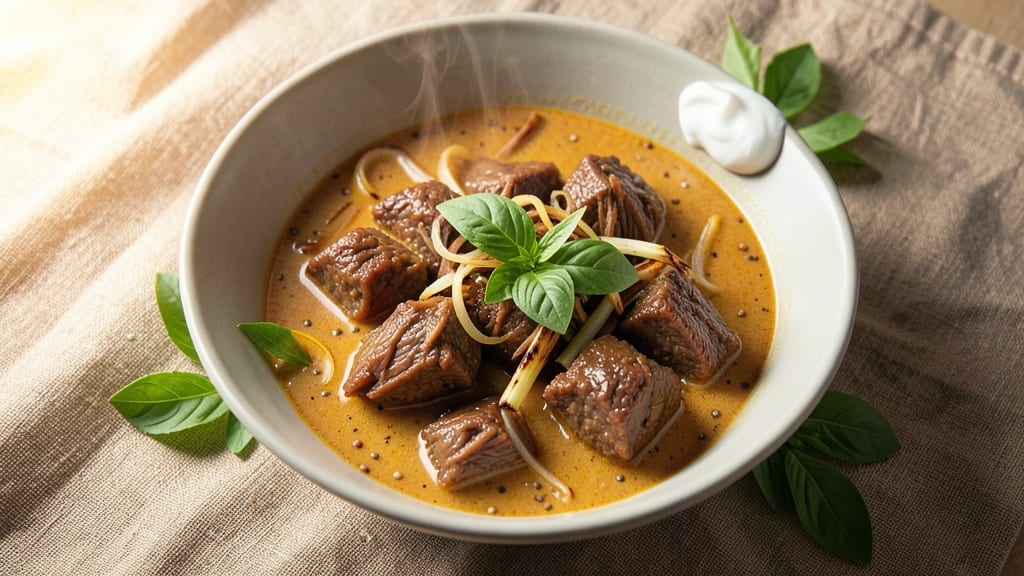
America's Test Kitchen's Panang beef curry recipe delivers restaurant-quality depth with velvety coconut cream and aromatic toasted lemongrass—no shortcuts, just precise technique. The secret lies in toasting whole spices and lemongrass to unlock their full flavor, then simmering the curry just until the beef becomes fork-tender while maintaining a rich, balanced sauce. This isn't your average takeout imitation; it's a methodically refined dish that transforms simple ingredients into something extraordinary through attention to detail.
What sets this recipe apart is the balance of sweet, spicy, and tangy notes—achieved through a carefully calibrated blend of spices and a touch of tamarind paste for depth.
The coconut cream base is velvety without being overly rich, thanks to a technique that prevents curdling while building layers of flavor.
Unlike many home versions, this curry doesn't rely on pre-made pastes; instead, it starts with whole spices toasted in oil to develop complex aromatics before being ground into a fragrant paste. The result is a dish that's both restaurant-worthy and repeatable at home.
By the time you serve this curry, you'll have perfectly tender beef swimming in a sauce that's rich yet balanced—sweet from coconut, spicy from chiles, and bright from toasted lemongrass. The texture is velvety, not greasy, and every spoonful delivers layers of flavor that build with each bite.
This is the kind of recipe that transforms a weeknight dinner into an occasion worth savoring, all while staying true to the bold, aromatic spirit of Panang curry.
The best part? This method is designed for success—no guesswork, no burning spices, and no last-minute adjustments. Whether you're serving it over jasmine rice or with naan, the precision of America's Test Kitchen ensures you'll achieve professional results every time. Let's get started on creating this standout dish.
Ingredients for america's test kitchen panang beef curry
Toasted spices, tender beef, and velvety coconut—here's what makes this Panang curry extraordinary.
| Ingredient | Amount | Notes |
|---|---|---|
| Chuck Roast 🥩 | 2 lb | Cut into 1.5-inch cubes, boneless |
| Lemongrass Stems 🌿 | 4 whole | Outer leaves removed, bruised |
| Garlic Cloves 🧄 | 6 cloves | Peeled, whole for toasting |
| Shallots 🧅 | 2 whole | Peeled, halved lengthwise |
| Coconut Cream 🥥 | 13 ½ oz | Full-fat, not light |
| Coconut Milk 🥥 | 1 can | 13.5 oz can, full-fat |
| Red Curry Paste 🌶️ | 2 tbsp | Homemade or quality store-bought |
| Tamarind Paste 🍯 | 1 tbsp | Adjust for tanginess |
| Fish Sauce 🍶 | 1 tbsp | Red Boat preferred |
| Brown Sugar 🍚 | 2 tbsp | Packed measurement |
| Coriander Seeds 🌿 | 1 tbsp | Toasted, whole |
| Cumin Seeds 🌿 | 1 tsp | Toasted, whole |
| Cardamom Pods 🌿 | 4 whole | Lightly crushed |
| White Peppercorns 🌶️ | ½ tsp | Crushed, not ground |
| Jasmine Rice 🍚 | 1 ½ cups | Uncooked, long-grain |
| Vegetable Oil 🫒 | 2 tbsp | High smoke point |
| Salt 🧂 | 1 ½ tsp | Kosher or sea salt |
The beef choice matters—chuck roast delivers that signature fall-apart texture. Most grocery stores carry it pre-cut, but if buying whole, ask the butcher to cube it. Costco or Whole Foods are reliable sources for quality cuts. Lemongrass? Look for fresh stems with vibrant green leaves—avoid dried or wilted stalks. The shallots should be firm and pale purple. For the coconut products, Goya or Thai Kitchen brands are consistent choices, but always opt for full-fat versions—they make a noticeable difference in richness.
No red curry paste? Start with 1 tbsp each of chili powder, cumin, and coriander, then add a pinch of turmeric for color. Tamarind paste unavailable? Substitute 1 tbsp lime juice plus 1 tsp sugar. The fish sauce is non-negotiable for umami depth—Red Boat is the gold standard, but Three Crabs works in a pinch. For the spices, toast them in a dry pan until fragrant (about 2 minutes)—this step unlocks their full potential. The brown sugar should be packed into the measuring spoon for accurate sweetness. If you're short on time, skip toasting the spices but don't skip the bruising step for lemongrass.
Store the curry base (without beef) for up to 5 days in the fridge—it actually improves overnight. The cooked curry reheats beautifully; just add a splash of water or coconut milk if it thickens too much. For the rice, cook it separately and keep it warm in a rice cooker or covered pot. The spices in the curry paste will lose potency after 3 months in the pantry, so buy small quantities if you won't use them all. Portion the curry into containers with rice for easy meal prep—it's even better the next day as flavors meld.
Why You'll Love This Recipe
- One-Pot Magic: The chuck roast practically cooks itself while you prep the aromatics—no extra pots, no fuss. Just brown the beef, toss in the lemongrass and shallots, and let the slow simmer do the work. (Between us, I’ve made this while scrolling through my phone.)
- Creamy-Spicy Balance: That coconut cream and lemongrass? It’s the kind of flavor that hits different—rich but bright, with just enough heat to linger. The garlic and shallots caramelize into something deep and savory, like a hug in a bowl.
- Lunchbox Hero: Pack it for work, freeze portions for lazy nights, or bring it to potlucks—this curry tastes even better the next day. Honestly, I’ve reheated leftovers three times and still craved more. (Yes, even on a Tuesday night.)
- Budget Stretch: A chuck roast is affordable, and this recipe feeds four easily—meaning fewer takeout runs and happier wallets. Plus, the flavors get better as it sits, so you’re not just saving money, you’re getting a free upgrade.
Step-by-step instructions for america's Test Kitchen Panang beef curry
Aromatic, velvety, and perfectly balanced—this method delivers restaurant-quality Panang curry every time.
Toast the Spices and Aromatics
Heat a dry skillet over medium heat and add the 2 tbsp vegetable oil. Once shimmering, add the 1 tbsp coriander seeds and 1 tsp cumin seeds. Toast for 2-3 minutes until fragrant and the seeds begin to pop—this releases their essential oils and deepens the flavor. Immediately transfer to a bowl and set aside.
In the same skillet, add the 4 whole lemongrass stems (bruised), 6 cloves garlic (peeled), and 2 whole shallots (halved lengthwise). Cook for 3-4 minutes until the garlic turns golden and the shallots soften. This step builds the aromatic base that carries through the entire dish. Remove from heat and set aside with the toasted seeds.
Brown the Chuck Roast
Increase heat to medium-high and add the 2 lb chuck roast (cut into 1.5-inch cubes) in a single layer. Let them sear undisturbed for 3-4 minutes until deeply browned on one side. Flip and repeat for the other side—this Maillard reaction creates rich, caramelized flavors. Transfer the beef to a plate and set aside.
Real talk: If the beef releases easily from the pan, it's ready to flip. If it sticks, let it cook a bit longer—patience here prevents a bland curry. The goal is a deep, golden crust on each piece.
Build the Curry Base
Reduce heat to medium and add the 2 tbsp red curry paste, stirring to coat the pan. Cook for 1 minute until fragrant. Add the 1 tbsp tamarind paste, 1 tbsp fish sauce, and 2 tbsp brown sugar, stirring constantly for 2 minutes to blend these flavors into the paste.
Pour in the 1 can coconut milk and 13.5 oz coconut cream, scraping up any browned bits from the bottom of the pan. Bring to a gentle simmer, then add the toasted spices and aromatics. Simmer for 5 minutes to infuse the coconut with those toasted flavors.
Simmer the Beef Until Tender
Return the beef to the skillet, along with any accumulated juices. Add 1.5 tsp salt and 0.5 tsp crushed white peppercorns. Bring to a simmer, then reduce heat to low. Cover and cook for 1.5-2 hours, stirring occasionally, until the beef is fork-tender and easily pulls apart.
Here's the thing—don't rush this step. The low heat ensures the beef stays moist while absorbing all those complex flavors. If the sauce reduces too much, add a splash of water to maintain the right consistency.
Prepare and Serve with Jasmine Rice
While the curry simmers, cook the 1.5 cups jasmine rice according to package instructions—it should be fluffy and separate when done. Taste the curry and adjust seasoning if needed; you may need a touch more fish sauce for saltiness or tamarind for tang.
Serve the curry hot over the jasmine rice, garnished with additional toasted spices if desired. The result should be a velvety, aromatic curry with tender beef that practically melts in your mouth. Each bite delivers layers of lemongrass, coconut cream, and toasted spices—perfectly balanced.
Pro Tips For Making America'S Test Kitchen Panang Beef Curry
- BLISTER THE AROMA BASE: After burning three batches of shallots and garlic, I finally figured out the recipe’s secret: cook them slowly in the oil until deeply golden, not crispy. The ATK version calls for a low simmer—don’t rush it—or you’ll scorch the lemongrass and end up with bitter, burnt notes instead of that sweet, nutty depth.
- CHAR THE LEMONGRASS: Split those lemongrass stems lengthwise before adding them to the pot—yes, even if it looks messy. The recipe relies on their charred edges for flavor, but whole stems just float and steam. I used to skip this, and the curry always tasted flat. Two minutes of direct heat on the split sides makes a real difference.
- SALT THE COCONUT CREAM: The coconut cream in this recipe is the backbone of the sauce, but it’s often bland straight from the can. Sprinkle a pinch of salt directly into the pot when you add it—this balances the sweetness and cuts through the richness. I learned this the hard way after tasting a batch where I forgot, and it felt like I’d missed a key ingredient.
- REST THE MEAT TWICE: Chuck roast needs two rests: first, let it sit at room temp for 30 minutes before searing (this guarantees even cooking), and second, tent it with foil for 10 minutes after removing from the pot. The ATK method relies on the meat’s carryover heat to finish tender, but skipping the second rest leaves it tough. Trust the process—your future self will thank you.
Regional styles of this america's test kitchen panang beef curry
Thai Street Food
This recipe captures the bold, aromatic essence of Thai street food stalls—where Panang curry is served piping hot in small bowls with steamed jasmine rice. The key difference? Street vendors often use a mix of coconut milk and cream for extra richness, just like this recipe.
Look for Thai market stalls in cities like Los Angeles or Houston, where vendors might add a splash of palm sugar syrup for extra depth. 🌶️
Southern Thai Home Style
In Southern Thailand, Panang curry is traditionally made with a generous amount of kaffir lime leaves (about 4-5 leaves, torn) added during the simmering process.
The locals also prefer a slightly sweeter profile, so I recommend adding an extra 1 tsp brown sugar if you're aiming for this regional take. The beef is often cut into slightly larger chunks—2-inch cubes—to hold up better during the longer simmer.
Malaysian Fusion Twist
Malaysian versions of Panang curry often incorporate turmeric leaves (about 2 leaves) for a unique earthy note. Swap the tamarind paste for 1 tbsp lime juice plus 1 tsp palm sugar to mimic this fusion style.
Malaysian cooks also tend to use a mix of beef and chicken—try substituting ½ lb chicken thighs for half the beef—for a lighter yet equally flavorful dish.
Modern American Adaptation
For an American-friendly version, many home cooks simplify the process by using pre-made red curry paste (like Maesri or Thai Kitchen). They also often add bell peppers or snap peas during the final 10 minutes of cooking for a touch of freshness.
Serve with garlic naan or buttered egg noodles instead of rice to cater to broader palates while keeping the dish's core flavors intact.
Vegetarian Variation
To make this curry vegetarian, swap the beef for 2 cups firm tofu (pressed and cubed) or 1 lb extra-firm tofu. Increase the simmering time to 20-25 minutes to ensure the tofu absorbs the flavors.
For extra protein, add ½ cup chickpeas during the final 5 minutes of cooking. The coconut cream base will still deliver that signature velvety texture, just without the meat.
Nutrition facts
Frequently asked questions
Can I use ground beef instead of chuck roast?
The recipe specifically calls for chuck roast because its marbling creates tender, flavorful meat when slow-cooked. Ground beef would turn mushy and lose texture. If you must substitute, try stew beef cut into 1.5-inch cubes—it holds up better than ground beef while still delivering rich flavor.
Why does the recipe call for both coconut milk and coconut cream?
The combination creates a velvety texture without being overly rich. Coconut cream adds body and richness, while coconut milk provides a lighter base. Using only coconut milk would make the sauce too thin, while using only cream would make it too heavy. This balance is key to authentic Panang curry texture.
Can I make this curry in a slow cooker?
Yes! Brown the beef and toast the spices as directed, then transfer everything to a 6-quart slow cooker. Cook on low for 6-7 hours or high for 3-4 hours, stirring occasionally. The slow cooker method actually enhances the beef's tenderness while keeping the sauce rich. Just add a splash of water if needed to maintain consistency.
What if I can't find tamarind paste?
Make a quick substitute by mixing 1 tbsp lime juice with 1 tsp brown sugar. This combination mimics tamarind's tangy-sweet profile. For deeper flavor, add ½ tsp ground coriander to the mix. The curry will still taste balanced, though tamarind provides a more complex sourness.
How do I prevent the curry from curdling when simmering?
Never boil the coconut mixture—keep it at a gentle simmer (195°F). Add the coconut cream last and stir constantly for the first 2 minutes to emulsify it. If it starts to separate, whisk in 1 tbsp cold water to bring it back together. The key is patience and low heat throughout the cooking process.