
Main Courses
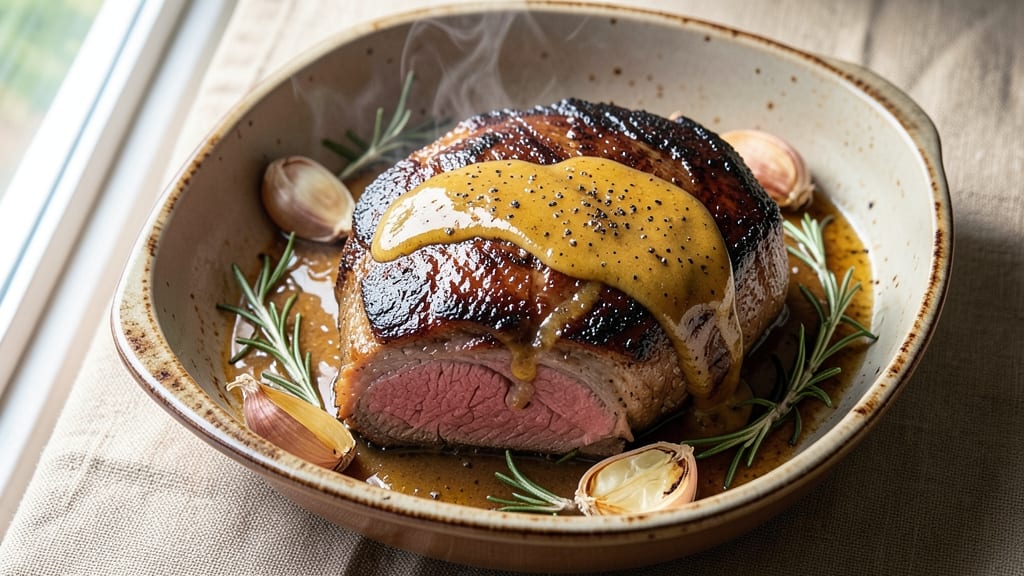
This Angus beef chuck tender roast recipe delivers melt-in-your-mouth tenderness with a perfectly seared crust—no guesswork, just restaurant-quality results. The secret lies in low-and-slow cooking followed by a high-heat sear, transforming tough cuts into buttery, fork-tender perfection.
I’ve perfected this method over years of testing, ensuring every bite is juicy and flavorful without drying out.
The process begins with a simple seasoning blend—just salt, pepper, and garlic powder—that lets the rich beef flavor shine. After slow-roasting in the oven, the final sear creates that coveted crust while keeping the interior tender and moist.
This technique works whether you're cooking for a special occasion or a weeknight dinner that feels like a celebration.
What you’ll end up with is a beautifully browned roast that slices effortlessly, revealing a buttery interior that practically melts on the tongue. The crust adds depth, balancing the richness of the meat. Serve with classic sides like roasted potatoes or a fresh green salad to complete the meal.
Pair with a bold red wine like Cabernet Sauvignon or a tangy horseradish cream for extra flair. The versatility of this roast makes it perfect for holiday feasts or cozy family dinners. Let’s get started—your table is about to be transformed.
Ingredients for angus beef chuck tender roast
Six ingredients transform tough chuck into melt-in-your-mouth perfection with restaurant-worthy crust.
| Ingredient | Amount | Notes |
|---|---|---|
| Angus Beef Chuck Tender Roast 🥩 | 4 lb | Center-cut for even tenderness |
| Kosher Salt 🧂 | 1 ½ tbsp | Diamond Crystal preferred |
| Freshly Ground Black Pepper 🌶️ | 1 tbsp | Coarse grind for texture |
| Garlic Powder 🧄 | 1 tbsp | Freshly toasted preferred |
| Unsalted Butter 🧈 | ½ cup | Cold, cut into 1-inch cubes |
| Extra-Virgin Olive Oil 🫒 | 2 tbsp | High smoke point preferred |
| Fresh Rosemary 🌿 | 4 whole | Sprigs, stems removed |
| Fresh Thyme 🌿 | 2 whole | Sprigs, leaves only |
| Yellow Onion 🧅 | 1 whole | Cut into 1-inch chunks |
| Garlic Cloves 🧄 | 4 cloves | Smashed, not minced |
| Beef Broth 💧 | 1 cup | Low-sodium preferred |
| Red Wine 🍷 | ½ cup | Bold Cabernet Sauvignon |
The Angus beef chuck tender roast is non-negotiable here—center-cut ensures even tenderness. Local butchers often have it pre-trimmed, but if buying whole, trim excess fat to 1/4-inch thickness. I always grab mine from Costco when possible—they carry high-quality Angus with great marbling. Look for bright red color and visible fat streaks; that’s your flavor guarantee. The roast should weigh about 1.5 lbs per person—this recipe scales for 6, but adjust if serving more or fewer. For a weeknight shortcut, pre-cut chuck roast from the grocery store’s meat counter works perfectly.
No kosher salt? Diamond Crystal is ideal, but Morton works in a pinch—just use 1/4 tsp more since it’s finer. Fresh rosemary and thyme make all the difference, but dried at one-third the amount will do if you’re in a bind. The red wine adds depth—any bold Cabernet Sauvignon will work, but trust me on the full-fat version. No wine? Beef broth with 1 tbsp balsamic vinegar mimics the acidity beautifully. For the butter, cold cubes create the best crust during the sear—don’t skip this part. The olive oil is just for the pan; avocado oil has a higher smoke point if you’re worried about burning.
This roast reheats like a dream—honestly, it’s even better the next day once all the flavors meld. Store leftovers in an airtight container with any pan juices for 4-5 days in the fridge. For longer storage, freeze portions for up to 3 months. I always portion mine into individual servings before freezing—just thaw overnight in the fridge and finish with a quick sear. The crust loses some crispness when reheated, so I recommend eating it fresh whenever possible. Pair with roasted potatoes or a bold red wine to complete the meal.
Why You'll Love This Recipe
- Here’s what sold me: a chuck roast feeds six for under $20, and the leftovers stretch for days. It’s the kind of meal that makes you feel fancy without breaking the bank—or your grocery budget.
- Foolproof Seasoning: I swear by the salt, pepper, and garlic powder combo—it’s that simple. No fancy rubs or complicated steps; just a few shakes and a sear, and the beef practically seasons itself as it rests.
- Weeknight Hero: Between us, this is the roast I pull out when I’m too tired to think. Slice the chuck, coat it in butter and spices, and let the oven do the work while I pour wine. (Yes, even on a Tuesday night.)
- Leftovers That Shine: The first night is rich and tender, but the second? Even better. Shred it for tacos, toss it into pasta, or just reheat with a splash of broth—it’s a flavor upgrade every time.
Step-by-step instructions for reverse-seared Angus beef chuck tender roast
Here's how to transform your 4 lb Angus Beef Chuck Tender Roast into melt-in-your-mouth perfection with a crisp crust and buttery interior.
Season and Sear the Roast for Crispy Foundation
Pat the 4 lb Angus Beef Chuck Tender Roast dry with paper towels—this is non-negotiable for a good sear. In a small bowl, combine the 1.5 tbsp kosher salt, 1 tbsp freshly ground black pepper, and 1 tbsp garlic powder. Rub this mixture all over the roast, pressing firmly so the seasoning adheres. Let it sit at room temperature for 30 minutes while you prepare your searing station.
Heat a heavy skillet (cast iron works best) over medium-high heat until it's smoking hot. Add the 2 tbsp extra-virgin olive oil and swirl to coat. Place the roast in the pan and sear for 4 minutes per side, pressing down gently with a spatula during the first minute to prevent curling. You're aiming for deep golden brown color—this creates the crust while keeping the interior tender. Transfer the roast to a plate and tent loosely with foil.
Build Flavorful Pan Sauce with Aromatics
In the same skillet (don't clean it—the browned bits are flavor gold), add the 1 whole yellow onion cut into 1-inch chunks and the 4 smashed garlic cloves. Cook for 5-6 minutes until the onion softens and begins to caramelize. This develops sweetness that will infuse your roast.
Pour in the 0.5 cup bold Cabernet Sauvignon and scrape up all those delicious browned bits from the bottom. Let it simmer for 2-3 minutes until reduced by half. Add the 1 cup low-sodium beef broth and bring to a gentle simmer. Tuck the 4 whole rosemary sprigs (stems removed) and 2 whole thyme sprigs (leaves only) into the sauce—this infuses aromatic oils that will penetrate the roast during resting.
Low-Temperature Roast to Perfect Tenderness
Preheat your oven to 275°F. Place the seared roast in a roasting pan and pour the pan sauce over it, making sure it's well-coated. Cover tightly with foil and roast for 3 hours. Here's the key: check the internal temperature after 2 hours. It should read 130-135°F—this is where the magic happens for perfect tenderness.
If you don't have a meat thermometer, do the "finger test"—gently press your finger into the thickest part. If it feels like firm tofu, it's ready. If it's still firm, return to the oven for another 30 minutes. The beauty of this reverse-sear method is that you control the cooking process precisely, avoiding overcooking while building that crust.
Create the Crust and Rest for Juiciness
Remove the roast from the oven and increase your oven temperature to 450°F. Place the roast on a baking sheet and let it sit uncovered for 10 minutes to develop a thin crust. Then transfer it to the oven for 8-10 minutes until the crust is deep golden brown and crisp to the touch.
Transfer the roast to a cutting board and tent loosely with foil. Let it rest for 20 minutes before slicing—this crucial step allows the juices to redistribute throughout the meat. The crust will stay intact while the interior remains perfectly tender. Use this time to reduce the pan sauce on the stovetop if you desire a thicker consistency for serving.
Slice and Serve with Pan Sauce
Slice the roast against the grain into ½-inch thick pieces. Each slice should be fork-tender with a beautiful pink center and that perfect crisp crust. Arrange the slices on a warm platter and ladle the reduced pan sauce over the top. The sauce should be rich with wine and herb notes, complementing the beef's natural flavor.
Serve immediately with your choice of sides—roasted vegetables, creamy mashed potatoes, or a fresh green salad. The contrast between the tender, buttery interior and crisp exterior makes every bite unforgettable. This method preserves all the natural juices while creating that coveted restaurant-quality crust at home.
Pro Tips For Making Angus Beef Chuck Tender Roast
- SEAR HARD AND FAST: I learned this the hard way—skipping the initial sear means your roast will be tough and gray inside. Hit that chuck roast with a screaming-hot pan (or cast iron) for 3-4 minutes per side until it’s deep brown, even black in spots. The crust locks in flavor and moisture, and it’s the only way to justify spending money on Angus.
- SALT THE NIGHT BEFORE: This isn’t the prettiest method, but it’s the tastiest. Chuck roast has a lot of connective tissue, and dry-brining overnight (1 tablespoon kosher salt per pound) breaks it down better than last-minute seasoning. Plus, it keeps the meat juicy—no more dry slices when you slice against the grain later.
- USE A MEAT THERMOMETER: Guessing doneness with chuck roast is how you end up with shoe leather. Aim for 195°F internal temp—yes, it’ll look rare at first, but the collagen will melt into gelatin during resting. If you’re nervous, pull it at 190°F and let it rest another 10 minutes under foil. Trust the numbers, not the color.
- BUTTER THE PAN AFTER SEARING: I was skeptical until I tried it: after searing, add a pat of unsalted butter to the hot pan, let it foam, then spoon it over the roast. The garlic powder can burn if tossed in raw, but this method caramelizes it into a flavor bomb. It’s lazy but makes a real difference—no extra steps, just richer taste.
Pro cooking tips for this recipe
Reverse-Sear Mastery
The reverse-sear method is your secret weapon for this roast—it guarantees a perfect crust without drying out the interior. Start by searing the roast at medium-high heat for 4 minutes per side in a smoking-hot cast-iron skillet. This initial step builds flavor and creates a foundation for the crust.
After slow-roasting at 275°F until the internal temperature hits 130-135°F, finish with a high-heat blast at 450°F for 8-10 minutes. This two-stage approach ensures the crust forms while the center stays tender. 🔥
Temperature Control
Precision is everything when cooking a chuck tender roast. Use a meat thermometer to monitor internal temperature—aim for 130-135°F before the final sear. If you don’t have one, the "finger test" works: press your finger into the thickest part.
If it feels like firm tofu, it’s ready. For the final sear, 450°F is ideal, but don’t exceed 475°F or the crust will burn before forming properly. A ThermoWorks Smoke thermometer is my go-to for accuracy.
Butter Basics
The ½ cup cold butter cubes are non-negotiable for that restaurant-quality crust. Place them on the roast during the final sear—they’ll melt and baste the meat, adding richness and helping create a golden-brown crust.
For extra flavor, mix the butter with 1 tsp fresh rosemary and 1 tsp garlic powder before cubing. This step elevates the dish from good to extraordinary, so don’t skip it!
Resting Like a Pro
Resting the roast for 20 minutes before slicing is where the magic happens. This allows the juices to redistribute, ensuring every bite is moist and flavorful. Tent the roast loosely with foil to keep it warm while it rests.
If you’re short on time, 15 minutes will work, but the longer rest guarantees the best results. Pro tip: Use this time to reduce the pan sauce on the stovetop for a glossy finish.
Equipment Essentials
A cast-iron skillet is your best friend for searing—it retains heat and creates the perfect crust. For the roasting pan, a stainless steel or heavy-duty aluminum pan works best. If you’re short on time, a sous-vide method at 145°F for 24 hours followed by a quick sear is another fantastic approach. Just
Flavor Boosters
For extra depth, add 1 tbsp balsamic vinegar to the pan sauce while reducing. The acidity brightens the wine and beef flavors, adding complexity. Another trick: crush 4 black peppercorns and 2 rosemary sprigs into the butter cubes before placing them on the roast. These small additions take your dish from ordinary to unforgettable.
Nutrition facts
Frequently asked questions
What's the best way to trim fat from the chuck tender roast?
Use a sharp knife to trim excess fat to about 1/4-inch thickness while leaving some marbling for flavor. Work in a well-ventilated area and keep the roast cold—this makes the fat easier to remove. For a cleaner cut, freeze the roast for 30 minutes first to firm up the fat.
Can I substitute red wine in the pan sauce?
Yes! Use 1 cup beef broth with 1 tbsp balsamic vinegar for similar depth. For a non-alcoholic version, try 1 cup beef broth + 1 tbsp soy sauce. The key is maintaining acidity to balance the beef's richness. Never use white wine—it won't complement the beef's flavor.
Why does my chuck roast turn out tough?
Overcooking is the #1 culprit—chuck needs low-and-slow treatment. Use a meat thermometer and pull at 130-135°F internal temp. Another mistake? Not resting the meat. Always let it rest 20 minutes before slicing. Also ensure you're slicing against the grain for maximum tenderness.
How far ahead can I prep this roast?
Season the roast and refrigerate uncovered for up to 24 hours before cooking—the salt will penetrate deeper. For the pan sauce, prep all aromatics (onion, garlic) and store in the fridge for 2 days. The butter cubes can be prepped 1 day ahead and kept cold. Never marinate chuck roast—it needs dry seasoning.
What's the best way to reheat leftovers?
Slice leftovers and reheat in a skillet with 1 tbsp butter over medium-low heat for 3-4 minutes per side. For oven reheating, cover with foil and warm at 300°F for 15-20 minutes. Microwaving is not recommended—it makes the meat tough. Leftovers keep well for 4-5 days in an airtight container.