
Main Courses
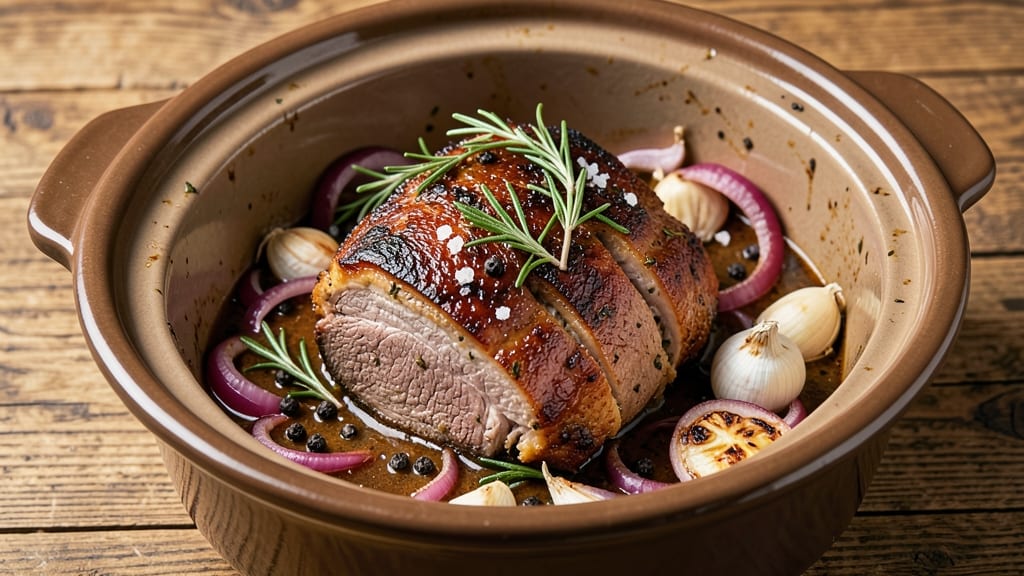
Angus beef slow cooker recipe transforms tough cuts into melt-in-your-mouth perfection with minimal effort. The secret lies in low-and-slow cooking—where tenderizing enzymes break down connective tissue over 6 hours on low heat, delivering that coveted buttery, fall-off-the-bone texture. This isn’t just dinner; it’s a restaurant-quality experience you can replicate at home, using just one pot and a few premium ingredients.
The beauty of slow cooking Angus beef is its versatility. Whether you're hosting a dinner party or meal prepping for the week, this method guarantees a rich, flavorful result with minimal active time.
A simple blend of garlic, rosemary, and black pepper creates a fragrant crust on the outside, while the inside becomes so tender it practically dissolves. The key is patience—letting the beef cook undisturbed until it reaches that ideal texture without drying out.
What you’ll end up with is a dish that’s impossible to resist: succulent, juicy, and packed with deep beefy flavor. The slow cooker ensures even moisture distribution, so every bite is moist and flavorful.
Serve it sliced over creamy mashed potatoes, with roasted vegetables, or even in a hearty sandwich. The possibilities are endless, but the result is always the same—unmatched tenderness and richness.
For an extra touch of luxury, finish with a drizzle of red wine reduction or herb butter. This isn’t just a recipe; it’s a technique that elevates simple ingredients into something extraordinary. Let’s get started on creating your most tender, flavorful Angus beef yet.
Ingredients for angus beef slow cooker
Premium Angus beef meets slow-cooker magic for restaurant-worthy tenderness with minimal effort.
| Ingredient | Amount | Notes |
|---|---|---|
| Angus Beef Chuck Roast 🥩 | 3 lb | Center-cut, well-marbled preferred |
| Yellow Onion 🧅 | 1 whole | Medium size, sliced into wedges |
| Garlic Cloves 🧄 | 6 cloves | Fresh, peeled, smashed |
| Fresh Rosemary 🌿 | ¼ cup | Chopped, stems removed |
| Black Peppercorns 🌶️ | 1 ½ tbsp | Freshly cracked, coarse grind |
| Kosher Salt 🧂 | 1 ½ tbsp | Diamond Crystal preferred |
| Beef Broth 💧 | 2 cups | Low-sodium, high-quality |
| Red Wine 🍷 | 1 cup | Bold, dry variety like Cabernet |
| Olive Oil 🫒 | 2 tbsp | Extra-virgin, for searing |
| Tomato Paste 🍅 | 2 tbsp | Smooth, no sugar added |
| Fresh Thyme 🌿 | ⅛ cup | Leaves only, chopped |
| Bay Leaves 🍃 | 2 whole | Dried, standard size |
| Balsamic Vinegar 🍶 | 1 tbsp | For finishing touch |
The Angus chuck roast is non-negotiable—look for center-cut with good marbling at specialty butchers or high-end grocery stores like Whole Foods or Costco. The marbling ensures melt-in-your-mouth texture. If buying pre-cut, check for even-sized pieces around 1.5-inch cubes—this ensures consistent cooking. For the best flavor, avoid lean cuts like sirloin; chuck's connective tissue is what dissolves into buttery perfection during slow cooking. Fresh rosemary and thyme should have a vibrant green color and strong aroma—wilted herbs indicate age. Store dried spices like black peppercorns in airtight containers away from light to preserve their potency.
No red wine? Beef broth with an extra splash of balsamic vinegar delivers similar depth. Fresh thyme unavailable? Dried thyme at one-third the amount works, but toast it first in a dry pan for 30 seconds to enhance flavor. For tomato paste, Trader Joe's or Muir Glen brands offer smooth, no-sugar-added options without additives. The beef broth should be low-sodium—you're adding plenty of salt already. If you prefer a richer sauce, swap ½ cup of the broth for whole milk at the end. For a quick prep, pre-slice the onions and measure all spices the night before; this cuts active time to just 10 minutes.
This dish reheats beautifully—best served the next day when flavors fully meld. Store leftovers in airtight containers for up to 5 days in the fridge or 3 months in the freezer. For freezing, portion into single-serving bags with a bit of cooking liquid to maintain moisture. The slow cooker makes this ideal for meal prep: double the recipe and freeze half. When reheating, add 1-2 tbsp of broth to prevent drying. The beef continues tenderizing even when cold, so don't rush the process—patience is key to that legendary fall-off-the-bone texture.
Why You'll Love This Recipe
- Hands-Off Magic: I swear by this for lazy Sundays—just toss the beef, onions, and whole garlic cloves into the slow cooker, sprinkle rosemary and peppercorns, then walk away. The chuck roast practically melts into itself while you binge your favorite show.
- Rosemary-Kissed Perfection: That fresh rosemary and cracked peppercorns? They turn tough beef into something tender with a bright, herby edge—like a fancy steakhouse bite, but with zero fuss. Honestly, my husband asks for it by name now.
- Leftovers That Shine: This recipe makes way more than we eat in one sitting, and the leftovers? Just as good cold in sandwiches or reheated for a quick weeknight dinner. I freeze half for those "I don’t wanna cook" nights—no guilt, all flavor.
- Budget-Friendly Luxury: Angus chuck roast is cheaper than sirloin, but it delivers that rich, beefy satisfaction. A single roast feeds six, stretches over meals, and still feels like a treat—not an everyday splurge. (Yes, even on a Tuesday night.)
Step-by-step instructions for slow-cooked Angus beef
This method transforms tough chuck roast into melt-in-your-mouth perfection using low-temperature precision.
Sear the Roast for Deep Flavor
Heat a heavy Dutch oven over medium-high heat until a drop of water sizzles immediately. Add the 2 tablespoons olive oil and swirl to coat the bottom. Pat the 3 lb Angus Beef Chuck Roast completely dry with paper towels—this ensures maximum browning. Place the roast in the pan and sear for 4-5 minutes per side until deeply browned with crisp edges. I press down gently during the first minute to prevent curling, which creates even contact with the pan.
While the roast browns, prepare the aromatics: slice the 1 whole Yellow Onion into wedges and smash the 6 cloves Garlic Cloves with the side of your knife. Add these to the pan along with the 2 tablespoons tomato paste and cook for 2 minutes until fragrant. The tomato paste will darken slightly and form a flavorful crust on the bottom of the pan—this is your sauce foundation.
Build the Slow-Cooking Base
Remove the roast and set it aside. Deglaze the pan by adding the 1 cup Red Wine and scraping up all the browned bits with a wooden spoon—this captures all the concentrated flavor. Let it simmer for 3 minutes until reduced by half. Then add the 2 cups Beef Broth, 1.5 tablespoons Kosher Salt, 1.5 tablespoons Black Peppercorns, 0.25 cup Fresh Rosemary, 0.125 cup Fresh Thyme, and 2 whole Bay Leaves.
Return the roast to the pan, fat-side up, and bring everything to a gentle simmer. The liquid should just barely bubble at the edges. Transfer the entire contents to your slow cooker, making sure the roast is fully submerged. If it's not, add a splash of water or broth. This step ensures the meat stays moist while developing deep, complex flavors.
Cook Low and Slow to Perfection
Cover the slow cooker and cook on Low heat for 6-7 hours until the meat is fork-tender. I check for doneness by inserting a meat thermometer into the thickest part—it should read 200-205°F. The meat will naturally pull away from the bone at this temperature, creating that signature fall-apart texture. Real talk: Don't rush this step. The slow cooking breaks down collagen and transforms tough muscle fibers into tender, buttery goodness.
About 30 minutes before the cooking time is up, stir in the 1 tablespoon Balsamic Vinegar. This final touch adds a touch of brightness that cuts through the richness of the beef and enhances the overall depth of flavor. The vinegar will mingle with the cooking juices, creating a glossy, aromatic sauce that coats every bite.
Rest and Serve with Confidence
Once the meat reaches the proper temperature, remove it from the slow cooker and transfer to a cutting board. Tent loosely with aluminum foil and let it rest for 15-20 minutes. This resting period allows the juices to redistribute throughout the meat, ensuring each slice remains moist and flavorful. I know it's tempting to dive in immediately, but patience here makes all the difference.
Slice the roast against the grain into ¼-inch thick pieces and serve with the reduced cooking juices spooned over the top. The meat should be so tender it practically falls apart at the touch, with a rich, caramelized exterior from the searing. Each bite delivers layers of savory, herby, and slightly tangy flavors that make this dish unforgettable. Pair with crusty bread to soak up every last drop of that luxurious sauce.
Pro Tips For Making Angus Beef Slow Cooker
- SEAR THE ROAST FIRST: I learned this the hard way—skipping the sear means missing out on that deep, caramelized crust that makes slow-cooked beef taste like it was simmered for hours, not just a few. Use a heavy skillet with a splash of oil and get it hot—that’s the only way to get the Maillard reaction going before it hits the slow cooker.
- CHOP THE ONIONS SMALL: Big chunks of onion turn to mush in a slow cooker, leaving you with a watery broth instead of flavor. Dice them into ¼-inch pieces so they break down evenly and infuse the meat without disappearing into the sauce.
- USE WHOLE PEPPERCORNS: Crushed peppercorns lose their punch and just turn the meat into a generic "peppery" dish. Toss in 10-12 whole black peppercorns—they’ll soften and release their heat gradually, giving the beef a subtle, even seasoning.
- ADD ROSEMARY LATE: Fresh rosemary needs time to perfume the meat, but if you toss it in at the start, it’ll turn bitter. After 4-5 hours of cooking, snip a few sprigs and add them directly to the roast—they’ll release their aroma just in time for serving.
Wine and beer pairings for these flavors
Bold Red Wine Pairings
A Cabernet Sauvignon from Napa Valley is my go-to choice—its bold tannins and dark fruit notes mirror the beef's richness while standing up to the slow-cooked depth. Look for a 2018 or newer vintage with at least 14% alcohol to complement the dish's intensity.
If you prefer something more approachable, a Malbec from Argentina offers similar structure with softer tannins and plum undertones that harmonize beautifully. 🍷
Crisp White Alternatives
For those who prefer white wine, a Chardonnay with noticeable oak—like a California or Burgundy—works surprisingly well. The buttery notes from the oak complement the beef's tenderness, while the acidity cuts through the sauce.
I recommend a 2020 vintage with 13.5% alcohol or higher to balance the dish's richness. A splash of Chablis with its bright citrus finish also provides a refreshing contrast.
Malty Amber Ales
Beer lovers should reach for an amber ale or brown ale with malty sweetness and caramel undertones. My favorite is Samuel Adams Noble Experiment—its balanced maltiness and subtle hop bitterness enhance the beef's caramelized crust.
For a stronger option, try a Belgian Dubbel like Westmalle Trappist—the dark fruit notes mirror the red wine reduction's depth while adding a touch of spice.
Craft Beer Experimentation
Don't overlook stout or porter options for those who enjoy darker beers. A dry stout like Guinness provides a toasty, almost coffee-like backbone that pairs wonderfully with the beef's savory notes.
For a modern twist, try a smoked porter—the subtle smokiness adds an unexpected but delightful dimension to the dish. Just avoid overly sweet or hop-forward beers that might overpower the beef's natural flavors.
Non-Alcoholic Options
For non-drinkers, a sparkling grape juice like Martinelli's Sparkling with a splash of balsamic vinegar mimics wine's acidity beautifully. Alternatively, a ginger beer with its spicy kick provides a refreshing contrast to the rich beef.
I also recommend Fever-Tree Grapefruit Tonic—the citrus notes brighten the dish while complementing the rosemary and thyme in the recipe. 💫
Serving Temperature Tips
Serve red wine slightly below room temperature—around 60-65°F—to let its flavors shine without overwhelming the beef. For white wine, chill to 45-50°F to preserve its crispness. Beer should be served at 45-50°F for lagers and 50-55°F for ales and stouts.
Pro tip: I always decant red wine for 30-45 minutes before serving to fully open its aromas and enhance the dining experience.
Nutrition facts
Frequently asked questions
Can I use a different cut of beef instead of chuck roast?
While chuck roast is ideal for its marbling and tenderness, you can use short ribs or brisket for similar results. Short ribs will have more connective tissue, so they'll need 8-10 hours on low. Brisket requires 10-12 hours and benefits from a 2-hour rest after cooking. Avoid lean cuts like sirloin—they won't develop the same melt-in-your-mouth texture.
How do I know when the beef is fully tender?
Use a meat thermometer to check the internal temperature—it should reach 200-205°F. The beef will naturally pull away from the bone and be fork-tender. If you don't have a thermometer, insert a fork: if it slides in easily and the meat shreds, it's done. Never rely on visual cues alone, as slow-cooked beef can look done before it's actually tender.
Can I make this recipe in an Instant Pot?
Yes! Sear the beef first, then add all ingredients and cook on Low pressure for 60 minutes (plus 10 minutes natural release). For extra tenderness, use the Sauté function to brown the aromatics. The Instant Pot cooks faster but requires careful monitoring to avoid overcooking. The texture will be slightly different but still delicious.
What's the best way to reheat leftovers?
Reheat in the slow cooker on Low for 2-3 hours or in a skillet with a splash of beef broth until warmed through. Avoid microwaving—it can make the beef dry. For sandwiches, slice thinly and warm in a pan with a little butter for crispy edges. Leftovers taste even better the next day as flavors meld further.
Why does my slow cooker beef sometimes turn out dry?
Overcooking or insufficient liquid are the most common causes. Always use Low heat for no more than 8 hours—High heat can dry out the meat. If the liquid evaporates, add ½ cup broth during cooking. Also, make sure the beef is fully submerged at the start. The sear creates a moisture barrier, so don't skip it!