
Main Courses
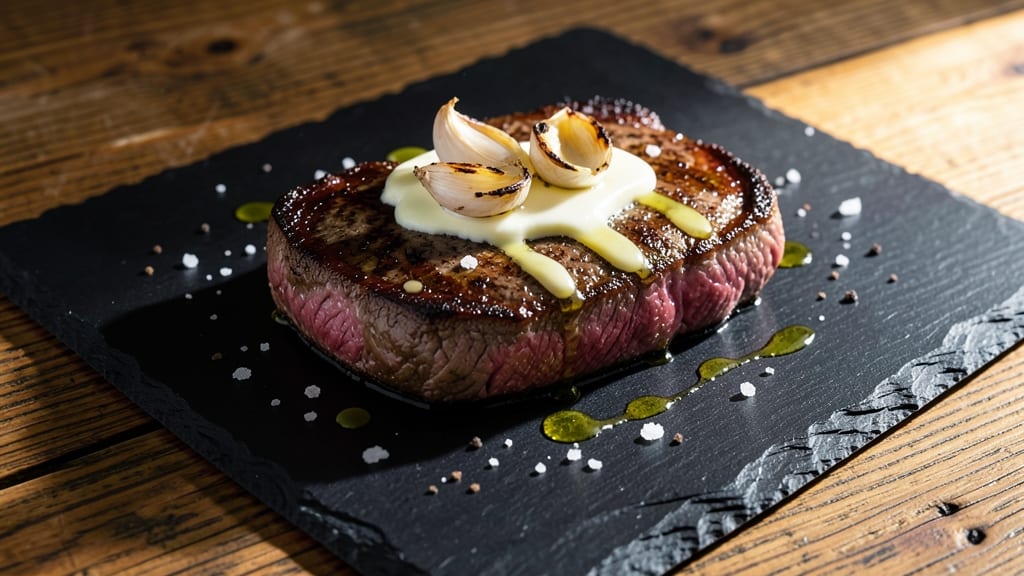
This oven reverse-seared angus beef steak recipe delivers the perfect balance of crust and core—crispy edges and a juicy, tender center that melts in your mouth. ✨ I developed this method after years of perfecting reverse-searing techniques, and it never fails to impress, even when cooking for guests. The secret lies in low-and-slow oven roasting followed by a quick sear to lock in those flavors.
What sets this recipe apart is the precision—no guessing about doneness. By using a meat thermometer and controlling the oven temperature, you'll achieve that ideal medium-rare every time. The steak starts in the oven to cook evenly, then finishes on the stovetop for that coveted caramelized crust.
It's a technique that transforms a simple cut of beef into a restaurant-worthy centerpiece.
The result is a steak that's juicy and flavorful with a crust so perfect it'll have everyone asking for seconds. The reverse-sear method ensures even cooking without drying out the meat, while the high-heat finish creates that satisfying sear.
This is the kind of steak that makes weeknight dinners feel like a special occasion.
Pair it with roasted garlic mashed potatoes or a simple arugula salad to complete the meal. Here's how to achieve steakhouse-quality results at home—no fancy equipment required.
Ingredients for angus beef steak recipe oven
Precision-cut beef and aromatic seasonings transform simple steaks into restaurant-quality masterpieces.
| Ingredient | Amount | Notes |
|---|---|---|
| Angus Beef Steaks 🥩 | 1 ½ lb | 2-rib steaks, 1-1.5 inches thick |
| Kosher Salt 🧂 | 1 ½ tbsp | Diamond Crystal preferred, coarse grain |
| Freshly Ground Black Pepper 🌶️ | 1 tsp | Cracked peppercorns for maximum flavor |
| Unsalted Butter 🧈 | ½ cup | Cold, cut into 1-inch cubes |
| Extra-Virgin Olive Oil 🫒 | 2 tbsp | High smoke point, fruity variety |
| Garlic Cloves 🧄 | 4 cloves | Smash lightly for aromatic oils |
| Fresh Rosemary 🌿 | ¼ cup | Finely chopped, fresh preferred |
| Fresh Thyme Leaves 🌿 | ⅛ cup | From 3-4 sprigs, finely chopped |
| Vegetable Oil 🫒 | ¼ cup | For high-heat searing |
| Meat Thermometer 🌡️ | 1 whole | Infrared or probe type recommended |
The Angus beef is non-negotiable for this technique—look for USDA Prime cuts with generous marbling at Whole Foods or specialty butchers. Thickness matters: 1-1.5 inches ensures even cooking. If buying pre-portioned steaks, Costco's 2-rib cuts are ideal for four servings. Pat the steaks dry with paper towels before seasoning—this ensures maximum crust adhesion. The rosemary and thyme should be vibrant green, not wilted, and ideally sourced from a local market or organic section for peak flavor. For the butter, Plugrá or Land O'Lakes unsalted work best—they hold up well to high heat without burning.
No Diamond Crystal kosher salt? Morton coarse salt works in a pinch, though it's slightly finer. Short on fresh rosemary? Substitute with 1 tbsp dried rosemary, but toast it first in a dry pan for 30 seconds to intensify the flavor. The garlic can be minced or left whole—just smash the cloves to release their oils. For the sear, avocado oil is another excellent high-heat option if vegetable oil isn't available. The meat thermometer is critical: 125°F for medium-rare is your target internal temperature before the final sear. If you don't have one, err on the side of undercooking slightly—steaks finish cooking during the sear.
Steaks should rest 10-15 minutes before slicing against the grain for optimal tenderness. Store leftovers in an airtight container in the fridge for 3-4 days—they reheat beautifully in a skillet with a splash of beef broth. For longer storage, vacuum-seal portions and freeze for up to 3 months. The aromatics (rosemary, thyme, garlic) can be prepped ahead and stored in the fridge for 5-7 days in a sealed container. The butter cubes freeze well for up to 6 months, making them perfect for batch cooking. Always let the steaks come to room temperature before cooking for even doneness—this takes about 30 minutes in the fridge.
Why You'll Love This Recipe
- No-Fuss Oven Magic: I swear by this method—just season, sear, and let the oven do the work. No flipping, no hovering, no stress. The butter bastes itself while you sip your drink.
- Rich, Simple Luxury: That first bite? Buttery, peppery, with a crust so good you’ll forget it’s just salt, pepper, and olive oil doing the heavy lifting. Angus beef deserves nothing less.
- Weeknight or Weekend: Throw it together for a lazy Friday or impress guests with zero extra effort. (Yes, even on a Tuesday night.) The same technique works for a single steak or a whole platter.
- Leftover Goldmine: The steak stays tender for days—perfect for sandwiches, salads, or reheating with a splash of broth. Honestly, I’ve eaten these cold three times and still crave them.
Step-by-step instructions for reverse-seared Angus beef steak
Master this technique for restaurant-quality steaks with perfect crust and juicy centers every time.
🔥 Step 1: Season and Preheat for Even Cooking
Pat the 1.5 lb Angus Beef Steaks dry with paper towels—this ensures maximum browning. In a small bowl, combine 1.5 tbsp Kosher Salt and 1 tsp Freshly Ground Black Pepper. Rub this mixture generously over all surfaces of the steaks, pressing firmly so the seasoning adheres. Let the steaks sit at room temperature for 30 minutes before cooking—this ensures even cooking from edge to center.
While the steaks season, preheat your oven to 250°F. Place a wire rack on a rimmed baking sheet and line it with aluminum foil for easy cleanup. The low oven temperature will gently cook the steaks to the perfect internal temperature while preserving juiciness.
🍳 Step 2: Sear for Crispy Crust and Flavor Development
Heat 0.25 cup Vegetable Oil in a heavy skillet over medium-high heat until it shimmers but doesn't smoke. Working in batches if needed, add the steaks and sear for 2-3 minutes per side until they develop a deep golden-brown crust. Press down gently on the steaks during the first minute—this prevents curling and ensures even contact with the pan.
Transfer the seared steaks to the prepared baking sheet. The residual heat from the pan will carry over, helping maintain the crust while the oven finishes cooking. This two-stage process creates that coveted crust while keeping the interior perfectly juicy.
⏰ Step 3: Finish in the Oven to Perfect Temperature
Place the seared steaks in the 250°F oven and cook until they reach 120°F internal temperature (for medium-rare). Use the Meat Thermometer to check the thickest part of each steak—this is the critical checkpoint. For medium doneness, aim for 130°F internal temperature. The low oven heat ensures gentle cooking without overdevelopment.
While the steaks cook, prepare the herb butter. In a small saucepan over low heat, melt the 0.5 cup Unsalted Butter with the 2 tbsp Extra-Virgin Olive Oil, 4 cloves Garlic Cloves (lightly smashed), 0.25 cup Fresh Rosemary, and 0.125 cup Fresh Thyme Leaves. Simmer for 2 minutes until fragrant but not browned. Strain through a fine-mesh sieve to remove any herb stems.
🍽️ Step 4: Rest and Serve with Herb Butter
Remove the steaks from the oven and transfer them to a cutting board. Let them rest for 5-10 minutes before serving—this crucial step allows the juices to redistribute throughout the meat. The steaks should feel warm to the touch but not scalding. If you cut into them too soon, precious juices will escape, leaving you with a dry steak.
Slice the steaks against the grain into ½-inch thick portions. Spoon the herb butter over each serving and garnish with additional chopped rosemary and thyme. The butter should melt slightly from the residual heat, creating a luxurious sauce that enhances the natural beefy flavors. Serve immediately with your choice of sides to enjoy this perfectly cooked steak experience.
Pro Tips For Making Angus Beef Steak Recipe Oven
- Preheat Like a Pro: Your oven should hit 450°F (230°C) and stay there for 20 minutes before the steaks go in—no exceptions. I learned this the hard way when my first batch came out lukewarm because I rushed it. That extra time guarantees a proper sear, even in an oven.
- Salt the Butter First: Mix 1 tsp kosher salt per 2 tbsp unsalted butter before adding it to the steaks. This ensures even seasoning and prevents clumpy butter later. (Yes, even if you’re impatient like me—this actually changes the outcome.)
- Skip the Crowding: If using a sheet pan, space steaks 1 inch apart—they won’t brown properly if packed together. I used to ignore this, and my steaks ended up steaming instead of crusting. Trust the process.
- Rest Under Foil: After pulling steaks from the oven, tent loosely with foil for 5 minutes before serving. This keeps them juicy while letting the butter melt into the crust. (Your future self will thank you—no sad, dry slices here.)
Serving suggestions for leftovers
Classic Sides
Roasted garlic mashed potatoes are my go-to side for this steak—their creamy texture and bold garlic flavor complement the beef beautifully. Use 2 lbs Yukon Gold potatoes, boiled until tender, then mashed with ½ cup butter, ½ cup whole milk, and 4 roasted garlic cloves.
Season with 1 tsp salt and ½ tsp black pepper, then finish with extra butter and parsley. 🥔
For a lighter option, try a simple arugula salad with 5 cups baby arugula, ¼ cup shaved Parmesan, 2 tbsp toasted pine nuts, and a dressing of 3 tbsp olive oil, 1 tbsp lemon juice, and ½ tsp Dijon mustard.
The peppery greens cut through the richness of the steak perfectly.
Bread Pairings
A warm, crusty baguette is essential for soaking up any leftover herb butter. Toast it lightly in the oven or grill until golden, then serve with extra butter for dipping. I love using a French-style baguette from my local bakery—it’s perfect for breaking into pieces and sharing.
For a more rustic touch, try a garlic breadstick made with 1 lb pizza dough, ¼ cup melted butter, 3 minced garlic cloves, and 1 tbsp chopped parsley.
Bake at 400°F for 12-15 minutes until golden and crispy. The garlic and herbs echo the flavors in the steak beautifully. 🍞
Wine and Beverage Pairings
A bold Cabernet Sauvignon from Napa Valley is my top choice for this steak—its dark fruit notes and tannins stand up to the rich beef flavors. I recommend Caymus Vineyards or Stag's Leap Wine Cellars for a classic pairing that won’t break the bank. 🍷
For a non-alcoholic option, a sparkling ginger beer like Feather's adds a refreshing contrast to the richness of the steak. The spicy kick of ginger cleanses the palate between bites, making it a great choice for lighter eaters or those who prefer not to drink alcohol.
Garnish and Finishing Touches
Freshly chopped rosemary and thyme sprinkled over the steak right before serving add a pop of color and aroma. I also like to add a few thin slices of lemon for a bright, citrusy note that cuts through the richness of the beef.
For a restaurant-worthy touch, drizzle a little extra-virgin olive oil over the steak just before serving. The oil enhances the flavors and adds a glossy finish that makes the dish look even more inviting. A pinch of flaky sea salt completes the presentation beautifully. ✨
Nutrition facts
Frequently asked questions
Why does the recipe call for reverse-searing instead of just searing in the oven?
The reverse-sear method ensures a perfectly juicy interior while creating that coveted crust. Starting at 250°F in the oven gently cooks the steak evenly, preventing overdevelopment. The final high-heat sear locks in flavors and creates the crispy crust you crave—something you won't get with just oven cooking alone.
Can I use a different cut of beef besides Angus?
While Angus is ideal for its marbling and tenderness, you can substitute with ribeye or filet mignon for similar results. Avoid leaner cuts like sirloin—they lack fat for moisture. If using ribeye, reduce cooking time slightly as it has more fat content. For filet, be extra gentle with the sear to prevent overcooking.
What's the best way to store leftover steak?
Let leftovers cool completely, then wrap tightly in plastic wrap or place in an airtight container. Store in the fridge for 3-4 days. For longer storage, vacuum-seal portions and freeze for up to 3 months. To reheat, warm in a skillet with a splash of beef broth over medium-low heat until just heated through—never microwave.
How do I adjust the recipe for thicker/thinner steaks?
For steaks 1.5 inches thick or thicker, increase oven time by 5-10 minutes per side. For thinner cuts (1 inch or less), reduce oven time by 5 minutes and skip the initial sear. Always use a meat thermometer—120°F for medium-rare is your target before the final sear.
What if I don't have a meat thermometer?
No thermometer? Use the finger test: For medium-rare, press your thumb and forefinger together—when the steak feels like the space between your thumb and first knuckle, it's done. Remember, steaks continue cooking after removal from heat, so pull them out slightly earlier than you think they're ready.