
Soups & Stews
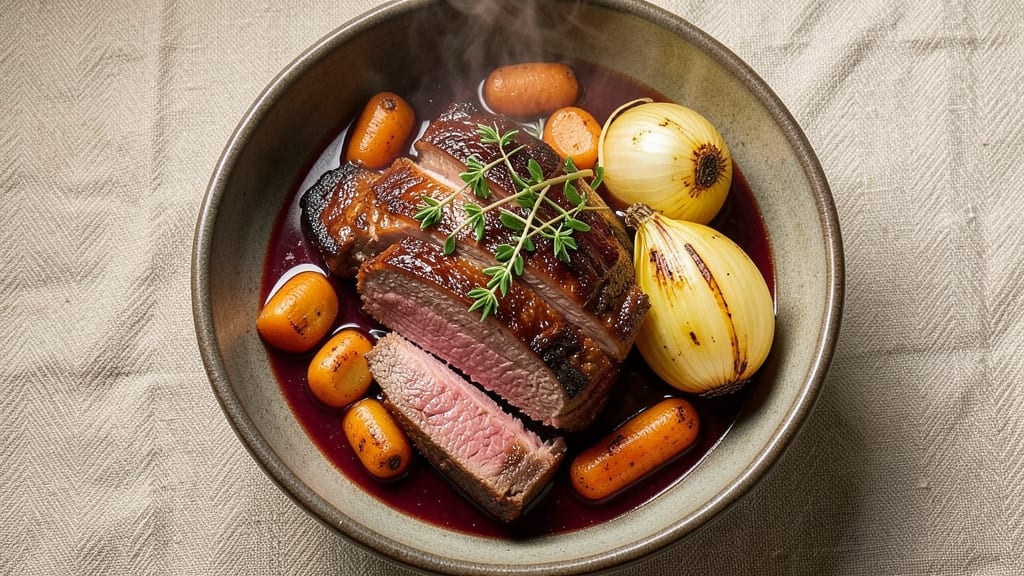
Rachael Ray’s apple cider beef stew recipe transforms tough beef into melt-in-your-mouth tenderness with a fragrant, spiced apple cider braise that smells like autumn in a pot.
The secret lies in slow braising—where beef simmers until fork-tender while absorbing the deep, caramelized flavors of apple cider, warm spices, and red wine. This isn’t just a stew; it’s a cozy, restaurant-worthy dish that feels like a hug on a chilly evening.
The beauty of this recipe is its simplicity: no fancy techniques, just a one-pot wonder that builds flavor over time. You’ll start with a quick sear to develop a rich, browned crust on the beef, then deglaze with apple cider and wine to create a velvety, aromatic base.
The spices—cinnamon, thyme, and bay leaf—infuse the broth with warmth, while the apples add natural sweetness that balances the savory beef. It’s the kind of dish that tastes even better the next day, making it perfect for meal prep or a weekend project.
By the time you’re done, you’ll have a pot of rich, hearty stew with tender beef chunks swimming in a glossy, spiced apple cider sauce. The aroma alone will have everyone gathering around the table, and each bite delivers a perfect balance of sweet, savory, and smoky flavors.
Serve it with crusty bread to soak up every last drop of that fragrant broth—this is comfort food at its finest.
Whether you’re feeding a family or treating yourself to a solo dinner, this stew is foolproof and unforgettable. The best part? It’s ready in just 3 hours (mostly hands-off time), so you can focus on enjoying the process. Let’s get cooking!
Ingredients for apple cider beef stew recipe rachael ray
Six ingredients transform tough beef into melt-in-your-mouth perfection with autumn's coziest flavors.
| Ingredient | Amount | Notes |
|---|---|---|
| Chuck Roast 🥩 | 3 lb | Trimmed of excess fat |
| Apple Cider 🍎 | 4 cups | Unfiltered for best flavor |
| Red Wine 🍷 | 1 cup | Bold dry variety like Cabernet |
| Yellow Onion 🧅 | 1 whole | Medium size, chopped |
| Carrots 🥕 | 4 medium | Peeled, cut into chunks |
| Fresh Thyme 🌿 | 2 tbsp | Leaves only, chopped |
| Bay Leaves 🌿 | 2 whole | Dried or fresh |
| Ground Black Pepper 🌶️ | 1 tsp | Freshly cracked |
| Ground Cinnamon 🌶️ | 1 tsp | Freshly ground preferred |
| Fresh Apples 🍎 | 2 medium | Honeycrisp or Fuji, peeled |
| Beef Broth 💧 | 2 cups | Low-sodium preferred |
| Olive Oil 🫒 | 2 tbsp | Extra-virgin for richness |
| Salt 🧂 | 1 ½ tsp | Kosher or sea salt |
The chuck roast is your secret weapon here—look for good marbling at the butcher counter. Costco or Whole Foods often carry the best quality. If you're buying pre-cut, check for even-sized chunks. Fresh thyme and bay leaves make all the difference—Trader Joe's sells them in little jars that last for months. For the apples, Honeycrisp or Fuji stay firm when cooking and add natural sweetness that balances the rich beef. The apple cider? Unfiltered is key—it's got more flavor and sediment that adds depth to the stew.
No red wine? Extra beef broth with a splash of balsamic vinegar works perfectly. Swapping apples? Pears hold up well too, but they'll be slightly softer. Short on thyme? Dried oregano at half the amount gets you close. The cinnamon is non-negotiable though—it's what gives this stew that warm, spiced cider vibe. For the carrots, baby carrots work great if you're in a hurry, but regular carrots caramelize better. And if you're worried about the wine taste being too strong, just use half the amount and boost the broth.
This stew tastes even better the next day—make extra if you can. Keeps for 5 days in the fridge, or 3 months frozen. I love portioning it into containers for easy lunches. The broth reduces as it sits, so add a splash of water or apple cider if it gets too thick when reheating. For serving, crusty bread is a must—sourdough or a good baguette soaks up all that glorious broth.
Why You'll Love This Recipe
- I swear by this trick: just dice the onion and carrots roughly—no need for perfect matchsticks. The chuck roast practically melts down on its own while the apple cider and red wine do all the flavor lifting. (Yes, even on a Tuesday night.)
- Minimal Chopping Required: I swear by this trick: just dice the onion and carrots roughly—no need for perfect matchsticks. The chuck roast practically melts down on its own while the apple cider and red wine do all the flavor lifting. (Yes, even on a Tuesday night.)
- Deep, Rich Layers: That first sip of stew? It’s like autumn in a bowl—the caramelized onions and wine create this velvety depth, while the apple cider adds just enough brightness to cut through the richness. The chuck roast turns so tender, it falls apart at the touch of a fork.
- Leftovers That Shine: Between us, this stew only gets better the next day. I make a double batch on Sundays because reheating it turns the flavors even more concentrated—perfect for quick lunches or freezing for those "I don’t want to cook" nights. (My freezer’s full of it.)
Step-by-step instructions for apple cider beef stew
This hearty apple cider beef stew delivers deep, spiced flavors with tender beef every time.
Sear the Chuck Roast for Rich Flavor
Pat the 3 lb chuck roast dry with paper towels—this ensures a perfect browned crust. Heat 2 tablespoons olive oil in a large Dutch oven over medium-high heat until shimmering. Place the roast in the pot and sear for 4-5 minutes per side until deeply browned and developing a crust.
Here's the thing—don't rush this step. You want that beautiful caramelized crust that forms the flavor foundation. Once browned, remove the roast and set it aside on a plate. The browned bits left in the pot will become part of your stew's rich sauce.
Sauté Vegetables and Build the Flavor Base
In the same Dutch oven, add 1 whole yellow onion and 4 medium carrots cut into chunks. Cook for 5-6 minutes until the onions soften and carrots begin to color. Stir in 2 tablespoons chopped fresh thyme and 2 whole bay leaves, letting them toast for 30 seconds to release their aromatic oils.
This is where the magic starts. The thyme and bay leaves add depth that pairs perfectly with the apple cider. Don't skip the toasting—it makes all the difference in the final flavor profile. After the vegetables soften, sprinkle with 1 teaspoon ground black pepper and 1 teaspoon ground cinnamon, stirring to coat evenly.
Deglaze and Simmer the Stew
Pour in 1 cup red wine and scrape up all those delicious browned bits from the bottom of the pot. Let it simmer for 3-4 minutes until the wine reduces by half. Then add 4 cups apple cider and 2 cups beef broth, stirring to combine. Return the roast to the pot, along with 2 peeled fresh apples cut into chunks.
The wine deglazing step is crucial—it dissolves all those flavorful browned bits that would otherwise stick to the bottom. This creates a rich, complex sauce that ties everything together. The apple cider and broth should just cover the roast—you want enough liquid to braise but not so much that it dilutes the flavors.
Braise Until Tender Perfection
Bring the stew to a gentle simmer, then cover and transfer to a 325°F oven. Cook for 2.5-3 hours until the beef is fork-tender and easily pulls apart. The liquid should have reduced to a thick, flavorful sauce that coats the back of a spoon.
Here's how you'll know it's done: The beef should be so tender that a fork slides in and out easily with minimal resistance. If you're worried about drying out, don't—this slow cooking method actually keeps the beef juicy while developing deep flavor. The apples should be soft but still hold their shape slightly.
Season and Serve Warm
Remove the roast and vegetables from the stew and discard the bay leaves. Taste the cooking liquid and adjust seasoning with 1.5 teaspoons salt if needed. Return everything to the pot and let it simmer uncovered for 5-10 minutes to thicken slightly.
This final step ensures the stew has the perfect balance of flavors. The salt should enhance all the other spices without overpowering them. Serve the stew hot with crusty bread or over mashed potatoes. The aroma alone will make your kitchen smell like fall in New England!
Pro Tips For Making Apple Cider Beef Stew Recipe Rachael Ray
- SEAR THE ROAST FIRST: That chuck roast needs a proper crust before it goes into the slow cooker—don’t skip the stovetop step. Brown it in batches over medium-high heat with enough oil to coat the pan, or you’ll end up with bland, gray meat. (Yes, even if you’re using a slow cooker later.)
- USE STORED APPLE CIDER: Fresh cider works, but store-bought—especially the cloudy, unfiltered kind—adds depth and a slight tang that fresh cider lacks. I’ve tried both, and the shelf-stable stuff makes the stew taste richer without extra effort.
- DON’T SKIP THE WINE REDUCTION: After deglazing with red wine, let it reduce by half before adding broth. Skimping here means a thinner stew with less flavor—like drinking wine straight from the bottle instead of a glass. (And nobody wants that.)
- PEEL THOSE CARROTS LAST: Toss the carrots in raw—peeling them after cooking saves time and keeps their texture crisp. The skin’s not gross, and it’s one less step when you’re already juggling onions and meat. (Your hands will thank you.)
Pro cooking tips for this recipe
Sear Like a Pro
That initial sear is where all the magic begins—don't skip it. Pat your 3 lb chuck roast completely dry before searing, and use a heavy-bottomed Dutch oven (I love my All-Clad) to ensure even heat distribution.
Sear over medium-high heat for 4-5 minutes per side until you get deep, golden-brown crusts. This isn't just about looks; the Maillard reaction happening here creates complex flavors that'll infuse your entire stew. 🔥
Deglaze with Precision
After removing the roast, immediately deglaze with 1 cup red wine—this is where you capture all those flavorful browned bits stuck to the bottom. Use a wooden spoon to scrape up every last bit (don't use metal—it can scratch your pot).
Let the wine reduce by half before adding liquids—this concentrates the flavors and prevents a watery stew. Pro tip: If you're avoiding alcohol, substitute with apple cider + 1 tbsp balsamic vinegar for similar depth.
Spice Toasting Trick
When you add your thyme and bay leaves, let them toast in the pot for 30 seconds before adding other ingredients. This releases their essential oils, giving your stew an aromatic depth that's impossible to achieve otherwise.
The same goes for your cinnamon and black pepper—toasting them briefly amplifies their warmth. I like to use Penzeys brand spices for this recipe—they're consistently fresh and flavorful.
Oven vs. Stovetop Braising
While you can braise this stew on the stovetop, I recommend the oven method for more consistent, gentle heat. Set your oven to 325°F and cook uncovered for the first 2 hours to let moisture evaporate, then cover for the final 30-60 minutes to prevent over-reduction.
The 325°F temperature is critical—too hot and your beef will toughen, too cool and it'll never tenderize properly. A meat thermometer is your best friend here—aim for 203°F internal temperature for perfect doneness.
Apple Selection Matters
Your apples should be firm but not rock-hard—Honeycrisp or Fuji are perfect choices. Avoid overly tart varieties like Granny Smith, as they can make the stew taste unbalanced. Peel and core them completely, then cut into 1-inch chunks.
The apples should soften but not disintegrate during cooking. For extra richness, I sometimes add 1 tsp apple cider vinegar when I return the roast to the pot—it brightens the flavors beautifully. 🍎
Final Thickeners
If your stew ends up too thin after braising, don't just add more liquid. Instead, remove the roast and vegetables and simmer the broth uncovered for 5-10 minutes to reduce it naturally.
For extra thickness, mash 1-2 apple chunks directly in the pot with a fork—their natural pectin acts as a thickener. The final sauce should coat the back of a spoon but still be silky, not gluey. Trust me, this makes all the difference in the final texture. ✨
Nutrition facts
Frequently asked questions
Can I make this stew without red wine?
The wine adds depth, but you can substitute with 1 cup apple cider + 1 tablespoon balsamic vinegar for similar richness. For a completely alcohol-free version, use 1 cup beef broth + 1 tablespoon apple cider vinegar. The key is maintaining the acidity and depth of flavor that balances the sweet apples and savory beef.
How do I know when the beef is tender enough?
Use a meat thermometer for perfect results—beef should reach 203°F internal temperature. Alternatively, test with a fork: The beef should easily pull apart with minimal resistance. If you're unsure, cut into a small piece and check for tenderness. Remember, the longer it cooks, the more flavor it absorbs, so don't rush this step!
Can I prepare this stew ahead of time?
This stew actually tastes better the next day! Let it cool completely, then store in an airtight container in the fridge for up to 5 days. For freezing, portion into containers and freeze for up to 3 months. When reheating, add a splash of water or apple cider if the sauce seems too thick. The flavors develop beautifully overnight.
What's the best way to serve this stew?
Serve hot with crusty bread (sourdough or baguette) for soaking up the rich sauce. It also pairs perfectly with mashed potatoes, buttered egg noodles, or even over polenta. For extra presentation, garnish with fresh thyme leaves or a drizzle of reduced apple cider. The warm spices make it especially cozy in fall or winter.
My stew turned out too thin—how can I fix it?
Remove the roast and vegetables, then simmer the broth uncovered for 5-10 minutes to reduce naturally. For extra thickness, mash 1-2 apple chunks directly in the pot—their pectin acts as a natural thickener. Avoid adding flour or cornstarch, as it can make the stew taste heavy. The sauce should coat the back of a spoon but remain silky.