
Main Courses
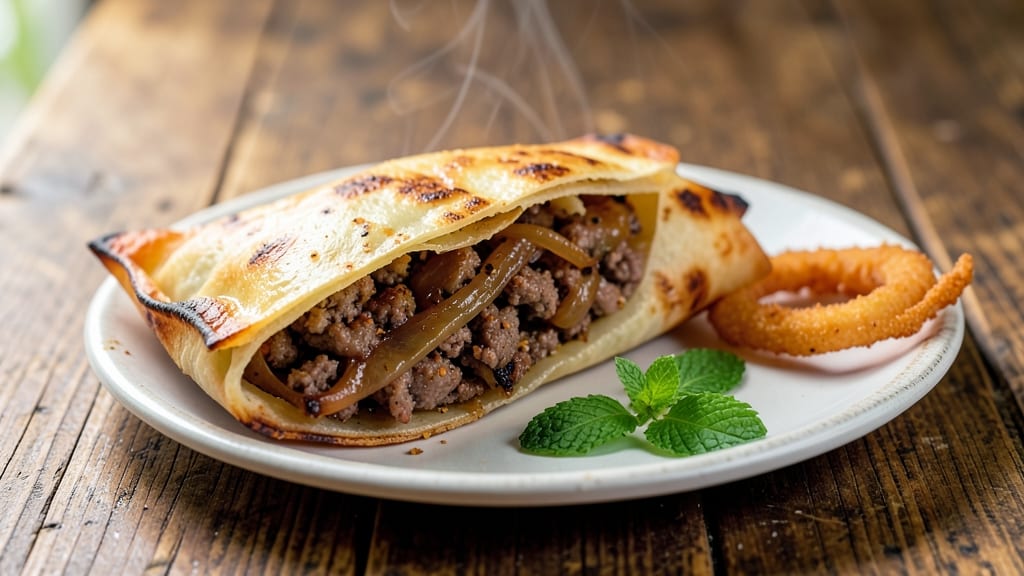
This Arabic beef samosa recipe delivers the perfect fusion of crispy golden layers and aromatic spiced filling that transports you straight to the bustling streets of Cairo.
The secret lies in the slow-cooked beef filling—tender chunks infused with warm spices like cumin, coriander, and cardamom—wrapped in delicate, flaky pastry that achieves that signature crunch.
I developed this recipe after years of perfecting the balance between authentic technique and modern kitchen adaptability, ensuring every bite is both nostalgic and foolproof.
The filling begins with ground beef gently browned and simmered until all the moisture evaporates, creating a rich, concentrated base. This is where the spices truly shine—slow-toasting whole spices in ghee unlocks their natural oils, deepening their flavor without bitterness.
The pastry, a blend of flour, ghee, and a touch of baking powder, is rolled paper-thin to achieve that signature crispness, while the folding technique ensures the filling stays securely tucked inside during frying.
What you'll end up with is a samosa that's crispy on the outside, tender on the inside, and bursting with layers of complex spice. The aroma alone—warm cumin, sweet cardamom, and smoky paprika—will have everyone gathering around your table.
Serve with tamarind chutney or mint yogurt to balance the richness, and prepare to be asked for seconds (or thirds). This isn't just a recipe; it's an experience that brings Middle Eastern flavors to your kitchen with every golden bite.
For those new to samosa-making, don't worry—this method breaks down the process into manageable steps, from spice toasting to perfect folding. The key is patience: letting the filling simmer until dry and the pastry rest before cutting ensures the best results.
Once you master this technique, you'll never go back to store-bought versions again. Let's get started on creating something truly special.
Ingredients for arabic beef samosa
These aromatic spices and tender beef create samosas bursting with Middle Eastern warmth and crispy perfection.
| Ingredient | Amount | Notes |
|---|---|---|
| Ground Beef 🥩 | 1 ½ lb | Lean ground beef, 80/20 preferred |
| Yellow Onions 🧅 | 1 whole | Medium size, finely chopped |
| Fresh Ginger 🌿 | 1 tbsp | Grated, aromatic variety |
| Ghee 🧈 | ½ cup | Clarified butter for frying |
| All-Purpose Flour 🌾 | 3 cups | For pastry, sifted |
| Baking Powder 🍞 | ½ tsp | For flaky texture |
| Ground Cumin 🌶️ | 1 tbsp | Toasted for depth |
| Ground Coriander 🌿 | 1 tbsp | Freshly ground preferred |
| Cardamom Pods 🌿 | 4 whole | Lightly crushed |
| Paprika 🌶️ | 1 tbsp | Smoked for warmth |
| Garlic Cloves 🧄 | 4 cloves | Minced for filling |
| Salt 🧂 | 1 tsp | Kosher or sea salt |
| Black Pepper 🌶️ | ½ tsp | Freshly cracked |
| Water 💧 | ½ cup | For pastry |
The spices are where magic happens. Whole cardamom pods from Penzeys or your local Indian market add that signature floral note—don't use ground cardamom, it's not the same. For ghee, Gujarat brand from specialty stores has the best flavor, but regular butter works in a pinch. The beef should be 80/20 fat ratio—leaner versions dry out during frying. When shopping for spices, check the expiration date. Whole spices last 6-12 months if stored properly, but ground spices lose potency after 3 months.
No cardamom pods? Substitute 1 tsp ground cardamom, but it won't be as aromatic. Short on ghee? Butter or neutral oil works, but the flavor won't be as rich. For the pastry, baking powder is non-negotiable—it creates those signature air pockets. The onions should be finely chopped (almost paste-like) for the filling. Fresh ginger is ideal, but if you're using dried, reduce to 1/2 tsp. The flour matters too—King Arthur brand gives the best texture for this recipe.
Spices keep best in airtight containers away from light. The pastry dough can be prepped 1 day ahead and stored wrapped in plastic in the fridge. For the filling, the flavors deepen when made a day in advance—let it sit uncovered in the fridge overnight. Samosas freeze beautifully—up to 3 months—just reheat in a 350°F oven for 15 minutes to restore crispiness. The aroma alone will have your whole house gathering around the kitchen.
Why You'll Love This Recipe
- No-Fuss Filling: I swear by this recipe because the filling comes together in one pan—no chopping mountains of spices, just ground beef, onions, and ginger simmered in ghee until it’s rich and fragrant. Honestly, the onions caramelize right there while you stir, so you’re not left with a pile of dirty knives.
- Rich, Spiced Comfort: That ghee makes all the difference—it’s not just flavor, it’s depth. The beef soaks it up, and the ginger adds this bright, warm kick that feels like a hug in every bite. Between us, it’s the kind of taste that makes you want to eat it straight from the pan (but don’t, save some for the samosas).
- Weeknight or Party Ready: Make a double batch on Sunday, and you’ve got lunch for the week or a crowd-pleaser for gatherings. The dough stays fresh for days, and the filling reheats like a dream—just pop it in the oven until crispy again. My daughter’s soccer team’s moms now ask for the recipe every time.
- Budget-Friendly Crunch: Ground beef and flour stretch further than you’d think, especially when you’re wrapping it in golden, crispy pockets. I’ll be real: it’s cheaper than takeout, and the leftovers? Even better the second day because the dough gets that extra crunch. Plus, ghee lasts forever, so you’re not buying it weekly.
Step-by-step instructions for Arabic beef samosa
Here's how to craft those irresistible crispy layers and aromatic spiced filling that define authentic Arabic beef samosas.
Prepare the Spiced Beef Filling
In a large skillet, heat the 0.5 cup ghee over medium heat until it shimmers but doesn't smoke. Add the 1 whole yellow onions and cook for 5-6 minutes until they turn translucent and begin to caramelize at the edges. This slow cooking develops deep sweetness that balances the spices.
Add the 1.5 lb ground beef and break it up with a wooden spoon, cooking until it loses its raw color and starts to brown. Stir in the 1 tbsp fresh ginger, 4 cloves garlic, 1 tbsp ground cumin, 1 tbsp ground coriander, 1 tbsp paprika, 1 tsp salt, 0.5 tsp black pepper, and the 4 whole cardamom pods (lightly crushed). Cook for another 5-7 minutes, stirring frequently, until the spices release their aromatic oils and the mixture is deeply fragrant. The filling should be moist but not wet—if it's too dry, add 1-2 tablespoons of water to maintain juiciness. Let it cool completely before using.
Make the Samosa Pastry Dough
In a large mixing bowl, combine the 3 cups all-purpose flour and 0.5 tsp baking powder. Create a well in the center and pour in the 0.5 cup water and the cooled beef mixture. Mix gently with a fork until just combined—you want a soft, slightly sticky dough that holds together when pressed. Avoid overmixing, as this can develop gluten and make the pastry tough.
Knead the dough on a lightly floured surface for 3-4 minutes until smooth and elastic. If it feels too dry, add 1 teaspoon of water at a time until it comes together. Wrap the dough in plastic wrap and let it rest for 30 minutes at room temperature. This resting period relaxes the gluten, making it easier to roll out thin and even layers for that signature crispy texture.
Assemble and Shape the Samosas
Divide the rested dough into 4 equal portions (about 6 ounces each) and roll each portion into a 6-inch circle on a lightly floured surface. For the filling, take about ¼ of the cooled beef mixture and spread it evenly into a 3-inch diameter oval in the center of one dough circle, leaving a 1-inch border around the edges. Fold the dough over the filling to form a half-moon shape, then seal the edges by pressing firmly with your fingers or using a fork to crimp.
Here's the trick for crispy layers: Brush the outer surface of each samosa with a little ghee or melted butter, then sprinkle lightly with flour. This creates a golden, shatteringly crisp exterior. Place the shaped samosas on a parchment-lined baking sheet, seam-side down, and let them rest for 10 minutes before frying. This brief rest prevents the filling from leaking out during cooking.
Fry to Golden Perfection
Heat 1-2 inches of oil in a deep skillet or Dutch oven to 350°F. Fry the samosas in batches, being careful not to overcrowd the pan—this ensures even cooking and maintains the oil temperature. Fry for 3-4 minutes per side until they turn a deep golden brown and the oil sizzles steadily. The samosas are done when they float to the surface and the dough crackles with crispness.
Transfer the fried samosas to a paper towel-lined plate to drain excess oil. Serve immediately while still hot and crispy, with a side of mint chutney or tamarind sauce for dipping. The contrast of the spiced beef filling and the flaky, golden pastry is what makes these samosas so irresistible. If you're not serving them right away, keep them warm in a 200°F oven for up to 15 minutes to maintain their crispness.
Pro Tips For Making Arabic Beef Samosa
- Brown the Beef First: Cook the ground beef until it’s deep brown, not just pink—this builds flavor that cuts through the ginger’s sharpness. I used to skip this and wondered why my samosas tasted bland. (Yes, even if you’re impatient like me.)
- Grind the Ginger Fine: Pulse fresh ginger in a food processor until it’s almost paste-like—this prevents it from clumping and burning. My grandmother swore by this, and she was right: rough ginger just sits in your filling like little pebbles.
- Use Ghee, Not Oil: Ghee’s high smoke point means you can fry the onions until they’re golden caramel, not burnt. Oil burns faster, and burnt onions taste bitter—trust me, you’ll notice.
- Rest the Dough 30 Minutes: Let the flour-ghee dough sit covered at room temp before rolling—it prevents cracking when folding the samosas. I skip this when I’m lazy, but the dough is noticeably easier to work with after resting.
Storing and reheating this recipe
Fridge Storage Tips
Store your cooked samosas in an airtight container with parchment paper between layers to prevent sticking. They'll stay fresh for up to 3 days in the fridge—just reheat in a 350°F oven for 10-12 minutes until crispy again.
The key is reheating quickly to avoid sogginess. I like to reheat them in batches so they don't lose their crunch. 🥖
Freezer Prep
For longer storage, freeze samosas unfried for best results. Place them on a tray, freeze solid, then transfer to a freezer bag with parchment between layers. They'll keep for up to 3 months.
When ready to cook, fry from frozen at 360°F for 4-5 minutes per side—no need to thaw first. This method preserves that signature crispiness perfectly. ❄️
Reheating Crispy Layers
If you've already fried your samosas but want to reheat them, air fryer is your best friend. Set to 375°F for 3-4 minutes, shaking halfway through. For oven reheating, place on a wire rack over a baking sheet at 400°F for 5-6 minutes.
The rack prevents soggy bottoms by allowing air circulation. Microwave is possible but results in less crispiness—only use if you're in a hurry. 🔥
Oil Preservation
After frying, strain and store leftover oil in a glass jar in a cool, dark place. It'll keep for up to 1 month for future samosa sessions. I always save about ½ cup for my next batch—it's already infused with those delicious spices.
For extra flavor, add a crushed cardamom pod to the stored oil before reheating. 🌶️
Make-Ahead Filling
The beef filling actually improves overnight in flavor. Cook it a day ahead, let it cool completely, then refrigerate in an airtight container. The spices will meld beautifully, creating deeper, more complex flavors when you assemble the samosas the next day.
This is my secret weapon for restaurant-quality results at home. ✨
Pastry Prep Ahead
Prepare the pastry dough 1-2 days in advance and store it wrapped tightly in plastic in the fridge. This extended resting time makes rolling out the dough much easier and results in thinner, more delicate layers.
Just let it sit at room temperature for 20 minutes before using. The difference in texture is noticeable—worth the extra prep time! 💫
Nutrition facts
Frequently asked questions
Can I make these samosas with chicken instead of beef?
Ground chicken works beautifully and creates a lighter texture. Use 1.5 lb boneless chicken thighs (not breast) for better moisture retention, and reduce cooking time by 2-3 minutes since chicken browns faster than beef. The spice blend remains the same—just let the chicken simmer until fully cooked (165°F) before cooling for assembly.
Why does my pastry turn out dense instead of crispy?
This usually happens from overmixing the dough or skipping the 30-minute rest. Overworking develops gluten, making it tough. For crispiness:
- Use cold water when mixing,
- Roll the dough paper-thin (about 1/16-inch), and
- Fry in 350°F oil until golden brown. The baking powder is key—don't substitute it with yeast.
What's the best way to make these samosas vegetarian?
Swap the beef for a spiced chickpea and potato mash—cook 1.5 cups chickpeas and 2 medium potatoes until tender, then mash with the same spice blend (add 1 tbsp lemon juice for tang). For extra richness, stir in 2 tbsp tahini. The texture should be firm but moist. Keep the pastry method identical for perfect results.
Can I bake these samosas instead of frying?
Yes! Brush assembled samosas with ghee or oil, sprinkle with flour, then bake at 400°F for 20-25 minutes until golden and crisp. For extra crunch, bake on a wire rack over a tray. They won't be as deep-fried crispy, but the flavor stays authentic. Try adding 1 egg wash before baking for a shinier finish.
How do I prevent the filling from leaking during frying?
First, ensure your filling is completely cooled before assembling. Seal edges tightly by pressing firmly with your fingers or using a fork to crimp. The 10-minute rest before frying helps the dough set slightly. For extra security, brush the sealed edges with egg wash before frying. If filling leaks, your dough may need more flour—adjust the recipe by adding 1 tbsp flour** to the dough.