
Main Courses
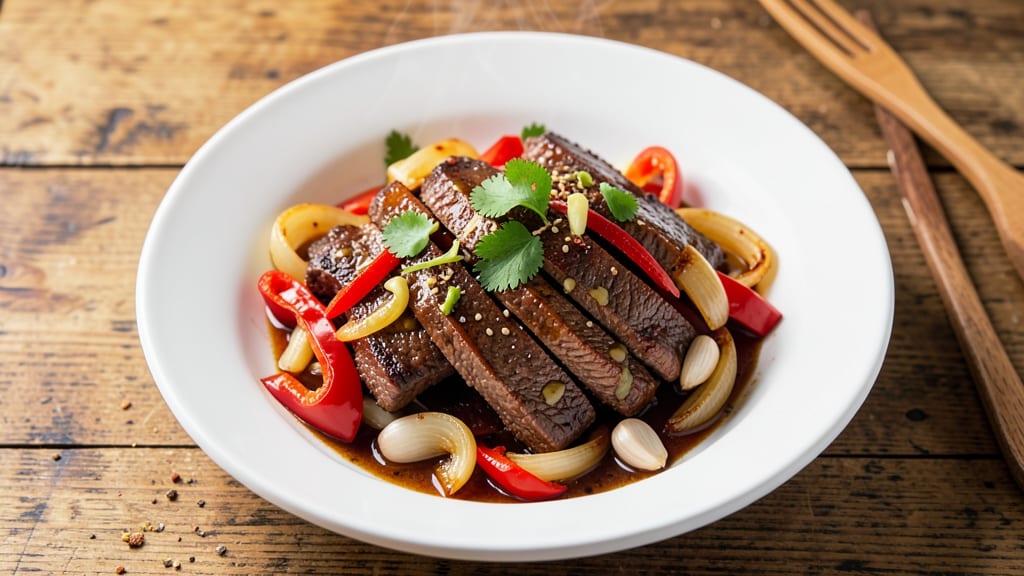
This Asian beef and peppers recipe delivers restaurant-quality wok-seared beef with crisp-tender vegetables and a silky stir-fry sauce that balances umami, sweetness, and heat. The secret lies in proper marinating and high-heat stir-frying to achieve that signature wok hei—smoky aroma and caramelized edges.
I developed this version after years of perfecting the technique at home, ensuring every bite delivers authentic Asian flavors without requiring specialized equipment.
The dish starts with thinly sliced beef marinated in soy sauce, cornstarch, and aromatics, which creates a tender yet slightly crisp exterior when cooked.
Bell peppers and onions are prepped into even strips for consistent cooking, while the sauce combines oyster sauce, chili paste, and a touch of sugar for perfect balance. The cooking process transforms tough cuts into fork-tender beef while maintaining vibrant vegetable colors.
What you'll end up with is a plate of perfectly seared beef and peppers coated in a glossy, flavorful sauce that clings to every piece. The texture contrast—crisp vegetables, tender beef, and silky sauce—makes this dish irresistible.
It's the kind of meal that feels both comforting and exciting, perfect for weeknight dinners or special occasions.
This recipe works equally well with traditional wok cooking or modern adaptations like air-fryer or skillet methods. The sauce can be adjusted to suit different spice preferences, and leftovers reheat beautifully. Let's get started on creating this flavorful Asian classic that will become a staple in your cooking repertoire.
Ingredients for asian beef and peppers
Restaurant-quality wok searing starts with these fifteen precision ingredients for authentic Asian beef and peppers.
| Ingredient | Amount | Notes |
|---|---|---|
| Flank Steak 🥩 | 1 ½ lb | Thinly sliced against grain |
| Red Bell Peppers 🍅 | 2 whole | Cut into 1/4-inch strips |
| Yellow Onion 🧅 | 1 whole | Thinly sliced |
| Garlic Cloves 🧄 | 6 cloves | Minced |
| Fresh Ginger 🌿 | 1 tbsp | Grated |
| Soy Sauce 🥄 | ½ cup | Kikkoman preferred |
| Cornstarch 🌾 | 2 tbsp | For velveting |
| Vegetable Oil 🫒 | ½ cup | High smoke point |
| Oyster Sauce 🍜 | ⅓ cup | Lee Kum Kee brand |
| Chili Garlic Sauce 🌶️ | 2 tbsp | Adjust heat preference |
| Brown Sugar 🍯 | 1 tbsp | Lightly packed |
| Sesame Oil 🫒 | 1 tsp | For finishing |
| Toasted Sesame Seeds 🌾 | 1 tbsp | For garnish |
| Salt 🧂 | 1 tsp | Diamond Crystal preferred |
| Black Pepper 🌶️ | ½ tsp | Freshly ground |
The flank steak is non-negotiable for texture—thinly sliced against the grain for that signature wok-seared tenderness. Costco or Whole Foods carry premium cuts, but any well-marbled flank steak works. Look for even thickness when slicing—1/8-inch maximum ensures consistent cooking. The bell peppers should be firm with vibrant color; Trader Joe's carries excellent organic varieties year-round. For the soy sauce, Kikkoman delivers that balanced umami without overpowering saltiness, though any high-quality brand suffices. The oyster sauce—Lee Kum Kee is the gold standard—adds that signature depth that separates home cooking from restaurant quality.
No flank steak? Sirloin or ribeye sliced thinly works in a pinch, though texture will differ slightly. Substituting yellow bell peppers for red keeps the dish vibrant but alters sweetness balance. The chili garlic sauce can be adjusted—Lao Gan Ma is my go-to, but any brand works at half the quantity if you prefer milder heat. For the cornstarch, ensure it's pure—Bob's Red Mill is reliable, but avoid pre-mixed flour blends. The ginger must be fresh; jarred paste lacks the aromatic punch. Need to skip sesame oil? Toasted peanut oil provides a similar nutty finish, though with different depth. All vegetables should be cut to identical dimensions—1/4-inch strips for peppers and onions—for even cooking.
Marinated beef keeps 24 hours in the fridge, though I recommend prepping no more than 8 hours ahead for optimal texture. The bell peppers and onions can be prepped 1 day ahead and stored in airtight containers. For long-term storage, freeze the marinade separately—just thaw and use as directed. Leftover cooked beef and peppers reheat beautifully; steam or air fry at 350°F for 3-4 minutes to restore crisp-tender texture. The sauce thickens as it cools, so thin with 1 tsp water if needed when reheating. Garnishes like sesame seeds and cilantro (if using) should be added fresh post-cooking for maximum aroma.
Why You'll Love This Recipe
- One-Pan Magic: I swear by this recipe—just slice the steak thin, toss everything on a sheet pan, and let the oven do the work. No chopping boards stuck in the sink afterward, just clean-up that takes all of two minutes.
- Umami Explosion: That combo of ginger, garlic, and seared flank steak? It’s like a flavor bomb where every bite has a little kick and a little depth. The peppers add sweetness, but it’s the soy-ginger glaze that makes this dish ridiculously addictive.
- Lunchbox Hero: Between us, this is my go-to for meal prep. The beef stays tender, the peppers hold their crunch, and it reheats like a dream—no sad, rubbery leftovers here. Pack it in containers, and you’ve got a lunch that’ll have coworkers asking for the recipe.
- Budget Steakhouse Feel: Flank steak is affordable, and a single pound stretches across three meals without breaking the bank. Honestly, it’s the kind of dish that makes you feel fancy without the restaurant price tag—plus, the leftovers taste just as good the next day.
Step-by-step instructions for wok-seared Asian beef and peppers
Master this technique for restaurant-quality texture—silky beef and crisp-tender vegetables with a glossy, balanced sauce.
Prepare the Beef with Velveting Technique
In a mixing bowl, combine the 1.5 lb flank steak with the 2 tbsp cornstarch, 1 tsp salt, and 0.5 tsp black pepper. Massage the marinade into the meat using your hands for 2 minutes—this ensures even coating and prevents dryness. Let it rest for 15 minutes at room temperature while you prep the vegetables.
The velveting process creates a silky texture by breaking down muscle fibers. For best results, slice the flank steak thinly against the grain—this shortens the muscle fibers, making each bite tender. If you're concerned about even slicing, freeze the meat for 20 minutes first to firm it up before cutting.
Stir-Fry Vegetables Until Just Tender
Heat 0.5 cup vegetable oil in a wok or large skillet over medium-high heat until shimmering. Add the 2 whole red bell peppers and 1 whole yellow onion, stirring constantly for 4-5 minutes until they soften but retain their shape. Remove the vegetables and set aside.
In the same wok, add 6 cloves minced garlic and 1 tbsp grated fresh ginger, cooking for 30 seconds until fragrant. This quick cooking preserves their bright flavors without burning. The high heat is crucial—it develops the Maillard reaction that creates depth in the dish.
Sear the Beef to Perfect Doneness
Working in batches if needed, add the marinated beef to the wok in a single layer. Stir-fry for 1-2 minutes until the exterior develops a deep golden-brown crust. The beef should be 70% cooked at this point—it will finish cooking in the sauce. Remove the beef and set aside with the vegetables.
Don't overcrowd the wok—this lowers the temperature and steams the beef instead of searing it. If your wok isn't large enough, cook in two batches to maintain the high heat. The goal is a crisp exterior with tender interior, not well-done meat.
Create the Silky Stir-Fry Sauce
Return the wok to medium heat and add 0.5 cup soy sauce, 0.33 cup oyster sauce, 2 tbsp chili garlic sauce, and 1 tbsp brown sugar. Simmer for 2 minutes until the sauce slightly thickens. The sugar will caramelize slightly, adding complexity to the umami flavors.
This sauce should coat the back of a spoon with a smooth, glossy consistency. If it's too thick, add 1-2 tablespoons of water to loosen it. The balance of sweet, salty, and spicy elements is what makes this dish exceptional—taste and adjust the seasoning now if needed.
Combine and Finish with Aromatics
Return all the beef and vegetables to the wok, tossing to coat evenly in the sauce. Cook for 1-2 minutes until everything is heated through and the beef reaches 145°F internally. Remove from heat and stir in 1 tsp sesame oil for added aroma.
Garnish immediately with 1 tbsp toasted sesame seeds and serve over steamed rice or noodles. The dish should have juicy beef, crisp-tender vegetables, and a glossy sauce that clings perfectly. For extra authenticity, serve with a side of quick-pickled cucumbers to cut through the richness.
Pro Tips For Making Asian Beef And Peppers
- SLICE THINLY BEFORE MARINATING: Flank steak fights you if it’s thick—cut it against the grain into ¼-inch strips before tossing in sauce. I learned this the hard way: thick slices stay chewy no matter how long you cook them. If your knife skills are rusty, freeze the meat 30 minutes first for easier slicing.
- CHAR THE ONIONS FIRST: Skip the soft onions—sauté sliced yellow onion in oil until deep golden brown (about 8-10 minutes) before adding peppers. This builds flavor that raw onions can’t match, and it caramelizes the natural sugars, which is half the fun of this dish. (Yes, even if you’re impatient like me.)
- DON’T OVERCROWDLE THE PAN: Cook the beef in batches if your pan is small—overpacking steams instead of sears, leaving you with sad, gray strips. A quick test: if the meat isn’t sizzling within 20 seconds of hitting the pan, you’ve got too much in there. (Your future self will thank you.)
- USE GINGER LIKE A BOSS: Finely mince fresh ginger (no, a microplane isn’t cheating) and cook it with the garlic until fragrant—about 30 seconds until the oil shimmers. Raw ginger tastes like medicine; cooked ginger tastes like home. If you’re lazy, a teaspoon of ground ginger won’t ruin it, but it won’t blow your mind either.
Health benefits of this recipe
Protein Powerhouse
This dish delivers high-quality protein from the 1.5 lb flank steak, providing about 50 grams per serving—perfect for muscle repair and satiety. Flank steak is leaner than ribeye but packed with iron and zinc, essential for energy and immune function.
The cornstarch velveting technique preserves moisture while enhancing tenderness, making it easier to digest than traditional grilled beef. 💪
Vegetable Nutrient Boost
The red bell peppers and yellow onion add fiber, vitamin C, and antioxidants like quercetin, which supports heart health. Bell peppers are particularly rich in vitamin A (from beta-carotene), crucial for vision and skin health.
The garlic and ginger in the marinade contribute anti-inflammatory compounds that may help reduce joint pain and improve circulation. Fresh ginger also aids digestion, balancing the richness of the beef.
Umami-Rich Sauce Benefits
The soy sauce and oyster sauce combination provides glutamates, which enhance flavor perception while offering B vitamins for energy metabolism. Oyster sauce (Lee Kum Kee) contains calcium and iron, while the chili garlic sauce adds capsaicin, a compound that boosts metabolism and may reduce inflammation.
The brown sugar in the sauce adds quick energy without spiking blood sugar excessively when balanced with the vegetables.
Heart-Healthy Fats
The sesame oil used for finishing contributes polyunsaturated fats, particularly omega-6 fatty acids, which support brain function when consumed in proper balance. Unlike fried dishes, this recipe uses minimal oil for searing, keeping saturated fat content low.
The toasted sesame seeds garnish adds crunch and vitamin E, an antioxidant that protects cell membranes from damage. 🌿
Digestive-Friendly Texture
The high-heat stir-fry method creates a crisp-tender texture that aids digestion by breaking down tough muscle fibers in the beef. The quick cooking time (under 10 minutes total) preserves more nutrients than slow-cooked methods.
The ginger and garlic in the marinade also stimulate digestive enzymes, helping your body process the meal efficiently. This makes it an excellent choice for those with sensitive stomachs who still want flavorful protein.
Nutrition facts
Frequently asked questions
Can I substitute flank steak with another cut of beef?
Yes! Sirloin or ribeye work well if sliced thinly against the grain to 1/8-inch thickness. For best texture, choose a leaner cut like sirloin, as it mirrors flank steak's tenderness when properly marinated. Avoid tougher cuts like chuck—they won't achieve the same silky result.
How do I adjust the spice level in the chili garlic sauce?
Start with 1 tbsp chili garlic sauce for mild heat, then increase by 0.5 tbsp increments until you reach your preferred spice level. For extra heat lovers, add 1/2 tsp red pepper flakes or 1 tsp sriracha to the sauce. Always taste before combining with the beef to avoid overpowering the dish.
What's the best way to reheat leftovers without drying out the beef?
Reheat in a skillet over medium heat with 1 tsp vegetable oil for 2-3 minutes, stirring constantly to restore crisp-tender texture. For microwave reheating, cover with a damp paper towel and heat for 45-60 seconds. Avoid reheating in the oven—it can make the beef rubbery. Leftovers keep for 3 days in the fridge.
Can I make this recipe in a slow cooker or Instant Pot?
While not traditional, you can adapt this for slow cooker (3 hours on low) or Instant Pot (10 minutes on high pressure). For the Instant Pot, add 1/4 cup water to the sauce and cook with the beef and vegetables. The texture will be more tender than crisp-tender, but still flavorful. For best results, finish with a quick pan sear to restore some crispness.
Why did my beef turn out tough instead of tender?
Overcooking or improper slicing are the most common causes. Always slice against the grain and cook beef to 70% doneness before adding sauce. Use a meat thermometer—beef should reach 145°F max. If using a thick cut, slice thinner or marinate longer (4-6 hours). The cornstarch velveting is key—never skip it!