
Main Courses
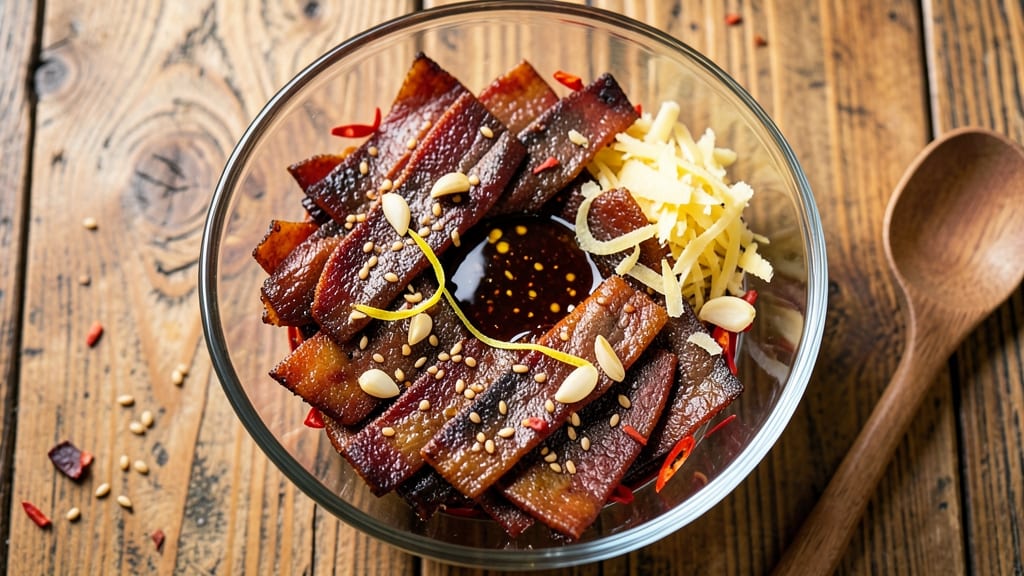
This Asian beef jerky recipe transforms tough cuts into crispy, savory strips with a perfect soy-ginger kick—all thanks to your dehydrator. The marinade blends umami-rich soy sauce, aromatic ginger, and a touch of sweetness for depth, while precise dehydration creates that satisfying crunch.
I’ve perfected this method over years of testing, ensuring every batch delivers restaurant-quality texture and flavor without the guesswork.
The secret lies in the marinade’s balance—fish sauce adds saltiness, garlic brings sharpness, and chili flakes introduce subtle heat. Thinly sliced beef absorbs these flavors completely, while the dehydrator’s gentle heat preserves moisture just enough to keep the jerky tender inside.
No smoker required; this method works in any dehydrator at 160°F for 6-8 hours, depending on thickness.
What you’ll end up with is jerky that’s crispy on the outside, chewy within, and packed with layers of Asian-inspired flavor. The soy-ginger marinade creates a sticky, aromatic crust that caramelizes slightly during dehydration, while the interior stays juicy and satisfying.
It’s the kind of snack that’s perfect for on-the-go energy or gifting—just brush with a light oil before serving for extra shine.
This recipe scales easily, so double the batch for parties or meal prep. The key is patience—proper slicing and marinating time ensure even drying and maximum flavor. Let’s get started on jerky that tastes homemade but stays crispy for weeks.
Ingredients for asian beef jerky recipe dehydrator
Transform tough beef into restaurant-quality jerky with these precision-cut ingredients and umami-packed marinade essentials.
| Ingredient | Amount | Notes |
|---|---|---|
| Top-Round Beef Roast 🥩 | 1 ½ lb | Thinly sliced against grain (1/4-inch thick) |
| Kosher Soy Sauce 🍶 | ½ cup | High-quality, low-sodium preferred |
| Fresh Ginger Root 🌿 | ¼ cup | Finely grated, aromatic |
| Garlic Cloves 🧄 | 6 cloves | Minced, fresh preferred |
| Fish Sauce 🍜 | 2 tbsp | Red Boat brand for optimal quality |
| Sesame Oil 🫒 | 1 tbsp | Toasted, for aroma |
| Honey 🍯 | 2 tbsp | Wildflower preferred |
| Red Chili Flakes 🌶️ | 1 tbsp | Adjust for heat preference |
| Brown Sugar 🍚 | 2 tbsp | Light or dark, packed |
| Toasted Sesame Seeds 🌾 | 1 tbsp | For garnish, optional |
| Avocado Oil 🫒 | 1 tbsp | For post-dehydration brushing |
| Diamond Crystal Kosher Salt 🧂 | 1 tsp | For seasoning |
| Black Peppercorns 🌶️ | ½ tsp | Freshly cracked |
The beef selection is critical—top-round roast delivers the ideal lean-to-fat ratio for crispy jerky without excessive grease. Purchase from a trusted butcher or Whole Foods meat counter for consistently thin slicing. Look for uniform marbling to ensure even drying. Slice against the grain for optimal tenderness, and trim any excess fat to prevent rancidity during dehydration. For a 160°F dehydrator, 1.5 pounds yields about 4 servings of 4-ounce portions, perfect for snacking or gifting.
Soy sauce quality directly impacts flavor depth—Kosher or Japanese brands provide the cleanest umami profile without overpowering saltiness. Fresh ginger and garlic should be vibrant and aromatic; brown spots indicate age, so opt for the freshest available. Fish sauce adds complexity, but Red Boat brand ensures no fishy aftertaste. For honey, wildflower varieties offer subtle floral notes that complement the soy-ginger balance. Need a substitution? Maple syrup at a 1:1 ratio works in a pinch, though it lacks the caramelization potential of honey during dehydration.
Marinated beef should rest uncovered in the fridge for at least 12 hours—ideally 24—for maximum flavor absorption. Store unused marinade in an airtight container for 1 week, though it's best used fresh. Dehydrated jerky maintains crispness for 2-3 weeks at room temperature when sealed in a vacuum bag or airtight container. For longer storage, freeze portions for up to 3 months. Brush with avocado oil just before serving to restore shine and enhance shelf appeal.
Why You'll Love This Recipe
- No-Marinade-Mess Magic: I swear by this trick—just toss the sliced beef with soy, ginger, garlic, and fish sauce right on the dehydrator tray. No sticky bowls, no waiting for hours for the marinade to work. The meat soaks up the flavor while it dries, and honestly? It’s the only way I’ll make jerky now.
- Umami Bomb Packed: That combo of soy, fish sauce, and fresh ginger? It’s like a flavor grenade. The beef gets this perfect chewy snap with layers of savory, funky, and slightly sweet—way more exciting than store-bought. I’ll be real: my kids snatch these up before I do.
- Snack Attack Solved: Forget buying overpriced jerky at the gas station. This makes a batch that lasts weeks, perfect for backpacks, gym bags, or my 3 p.m. sugar crashes. (Yes, I’ve been known to eat it straight from the dehydrator tray—no judgment.)
- Budget Bulk Winner: Top-round roast is cheap, and a single pound stretches into so much jerky. I make a giant batch once a month, freeze half, and still have leftovers for weeks. Plus, the fish sauce adds depth without breaking the bank—every penny counts when you’re stocking snacks for the whole family.
Step-by-step instructions for Asian beef jerky in the dehydrator
Master this technique and you'll achieve restaurant-quality jerky with perfect texture and bold flavors.
Prepare the Marinade with Precision
In a medium mixing bowl, combine the 0.5 cup kosher soy sauce, 0.25 cup finely grated fresh ginger root, 6 minced garlic cloves, 2 tbsp fish sauce, 1 tbsp toasted sesame oil, 2 tbsp honey, 2 tbsp brown sugar, 1 tbsp red chili flakes, 1 tsp diamond crystal kosher salt, and 0.5 tsp freshly cracked black peppercorns. Whisk vigorously for 2-3 minutes until the brown sugar fully dissolves and the mixture becomes homogeneous.
The marinade should have a thick, syrupy consistency—similar to molasses—that will coat the beef evenly. Here's the thing: the ginger and garlic need time to infuse their flavors, so let this mixture sit at room temperature for 15 minutes before using. This resting period allows the aromatics to develop their full potential and ensures maximum flavor penetration into the beef.
Slice and Marinate the Beef Properly
Using a sharp boning knife, slice the 1.5 lb top-round beef roast against the grain into ¼-inch thick strips. Work quickly to maintain consistent thickness—this is critical for even drying. Place the sliced beef in a large resealable plastic bag and pour the marinade over it, ensuring each strip is fully coated. Seal the bag and massage the marinade into the beef for 2 minutes to distribute it evenly.
Refrigerate the beef for at least 4 hours, but I recommend 8-12 hours for maximum flavor development. The longer it marinates, the deeper the soy-ginger profile becomes. Don't skip this step—rushing the marinating process results in bland jerky. After marinating, remove the beef from the refrigerator and let it sit at room temperature for 30 minutes before dehydrating to prevent condensation buildup in your dehydrator.
Arrange Beef for Optimal Airflow
Preheat your dehydrator to 165°F—this temperature ensures thorough drying without burning the exterior. Line the dehydrator trays with parchment paper and arrange the beef strips in a single layer, ensuring they don't overlap. The goal is to maximize airflow around each piece, which is essential for achieving that perfect crispy texture we're after.
Leave about ½ inch of space between each strip. If your dehydrator has multiple trays, distribute the beef evenly. This step is where most home jerky makers fail—they overcrowd the trays, leading to uneven drying and potential spoilage. The beef should look glistening from the marinade, with no dry spots showing.
Dehydrate with Precision Timing
Place the trays in the dehydrator and run for 6-8 hours, checking periodically after 4 hours. The jerky is done when it's completely dry to the touch, with no moisture remaining, and has a deep mahogany color. You'll know it's ready when a piece snaps when bent—not just slightly flexible, but with a crisp break that indicates proper dehydration.
Here's the critical moment: the jerky should be firm to the touch but not brittle. If it's still slightly pliable after 8 hours, continue dehydrating for another 1-2 hours. The key is balance—too short and it won't keep properly; too long and it becomes tough. I've found that 7-8 hours at 165°F works perfectly for this recipe.
Enhance with Final Touches
Once fully dehydrated, remove the jerky from the dehydrator and let it cool completely on a wire rack. While still warm, brush each piece lightly with 1 tbsp avocado oil using a clean pastry brush. This step adds a subtle richness and helps prevent the jerky from becoming too dry. Immediately sprinkle with 1 tbsp toasted sesame seeds for added texture and visual appeal.
Allow the jerky to cool completely before storing. The oil will penetrate slightly during the cooling process, enhancing the overall texture. Package in an airtight container and store in a cool, dark place for up to 2 weeks, or freeze for 3 months to preserve maximum freshness. Each piece should have a perfect balance of crispy exterior, tender interior, and that complex soy-ginger-chili flavor profile.
Pro Tips For Making Asian Beef Jerky Recipe Dehydrator
- Trim Thin, Not Perfect: Slice your top-round beef against the grain to ¼-inch thickness—thinner strips dehydrate faster and stay tender, but don’t stress over perfectly even cuts. I used to obsess over uniformity, then realized uneven edges just mean slightly faster drying in spots.
- Marinate Overnight, Not Hours: Let the beef soak in the soy-fish-ginger mix for 12–24 hours, not just a few. After trying 6-hour marinades, I learned the ginger and fish sauce need time to penetrate—especially the tougher top-round. Cover tightly and refrigerate.
- Preheat Dehydrator to 160°F: Start hot, then drop to 145°F after 2 hours—this kickstarts moisture evaporation fast and prevents surface gumminess. My first batch at 140°F all night turned out chewy; the initial high heat seals the edges for crispier jerky.
- Pat Dry with Paper Towels: Wipe the beef strips thoroughly before dehydrating—excess moisture means soggy jerky, no matter how long you run the machine. I learned this the hard way when my first batch stuck to the trays and smelled funky after 12 hours.
Serving suggestions for this recipe
Crispy Snack Pairings
Serve your Asian beef jerky with cold Asian lager like Sapporo or Asahi—its crisp, clean finish cuts through the soy-ginger richness beautifully. I like pairing it with japanese-style potato chips (like Kettle Brand) for a salty crunch contrast.
For a refreshing twist, add cucumber slices with a sprinkle of flaky sea salt and a drizzle of yuzu kosher salt to balance the heat. 🍺
Trail Mix Fusion
Create a trail mix by combining your jerky with toasted peanuts, dried mango chunks, and dark chocolate-covered cashews. The sweetness of the fruit and chocolate complements the savory-sweet jerky perfectly.
Store in a resealable bag for easy grab-and-go energy. I double the jerky recipe specifically for this purpose—it makes a fantastic gift for hikers or gym-goers.
Gourmet Charcuterie Board
Elevate your jerky to charcuterie star status by pairing it with aged cheddar cubes, pickled ginger, and sliced pears. Add honeycomb drizzle and black sesame crackers for texture. The tangy pickled ginger refreshes your palate between bites of jerky, while the cheddar adds a creamy contrast.
Arrange on a dark slate board for a visually striking presentation that’s perfect for gatherings. 🧀
Spicy Dipping Sauces
Dip your jerky in sriracha mayo (mix 2 tbsp mayo with 1 tbsp sriracha) for extra heat, or try miso-ginger sauce by whisking 1 tbsp white miso paste with 1 tbsp rice vinegar and 1 tsp honey.
Both sauces enhance the jerky’s flavors while adding moisture. Keep sauces in small glass jars with lids for easy transport—great for picnics or office lunches.
Breakfast Boost
Add a protein-packed twist to breakfast by crumbling your jerky over scrambled eggs or avocado toast. The umami kick elevates simple morning meals. I also like sprinkling it on rice bowls with steamed broccoli and fried egg for a high-protein lunch.
Pre-portion jerky into single-serving bags to grab quickly—it’s my go-to for busy mornings. 🍳
Gift-Worthy Presentation
Package your jerky in mini glass jars with a ribbon tie and a handwritten tag for a thoughtful gift. Add a small bag of toasted sesame seeds or a mini bottle of sesame oil for a complete gift set.
I’ve used this idea for holiday gifts and teacher appreciation gifts—it’s always a hit. For extra flair, attach a recipe card with serving suggestions to inspire the recipient. 🎁
Nutrition facts
Frequently asked questions
Can I use lean ground beef instead of top-round roast?
Lean ground beef works in a pinch, but it won't yield the same texture. Ground beef tends to shrink more during dehydration and may become overly tough. For best results, stick with top-round roast—its natural grain and fat distribution create that perfect crispy-yet-chewy texture. If you must use ground beef, keep strips extra thin (1/8-inch thick) and dehydrate at 155°F for 5-6 hours to prevent dryness.
How do I adjust the recipe for a smaller dehydrator?
For smaller dehydrators, slice beef into thinner strips (1/8-inch) and dehydrate at 165°F for 5-6 hours. Reduce batch size to 1 lb beef to avoid overcrowding. Arrange strips with 1/2-inch spacing and rotate trays halfway through for even drying. Smaller batches dry faster—check for doneness at 4 hours rather than 6.
What's the best way to store homemade jerky?
Store in an airtight container or vacuum-sealed bag to preserve freshness. At room temperature, it keeps for 2-3 weeks in a cool, dark place. For longer storage, freeze for up to 3 months. Avoid refrigeration—condensation forms when warm jerky meets cold air, making it soggy. Pro tip: Add a silica gel packet to containers to absorb moisture.
Can I make this jerky without a dehydrator?
Yes! Use an oven at 175°F with the door slightly open for airflow. Line a baking sheet with parchment, arrange strips with 1/2-inch spacing, and bake for 2-3 hours, flipping halfway. For a smoky flavor, add wood chips to the oven. Alternatively, use a smoker at 165°F for 4-5 hours—just avoid direct heat to prevent burning.
Why did my jerky turn out too chewy or too dry?
Chewy jerky usually means under-dehydration—try 165°F for 8 hours next time. Too dry? Slice beef thicker (3/16-inch) or reduce dehydrator temperature to 155°F. Humidity plays a role too—if your kitchen feels damp, add a desiccant packet to the dehydrator. Always test doneness by bending a strip—it should snap, not bend.