
Main Courses
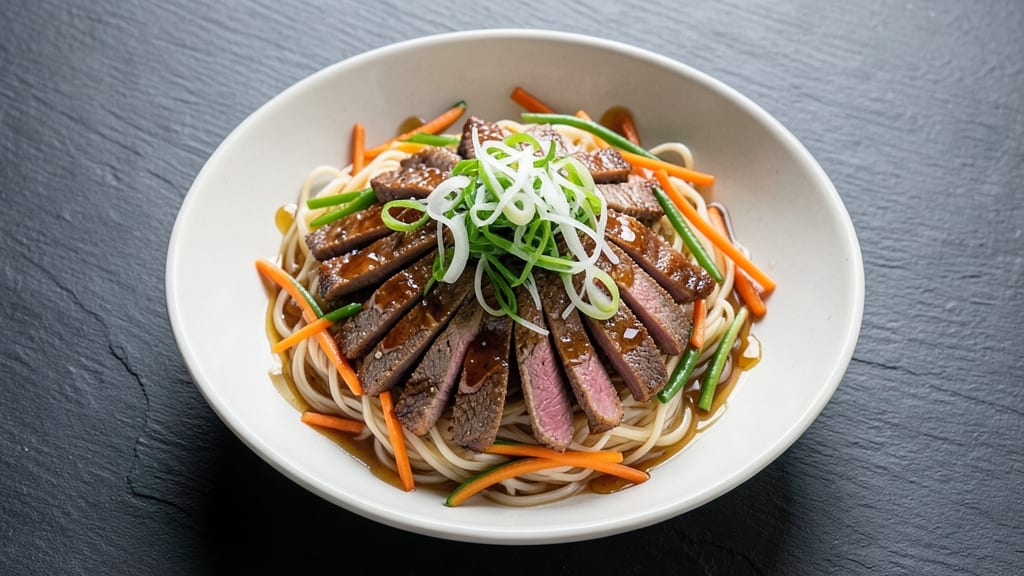
This Asian beef noodle bowl recipe delivers restaurant-quality wok-seared beef and silky rice noodles in under 30 minutes. The secret lies in high-heat searing for tender, flavorful beef strips and a balanced sauce that harmonizes umami, spice, and sweetness.
I developed this recipe after years of experimenting with wok techniques to create that perfect combination of caramelized edges and tender centers—without requiring specialized equipment.
The foundation starts with thinly sliced beef that cooks quickly over high heat, developing a rich crust while staying juicy inside. Silky rice noodles soak up the savory sauce beautifully, creating a satisfying texture contrast.
What makes this dish special is the sauce—a blend of soy sauce, sesame oil, and a touch of honey—that adds depth without overpowering the beef's natural flavor. The recipe also includes simple stir-fried vegetables for freshness and crunch.
By the time you assemble everything in a warm bowl, you'll have a meal that's rich, aromatic, and perfectly balanced. The beef remains tender with caramelized edges, the noodles are al dente and coated in flavorful sauce, and each bite delivers a harmonious blend of textures and tastes.
This is the kind of dish that transforms a simple weeknight dinner into a memorable experience.
Whether you're feeding a family or meal prepping for the week, this recipe scales effortlessly. The components can be prepared ahead and assembled quickly when ready to serve.
For added convenience, I've included optional dietary adjustments that maintain the dish's integrity while accommodating different preferences. Let's create this flavorful bowl together.
Ingredients for asian beef noodle bowl
Quick grocery run for restaurant-quality wok-seared beef and silky noodles in 30 minutes.
| Ingredient | Amount | Notes |
|---|---|---|
| Flank Steak 🥩 | 1 lb | Thinly sliced against grain |
| Rice Noodles 🍜 | 8 oz | Medium-width, uncooked |
| Sesame Oil 🫒 | 2 tbsp | For aroma and flavor |
| Soy Sauce 🥄 | ½ cup | Light or all-purpose |
| Honey 🍯 | 2 tbsp | For balance and sweetness |
| Garlic Cloves 🧄 | 4 cloves | Minced for sauce |
| Fresh Ginger 🌿 | 1 tbsp | Grated, for zing |
| Vegetable Oil 🫒 | 2 tbsp | High smoke point |
| Carrots 🥕 | 1 medium | Julienned, for crunch |
| Bell Peppers 🍅 | 1 whole | Red or yellow, sliced thin |
| Green Onions 🧅 | 3 whole | Thinly sliced, for garnish |
| Sesame Seeds 🌾 | 1 tbsp | Toasted, for crunch |
| Salt 🧂 | 1 tsp | Kosher or sea salt |
| Black Pepper 🌶️ | ½ tsp | Freshly ground |
| Red Chili Flakes 🔥 | ½ tsp | Optional, for heat |
The beef is everything here—flank steak delivers that perfect wok-seared texture. Grab it from the butcher counter if possible, or the pre-sliced Asian market section works too. Look for good marbling—it keeps the meat juicy while searing. Slice it thinly against the grain (about 1/8-inch thick) for tender bites. If you're short on time, freezer-section pre-sliced beef is a lifesaver, just thaw it completely before cooking. The rice noodles? Thai Kitchen brand is my go-to—they soak up sauce perfectly without getting mushy.
No sesame oil? Toasted sesame seeds at half the amount will give you that nutty flavor, though it won't be as aromatic. Light soy sauce can be swapped for dark, but you'll lose some depth. Maple syrup or agave works instead of honey if you're avoiding it. For the veggies, bell peppers can be any color—just make sure they're fresh (no rubbery ones!). The carrots can be baby carrots if that's what's handy. Need to skip one? Broccoli florets stir-fry just as well. And if you're making this ahead, cook the beef and veggies first—they reheat beautifully.
Prep the sauce components first—they keep for 5 days in the fridge. The beef and veggies are best served immediately after searing, but noodles can be soaked and stored separately for 2 days. Assemble everything right before eating so the noodles stay al dente. This reheats surprisingly well—just warm the sauce and veggies, then toss with the noodles. For meal prep, portion the sauce and beef separately, then combine with fresh noodles when ready. The flavors actually deepen overnight, so leftovers taste even better.
Why You'll Love This Recipe
- Foolproof Slice-and-Season: I swear by this—just slice the flank steak thin (no fancy knife skills needed) and let the soy sauce and honey do the magic. Five minutes of active work, and the rest is hands-off searing.
- Umami Bomb Combo: That sesame oil hitting the pan first? Instant flavor. The honey-soy glaze caramelizes just enough to make every bite taste like a tiny, delicious revelation.
- Lunchbox Hero: Between us, this is my go-to for packed lunches. The noodles stay soft for hours, and the beef stays tender—no sad, dry leftovers here. (Yes, even on a Tuesday night.)
- Budget Powerhouse: Flank steak stretches across multiple bowls, and rice noodles cost pennies. Honestly, I make this twice a month just to keep grocery bills low without sacrificing taste.
Step-by-step instructions for wok-seared beef and silky rice noodles
Here's how to build this restaurant-quality bowl with perfectly seared beef and tender noodles.
Prep All Ingredients for Perfect Timing
Start by slicing the 1 lb flank steak thinly against the grain into ¼-inch strips. This ensures tender bites that cook quickly in the wok. While you work, julienne the 1 medium carrot into thin matchsticks and slice the 1 whole bell pepper into thin strips. Thinly slice the 3 whole green onions and set aside. Grate the 1 tbsp fresh ginger and mince the 4 cloves garlic. Toast the 1 tbsp sesame seeds in a dry skillet over medium heat for 1 minute until fragrant, then set aside.
This prep work is crucial—having everything ready means nothing gets forgotten in the heat of cooking. I like to arrange my cutting board with all ingredients in order of use: first the beef, then the veggies, then the aromatics. Keep the 8 oz rice noodles in their package until ready to cook—no soaking needed until the last minute.
Create the Sweet-Savory Sauce Base
In a small bowl, whisk together the 0.5 cup soy sauce, 2 tbsp honey, and 2 tbsp sesame oil. This sauce should be smooth and glossy—if it's too thick, add 1 teaspoon water to loosen. Set aside while you cook the beef. The balance of salty soy, sweet honey, and nutty sesame oil creates that signature umami depth that makes this dish special.
I always taste the sauce at this stage to check the balance. If it needs more heat, add a pinch of the 0.5 tsp red chili flakes, but don't skip this—you're building flavor layers that will carry through the entire dish. Keep this sauce within easy reach as you'll add it back in at the end.
Wok-Sear the Beef for Maximum Flavor
Heat a wok or large skillet over high heat until it's smoking hot. Add the 2 tbsp vegetable oil and swirl to coat. Working in batches if needed, add the sliced flank steak and sear for 1-2 minutes until the edges are deep brown and the beef is 80% cooked. Remove the beef and set aside—it will finish cooking when everything comes back together.
The key here is high heat and not overcrowding the pan. If your wok isn't hot enough, the beef will steam instead of sear. You want that beautiful mahogany crust that holds all the caramelized flavors. Don't worry if the beef looks slightly underdone—it'll finish perfectly when everything combines.
Cook the Vegetables and Noodles
In the same wok, add a bit more vegetable oil if needed and stir-fry the julienned carrots and bell pepper strips for 2-3 minutes until they're bright and just tender-crisp. Add the minced garlic and grated ginger, cooking for 30 seconds until fragrant. Push the vegetables to one side of the wok and add the 8 oz rice noodles, breaking them up as they cook.
Pour in 1 cup hot water (or as needed) and stir to coat the noodles. Cover and cook for 2-3 minutes until the noodles are tender but still slightly chewy. The water should be absorbed by the time they're done—if not, add a splash more. This is where the noodles transform from dry to silky, so don't rush this step.
Combine Everything for Perfect Balance
Return the seared beef to the wok along with any accumulated juices. Add the prepared sauce and toss everything together for 1-2 minutes until the beef is fully cooked and the sauce coats everything evenly. Taste and adjust seasoning with salt and black pepper as needed—you might need a bit more soy sauce if the dish tastes too sweet.
Divide the noodle mixture among bowls and garnish with the thinly sliced green onions and toasted sesame seeds. For that final touch, drizzle with any remaining sauce from the wok. Serve immediately while everything is hot and the noodles are still silky. The contrast of tender beef, crisp vegetables, and silky noodles makes every bite perfect.
Pro Tips For Making Asian Beef Noodle Bowl
- Slice Thin, Cook Fast: Flank steak’s tough when overcooked, so slice it paper-thin against the grain before searing—about ¼-inch thick. High heat for 2 minutes max per side, then pull it out while still pink. I learned this the hard way when my first batch turned chewy; now I treat it like a quick stir-fry, not a slow cook.
- Soak Noodles Right: Rice noodles stick like glue when over-soaked, so use just enough hot water to cover them, then drain after 3-4 minutes—they’ll finish cooking in the hot wok. I used to drown them, but now I keep a timer and a colander nearby. Trust me, mushy noodles ruin everything.
- Balance the Sauce: Mix your soy, honey, and sesame oil before adding the beef—taste it first. Too much honey? Add a splash of rice vinegar. Too salty? Dilute with a little water. I was skeptical until I tried it; now I adjust as I go, not after the dish is done.
- Upgrade with Aromatics: Skip the basic sauce and toss in minced garlic, ginger, and a splash of fish sauce while searing the beef. It adds depth without extra effort. I was lazy for years, then realized how much better it tasted—now I keep a small bowl of pre-minced garlic in the fridge for quick use.
Creative variations of this dish
Spicy Thai-Inspired
Transform this bowl into a Thai-style pho-inspired dish by adding 1 tbsp fish sauce and 1 tsp sugar to the sauce base. Stir in 2 tbsp fresh lime juice and 1 minced Thai chili (or ½ tsp chili flakes) for heat.
Serve with bean sprouts and hoisin sauce on the side for dipping. The extra umami from fish sauce and bright lime cut through the richness beautifully. 🌶️
Japanese Teriyaki Twist
Swap the honey for 3 tbsp mirin and 1 tbsp sake, then add 1 tbsp grated ginger and 1 tsp grated daikon radish to the sauce. Use ribeye steak instead of flank for a richer flavor.
Garnish with pickled ginger and shredded nori strips for that classic Japanese bowl vibe. The teriyaki glaze becomes glossy and slightly sticky, perfect for coating the beef. 🍶
Korean Bulgogi Fusion
Marinate the beef in ¼ cup soy sauce, 2 tbsp brown sugar, 1 tbsp sesame oil, 1 tbsp grated pear (for tenderness), and 1 tsp gochujang for 30 minutes before cooking. Use udon noodles instead of rice noodles for a heartier texture.
Top with quick-pickled cucumbers and toasted sesame seeds. The pear keeps the beef ultra-tender, while the gochujang adds a subtle spicy depth. 🥬
Vegetarian Veggie Bowl
Replace the beef with 1 lb extra-firm tofu (pressed and cubed) or shitake mushrooms (sliced). Stir-fry the tofu with 1 tbsp cornstarch for crispiness, or marinate the mushrooms in 1 tbsp soy sauce and 1 tsp maple syrup.
Use the same sauce and veggies, but add edamame and avocado slices for extra texture. The dish stays hearty and satisfying without meat. 🥜
Meal Prep Adaptation
Cook the beef and veggies separately, then store in airtight containers for up to 3 days. Keep the sauce in a separate jar. When ready to eat, reheat the beef and veggies, toss with fresh noodles, and add the sauce.
For extra flavor, sprinkle with toasted sesame seeds and green onions right before serving. This keeps the noodles from getting soggy during storage. ⏰
Extra-Protein Boost
Add ½ cup cooked quinoa or ½ cup black beans to the bowl for extra protein and fiber. The quinoa soaks up the sauce beautifully, while the beans add a hearty texture.
For a crispy element, top with crushed peanuts or fried shallots. This makes the bowl even more filling and balanced for a complete meal. 💪
Nutrition facts
Frequently asked questions
Can I use regular spaghetti instead of rice noodles?
While you can technically use spaghetti, it won't give you the same silky texture that makes this dish special. Rice noodles absorb the sauce beautifully and stay tender when cooked properly. If you're set on regular noodles, try udon or egg noodles for better texture—just reduce the cooking time by 1-2 minutes since they're denser.
What's the best way to slice the beef for perfect tenderness?
Slice the flank steak thinly against the grain—about ¼-inch thick—for maximum tenderness. Use a sharp knife and work carefully to keep the strips even. If you're short on time, buy pre-sliced beef from the freezer section (just thaw it completely first). The thinner the slices, the faster they'll cook and the more tender they'll be.
Can I make this dish ahead of time?
Cook the beef and vegetables separately, then store them in airtight containers for up to 3 days. Keep the sauce in a separate jar. When ready to eat, reheat everything and toss with fresh noodles. For extra flavor, sprinkle with toasted sesame seeds and green onions right before serving. This keeps the noodles from getting soggy during storage.
How can I make this dish spicier?
Add ½ teaspoon red chili flakes to the sauce base, or stir in 1 minced Thai chili (or ½ teaspoon cayenne pepper) when combining everything. For extra heat, serve with sriracha or chili crisp on the side. You can also add a dash of gochujang (Korean chili paste) for a deeper, spicier flavor.
What if my wok isn't hot enough to sear the beef?
If your wok isn't getting hot enough, try preheating it over high heat for 5 minutes before adding oil. If that doesn't work, use a cast-iron skillet instead—it retains heat better. The key is getting that beautiful mahogany crust on the beef, so don't rush this step. If the beef starts to steam instead of sear, reduce the amount in the pan and cook in batches.