
Main Courses
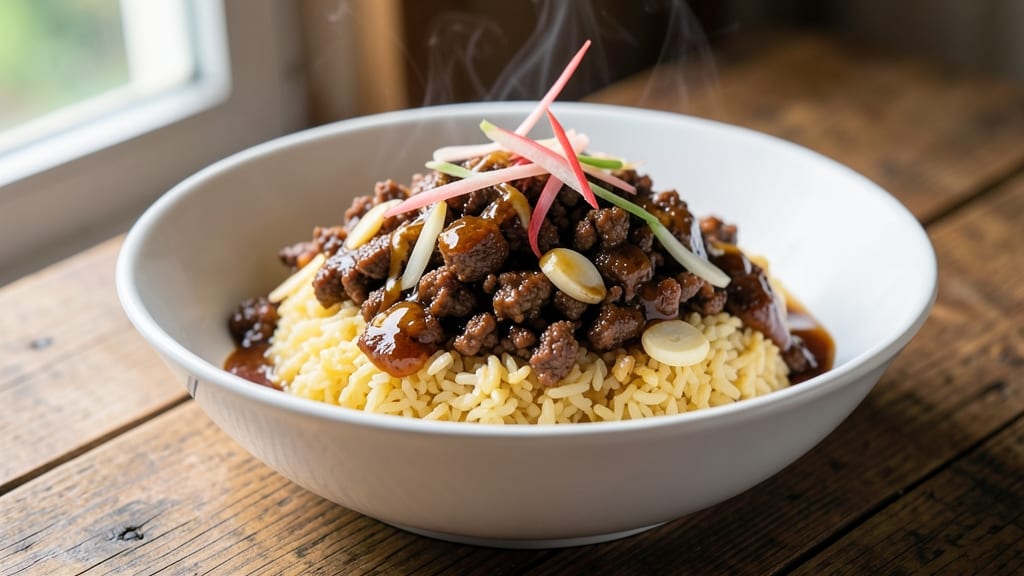
This Asian ground beef and rice recipe transforms simple ingredients into a fragrant, restaurant-quality meal with minimal effort. The secret lies in wok-frying the beef with aromatic garlic, ginger, and soy sauce until deeply caramelized, then combining it with perfectly cooked jasmine rice infused with sesame oil and scallions.
I developed this dish after craving that perfect balance of savory, slightly sweet, and umami-rich flavors without complicated techniques.
The foundation is a high-heat stir-fry that develops rich, complex flavors in just 10 minutes, while the rice cooks in a flavorful broth that keeps it tender and aromatic.
Ground beef breaks apart beautifully when cooked quickly, absorbing all the savory-sweet glaze from the garlic, soy, and a touch of honey. This method ensures every bite delivers that satisfying combination of textures and flavors.
What you'll end up with is a dish that's hearty enough for a weeknight dinner but elegant enough for company—golden-brown beef flecked with fresh herbs, fragrant jasmine rice, and a sauce that's perfectly balanced between salty, sweet, and tangy.
The aroma alone will have everyone gathering at the table, and the flavors will keep them coming back for seconds.
Serve this dish with steamed broccoli or a simple cucumber salad to complete the meal. The recipe scales easily for a crowd, making it perfect for meal prep or special occasions. Let's get cooking!
Ingredients for asian ground beef and rice
Simple ingredients that deliver restaurant-quality Asian-inspired flavors in under 30 minutes.
| Ingredient | Amount | Notes |
|---|---|---|
| Ground Beef (80/20) 🥩 | 1 ½ lb | Lean-to-fat ratio for flavor |
| Jasmine Rice 🍚 | 1 ½ cups | Uncooked, long-grain preferred |
| Garlic Cloves 🧄 | 6 cloves | Minced for aromatic depth |
| Fresh Ginger 🌿 | 1 tbsp | Grated, for zesty kick |
| Low-Sodium Soy Sauce 🥄 | ½ cup | For balanced saltiness |
| Sesame Oil 🫒 | 1 tbsp | Toasted, for nutty aroma |
| Honey 🍯 | 1 tbsp | For subtle sweetness |
| Scallions 🧅 | ¼ cup | Thinly sliced, for freshness |
| Vegetable Oil 🫒 | 2 tbsp | High smoke point for wok-frying |
| Green Onions 🧅 | ¼ cup | Chopped, for garnish |
| Cilantro 🌿 | 0.2 cup | Chopped, optional garnish |
| Salt 🧂 | ½ tsp | Adjust to taste |
| Black Pepper 🌶️ | ¼ tsp | Freshly ground |
| Chicken Broth 💧 | 1 ½ cups | Low-sodium for rice infusion |
The ground beef is the star—80/20 ratio ensures juicy, flavorful bites that caramelize beautifully. Grab pre-minced garlic and ginger from the Asian aisle at Trader Joe's or H Mart for convenience, but fresh is always better. Jasmine rice needs to be rinsed until water runs clear to remove excess starch and prevent mushiness. For the sesame oil, toasted varieties add depth, while regular works in a pinch. The honey should be light amber—too dark can overpower the delicate balance of flavors.
No soy sauce? Coconut aminos work in a 1:1 swap, though the flavor profile shifts slightly. Fresh ginger too spicy? Substitute 0.5 tbsp ground ginger—it's milder but still packs a punch. Scallions and green onions are interchangeable, but green onions have a sharper bite if you prefer more zing. The chicken broth can be swapped for vegetable broth for a vegetarian option, though the umami depth will differ. For extra richness, add 1 tbsp oyster sauce (ensure it's vegetarian if needed).
Rice keeps best in an airtight container for up to 4 days—reheat with a splash of water in the microwave. The beef mixture reheats well but may dry out; add a splash of broth when warming. Freeze portions in single-serving containers for up to 3 months. For meal prep, cook the rice and beef separately, then combine when ready to serve to maintain texture. Garnishes like cilantro and green onions stay fresh 3-4 days wrapped in damp paper towels.
Why You'll Love This Recipe
- One-Pan Magic: I swear by this recipe because it’s actually one-pan—no rice cooker, no extra bowls. Just brown the beef with garlic and ginger, add the rice and broth, and let it steam. That fat from the 80/20 beef? It crisps the edges of the rice while keeping the center fluffy. Zero fuss, maximum flavor.
- Umami Bomb: The combo of low-sodium soy sauce and fresh ginger cuts through the richness of the beef in the best way. Honestly, I’ll take this over takeout any day—it’s got that deep, savory punch without needing a million bottles of sauce. Plus, the garlic? It caramelizes just enough to make the whole dish smell like a hug.
- Lunchbox Hero: Between us, this is my go-to for meal prep. Cook a big batch on Sunday, and you’ve got five days of easy lunches. The rice stays separate from the beef until you reheat, so it’s fresh every time. My kids (who usually hate leftovers) actually ask for this in their bento boxes.
- Budget Win: Ground beef is cheap, jasmine rice is cheap, and you’re not buying pre-made sauce packets. I make this for $3 a serving, and it still feels like a restaurant dish. The secret? The fat in the 80/20 beef adds richness without needing expensive shortcuts. Frugal but far from boring.
Step-by-step instructions for wok-fried Asian ground beef and rice
This method delivers restaurant-quality flavor with perfectly cooked rice and tender beef.
Prepare the Jasmine Rice with Aromatic Broth
Rinse the 1.5 cups jasmine rice under cold water until the water runs clear, then drain well in a fine-mesh strainer. In a medium saucepan, combine the rice with the 1.5 cups chicken broth and bring to a boil over medium-high heat. Once boiling, reduce heat to low, cover tightly with a lid, and simmer for 15 minutes.
After 15 minutes, turn off the heat and let the rice steam undisturbed for 10 minutes. This resting period ensures even cooking and prevents mushy grains. Fluff the rice gently with a fork before transferring it to a serving dish. The rice should be tender but still slightly firm to the bite—this is key for texture.
Wok-Fry the Ground Beef with Aromatics
Heat a wok or large skillet over high heat until very hot, then add the 2 tablespoons vegetable oil. Once the oil shimmers, add the 1.5 pounds ground beef (80/20) and cook, breaking it apart with a spatula, until it loses its raw color—about 4-5 minutes. The fat should render out, leaving you with browned, crumbly beef.
Push the beef to one side of the wok and add 1 tablespoon sesame oil, 6 minced garlic cloves, and 1 tablespoon grated fresh ginger. Stir-fry for 30 seconds until fragrant—you should smell the garlic and ginger sizzling. Pour in the 0.5 cup low-sodium soy sauce and 1 tablespoon honey, then toss everything together for 1-2 minutes until the sauce thickens slightly and coats the beef.
Combine Beef with Rice and Garnish
Add the cooked rice to the wok and stir-fry for 2-3 minutes on medium heat, allowing the rice to absorb the beef mixture evenly. Taste and adjust seasoning with 0.5 teaspoon salt and 0.25 teaspoon black pepper if needed. The dish should balance savory, slightly sweet, and umami flavors.
Transfer the rice to a serving platter and garnish with 0.25 cup thinly sliced scallions, 0.25 cup chopped green onions, and 0.2 cup chopped cilantro for freshness and color. Serve immediately while the rice is hot and the aromatics are still vibrant. The final dish should have a fragrant, wok-fried essence with tender beef and perfectly cooked rice.
Pro Tips For Making Asian Ground Beef And Rice
- Prep Ginger Like a Pro: Use a microplane or the side of your knife to grate ginger—no peeling needed. I learned this the hard way after trying to chop it like an onion and ending up with uneven, bitter chunks that didn’t dissolve properly into the sauce.
- Brown the Beef First: Hit the pan on medium-high heat and cook the ground beef until it’s deep brown in spots, not just pink. This builds flavor that low-sodium soy sauce alone can’t hide—skip this, and your dish tastes like it’s missing something.
- Don’t Rush the Rice: Once the beef is cooked, turn off the heat and let the rice steam under its lid for 10 minutes after it’s done. I used to peek and stir, and now my rice is always dry and separate—this guarantees fluffy, fragrant grains every time.
- Minimize Soy Sauce Splatter: Add the soy sauce after the beef is mostly cooked, not at the start. The high heat at the beginning causes it to burn and splatter—wait until the beef’s seared, then deglaze with a splash of water first to loosen the browned bits.
Pro cooking tips for asian ground beef and rice
High-Heat Wok Mastery
Your wok or skillet needs to be scorchingly hot—I mean, oil should shimmer like a desert mirage—before adding the beef. If it's not hot enough, the beef will steam instead of sear, leaving you with bland, gray meat.
I use a carbon steel wok because it heats up faster and retains heat better than stainless steel. Preheat it for 2-3 minutes on high before adding oil. 🔥
Garlic-Ginger Timing
Add the garlic and ginger after the beef has browned—this prevents burning and maximizes their aromatic potential. Stir-fry them for just 30 seconds until fragrant, then immediately add the soy sauce and honey.
Overcooking these aromatics turns them bitter, so keep a close eye on the clock. I like to use pre-minced garlic and ginger from the Asian aisle for convenience, but fresh is always better.
Soy Sauce Balance
The low-sodium soy sauce is crucial here—it should coat the beef but not overwhelm it. If using regular soy sauce, reduce the amount to 3 tablespoons and adjust salt later.
For extra depth, add 1 teaspoon fish sauce (if you're not vegetarian) or 1 teaspoon coconut aminos for a gluten-free twist. Taste as you go, and remember: you can always add more, but you can't take it out.
Rice Texture Secrets
Rinsing the jasmine rice until the water runs clear removes excess starch, preventing a gummy texture. After cooking, let it steam undisturbed for 10 minutes—this resting period is non-negotiable.
If you peek, you risk losing steam and ending up with unevenly cooked grains. For extra flavor, add 1 teaspoon toasted sesame oil to the rice while it steams. ✨
Beef Caramelization
Break the beef into small, even crumbles as you cook it—this ensures every piece gets coated in the garlic-ginger-soy glaze. If you see large chunks, cut them with your spatula. The goal is deep caramelization, which happens when the beef turns a rich, golden brown.
This is where the Maillard reaction creates those irresistible flavors. Don’t rush it—patience pays off here.
Garnish Like a Pro
Fresh garnishes elevate the dish from good to showstopping. Thinly slice the scallions and green onions just before serving to keep them crisp. Toss the cilantro in 1 teaspoon cold water, then drain—this keeps it vibrant longer.
For a smoky touch, sprinkle ½ teaspoon smoked paprika over the top. Presentation matters, especially when you’re serving this to guests who’ll be impressed by the aroma alone. 💫
Nutrition facts
Frequently asked questions
Can I use a different type of rice for this recipe?
Jasmine rice is ideal for its fragrant, slightly sticky texture, but you can substitute basmati or short-grain sushi rice for a firmer bite. Avoid long-grain white rice—it won't absorb the beef flavors as well. For extra aroma, add ½ teaspoon toasted sesame oil to the rice while cooking.
What if I don't have a wok? Can I use a regular skillet?
A 10-12 inch cast iron or stainless steel skillet works perfectly. Just make sure it's preheated on high heat until smoking hot before adding oil. The key is maintaining that high heat to achieve the same caramelization. A non-stick pan works too, but it won't develop the same depth of flavor.
How can I make this dish spicier?
Add ½ teaspoon chili flakes or 1 teaspoon gochujang (Korean chili paste) when combining the beef with soy sauce. For heat lovers, stir in 1-2 teaspoons sriracha or ½ teaspoon cayenne pepper—adjust to taste. Remember, you can always add more spice later, but you can't remove it!
Can I make this recipe ahead of time?
Cook the beef mixture and rice separately, then store them in airtight containers for up to 4 days in the fridge. When ready to serve, reheat the beef with a splash of broth or water, then mix with the rice. For best texture, don't combine them until serving. Freeze portions for up to 3 months—thaw overnight in the fridge.
What's the best way to serve this dish?
Pair it with steamed bok choy, cucumber salad, or quick-pickled vegetables to balance the richness. For a complete meal, add a side of miso soup or edamame. Garnish with extra scallions, cilantro, and a drizzle of toasted sesame oil right before serving for maximum freshness.