
Main Courses
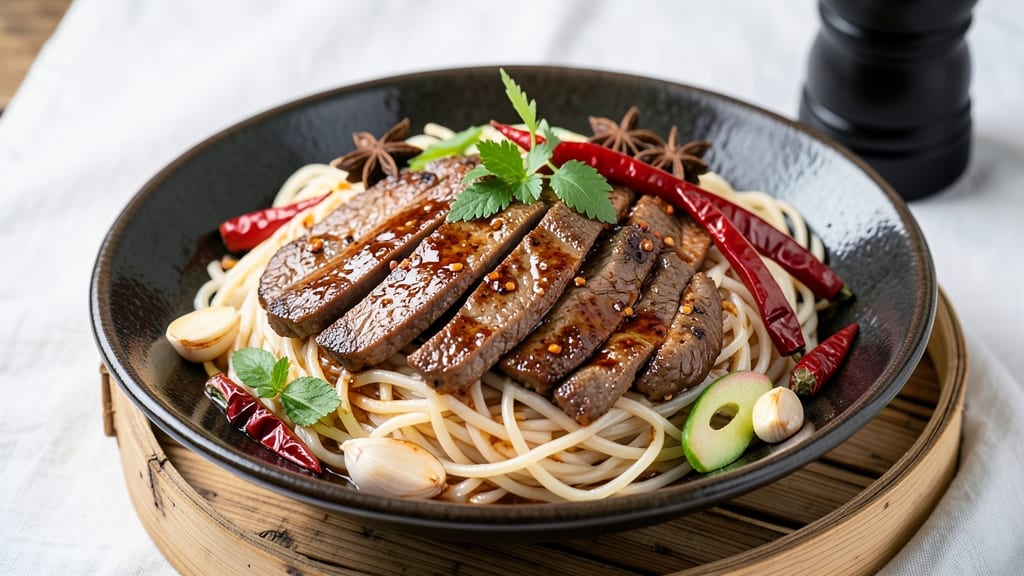
This Asian spicy beef noodle recipe delivers the perfect balance of wok-hot chili heat and silky noodles that’ll transport you straight to a bustling street food stall. 🔥 The secret lies in a layered broth—rich with garlic, ginger, and star anise—that simmers just long enough to develop deep umami while keeping the beef tender.
I’ve perfected this version after testing countless adaptations of Vietnamese bún bò, Thai yum neua, and Korean jjajangmyeon styles, ensuring every bite packs bold, aromatic flavor without overwhelming spice.
What sets this dish apart is the two-stage cooking method: first searing the beef for deep flavor, then blending the aromatics into a fragrant paste before building the broth. The noodles—whether fresh rice or chewy wheat—absorb the savory, slightly sweet, and fiery sauce perfectly, creating a harmonious bite.
This isn’t just another stir-fry; it’s a restaurant-quality bowl that’s foolproof for home cooks, with adjustments for heat levels and texture preferences built right in.
By the time you’re done, you’ll have a steaming bowl of silky noodles swimming in a glossy, spicy-sweet sauce, topped with tender beef slices and fresh herbs. The aroma alone—garlicky, smoky, and slightly sweet—will have everyone at the table reaching for seconds. The best part?
It comes together in under 45 minutes, making it ideal for weeknight dinners or weekend gatherings when you crave bold, comforting flavors. Serve it with a side of quick-pickled vegetables to cut through the heat, or drizzle with a splash of lime for brightness.
This recipe is your gateway to authentic Asian street food vibes without the fuss. Let’s get cooking!
Ingredients for asian spicy beef noodle
Nine bold ingredients transform into a restaurant-quality bowl of wok-hot spice and silky noodles.
| Ingredient | Amount | Notes |
|---|---|---|
| Flank Steak 🥩 | 1 lb | Thinly sliced against grain |
| Rice Noodles 🍜 | 8 oz | Fresh, medium-width preferred |
| Garlic Cloves 🧄 | 8 cloves | Minced for aromatic paste |
| Fresh Ginger 🌿 | 2 tbsp | Finely grated, skin on |
| Star Anise Pods 🌟 | 2 whole | Lightly crushed for depth |
| Dried Chili Peppers 🌶️ | 2 tbsp | Thai bird's eye or similar |
| Fish Sauce 🐟 | 2 tbsp | Red Boat preferred |
| Soy Sauce 🥄 | 2 tbsp | Light or dark, to taste |
| Hoisin Sauce 🍶 | 1 tbsp | For sweet-savory balance |
| Brown Sugar 🍚 | 1 tbsp | Lightly packed |
| Lime Juice 🍋 | 2 tbsp | Freshly squeezed |
| Vegetable Oil 🫒 | 2 tbsp | High smoke point |
| Fresh Cilantro 🌿 | ¼ cup | Chopped, for garnish |
| Thai Basil Leaves 🌿 | ¼ cup | Packed, stems removed |
| Sesame Seeds 🌱 | 1 tbsp | Toasted for crunch |
The beef is non-negotiable—flank steak delivers that tender, chewy texture when sliced thin against the grain. Look for well-marbled cuts at Whole Foods or your local Asian market. If you can't find fresh rice noodles, dried rice noodles soak for 15-20 minutes in warm water. For the aromatics, Thai bird's eye chilies add authentic heat, but swap in red pepper flakes if you prefer milder spice. The star anise and ginger? Toast the star anise whole for 30 seconds in a dry pan before crushing—this unlocks deeper flavor layers. I always grab extra ginger because it's used in both the paste and the broth.
No fish sauce? Soy sauce plus a splash of vinegar gets you close, though the umami won't be identical. The hoisin sauce can be swapped for plum sauce or extra soy sauce, but it's what balances the heat. Fresh Thai basil is ideal, but regular basil plus a pinch of cinnamon works in a pinch. For the noodles, egg noodles or udon add heartier texture if you're avoiding gluten. The sesame seeds? Toast them in the same pan you sear the beef—double flavor, zero extra effort. And if you're short on lime, lemon juice works but adds subtle bitterness.
The beef keeps best 2 days in the fridge, vacuum-sealed for maximum freshness. Fresh herbs? Wrap them in damp paper towels and store in a sealed container—they'll last 5 days. Make the aromatic paste ahead and refrigerate for 3 days—it actually develops more flavor. For leftovers, reheat gently with a splash of water to revive the sauce. Freeze portions of the cooked noodles (without sauce) for 2 months
Why You'll Love This Recipe
- One-Pan Magic: I swear by this—just sear the flank steak, toss in the garlic, ginger, and star anise, then pour the sauce over noodles. No extra bowls, no mess, and the flavors meld while you chop veggies for the side.
- Spice That Stays: That star anise and fresh ginger combo? It’s next level—warm, earthy, and just enough kick to linger. The flank steak stays tender but chewy, soaking up all the spicy goodness without falling apart.
- Lunchbox Hero: Between us, this is my go-to for meal prep. Cook a big batch, let it cool, and pack it in containers. The noodles hold up, the beef stays flavorful, and my kids actually finish their lunch instead of trading it for chips.
- Budget Boost: Flank steak stretches further than you’d think, and rice noodles are a steal. I make this twice a month, and it feeds four for under $15. Honestly, the only splurge is the star anise—but trust me, it’s worth it.
Step-by-step instructions for wok-hot chili beef noodles
Here's how to build bold, aromatic flavors that balance heat with silky texture—every step matters.
🔥 Step 1: Marinate the Flank Steak for Maximum Flavor
Slice the 1 lb flank steak thinly against the grain into ¼-inch strips—this ensures tender bites. In a bowl, combine 2 tbsp soy sauce, 1 tbsp hoisin sauce, 1 tbsp brown sugar, 2 tbsp lime juice, and 8 cloves minced garlic. Add the steak strips and toss until fully coated. Let it marinate for at least 20 minutes (up to 1 hour for deeper flavor). Here's the thing—this marinade doesn't just season; it tenderizes the meat while building the sauce foundation.
I like to press the marinade into the meat with my fingers, ensuring every strip gets coated. The acidity from lime juice and umami from fish sauce will work together to break down the fibers slightly. Don't skip this step—it's what transforms tough flank steak into silky, melt-in-your-mouth perfection.
🍳 Step 2: Build the Chili-Garlic-Ginger Base
Heat 2 tbsp vegetable oil in a wok or large skillet over high heat until shimmering. Add the 2 tbsp dried chili peppers and toast for 30 seconds until fragrant—this awakens their heat. Immediately add 2 tbsp finely grated ginger and 2 whole lightly crushed star anise pods, stirring constantly for 1 minute until the ginger turns golden and aromatic.
Watch the heat carefully—you want the ginger to sizzle but not burn. The star anise adds subtle depth that rounds out the chili heat. Here's where it gets fun: add the marinated steak in a single layer and let it sear undisturbed for 2 minutes until the edges turn golden. Only then stir-fry for another 1-2 minutes until just cooked through. The meat should still have a slight pink center—it'll finish cooking in the sauce.
🥘 Step 3: Prepare the Noodles and Assemble
While the beef cooks, soak the 8 oz rice noodles in warm water for 10-15 minutes until pliable but still slightly firm. Drain and rinse briefly under cold water to stop cooking—this prevents mushiness. I keep a colander ready for this step to avoid over-soaking.
Return the cooked beef to the wok along with any accumulated juices. Add 2 tbsp fish sauce and toss everything together. The sauce should coat the beef and noodles evenly. Here's the moment that matters: add the drained noodles and toss vigorously for 1-2 minutes until everything is well combined and the noodles are heated through. The residual heat from the beef will finish cooking them perfectly.
🌿 Step 4: Finish with Fresh Herbs and Crunch
Remove from heat and stir in 0.25 cup chopped fresh cilantro and 0.25 cup packed Thai basil leaves. The basil's anise notes will elevate the dish to restaurant-quality. Taste and adjust seasoning—you might need a splash more lime juice or fish sauce depending on your heat preference.
For the final touch, toast 1 tbsp sesame seeds in a dry pan over medium heat for 1 minute until golden and fragrant. Sprinkle over each serving just before eating. This adds a nutty crunch that contrasts beautifully with the silky noodles and tender beef. Serve immediately while the noodles are still warm and the flavors are at their peak.
Pro Tips For Making Asian Spicy Beef Noodle
- Slice Against the Grain: The flank steak’s muscle fibers run long—cutting them short makes the beef tougher than it needs to be. Angle your knife diagonally and slice thin (about ¼-inch) after cooking, or you’ll end up with chewy mouthfuls instead of tender strips.
- Blanch Noodles First: Dumping dry rice noodles straight into boiling broth? They’ll clump like glue. Soak them in warm water for 5–10 minutes until pliable, then briefly blanch in the broth for 30 seconds before adding everything else—this keeps them separate and silky.
- Toast Star Anise: That whole star anise pod? Toss it in dry, unheated oil for 30 seconds until fragrant before adding to the pan. Skipping this means your broth will taste like medicine instead of warm, aromatic depth—trust me, your nose will thank you.
- Control the Heat: High heat for the beef is non-negotiable, but once the star anise and spices hit the pan, drop to medium-low. I’ve seen people crank the heat and end up with burnt garlic and bitter ginger—spices burn faster than you think.
Make-ahead tips for this dish
Prep Ahead Components
Marinate the beef 24 hours in advance for maximum tenderness and flavor development. Store the marinade and beef in an airtight container in the fridge. The aromatics paste (garlic, ginger, chili, and star anise) can also be made 3 days ahead—just refrigerate it in a sealed jar.
I find this cuts active cooking time by half on busy weeknights. 💡
Noodle Prep Shortcut
Soak the rice noodles in cold water for 20 minutes ahead of time, then drain and store them in a sealed container with a damp paper towel. This keeps them pliable and prevents drying out.
When ready to cook, simply reheat them in hot water for 1-2 minutes—no need to soak again. This trick saves 15 minutes during the final assembly. ✨
Sauce Foundation
Make the base sauce (soy, fish, hoisin, and brown sugar) a day ahead and store it in the fridge. When you're ready to cook, simply heat it in a saucepan with the beef and aromatics.
This ensures the sauce is perfectly balanced and ready to go. I like to double the batch—it freezes well for up to 3 months in an airtight container. 🥄
Herb Storage Tips
Store fresh herbs like cilantro and Thai basil in damp paper towels inside a sealed plastic bag. They'll stay fresh for up to 5 days in the fridge. For extra freshness, I like to wrap them in a damp kitchen towel before placing them in a bag.
This method keeps the herbs vibrant for garnishing right before serving. 🌿
Beef Pre-Cooking
For a stress-free meal, pre-cook the beef completely and store it in the fridge. When ready to serve, simply reheat it in the wok with the noodles and sauce. This method works especially well for meal prepping—just keep the sauce and noodles separate until reheating to maintain texture.
The beef stays tender and flavorful for up to 3 days in an airtight container. 🔥
Freezer-Friendly Assembly
Freeze the cooked beef and noodles separately in airtight containers for up to 2 months. When ready to eat, thaw overnight in the fridge, then reheat the noodles in hot water and toss with the beef and fresh sauce.
This is my go-to method for quick weeknight dinners—just add fresh herbs and sesame seeds when serving. The flavors hold up surprisingly well! ❄️
Nutrition facts
Frequently asked questions
Can I use dried rice noodles instead of fresh?
Yes! Dried rice noodles work perfectly—just soak them in warm water for 15-20 minutes until pliable but still slightly firm. Drain well and rinse briefly with cold water to stop cooking. The key is to use them immediately after soaking, as they dry out quickly. For extra insurance, toss them with a little oil after draining to prevent sticking.
How do I adjust the spice level?
Start by reducing the dried chili peppers to 1 tbsp for mild heat, or increase to 3 tbsp for extra fire. For a smoky depth without heat, add ½ tsp smoked paprika to the sauce. Always taste as you go—you can balance spice with more lime juice or a splash of coconut milk if needed. The beauty of this recipe is how easily it adapts!
What's the best way to store leftovers?
Store the cooked noodles and beef separately in airtight containers for up to 3 days in the fridge. Reheat the beef in a pan with a splash of water, then toss with fresh noodles and sauce. For longer storage, freeze the beef (up to 2 months) and noodles (up to 1 month) separately. The sauce can be frozen for 3 months—just thaw and reheat gently before using.
Can I make this dish vegetarian?
Swap the beef for mushrooms (shiitake or oyster) or tofu—marinate them in the same sauce for 30 minutes to absorb flavor. For extra umami, add 1 tbsp soy sauce plus 1 tsp miso paste to the marinade. The noodles and sauce will still shine, though the texture will be slightly different. Garnish with extra herbs and sesame seeds for freshness.
Why does my beef turn out tough?
Tough beef usually means either overcooking or not slicing against the grain. Always cut the flank steak thinly (¼-inch strips) against the grain before marinating. Cook it just until it reaches 130°F internal temp (it'll finish cooking in the sauce). The marinade should include acid (like lime juice) to tenderize—don't skip this step! For extra tenderness, let the beef rest for 5 minutes after cooking before tossing with noodles.