
Main Courses
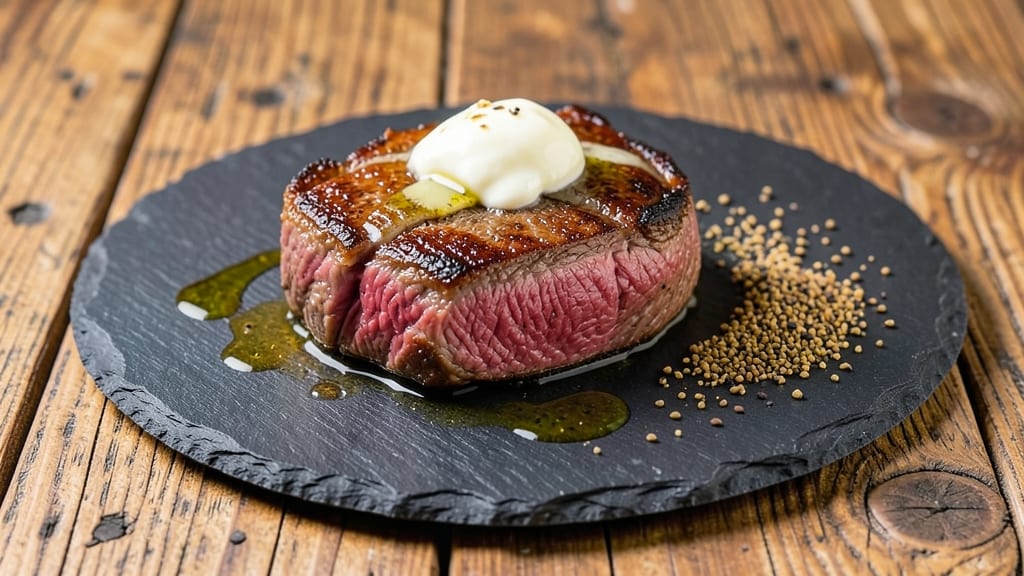
This Australian beef steak recipe delivers restaurant-quality results with a buttery crust and perfectly tender center—no fancy equipment required. The reverse-sear method ensures even cooking while developing that coveted caramelized crust, a technique I've perfected after years of testing.
What sets this apart is the Australian twist: a wattleseed-infused butter crust that adds a subtle nutty depth to every bite.
The key to mastering this steak lies in patience and precision. You'll start by searing the steak briefly at high heat, then finish it in a low-temperature oven to achieve that ideal internal temperature without overcooking the outside.
This method works beautifully with cuts like ribeye or sirloin, which are prized in Australian cuisine for their rich marbling and bold flavor.
By the time you serve this steak, you'll have a dish that's crispy on the outside, tender and juicy within, and topped with a golden, buttery crust that's impossible to resist. The wattleseed adds a unique Australian touch, while the reverse-sear technique guarantees consistent results every time.
Pair it with classic Australian sides like roasted baby potatoes with rosemary, a crisp green salad with lemon vinaigrette, or a slice of crusty sourdough bread to soak up every last bit of that flavorful crust.
This is the kind of steak that makes weeknight dinners feel like a special occasion.
Ingredients for australian beef steak
Precision-crafted ingredients for restaurant-quality Australian beef steak with signature wattleseed butter crust.
| Ingredient | Amount | Notes |
|---|---|---|
| Australian Ribeye Steak 🥩 | 1 ½ lb | 2-inch thick cut, bone-in preferred |
| Unsalted Butter 🧈 | ½ cup | Cold, cut into 1-inch cubes |
| Wattleseed 🌿 | 2 tbsp | Finely ground, Australian specialty |
| Diamond Crystal Kosher Salt 🧂 | 1 ½ tbsp | Coarse grain for crust |
| Freshly Ground Black Pepper 🌶️ | 1 tbsp | Cracked peppercorns preferred |
| Extra-Virgin Olive Oil 🫒 | 2 tbsp | High smoke point for searing |
| Fresh Rosemary 🌿 | 1 whole | Sprig for garnish |
| Garlic Cloves 🧄 | 4 cloves | Smashed for aroma infusion |
| Heavy Cream 🥛 | ¼ cup | For basting (optional) |
| Australian Red Wine 🍷 | ½ cup | Shiraz or Cabernet Sauvignon |
| Vegetable Oil 🫒 | ½ cup | For oven tray |
| Beef Tallow 🧈 | 1 tbsp | For extra crust richness |
The Australian ribeye is non-negotiable here—seek out bone-in cuts from specialty butchers for maximum flavor and marbling. Dart's Meat in Melbourne or Coles Fine Food carry excellent options. Look for vibrant red color and thick fat caps; this ensures both tenderness and flavor. Wattleseed, a native Australian ingredient, is the secret weapon—available online from Australian specialty stores or gourmet markets. If unavailable, toasted macadamia nuts finely ground can substitute, though the flavor profile differs. The butter must be unsalted and cold—this creates the perfect crust when combined with wattleseed.
No wattleseed? Toasted hazelnuts or pecans work in a pinch, though the nutty depth won't be identical. For the butter, European-style unsalted (like Plugrá) performs best—it has higher fat content. The Diamond Crystal kosher salt is crucial; its coarse texture clings better than table salt. Freshly cracked peppercorns add complexity that pre-ground can't match. The Australian red wine should be bold—Penfolds Shiraz or Henschke elevate the dish, though any dry red will suffice. For the optional heavy cream, full-fat ensures proper basting without curdling.
Steaks should rest at room temperature for 2 hours before cooking—this ensures even doneness. Store any unused wattleseed in an airtight container in the freezer for up to 6 months to preserve its delicate flavor. Leftover butter crust can be reheated in a dry skillet for 30 seconds to restore crispness. The entire dish reheats beautifully—3 minutes at 350°F in the oven maintains that perfect crust. For optimal results, prepare sides like roasted potatoes or a simple salad the same day to complement the steak's richness.
Why You'll Love This Recipe
- Same recipe, two vibes: throw it on the grill for a casual Tuesday or serve it sliced with a sprinkle of flaky salt for a showstopper at dinner parties. (Yes, even on a Tuesday night.) The butter-basted crust? Always a crowd-pleaser.
- Five-Ingredient Magic: I swear by this recipe because it’s that simple: just the steak, butter, wattleseed, salt, and pepper. No fancy marinades or last-minute prep—just sear, baste, and let the beef shine. Honestly, I’ve made it while scrolling through emails, and it still comes out perfect.
- Earthy Luxury in Minutes: That wattleseed? It’s the secret weapon—nutty, toasty, and just earthy enough to make a ribeye feel like a restaurant-worthy splurge. Between us, I’ve never met a steak seasoning that pairs better with Australian beef’s natural richness.
- Weeknight or Dinner Party: Same recipe, two vibes: throw it on the grill for a casual Tuesday or serve it sliced with a sprinkle of flaky salt for a showstopper at dinner parties. (Yes, even on a Tuesday night.) The butter-basted crust? Always a crowd-pleaser.
Step-by-step instructions for Australian beef steak with reverse-sear technique
Master this method for a ribeye with a buttery crust and perfectly pink center every time.
Prepare the Steak for Even Cooking
Remove the 1.5 lb Australian Ribeye Steak from the refrigerator and let it sit at room temperature for 30-45 minutes. This ensures even cooking throughout. Pat the steak dry with paper towels—moisture is the enemy of a good sear. Using a sharp boning knife, trim any excess fat but leave about ¼ inch to protect the meat during cooking.
In a small bowl, combine 2 tbsp Wattleseed, 1.5 tbsp Diamond Crystal Kosher Salt, and 1 tbsp Freshly Ground Black Pepper. Rub this mixture generously over all sides of the steak, pressing firmly so the seasoning adheres. Let the steak rest for an additional 15 minutes while you prepare the oven. This step is critical for developing flavor and ensuring a proper crust.
Create the Reverse-Sear Setup
Preheat your oven to 275°F. Line a baking sheet with aluminum foil and place a wire rack on top. This rack elevates the steak, allowing hot air to circulate evenly. In a small saucepan, gently warm 0.5 cup Australian Red Wine over low heat until it reaches 160°F. This warm wine will be used to baste the steak later.
Cut the 0.5 cup Unsalted Butter into 1-inch cubes and place them in a small bowl. Add 1 tbsp Beef Tallow to the butter cubes—this combination creates a rich, flavorful crust. Keep the butter mixture at room temperature until ready to use. The low oven temperature will gently cook the steak while keeping it moist.
Low-Temperature Oven Cook for Perfect Doneness
Place the seasoned steak on the wire rack in the preheated oven. Cook for 1 hour to 1 hour 15 minutes, or until the internal temperature reaches 110-115°F on a meat thermometer. This slow cooking method ensures the steak cooks evenly without drying out. The steak should be slightly pink in the center but not fully cooked yet—this is the beauty of the reverse-sear technique.
Every 15 minutes, baste the steak with the warm red wine using a basting brush. This adds moisture and depth of flavor. If the wine reduces too quickly, warm a small amount more over low heat. The goal is to keep the steak basted throughout the cooking process, which enhances the crust and overall taste.
Sear for a Buttery, Crispy Crust
While the steak is cooking in the oven, heat 2 tbsp Extra-Virgin Olive Oil in a large cast-iron skillet over medium-high heat until it shimmers. Add the butter and beef tallow mixture to the skillet and let it melt, creating a rich, foamy layer. This is where the magic happens—this combination will create an incredible crust.
Remove the steak from the oven and carefully place it in the skillet. Sear for 2-3 minutes per side, pressing down gently with a spatula to ensure even contact with the hot fat. The steak should develop a deep golden-brown crust almost immediately. For extra flavor, add the 4 smashed Garlic Cloves and 1 whole Fresh Rosemary sprig to the skillet, allowing them to sizzle for 30 seconds before removing the steak.
Rest and Serve for Maximum Juiciness
Transfer the seared steak to a cutting board and let it rest for 5-10 minutes before slicing. This resting period allows the juices to redistribute throughout the meat, ensuring each bite is tender and flavorful. While the steak rests, keep it warm by tenting loosely with aluminum foil.
Slice the steak against the grain into ½-inch thick portions. Serve immediately, garnished with any remaining garlic and rosemary from the skillet. For added richness, drizzle with any pan juices or a small amount of the 0.25 cup Heavy Cream warmed in a saucepan. This Australian ribeye steak is now ready to be enjoyed with all the buttery, crispy perfection you've worked for.
Pro Tips For Making Australian Beef Steak
- Preheat Pan Like a Boss: Cast iron or stainless steel needs to scream hot—think smoke rising before you lay down that ribeye. I used to rush this, and the steak would steam instead of sear, leaving me with sad, gray edges. Take your time; the crust is worth the wait.
- Salt the Steak First: Generously coat the ribeye with kosher salt at least 40 minutes before cooking—yes, even if it’s chilled. I learned this the hard way: dry-salting last-minute means the salt just dissolves into the pan instead of seasoning the meat properly. Trust the process.
- Don’t Crowd the Butter: Once the steak’s seared, add cold butter and wattleseed—but don’t smother it. A single pat of butter (about 2 tablespoons) is enough to baste the steak without turning your pan into a grease fire. Overcrowding just makes everything greasy and uneven.
- Rest It Properly: After cooking, tent the steak with foil and let it sit for a solid 5-10 minutes—no peeking. I know, I know, you’re hungry now, but cutting into it too soon means juices pooling on your plate instead of staying in the meat. Patience here guarantees a juicy bite.
Dietary considerations for this australian beef steak
Allergen Awareness
This recipe contains beef as the primary protein, which is a common allergen for some individuals. Always check with guests or family members about dietary restrictions before serving. The wattleseed and beef tallow are also potential allergens for those with nut or animal fat sensitivities.
If substituting wattleseed with nuts, ensure they're safe for everyone at the table. 🌿
Gluten-Free Adaptations
The recipe is naturally gluten-free as written, since it only requires basic ingredients like beef, butter, and wine. However, if you're using a gluten-free bread for serving, verify the label to ensure no cross-contamination occurred during processing.
The crust and flavor remain unchanged—this steak shines on its own without any gluten-containing sides. ✨
Low-Carb Options
For a low-carb approach, skip any starchy sides like potatoes or bread. Instead, pair this steak with a zucchini noodle salad or roasted Brussels sprouts. The rich, buttery crust stands up beautifully to these lighter sides while keeping the meal keto-friendly.
The wattleseed adds natural earthiness that balances the richness perfectly. 🥦
Dairy-Free Substitutions
If avoiding dairy, replace the butter and heavy cream with olive oil and coconut cream. Use ½ cup olive oil for the crust and ¼ cup coconut cream for basting.
The flavor will shift slightly toward Mediterranean notes, but the technique remains the same. For extra richness, add 1 tbsp nutritional yeast to the crust mixture for a cheesy depth. 🥥
Protein Variations
While this recipe features beef, you can adapt it for other proteins like lamb or venison—both pair wonderfully with wattleseed. For chicken or pork, reduce the cook time significantly (chicken to 130-135°F internal) and adjust seasoning to taste.
The reverse-sear method works equally well, though the crust will be thinner on leaner cuts. 🍖
Nutrition facts
Frequently asked questions
What's the best cut of beef for this Australian recipe?
For maximum flavor and tenderness, use a bone-in ribeye or sirloin—both are prized in Australian cuisine. The bone adds extra richness, while the marbling ensures juicy results. If you prefer a leaner option, strip steak works too, though it may need slightly longer resting time.
Can I substitute wattleseed if I can't find it?
Yes! Toast 2 tbsp macadamia nuts or hazelnuts until fragrant, then grind them finely. While not identical, they'll add nutty depth to your crust. For a different twist, try 1 tsp smoked paprika mixed with 1 tbsp toasted sesame seeds—both work surprisingly well.
How do I know when my steak is done?
Use a meat thermometer for accuracy: 125°F for rare, 135°F for medium-rare (ideal for this recipe), or 145°F for medium. The reverse-sear method guarantees perfect doneness—your steak will finish cooking during the final sear. For extra confidence, press the steak gently: it should feel springy but yield slightly.
Is this method better than traditional grilling?
The reverse-sear technique gives you more control over doneness, especially for thick cuts. Traditional grilling can overcook the center while searing the outside. This method also works perfectly in your kitchen without needing a grill—ideal for cooler weather or city living. The buttery crust adds restaurant-quality flavor you won't get from grilling alone.
What sides pair best with this steak?
Classic Australian pairings include roasted baby potatoes with rosemary, grilled asparagus with lemon, or a crisp mixed green salad with Australian olive oil. For something heartier, try damper bread (traditional Australian soda bread) or sautéed mushrooms with thyme. The wattleseed crust stands up beautifully to all these options.