
Main Courses
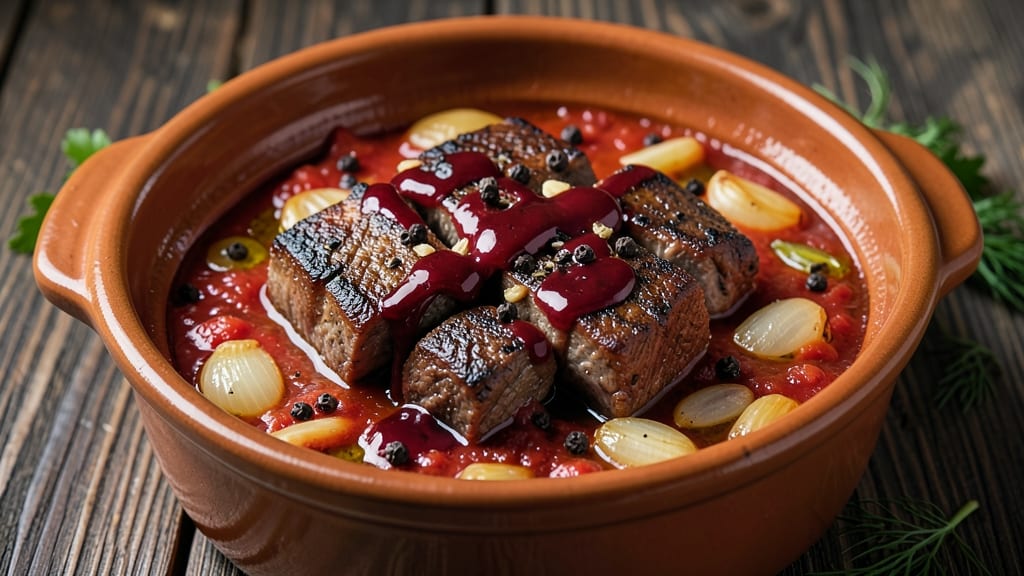
Authentic beef stifado brings the rich, slow-simmered flavors of Greece to your kitchen, where tender beef braises in layers of onions, tomatoes, and aromatic herbs until falling apart. This classic dish transforms tough cuts into melt-in-your-mouth perfection through hours of gentle cooking—a technique passed down through generations. The key lies in patience and layering flavors, creating a sauce so deeply savory it becomes the star of any meal.
The recipe begins with caramelizing onions until deep golden, forming the foundation for the dish's signature sweetness. Beef stew meat is then browned and simmered until fork-tender, while tomatoes and herbs infuse the broth with their natural richness.
Unlike quicker versions, this method ensures the meat remains juicy while absorbing all those complex flavors—no shortcuts here. The result is a dish that feels both comforting and sophisticated, perfect for family gatherings or special occasions.
What makes this stifado truly authentic is the balance of textures: tender beef, caramelized onions, and a sauce that clings to every bite. Served with crusty bread or over buttery orzo, it becomes a meal that lingers in memory long after the last spoonful.
The slow cooking process transforms simple ingredients into something extraordinary, proving that the best dishes often require the most time.
Traditional variations include adding cinnamon or allspice for warmth, while some regions use red wine to deepen the sauce. The dish pairs beautifully with a crisp Greek salad or roasted vegetables, creating a complete dining experience.
Ready to master this timeless recipe? Let's begin with the essential ingredients and step-by-step instructions that will guide you to restaurant-quality results at home.
Ingredients for authentic beef stifado
Sixteen ingredients transform into a deeply savory Greek classic—where patience and layering create restaurant-quality beef stifado.
| Ingredient | Amount | Notes |
|---|---|---|
| Beef Stew Meat 🥩 | 2 ½ lb | Chuck roast, cut into 1.5-inch cubes |
| Yellow Onions 🧅 | 4 large | Peeled, sliced into 0.5-inch rings |
| Canned San Marzano Tomatoes 🍅 | 2 cans | 28-oz each, crushed by hand |
| Extra-Virgin Olive Oil 🫒 | ½ cup | High-quality, fruity variety |
| Red Wine 🍷 | 1 cup | Dry red, like Cabernet Sauvignon |
| Beef Broth 💧 | 2 cups | Low-sodium preferred |
| Fresh Oregano 🌿 | ¼ cup | Chopped, or 1 tbsp dried |
| Fresh Parsley 🌿 | 0.1 cup | Chopped, for garnish |
| Garlic Cloves 🧄 | 4 cloves | Minced, for depth of flavor |
| Fresh Bay Leaves 🌿 | 2 whole | For aromatic complexity |
| Allspice Berries 🌶️ | ½ tsp | Crushed, traditional spice |
| Cinnamon Stick 🌿 | 1 whole | For subtle warmth |
| Salt 🧂 | 1 ½ tsp | Diamond Crystal preferred |
| Black Peppercorns 🌶️ | ½ tsp | Freshly cracked |
The beef selection is critical for authentic stifado. Chuck roast delivers the ideal texture—tender yet substantial—when cooked low and slow. Avoid sirloin or tenderloin, as they'll turn tough. Most grocery stores carry pre-cubed chuck roast in the meat counter, but if buying whole, ask your butcher to cut it into 1.5-inch cubes. For onions, yellow or sweet onions work best due to their natural sweetness, which caramelizes beautifully. The San Marzano tomatoes are non-negotiable—their sweet, low-acid profile is essential for that authentic Italian-Greek balance. Purchase them fresh (not canned) and crush by hand for maximum flavor.
No red wine? Dry white wine or additional beef broth works in a pinch, though the color will differ. Fresh herbs make all the difference here—dried oregano lacks the bright, citrusy notes of fresh. For allspice, whole berries crushed between your palms release more aroma than pre-ground powder. The cinnamon stick adds subtle warmth without overpowering, while the bay leaves infuse the sauce with their earthy depth. If you can't find allspice berries, ground allspice at half the amount is acceptable, though less traditional. The olive oil should be extra-virgin and fruity—none of that bland supermarket stuff.
This dish tastes even better the next day as flavors meld. Store in an airtight container in the refrigerator for up to 5 days, or freeze for 3 months. For serving, remove the bay leaves and cinnamon stick before plating. The stifado reheats beautifully—simmer gently on the stove with a splash of water or broth to restore moisture. Leftovers make fantastic lunches or can be repurposed into stifado-stuffed phyllo triangles for an impressive appetizer. Always make extra—it disappears quickly.
Why You'll Love This Recipe
- I’ll be real: the second day is often the best. The flavors deepen as the sauce reduces, and reheating it? Just a splash of water, a stir, and you’ve got a meal that feels fancy without the fuss. Plus, it’s budget-friendly—cheaper than takeout, but way more satisfying.
- One-Pot Magic: Honestly, I love a recipe that doesn’t require a million dishes—just a heavy pot, some olive oil, and 30 minutes of hands-off time. The onions caramelize while you chop the beef, the wine reduces effortlessly, and by the time the tomatoes meld in, your kitchen smells like a Greek taverna.
- Wine-Infused Depth: That first sip of red wine deglazing the pan? Pure flavor gold. It’s not just cooking the beef—it’s layering it with richness that cuts through the acidity of the San Marzano tomatoes, leaving you with a sauce that’s ridiculously good, not just "good." (Yes, even on a Tuesday night.)
- Crowd-Pleaser Every Time: Between us, this is the dish that gets my in-laws nodding approval. It’s hearty enough for a winter dinner but light enough for a summer potluck—just serve it with crusty bread or over polenta. My daughter picks out the onions (she’s weird about texture), but still asks for seconds.
Step-by-step instructions for authentic beef stifado
This traditional Greek dish delivers rich, slow-simmered flavors through careful layering and patience.
Prepare the Beef and Aromatics
Pat the 2.5 lb beef stew meat dry with paper towels and cut into 1.5-inch cubes if not already prepped. Season generously with 1.5 tsp salt and 0.5 tsp freshly cracked black peppercorns, massaging the spices into the meat so they adhere. In a large Dutch oven, heat 0.5 cup extra-virgin olive oil over medium-high heat until shimmering but not smoking.
Working in batches to avoid crowding, sear the beef cubes for 3-4 minutes per side until deeply browned. This step builds the foundation of flavor through the Maillard reaction. Remove the beef and set aside on a plate. In the same pot, add 4 large yellow onions sliced into 0.5-inch rings and cook for 8-10 minutes until softened and golden. Stir occasionally to prevent burning.
Build the Flavor Base
Reduce heat to medium and add the 4 cloves minced garlic, 0.5 tsp crushed allspice berries, and the 1 whole cinnamon stick. Cook for 1 minute until fragrant. Pour in 1 cup dry red wine and scrape up any browned bits from the bottom of the pot with a wooden spoon. This deglazing step captures all the concentrated beef flavor.
Bring the mixture to a gentle simmer and cook for 5 minutes until the wine reduces by half. Add the 2 whole fresh bay leaves and 0.25 cup chopped fresh oregano, stirring to combine. The wine should now coat the back of a spoon with a rich, slightly syrupy consistency. This is the moment that matters: the aromatics should be deeply integrated without burning.
Simmer the Stifado
Return the seared beef to the pot along with 2 cans crushed San Marzano tomatoes and 2 cups beef broth. Stir gently to combine, then bring to a gentle boil. Once boiling, reduce heat to low and cover partially with a lid. Let the stifado simmer for 2.5 hours, stirring occasionally, until the beef is fork-tender and the sauce has thickened to a rich consistency.
I check for doneness by piercing a beef cube with a fork—it should slide in easily with no resistance. If the sauce reduces too quickly, add 1-2 tablespoons of water to maintain the proper balance. The onions should be completely tender, breaking down into the sauce while maintaining their sweetness. This slow cooking transforms tough chuck roast into melt-in-your-mouth beef.
Finish and Serve
Remove the 2 whole fresh bay leaves and 1 whole cinnamon stick from the pot. Taste the sauce and adjust seasoning if needed—this is where you ensure the balance of sweetness from the tomatoes, acidity from the wine, and depth from the spices. The dish should be rich but not overly salty, with a perfect harmony of flavors.
Transfer the stifado to a serving dish and let it rest for 10 minutes before serving. Garnish with 0.1 cup chopped fresh parsley just before serving to add a bright, fresh contrast to the rich sauce. Serve with crusty bread or over orzo pasta to soak up every last bit of that luscious, slow-simmered sauce. The result is a true taste of Greece—comforting, flavorful, and deeply satisfying.
Pro Tips For Making Authentic Beef Stifado
- Sear the Beef Twice: After browning the beef in olive oil, pull it out and let it cool slightly—then sear it again in the same pot after deglazing with wine. The first sear gets it golden; the second locks in flavor and color. (Yes, it’s extra work, but the texture and depth change completely.)
- Sweat Onions Low and Slow: Don’t rush the onions—cook them over medium-low heat for 15-20 minutes until they’re deep golden and almost caramelized. I used to burn them; now I just let them melt down like butter. (This is where the stifado’s sweetness comes from.)
- Strain the Tomato Sauce: After simmering the tomatoes into a rough sauce, strain out the skins and seeds through a fine-mesh sieve. Smooth, seedless tomato sauce isn’t just about texture—it keeps the dish elegant and prevents bitterness. (I know, I know, but trust the process.)
- Simmer Uncovered First: Let the stifado bubble uncovered for the first 20 minutes to evaporate excess liquid—this concentrates the flavors before you cover it to finish. Skipping this step leaves the sauce watery, no matter how long you simmer. (Your future self will notice.)
Troubleshooting perfect results
Sauce Too Thin?
If your stifado sauce feels watery after simmering, it’s likely because the beef released too much liquid. Let it reduce uncovered on medium-low heat for 10-15 minutes, stirring occasionally.
For extra thickness, mash 2-3 caramelized onions directly into the sauce—their natural starch acts as a natural thickener. Avoid adding flour or cornstarch, as it’s not traditional. 💡
Meat Not Tender Enough
If your beef remains tough after 2.5 hours, it’s likely due to insufficient cooking time or incorrect cut selection. Chuck roast needs 3-4 hours total for perfect tenderness. For faster results, cover the pot tightly with foil and simmer on low heat for an additional 1 hour.
If using a different cut like short ribs, extend simmering to 4 hours—they require more time. 🍲
Onions Burning
Overcrowding the pot causes onions to steam instead of caramelize properly. Cook them in two batches if needed, removing the first batch once golden and setting aside.
Reduce heat to medium-low if onions start browning too quickly. For extra insurance, add 1 tbsp olive oil between batches to maintain even cooking. 🧅
Flavor Too Mild
If your stifado lacks depth, the wine or spices may not have infused enough. After adding the wine, simmer uncovered for 5 extra minutes to concentrate flavors.
For a quick boost, add 1 tsp balsamic vinegar or ½ tsp smoked paprika at the end. Traditional stifado relies on long simmering—don’t rush this step! 🌶️
Acidic or Sour Taste
If the sauce tastes sharp, it’s likely from overcooked tomatoes or insufficient wine reduction. Balance it by adding 1 tsp honey or ½ tsp sugar to mellow the acidity. Alternatively, simmer in a splash of beef broth to dilute the sharpness. Avoid adding more tomatoes—they’ll only worsen the issue. 🍯
Herbs Floating on Top
Fresh herbs like oregano and parsley should be distributed evenly throughout the sauce. Stir them in during the last 10 minutes of cooking to prevent floating. For extra integration, lightly crush the oregano leaves between your fingers before adding.
If using dried herbs, add them 20 minutes earlier to allow full infusion. 🌿
Nutrition facts
Frequently asked questions about authentic beef stifado
Can I use a different cut of beef for stifado?
While chuck roast is ideal for its rich flavor and tenderness when slow-cooked, you can substitute with short ribs or brisket. These cuts require 3-4 hours of simmering to become tender. Avoid lean cuts like sirloin—they'll turn tough. For best results, cut the meat into 1.5-inch cubes to ensure even cooking.
Why does traditional stifado use red wine?
The wine adds depth and acidity that balances the sweetness of caramelized onions and tomatoes. A dry red like Cabernet Sauvignon works best, but if unavailable, use white wine or extra beef broth. The alcohol cooks off during simmering, leaving behind concentrated flavor. Skipping it won't ruin the dish, but it'll lack that signature richness.
How do I know when the onions are properly caramelized?
Perfectly caramelized onions should be deep golden brown with a sweet, jam-like texture. They'll take 8-10 minutes of cooking at medium heat, stirring occasionally. If they darken too quickly, reduce heat to medium-low. The onions form the flavor base, so don't rush this step—they should coat the back of a spoon when mashed.
Can I make stifado in a slow cooker?
Brown the beef and onions first in a skillet, then transfer everything to the slow cooker. Add all remaining ingredients and cook on low for 7-8 hours or high for 4-5 hours. The slow cooker's gentle heat mimics traditional simmering. For best results, use a Dutch oven insert if available to maintain sauce consistency.
What's the best way to serve leftover stifado?
Leftover stifado tastes even better the next day as flavors meld. Reheat gently on the stove with a splash of beef broth or water. Serve over crusty bread, mashed potatoes, or orzo pasta to soak up the sauce. For a creative twist, use it to stuff phyllo triangles or pita pockets—just ensure the filling is piping hot before serving.