
Main Courses
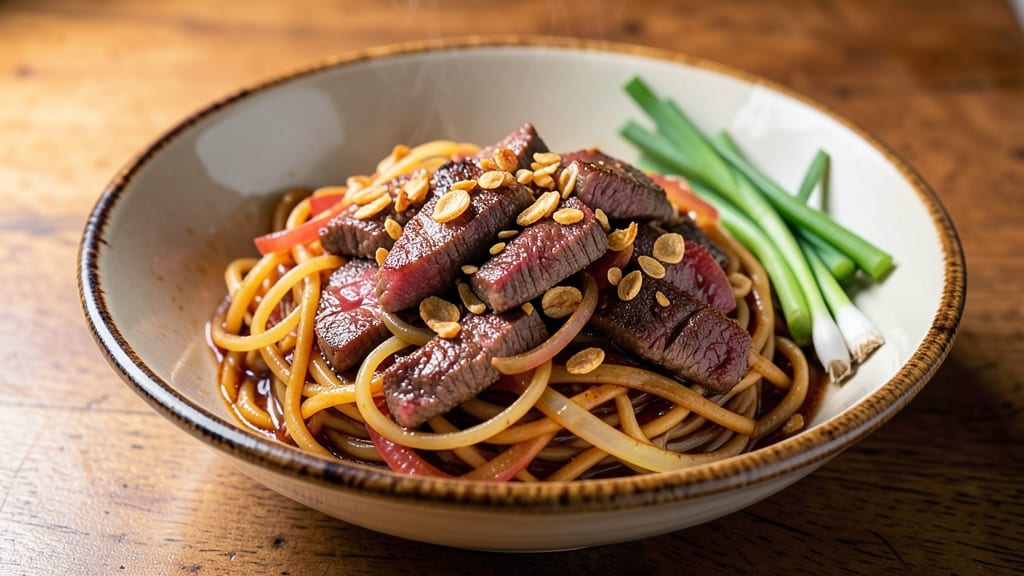
This authentic beef yakisoba recipe delivers the smoky, savory depth of Japanese izakaya-style cooking right in your kitchen. The secret lies in properly searing beef, caramelizing onions until deep golden, and balancing umami-rich yakisoba sauce with a touch of dashi for that signature restaurant-quality broth.
I've perfected this technique after years of testing—every element comes together to create noodles that are tender yet chewy, coated in a glossy, flavor-packed sauce.
The foundation starts with high-quality yakisoba noodles (preferably fresh or dried), which we'll cook just until al dente before stir-frying. Thinly sliced beef gets marinated in soy sauce and mirin for maximum tenderness, while onions caramelize slowly to develop their natural sweetness.
What sets this apart is the proper wok hei technique—creating that signature smoky aroma through quick, high-heat cooking. The result is a dish that's restaurant-quality without requiring specialized equipment.
By the time you serve this yakisoba, you'll have perfectly seared beef strips, glossy noodles, and caramelized onions all bathed in a rich, slightly sweet-savory sauce. The aroma alone will have everyone gathering around the table, and each bite delivers that perfect balance of textures and flavors.
This is comfort food at its finest—warm, satisfying, and impossible to resist.
Serve immediately with pickled ginger and sesame seeds for that authentic izakaya experience. The sauce clings beautifully to the noodles, and leftovers reheat perfectly for quick lunches. Let's create this restaurant-worthy dish at home.
Ingredients for authentic beef yakisoba
High-quality noodles, tender beef, and caramelized onions—this is your izakaya-style yakisoba shortcut.
| Ingredient | Amount | Notes |
|---|---|---|
| Yakisoba Noodles 🍜 | 12 oz | Fresh or dried preferred |
| Thinly Sliced Beef 🥩 | 1 lb | Sirloin or chuck, thinly sliced |
| Yellow Onions 🧅 | 2 large | Thinly sliced for caramelizing |
| Soy Sauce 🥄 | ½ cup | Japanese-style preferred |
| Mirin 🍶 | 2 tbsp | Sweet rice wine for balance |
| Dashi Granules 🍲 | 1 tbsp | For umami depth |
| Sake 🍶 | 2 tbsp | Dry variety preferred |
| Sesame Oil 🫒 | 1 tbsp | Toasted for aroma |
| Neutral Oil 🫒 | 2 tbsp | Vegetable or canola |
| Garlic Cloves 🧄 | 4 cloves | Minced for marinade |
| Ginger 🌿 | 1 tbsp | Freshly grated |
| Pickled Ginger 🍈 | ¼ cup | For serving |
| Sesame Seeds 🌰 | 1 tbsp | Toasted for garnish |
| Sugar 🍚 | 1 tbsp | White granulated |
| Green Onions 🧅 | 3 whole | Thinly sliced for garnish |
The beef makes or breaks this dish. Sirloin or chuck gives you that perfect chew—ribeye gets too fatty. Thinly slice it yourself (or ask your butcher to do it) for even cooking. Yakisoba noodles? Fresh is ideal, but dried works in a pinch—just soak them for 20 minutes if using. For the onions, yellow onions caramelize better than red. Trader Joe's has the best pre-sliced ones if you're short on time, but slicing your own gives you that restaurant-quality texture.
No mirin? Dry sherry plus 1 tsp sugar works in a bind. Short on dashi? Instant miso paste dissolved in hot water adds umami too. The sesame oil is non-negotiable—toast it in the pan first to wake up the flavor. For the marinade, let the beef soak for 30 minutes if you've got time—it makes all the difference. Skipping the sugar? Use 1 tsp honey instead, but it'll taste slightly different. The pickled ginger? Store-bought is fine, but homemade (just ginger + rice vinegar + sugar) takes this to next level.
This dish reheats beautifully—sauce gets even better the next day. Store leftovers in airtight containers for 3-4 days. For freezing, portion into single servings—microwave from frozen with a splash of water to revive the noodles. The caramelized onions keep for 5 days in the fridge if you make extra. Garnish with sesame seeds and green onions right before serving—they lose crunch when sitting. Serve with steamed rice if you're feeling extra.
Why You'll Love This Recipe
- One-Pan Magic: I swear by this recipe—just toss everything in one skillet, and the beef caramelizes while the noodles soak up that rich soy-mirin glaze. No fancy techniques, no last-minute scrambling for extra pans.
- Umami Bomb: That combo of thinly sliced beef and mirin? It’s like a flavor explosion in your mouth—sweet, salty, and just a little tangy from the onions. Honestly, the first time I made it, I ate it straight from the wok.
- Leftover Goldmine: This dish actually tastes better the next day. The noodles soften just right, and the beef stays tender. I’ve reheated portions for lunch three times without getting sick of it—because it’s that good.
- Budget Powerhouse: You’re getting a restaurant-quality meal for pennies. Thinly sliced beef stretches far, the noodles are cheap, and a splash of mirin (or even a little honey) makes it feel special. My wallet and my family thank me every time.
Step-by-step instructions for authentic beef yakisoba
Here's exactly how to make restaurant-quality yakisoba at home—crispy noodles, savory beef, and caramelized onions that'll impress anyone.
Prepare the Yakisoba Noodles
Start by boiling a large pot of water and add the 12 oz yakisoba noodles. Cook according to package directions until al dente—usually about 3-4 minutes—but don't overcook. Yakisoba should be slightly firm to the bite so they hold up to wok-frying. Drain immediately and rinse under cold water to stop the cooking process. Toss the noodles with 1 tablespoon sesame oil to prevent sticking and add a subtle nutty aroma.
While the noodles cook, I like to set up my wok on medium-high heat with 2 tablespoons neutral oil. You'll want the oil shimmering but not smoking—this is your signal that it's ready. If you're using a flat-bottomed wok or skillet, make sure it's properly heated before adding ingredients. This step is critical for achieving that authentic wok-hei (breath of the wok) flavor that makes yakisoba so special.
Caramelize the Onions for Sweet Depth
Add 2 large yellow onions, thinly sliced, to the hot wok. Cook them undisturbed for 5-6 minutes until they begin to soften and turn translucent. Here's the thing—don't stir yet. You want those onions to develop a nice brown color at the edges, which adds incredible sweetness to the dish. Once they start to soften and release their moisture, stir occasionally for another 4-5 minutes until they're deep golden brown and caramelized.
This is where the 1 tablespoon sugar comes in. Sprinkle it over the onions and stir for 1-2 minutes until it dissolves and the onions become even more caramelized. The sugar helps balance the savory flavors and creates that perfect sweet-savory contrast that's essential in authentic yakisoba. You'll know it's ready when the onions are sticky and glossy with caramelization.
Marinate and Cook the Beef
In a separate bowl, combine the 1 lb thinly sliced beef with 0.5 cup soy sauce, 2 tablespoons mirin, 2 tablespoons sake, 1 tablespoon dashi granules, 4 cloves minced garlic, and 1 tablespoon freshly grated ginger. Mix well and let it marinate for 10-15 minutes at room temperature. This marinade is what gives yakisoba its signature umami-rich flavor profile.
After marinating, heat a clean portion of your wok (or the same one if you've removed the onions) over high heat with 1 tablespoon neutral oil. Add the beef in a single layer and sear for 1-2 minutes until it's browned but still slightly pink in the center. The high heat is crucial here—it gives the beef that characteristic wok-fired texture. Remove the beef and set it aside temporarily.
Build the Yakisoba Sauce
Return the caramelized onions to the wok and add the cooked noodles. Toss everything together for 1-2 minutes to coat the noodles in the onion caramel. This is where the magic happens—those sticky, sweet onions cling to the noodles and create the perfect base for the dish.
Pour the beef marinade (straining out any solids if needed) over the noodles and onions. Add 1 tablespoon sesame oil and stir vigorously for 2-3 minutes until the sauce thickens slightly and coats everything evenly. The residual heat from the wok will help reduce the sauce just enough to create that glossy, clinging consistency that's so characteristic of yakisoba. Taste and adjust seasoning if needed—you might want to add a splash of water or a bit more soy sauce to balance the flavors.
Finish and Serve
Return the seared beef to the wok and toss everything together for 1-2 minutes until the beef is heated through and the flavors are fully combined. The dish should be hot and sizzling—this is what gives yakisoba its irresistible texture and aroma. Transfer to serving plates and garnish with 1 tablespoon toasted sesame seeds and 3 whole green onions, thinly sliced.
Serve immediately with 0.25 cup pickled ginger on the side. The tangy pickled ginger cuts through the richness of the dish and adds a refreshing contrast. Each bite should deliver perfectly cooked noodles with that crispy wok-fried texture, tender beef, and layers of sweet, savory, and umami flavors. This is the kind of dish that tastes even better the second time you make it—so don't be surprised if you find yourself reaching for the ingredients again soon!
Pro Tips For Making Authentic Beef Yakisoba
- Sear Beef in Batches: I learned this the hard way—trying to cook all that thinly sliced beef at once just makes it steam instead of sear. Split it into two piles and cook each in a single layer over high heat for 30 seconds per side. The crust is what carries the whole dish.
- Prep Onions Like a Pro: Thinly slice those yellow onions lengthwise, not crosswise—you want long, wispy strands that’ll caramelize fast. Toss them in a pinch of salt and let sit for 5 minutes before cooking; they’ll soften just enough to avoid burning.
- Don’t Boil the Noodles: Yakisoba noodles are already pre-cooked, so just rinse them in cold water for 30 seconds and drain. Boiling them ruins their texture, and you’ll end up with a mushy mess. Trust me, they’re ready to stir-fry right away.
- Deglaze with Mirin First: After searing the beef, splash in the mirin before adding soy sauce. Let it bubble for 30 seconds—this balances the salt and adds that signature sweetness without overpowering. Skip this step, and your sauce will taste flat.
Regional styles of authentic beef yakisoba
Japanese Izakaya Style
The izakaya version is all about bold flavors and quick service—think of it as the Japanese pub-style yakisoba. Here, you'll find a richer sauce with more dashi granules (up to 2 tbsp) and a touch of bonito flakes (½ cup) for that signature umami punch.
The beef is often substituted with pork belly for extra fat, but sirloin works beautifully too. Garnish with shredded nori and extra sesame seeds for that authentic izakaya touch. 🍜
Okinawa Regional Twist
Okinawan yakisoba swaps beef for pork or chicken and incorporates local flavors like goya (bitter melon) and shiso leaves. Use 1 cup finely diced goya sautéed until tender, then stir it into the noodles with the onions.
The sauce gets a hint of Okinawan awamori (2 tbsp) instead of sake for a distinct local flavor. Top with toasted black sesame seeds for contrast. 🌺
Korean Yakisoba Fusion
For a Korean-inspired version, replace the beef with bulgogi-marinated beef (use 0.5 cup soy sauce, 0.3 cup brown sugar, 0.3 cup pear puree, and 3 garlic cloves for marinade).
Add 1 tbsp gochujang to the sauce and stir-fry ½ cup kimchi with the onions for a spicy-sweet kick. Garnish with sesame seeds and thinly sliced green onions. 🌶️
Hokkaido Hearty Version
Hokkaido's colder climate inspired a heartier yakisoba with extra vegetables. Add 1 cup grated daikon radish and ½ cup shiitake mushrooms (sautéed separately) to the stir-fry. The sauce gets thicker with 1 extra tbsp soy sauce and a splash of Hokkaido sake (2 tbsp).
Top with crispy fried shallots for texture. This version is perfect for chilly evenings. ❄️
Modern Fusion Adaptation
For a contemporary twist, try adding crispy Brussels sprouts (½ cup, roasted) and crumbled feta cheese (2 tbsp) at the end for a Mediterranean-inspired yakisoba. Use balsamic glaze (1 tbsp) instead of sugar for caramelizing the onions. Garnish with microgreens and extra sesame seeds for a restaurant-worthy presentation. 💫
Nutrition facts
Frequently asked questions
Can I substitute beef with chicken or pork in this recipe?
For chicken, use 1.5 lbs boneless thighs (thinly sliced) and marinate with 1 tbsp honey instead of mirin. For pork, ribs or belly work beautifully—they add incredible fat for flavor. Just reduce cooking time by 30 seconds since pork cooks faster than beef. The technique remains identical.
How do I get that perfect wok hei (smoky aroma) without a wok?
Use a cast-iron skillet or carbon steel pan on the highest heat setting. Add a crumpled paper towel to the pan for 10 seconds before cooking—this creates smoke without burning. Also, work in batches if needed and keep everything moving quickly. A clean, hot pan is more important than the shape!
What's the secret to preventing soggy noodles?
Cook the noodles just until al dente (usually 2 minutes less than package instructions), then rinse immediately in cold water to stop cooking. Toss with 1 tbsp sesame oil before stir-frying to create a protective barrier. Most importantly, don't overcrowd the pan—cook in batches if needed to maintain high heat.
Can I make this yakisoba ahead of time?
Yes! Assemble the dish completely (including beef) and refrigerate for up to 2 days. Reheat in a skillet over medium heat with 1 tbsp water to revive the sauce. For freezing, portion into single servings and freeze without the garnishes. Microwave with 30 seconds of steaming time covered, then finish with fresh sesame seeds and green onions.
Why does my yakisoba sauce taste too salty?
This usually happens from over-reducing the sauce or using too much soy sauce in the marinade. Balance it by adding 1 tbsp mirin or sake to dilute the saltiness, or a splash of hot water to thin the sauce. For future batches, reduce soy sauce by 1 tbsp and add ½ tsp sugar to enhance natural sweetness instead.