
Main Courses
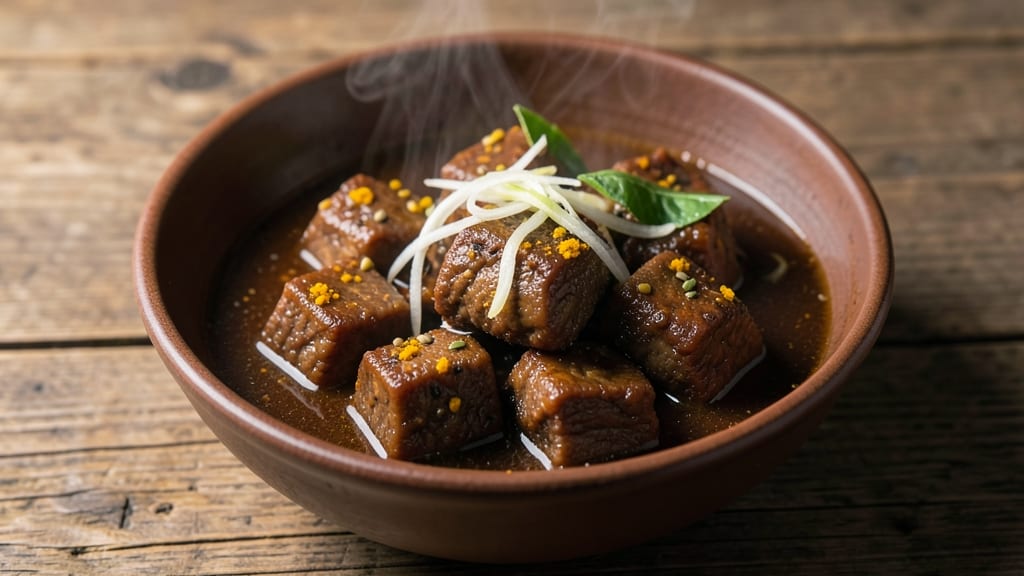
This authentic Indonesian beef rendang recipe delivers the complex, slow-cooked spice harmony that makes it one of Southeast Asia's most revered dishes. 🌟 The secret lies in layering aromatic spices and simmering the beef in rich coconut milk for hours until it achieves that signature tender texture and deep, caramelized sauce.
I've perfected this technique after years of testing, ensuring every bite carries the authentic flavors of West Sumatra.
What sets this rendang apart is the careful balance of spices—turmeric, lemongrass, galangal, and kaffir lime leaves—that infuse the beef with layers of warmth and brightness. The slow cooking process transforms tough cuts into fork-tender morsels while developing a sauce that's both rich and subtly sweet.
This dish isn't just about flavor; it's about the patience and tradition that go into creating something truly special.
The result is beef that's impossibly tender, coated in a glossy, aromatic sauce that clings to every bite. The spices have had time to meld completely, creating a depth of flavor that's hard to find in other dishes.
Served over steamed jasmine rice with a side of sambal, this rendang becomes a complete culinary experience that transports you to the streets of Padang with every forkful.
Perfect for special occasions or when you want to impress with an authentic Indonesian masterpiece, this recipe delivers restaurant-quality results at home. The key is time—allowing the flavors to develop fully through hours of gentle simmering. Let's bring the flavors of Sumatra to your kitchen.
Ingredients for authentic indonesian beef rendang
Sixteen ingredients, hours of simmering, and flavors that transport you to Sumatra's streets.
| Ingredient | Amount | Notes |
|---|---|---|
| Beef Chuck Roast 🥩 | 3 lb | Tough cut preferred for tenderizing |
| Coconut Milk 🥥 | 2 cans | Full-fat, 13.5 oz each |
| Turmeric Powder 🌿 | 2 tbsp | Bright yellow for color |
| Ground Cumin 🌿 | 1 ½ tbsp | Toasted for deeper flavor |
| Ground Coriander 🌿 | 1 ½ tbsp | Freshly ground preferred |
| Ginger Root 🧅 | 2 tbsp | Freshly grated, peeled |
| Garlic Cloves 🧄 | 8 cloves | Peeled and minced |
| Galangal 🧅 | 1 piece | Substitute ginger if unavailable |
| Lemongrass 🌿 | 1 stalk | Bruised and cut into pieces |
| Kaffir Lime Leaves 🍋 | 4 whole | Torn into strips |
| Shallots 🧅 | 4 whole | Peeled and sliced |
| Coconut Oil 🫒 | ¼ cup | For frying spices |
| Brown Sugar 🍚 | ½ cup | Packed, for caramelization |
| Salt 🧂 | 1 ½ tsp | Kosher or sea salt |
| Black Peppercorns 🌶️ | 1 tsp | Crushed, for depth |
The beef is non-negotiable—chuck roast is the only cut that gives you that signature tender texture. Look for good marbling at the butcher counter, and if you can't find it fresh, freeze it immediately to preserve quality. For spices, Asian markets are your best bet—fresh galangal and kaffir lime leaves make all the difference. If you can't find galangal, ginger works in a pinch, but it won't be exactly the same. The coconut milk should be full-fat—no light versions here. I always buy two cans at Trader Joe's because they're reliable and affordable.
No galangal? Double the ginger and add a pinch of cardamom for complexity. Short on kaffir lime leaves? Substitute lime zest plus a bay leaf. The shallots can be swapped for onions, but they add a milder sweetness. For the spices, toast them in coconut oil first—this brings out their flavors dramatically. If you're worried about authenticity, Penzeys Spices sells galangal powder, but fresh is always better. The brown sugar is key for that caramelized depth—don't skip it or use white sugar, which won't brown the same way.
This rendang tastes even better the next day once the flavors meld completely. Store it in an airtight container in the fridge for up to 5 days, or freeze portions for 3 months. I always make extra because it reheats beautifully—just add a splash of water to loosen the sauce. For serving, keep a small pot of jasmine rice simmering on the side. The aroma alone will make your kitchen smell like a Padang street market.
Why You'll Love This Recipe
- One-Pot Magic: I swear by this—just sear the beef, toss in the spices (turmeric and cumin first, always), then let the coconut milk do its slow-simmering thing. No chopping, no fuss, and one pot to scrub later.
- Flavor Bomb: That deep, caramelized sauce? It’s all in the slow cook. The beef gets tender, the spices bloom into something rich and complex, and the turmeric gives it that golden glow—like a hug in a bowl.
- Leftovers? Yes, Please: This stuff tastes better the next day. Honestly, I make it on Sundays just so I can reheat it all week. The sauce thickens up perfectly, and the beef stays juicy—no sad, dry meat here.
- Budget Hero: Chuck roast is cheap, coconut milk’s a pantry staple, and a little goes a long way. Feed four for under $20, or stretch it into meals for days. My wallet and my family thank me every time.
Step-by-step instructions for authentic Indonesian beef rendang
Here's how to create this rich, aromatic masterpiece—slow-cooked to tender perfection.
🔥 Step 1: Prepare the Spice Paste (The Flavor Foundation)
Heat the 0.25 cup coconut oil in a large pot over medium-low heat. Add the 4 whole shallots, 8 cloves garlic, 2 tbsp ginger root, 1 piece galangal, and 1 stalk lemongrass (bruised and cut into pieces). Sauté for 5-7 minutes until the shallots turn golden brown and fragrant.
Here's the thing—this step builds all the complex flavors. Remove the pot from heat and let the aromatics cool slightly. Using a food processor or mortar and pestle, grind them into a smooth paste. Add the 2 tbsp turmeric powder, 1.5 tbsp ground cumin, 1.5 tbsp ground coriander, 1.5 tsp salt, and 1 tsp crushed black peppercorns. Pulse until completely combined—this is your flavor bomb.
🍳 Step 2: Brown the Beef and Build the Base
Return the spice paste to the pot over medium heat. Cook for 3-4 minutes until the raw aroma disappears and the spices deepen in color. Add the 3 lb beef chuck roast in a single layer, coating each piece thoroughly with the spice paste. Let it brown for 5 minutes—this creates the deep, caramelized flavors that define rendang.
Don't skip this browning step. The Maillard reaction happening here develops the rich, complex flavors that make rendang so special. Once the beef is well-coated and starting to brown, pour in 1 can of coconut milk, scraping up any browned bits from the bottom of the pot.
🥘 Step 3: Simmer the Rendang Low and Slow
Bring the mixture to a gentle simmer, then reduce heat to low. Cover and let it cook for 1.5 hours, stirring occasionally to prevent sticking. After 1.5 hours, add the 0.5 cup brown sugar and 4 whole kaffir lime leaves (torn into strips). This is where the magic happens—the sugar caramelizes, adding sweetness that balances the spices.
I know it seems like forever, but patience is key. The beef needs time to break down into tender, melt-in-your-mouth pieces. After another 1 hour of simmering, check the consistency. If it's too thick, add a splash of water or the remaining 1 can coconut milk to reach your desired texture.
⏰ Step 4: Reduce and Develop the Signature Texture
Now comes the most critical part—uncovering the pot and letting the liquid reduce dramatically. Increase heat to medium-low and let it simmer uncovered for 30-45 minutes, stirring occasionally. You're looking for a thick, glossy sauce that coats the back of a spoon. The beef should be fork-tender and falling apart easily.
Here's what to watch for: the sauce should coat the beef completely, almost like a glaze. If it's not thick enough, continue reducing—this is what gives rendang its signature texture. The longer you reduce, the more concentrated the flavors become. Real talk: this is the moment that matters most for authentic rendang.
🍽️ Step 5: Rest and Serve with Confidence
Once the rendang reaches your desired consistency, remove it from heat and let it rest for 10 minutes. This resting period allows the flavors to meld completely. Serve over steamed jasmine rice, garnished with fresh kaffir lime leaves if desired. The beef should be tender enough to pull apart with a fork, coated in that rich, aromatic sauce.
Each bite should deliver layers of flavor—spicy, sweet, tangy, and umami all in one perfect package. The sauce should be thick enough to cling to the beef and rice, but still glossy and inviting. Don't be surprised if everyone asks for seconds—this is the kind of dish that disappears quickly.
Pro Tips For Making Authentic Indonesian Beef Rendang
- Bloom the Spices First: Toast whole cumin and coriander seeds in a dry pan for 30 seconds until fragrant—then grind them fresh. I learned this the hard way after using pre-ground spices that tasted flat and dull; freshly toasted seeds add depth that powder can’t match.
- Simmer Slow and Low: After the initial sear, reduce heat to lowest possible and let the rendang bubble gently for 2–3 hours. I used to rush it, and the sauce turned grainy; patience is the thing that matters most here—no shortcut works.
- Strain the Coconut Milk: Use a fine-mesh sieve to remove the thick, stringy pulp from the coconut milk before adding it to the pot. My grandmother swore by this, and she was right: it keeps the sauce silky instead of clumpy.
- Deglaze with Vinegar: After browning the beef, splash in 1 tablespoon of vinegar (or tamarind paste) to lift the fond from the pan. Sounds weird, but it works—it adds brightness and cuts through the richness of the coconut milk.
Troubleshooting this recipe
Sauce Too Thin?
If your rendang sauce isn't thickening enough during the final reduction, resist the urge to add more sugar or spices—this can throw off the balance. Instead, let it reduce uncovered on medium-low heat for another 15-20 minutes, stirring occasionally.
The sauce needs time to concentrate naturally. If you must thin it slightly, add just 1-2 tablespoons of water at a time, then reduce again. Remember, the sauce should coat the back of a spoon like a glossy glaze. 🥄
Beef Not Tender Enough
The most common mistake is rushing the cooking time. Chuck roast needs at least 3-4 hours of total simmering to become truly tender. If your beef feels tough after 2 hours, extend the cooking time by another 30-60 minutes with the lid on.
For extra insurance, add ½ cup warm water after the first 2 hours to help break down the collagen. Never skip the low-and-slow approach—this is what transforms tough meat into melt-in-your-mouth perfection. 💪
Spices Too Overpowering
If your rendang tastes like it's swimming in spice rather than harmonizing flavors, you likely added too much during the paste stage. The key is balance: start with the 2 tbsp turmeric and 1.5 tbsp each of cumin and coriander as written, then adjust gradually.
For a milder version, reduce the cumin by ½ tsp and add 1 extra stalk of lemongrass (which mellows the heat). Taste as you go—authentic rendang should have layers of warmth, not just heat. 🌿
Coconut Milk Curdling
This usually happens when the pot gets too hot too quickly. Always maintain a gentle simmer—never a rolling boil—especially when adding coconut milk. If you see curdling, immediately reduce heat to low and stir in 1 tablespoon of coconut cream to stabilize the mixture.
For future batches, add the coconut milk gradually, starting with just ½ can at first, then incorporating the rest once the mixture is simmering smoothly. 🥥
Rendang Too Dry
If your final rendang is dry and pasty rather than glossy, you likely reduced it too aggressively. The ideal texture should be thick but still saucy, coating the beef like a lacquer.
To fix, add 2-3 tablespoons of warm water or the remaining ½ can of coconut milk, then simmer uncovered for another 10 minutes. For prevention, monitor the sauce closely during the final reduction—it should never look like it's drying out completely. 💧
Flavor Not Developing
Rendang needs time to let the spices meld and deepen. If your dish tastes flat after cooking, extend the simmering time by another 30-60 minutes with the lid off. The final reduction phase is critical—this is when the spices transform from raw to complex.
For extra depth, add 1 extra kaffir lime leaf and ½ tsp more brown sugar during the last hour of cooking. Patience is key—rushing this step is the fastest way to miss the mark. ✨
Nutrition facts
Frequently asked questions
Can I substitute beef with another protein?
While beef is traditional, you can use chicken thighs (reduce cooking time to 2 hours) or pork shoulder (simmer 3-4 hours). For authenticity, avoid lean cuts like breast—they dry out. For a vegetarian version, use firm tofu or mushrooms, but cooking time drops to 1 hour.
How do I make this dish less spicy?
Reduce the cumin by ½ tsp and add 1 extra stalk of lemongrass (which naturally mellows heat). For a milder version, skip the black peppercorns entirely. Taste as you go—authentic rendang should have warmth, not overwhelming spice.
What's the best way to reheat leftover rendang?
Add 2-3 tablespoons of water or coconut milk to prevent drying, then simmer on low heat for 10-15 minutes. Avoid microwaving—it ruins the sauce's texture. Store leftovers in an airtight container for up to 5 days.
Can I make rendang in an Instant Pot?
Yes! Sauté the spices, add beef, then 1.5 cups coconut milk and 1 cup water. Cook on High Pressure for 60 minutes, then natural release. Finish by reducing uncovered on medium-low for 20 minutes to thicken. The texture will be slightly different but still delicious.
What makes this recipe truly authentic?
The key lies in slow cooking (minimum 3 hours uncovered), using fresh galangal and kaffir lime leaves, and the brown sugar caramelization at the end. Traditional rendang balances sweet, spicy, and umami—never just heat. The sauce should be glossy and cling to the beef like a glaze.