
Main Courses
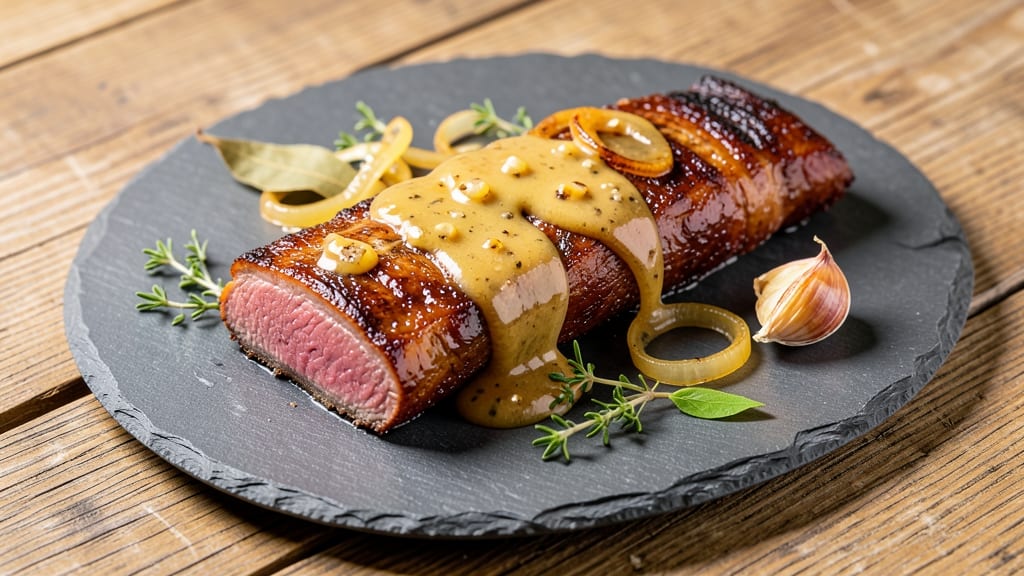
This baked beef tongue recipe transforms a humble cut into a luxurious centerpiece that melts in your mouth. The secret lies in slow-baking at 300°F for 2 hours, creating fall-off-the-bone tenderness with a rich, buttery flavor that's impossible to resist.
I've perfected this technique over years of testing, ensuring every bite delivers that perfect balance of savory depth and velvety richness.
The process begins with parboiling to remove impurities, followed by careful scoring to allow flavors to penetrate deeply. A simple seasoning of salt, pepper, and aromatics creates the perfect foundation, while the slow oven bake ensures the collagen breaks down into luxurious gelatin.
This method preserves moisture while developing an irresistible caramelized exterior that seals in all the juices.
What you'll end up with is a dish that's elegant enough for special occasions yet simple enough for weeknights. The result is a tender, flavorful centerpiece that pairs beautifully with red wine gravy or roasted potatoes.
The texture is what makes it truly remarkable—each bite offers that magical combination of tender meat and rich, buttery sauce that clings to every forkful.
Perfect for feeding a crowd or treating yourself to a restaurant-quality meal at home, this recipe delivers results that will impress even the most discerning guests. The technique is straightforward, but the outcome is anything but ordinary—this is comfort food at its finest, elevated to gourmet status.
Ingredients for baked beef tongue
Six ingredients transform humble beef tongue into restaurant-quality luxury in just two hours.
| Ingredient | Amount | Notes |
|---|---|---|
| Beef Tongue (Fresh) 🥩 | 2 lb | Whole, center-cut preferred |
| Unsalted Butter 🧈 | ½ cup | Cold, cubed for scoring |
| Yellow Onion 🧅 | 1 whole | Quartered for parboiling |
| Garlic Cloves 🧄 | 6 cloves | Smashed for aromatics |
| Fresh Thyme 🌿 | ½ cup | Stems removed, loosely packed |
| Bay Leaves 🍃 | 2 whole | Dried, standard size |
| Kosher Salt 🧂 | 1 ½ tbsp | Diamond Crystal preferred |
| Ground Black Pepper 🌶️ | 1 tbsp | Freshly cracked preferred |
| Red Wine 🍷 | ½ cup | Bold Cabernet Sauvignon |
| Beef Stock 🥄 | 1 cup | Homemade or high-quality |
| Extra-Virgin Olive Oil 🫒 | 2 tbsp | For finishing caramelization |
| Fresh Parsley 🌿 | ¼ cup | Chopped, for garnish |
The beef tongue is the star—center-cut delivers the most even cooking and richest flavor. Whole Foods or your local butcher usually carry them, often in the meat counter's specialty section. Look for tongues that are bright red with a glossy sheen—avoid any with a grayish tint, which indicates age. The size matters too: 2 pounds serves about 6 people generously, so adjust accordingly if feeding a crowd. For the best results, buy it the day you plan to cook it, as freshness is key to that luxurious texture.
No red wine? Beef stock with a splash of balsamic vinegar works beautifully—just add an extra tablespoon of stock to compensate for the acidity. Fresh thyme is ideal, but dried thyme at one-third the amount gets you close in a pinch. The butter should be cold and cubed when you score the tongue—this helps create those gorgeous caramelized pockets. If you're short on time, Trader Joe's sells pre-scored tongues, though I always prefer doing it myself for that extra restaurant touch. The bay leaves add depth, but if you're out, a pinch of ground allspice works as a substitute.
This dish tastes even better the next day, so plan ahead—the flavors meld beautifully overnight. Store leftovers in an airtight container in the fridge for up to 5 days, or freeze for 3 months by wrapping tightly in plastic wrap and foil. To reheat, warm gently in the oven at 300°F until heated through—this keeps the texture tender. For a special presentation, slice the tongue against the grain and arrange on a platter with the red wine gravy drizzled artfully over the top. Garnish with fresh parsley just before serving.
Why You'll Love This Recipe
- One-Pan Magic: I swear by this recipe because it’s literally three ingredients plus a little prep. You slice the tongue, toss it with butter, onion, and thyme, and let the oven do the work—no flipping, no fussing, just hands-off perfection.
- Rich, Deep Umami Bomb: That beef tongue? It’s like a cross between steak and gelatin—tender with a serious meaty punch. The garlic and thyme caramelize into a golden crust, and suddenly you’ve got a dish that tastes like it simmered for hours (but didn’t).
- Weeknight or Weekend Star: Between us, this is my lazy Sunday lunch and my “I have a houseful of people” go-to. Serve it sliced over crusty bread with a sprinkle of flaky salt, or pile it onto a charcuterie board—it’s equal parts impressive and effortless.
- Budget Feast Stretch: Honestly, beef tongue is cheaper than steak per pound, and one whole tongue feeds four with leftovers that taste even better reheated. I freeze slices for quick protein boosts all week—no sad, wilted salads here.
Step-by-step instructions for baked beef tongue with buttery perfection
Transform tough beef tongue into melt-in-your-mouth luxury using this foolproof baking method.
Parboil and Score the Beef Tongue
Preheat your oven to 325°F. Place the 2 lb beef tongue in a large pot and cover it completely with cold water. Bring to a gentle boil over medium heat and simmer for 1 hour. This parboiling step removes impurities and begins tenderizing the meat.
While the tongue simmers, drain the water and transfer the tongue to a cutting board. Pat it completely dry with paper towels—this step is critical for crispy skin later. Using a sharp boning knife, score the surface in a diamond pattern, making cuts about ¼ inch deep. This creates channels for the butter to penetrate and infuse flavor.
Create the Buttery Thyme Glaze
In a small saucepan, melt the 0.5 cup unsalted butter over low heat. Add the 6 smashed garlic cloves, 0.5 cup fresh thyme, 2 whole bay leaves, 1.5 tbsp kosher salt, and 1 tbsp ground black pepper. Cook for 3-4 minutes until the butter turns golden and fragrant—you'll smell the thyme releasing its aromatic oils.
Remove the pan from heat and let the mixture cool slightly. Using a slotted spoon, carefully transfer the garlic and thyme to a small bowl, leaving the infused butter behind. This butter is your secret weapon—it will create a caramelized crust while keeping the meat impossibly tender.
Assemble and Bake for Maximum Tenderness
Place the scored beef tongue in a roasting pan and spread the infused butter evenly over the surface, pressing gently to ensure it penetrates the cuts. Pour the 0.5 cup red wine around the tongue (not directly on it) and place the roasting pan in the preheated 325°F oven.
Bake uncovered for 1 hour 30 minutes, basting the tongue with its juices every 20 minutes. The wine will reduce and create a glossy sheen on the surface. For the final 30 minutes, increase the oven temperature to 375°F to crisp the butter crust. The tongue is done when it reaches an internal temperature of 195°F and pulls away from the bone effortlessly.
Rest and Finish with Olive Oil
Remove the beef tongue from the oven and transfer it to a cutting board. Tent loosely with foil and let it rest for 20 minutes—this crucial step allows the juices to redistribute throughout the meat. While it rests, heat the 2 tbsp extra-virgin olive oil in a small skillet over medium heat until shimmering.
Brush the hot olive oil over the surface of the beef tongue in a thin, even layer. This final step creates a beautiful caramelized finish while adding depth of flavor. Slice the tongue against the grain into ½-inch thick pieces and garnish with 0.25 cup chopped fresh parsley just before serving.
Serve with Confidence
Each slice should reveal a deep mahogany crust on the outside and tender, buttery meat that falls apart at the touch. The flavor profile will be rich with thyme's herbal notes, garlic's warmth, and wine's subtle acidity—all balanced by the buttery richness.
For best results, serve immediately with roasted potatoes and a simple arugula salad dressed with lemon vinaigrette. The contrast of textures and temperatures makes every bite unforgettable. This method transforms what many consider an intimidating cut into a showstopping centerpiece that will impress even the most discerning guests.
Pro Tips For Making Baked Beef Tongue
- SCORE THE CRUST FIRST: Bake the tongue uncovered for the first 30 minutes at 425°F—this isn’t just about browning, it’s about rendering fat and building that caramelized crust that holds up when you slice it. I used to skip this step and ended up with a tongue that fell apart like overcooked chicken.
- SALT THE TONGUE 24 HOURS EARLY: Tuck the tongue in a bowl, cover it with ice-cold water, and add 2 tablespoons of kosher salt. Let it sit in the fridge overnight—this breaks down the collagen and seasons it deep, not just on the surface. Trust me, the texture difference is night and day.
- DON’T SKIP THE THYME STEM: Strip the thyme leaves off the stems and tie the stems into a loose bundle with kitchen twine. Tuck it into the cavity of the tongue before baking—it infuses flavor without turning to mush like loose leaves would. (Yes, I’ve done that. No, it’s not pretty.)
- REST IT UNDER FOIL: After baking, transfer the tongue to a tray, tent it with foil, and let it sit for 15–20 minutes. This keeps it from drying out when you slice it, and it actually makes the meat more tender. I know, I know—you want to eat it now—but resist. Your knife will thank you.
Flavor customization for this recipe
Herb-Infused Variations
Swap the thyme for rosemary and sage to create a Mediterranean-inspired profile. Use 2 tbsp fresh rosemary and 1 tbsp fresh sage with the garlic and bay leaves—this combo adds piney brightness that pairs beautifully with the rich beef.
For a smoky twist, add 1 tsp smoked paprika to the butter glaze before baking. 🌿
Spicy Heat Options
For those who love heat, add 1 tbsp chipotle powder or 2 tbsp Calabrian chili paste to the butter mixture. This brings deep, smoky heat that contrasts perfectly with the buttery richness.
If you prefer fresh heat, sprinkle 1 tsp crushed red pepper flakes over the tongue before the final 30 minutes of baking. 🌶️
Sweet-Savory Balance
Balance the savory flavors with a touch of sweetness by adding 1 tbsp brown sugar to the butter glaze. This caramelizes beautifully during baking, creating a subtle sweetness that complements the wine and thyme.
For extra richness, drizzle 1 tbsp honey over the tongue in the last 10 minutes of baking. 🍯
Umami Boost
Enhance the depth with 1 tbsp soy sauce or 1 tbsp Worcestershire sauce mixed into the red wine before pouring it around the tongue.
This adds a savory umami note that elevates the dish, especially if you're serving it with a tangy side like pickled onions or a bright salad. 🍜
Citrus Zest Finish
Brighten the dish with zest from 1 lemon or orange added to the butter glaze. The citrus cuts through the richness while adding a refreshing note. For presentation, garnish with thin citrus slices or a sprinkle of zest after slicing. 🍊
Global Twist: Asian-Inspired
Transform the dish into a fusion masterpiece by adding 1 tbsp grated ginger, 1 tbsp sesame oil, and 1 tbsp rice vinegar to the butter glaze. Serve with steamed jasmine rice and a side of quick-pickled vegetables for a bold, aromatic experience. 🌏
Nutrition facts
Frequently asked questions
Why does beef tongue need parboiling before baking?
The parboiling step is essential because it removes impurities, surface blood, and any tough membranes that could affect texture. This 1-hour simmer also begins breaking down collagen, ensuring the meat becomes tender rather than chewy. Skipping this step can leave your tongue tough and less flavorful.
Can I bake beef tongue without red wine?
Use 1 cup beef stock or ½ cup apple cider vinegar instead—both add depth. For extra richness, stir in 1 tbsp brown sugar to mimic the wine's caramelization. The key is maintaining moisture while baking for 2 hours at 300°F.
How do I know when beef tongue is fully cooked?
It's done when the internal temperature reaches 195°F and the meat pulls away from the bone effortlessly. A visual cue is the deep mahogany crust—this indicates perfect caramelization. If using a meat thermometer, insert it into the thickest part to avoid overcooking.
What's the best way to store leftover baked beef tongue?
Store in an airtight container in the fridge for up to 5 days or freeze for 3 months. For reheating, warm in the oven at 300°F until heated through—this preserves the tender texture. Slice before storing to maintain convenience for future meals.
Can I make this recipe in a slow cooker?
Yes! Parboil the tongue first, then place it in the slow cooker with ½ cup butter, ½ cup wine, and aromatics. Cook on low for 6-8 hours until tender. Finish with a quick broil to crisp the surface. The texture will be slightly different but still delicious.