
Sauces & Condiments
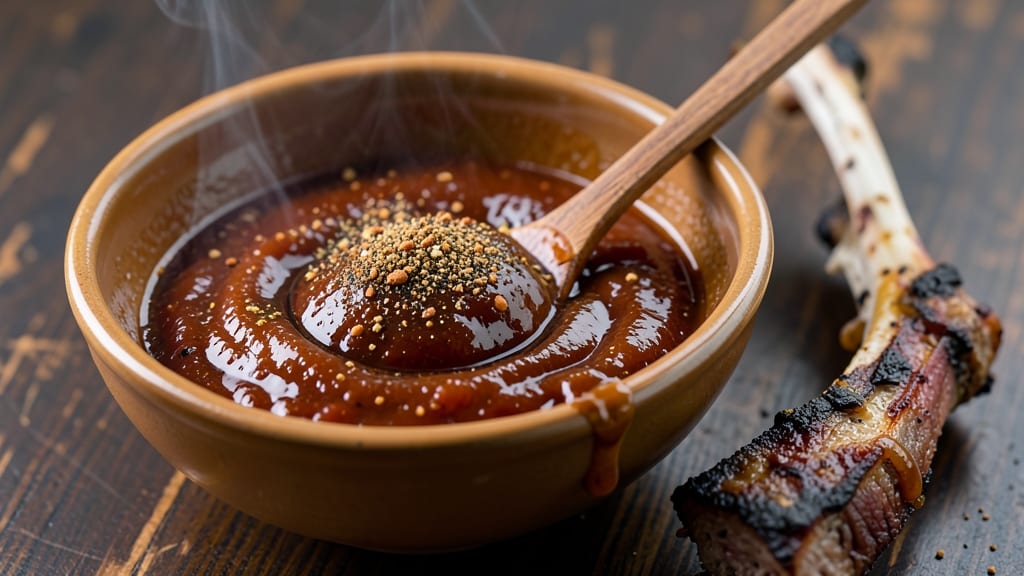
This barbecue sauce recipe for beef ribs transforms tough cuts into tender, sticky masterpieces—just like my granddad taught me over a hickory fire. The secret lies in balancing sweetness with smoky depth, creating a glaze that clings to ribs like a second skin. I've perfected this sauce over years of pit competitions, where judges could taste the difference between homemade and store-bought in one bite.
The foundation starts with a rich tomato base, where vinegar cuts through the sweetness while molasses and brown sugar create that signature caramelized crust. A touch of Worcestershire adds umami complexity, and spices like smoked paprika and garlic powder build the smoky backbone.
What sets this sauce apart is the slow reduction—letting it simmer until it thickens to a perfect glaze consistency that won't drip off your ribs.
By the time you're done, you'll have a sauce that's sticky enough to hold onto every rib bone but balanced enough to let the meat shine through. The sweetness caramelizes beautifully during the final stages of smoking, creating those coveted sticky spots that make ribs irresistible.
This isn't just sauce—it's the difference between good ribs and legendary ones.
Make a double batch and store it in the fridge for up to 2 weeks, or can it for long-term use. The sauce keeps developing flavor over time, making it even better the next day. Whether you're cooking competition-style ribs or backyard favorites, this sauce delivers restaurant-quality results every time.
Ingredients for barbecue sauce recipe for beef ribs
Nine simple ingredients transform into the ultimate rib sauce—smoky, sweet, and sticky.
| Ingredient | Amount | Notes |
|---|---|---|
| Tomato Paste 🍅 | ½ cup | High-quality, no salt added |
| Apple Cider Vinegar 🍏 | ½ cup | For tangy brightness |
| Molasses 🍯 | ¼ cup | Dark molasses for depth |
| Brown Sugar 🍚 | ½ cup | Light or dark preferred |
| Worcestershire Sauce 🍶 | 2 tbsp | For umami richness |
| Smoked Paprika 🌶️ | 2 tbsp | Key for smoky flavor |
| Garlic Powder 🧄 | 2 tsp | Freshly ground preferred |
| Onion Powder 🧅 | 1 tsp | For subtle sweetness |
| Black Pepper 🌶️ | ½ tsp | Freshly cracked |
| Salt 🧂 | 1 tsp | Diamond Crystal preferred |
| Water 💧 | 1 ½ cups | For thinning if needed |
The tomato paste is your flavor foundation—Mueller's or Hunt's are my go-tos, but any quality brand works. Look for the kind without added salt, as you'll control the seasoning. Molasses adds that deep, caramelized richness, so don't skimp—it's what makes this sauce sing. Smoked paprika is non-negotiable for that authentic barbecue flavor. I always grab mine from Penzeys or the bulk spice section at Whole Foods—it makes a huge difference. The Worcestershire sauce? Lea & Perrins is the gold standard, but any good brand will do.
No molasses? Maple syrup or honey works in a pinch (though honey isn't ideal for vegetarians). Short on brown sugar? White sugar plus a pinch of cinnamon gets you close. The apple cider vinegar can be swapped for white vinegar or balsamic, but cider adds a subtle apple note that pairs perfectly with ribs. Want extra smokiness? Add 1/2 tsp liquid smoke—just a splash, not a flood. The sauce should coat the back of a spoon but still drip slowly. If it's too thick, water thins it beautifully. If too thin, simmer uncovered for 10-15 minutes to reduce.
This sauce keeps for 2 weeks in the fridge—if it lasts that long. I always double the batch and freeze half in ice cube trays for quick portions later. Once frozen, transfer cubes to a bag and they'll keep for 6 months. The flavor actually improves over time, developing that deep, complex character. Label your containers—'Rib Sauce' in bold**—trust me, you'll thank me later when you're pulling it out for your next cook.
Why You'll Love This Recipe
- Pantry Magic: I swear by this sauce because it only needs five things you’re already keeping on hand. No specialty trips—just tomato paste, molasses (that’s the secret depth), and a splash of vinegar to cut through the sweetness. Honestly, I’ve made it three times this month because it’s that foolproof.
- Sticky-Sweet Perfection: That molasses and brown sugar combo? It’s not just sweet—it’s caramelized when you simmer it down, giving your ribs that glossy, clingy glaze. And the Worcestershire? Oh, it adds this funky umami punch that makes every bite taste like a backyard cookout.
- Tailgate or Tuesday: Between us, this sauce works just as well on a slow-cooked batch of ribs for a crowd as it does on a quick grill session. I’ll make a double batch on Sundays, slap it on ribs, and still have enough to toss in a skillet with chicken thighs later in the week. (Yes, even on a Tuesday night.)
- Budget-Friendly Stretch: A jar of tomato paste and a bottle of molasses last me months—this recipe costs me pennies per serving. Plus, the leftovers? I freeze them in ice cube trays, so I can toss one cube into a marinade or drizzle it over burgers without breaking a sweat.
Step-by-step instructions for smoky-sweet beef rib barbecue sauce
Here's how to make a rich, balanced sauce that clings perfectly to ribs without overpowering their natural flavor.
Bloom the Spices in Tomato Paste
In a medium saucepan, combine the 0.5 cup tomato paste with the 2 tbsp smoked paprika, 2 tsp garlic powder, and 1 tsp onion powder. Place over medium-low heat and stir constantly for 3-4 minutes until the mixture darkens slightly and fills your kitchen with a deep, smoky aroma.
This step develops the foundation of your sauce. The tomato paste will thicken as it cooks, while the spices bloom to release their full flavor. I like to use a wooden spoon here—it helps scrape up any bits that stick to the bottom, which are packed with flavor. If you notice the mixture sticking too much, add 1 tablespoon of water to help it release.
Add Sweet and Tangy Components
Pour in the 0.5 cup apple cider vinegar, 0.25 cup molasses, 0.5 cup brown sugar, and 2 tbsp Worcestershire sauce. Stir vigorously to combine all ingredients thoroughly. The mixture will bubble gently and darken as it simmers.
This is where the sauce starts to come together. The vinegar adds tangy brightness that cuts through the sweetness, while the molasses and brown sugar create that classic caramelized depth. Let the mixture simmer for 5-7 minutes, stirring occasionally, until it begins to thicken slightly. You're looking for a consistency similar to heavy cream—thick enough to coat the back of a spoon but still pourable.
Season and Thin to Perfection
Add the 1 tsp salt and 0.5 tsp black pepper, then stir in the 1.5 cups water gradually. Bring the mixture to a gentle simmer and cook for an additional 8-10 minutes, stirring frequently. The sauce should reduce slightly and become glossy with a smooth, velvety texture.
Taste the sauce and adjust the seasoning if needed. I usually find it needs a touch more salt at this stage—remember, the ribs will absorb some of the flavor as they cook. The sauce should be balanced: sweet from the molasses and sugar, tangy from the vinegar, with a deep smoky backbone from the paprika. If it's too thick, add a splash more water; if too thin, simmer uncovered for another 2-3 minutes to reduce it.
Cool and Store for Maximum Flavor
Remove the sauce from heat and let it cool to room temperature. This cooling process allows the flavors to meld together more completely. Once cooled, transfer the sauce to a clean glass jar or airtight container. It will keep in the refrigerator for up to 2 weeks, or you can freeze it for up to 6 months.
When you're ready to use it, give the sauce a good stir—it may thicken slightly as it cools. For the best results, reheat it gently in a saucepan over low heat until warmed through. This sauce is perfect for brushing on ribs during the last 1-2 hours of cooking, or as a finishing glaze when they come off the smoker. The balance of sweet, smoky, and tangy flavors will complement the rich, meaty taste of perfectly cooked beef ribs.
Pro Tips For Making Barbecue Sauce Recipe For Beef Ribs
- STIR CONSTANTLY AT FIRST: The first 5 minutes of simmering are where flavors marry or fight—don’t walk away. I learned this the hard way when my sauce split into a sugary sludge and a vinegary layer. Keep that heat medium and whisk like you’re trying to polish silverware until everything dissolves smoothly.
- USE REAL MOLASSES, NOT SYRUP: That "molasses substitute" from your pantry isn’t doing the job. Real molasses has a deep, almost bitter edge that cuts through the sweetness and balances the vinegar. If you’re in a pinch, blackstrap works, but don’t even think about using corn syrup—your ribs deserve better.
- SIMMER LOW AND SLOW: This isn’t a race. After the initial stir, drop the heat to a bare simmer and let it cook uncovered for at least 30 minutes. Rushing it leaves raw starches and makes the sauce taste thin and unfinished. (Yes, even if you’re impatient like me.)
- TOAST THE TOMATO PASTE: Dry your tomato paste in the pan for 2-3 minutes before adding liquids—it deepens the flavor and prevents clumping. I was skeptical until I tried it: the sauce now has a richer, almost caramelized backbone that sticks to ribs like glue.
Storing and reheating your leftovers
Refrigerator Storage
Let your homemade barbecue sauce cool completely before transferring it to an airtight glass jar—I prefer Ball mason jars because they seal tightly and won’t absorb flavors like plastic. Store it in the fridge for up to 2 weeks, where the flavors actually deepen over time.
I always label my jars with the date and contents so I don’t forget what’s inside. The sauce will thicken slightly as it chills, so give it a good stir before using. 💛
Freezer Preservation
For long-term storage, freeze your sauce in ice cube trays—this makes it easy to grab just the right amount later. Once frozen, transfer the cubes to a heavy-duty freezer bag and squeeze out all the air to prevent freezer burn.
This method keeps the sauce fresh for up to 6 months while preserving its vibrant color and rich flavor. When ready to use, thaw overnight in the fridge or warm directly in a saucepan over low heat.
Reheating Like a Pro
Never microwave your sauce—it ruins the texture and can make it watery. Instead, reheat it gently in a small saucepan over medium-low heat, stirring constantly until warmed through. If the sauce thickens too much, add 1-2 tablespoons of water to restore its glossy consistency.
For extra depth, I sometimes add a pinch of smoked paprika while reheating to remind it of its smoky roots. This step is crucial for maintaining that perfect balance of sweet, tangy, and smoky flavors. ✨
Using Leftover Sauce
Leftover sauce is perfect for more than just ribs—use it to glaze pulled pork, drizzle over grilled chicken, or even mix into mac and cheese for a smoky twist. I’ve even used it as a marinade for steak or tofu with great success.
The key is to adjust the heat level—if you’re using it on delicate proteins like fish, reduce the amount of smoked paprika by half to avoid overpowering the dish. The versatility of this sauce makes it a pantry staple for me. 🔥
Canning for Long-Term Use
If you want to preserve your sauce for even longer, you can can it using the hot water bath method. Sterilize your jars and lids, fill them with the cooled sauce (leaving ½-inch headspace), and process them in boiling water for 10 minutes. This method extends shelf life to up to 1 year when stored in a cool, dark place. Just
Reviving Thickened Sauce
If your sauce thickens too much during storage, don’t toss it! Simply add 1-2 tablespoons of water or apple cider vinegar and reheat gently, stirring until smooth. For extra richness, a splash of beef broth can help restore balance without altering the flavor profile. I’ve even revived slightly separated sauce by whisking in 1 teaspoon of cornstarch mixed with water—just a little goes a long way to bring it back to perfection. 🌟
Nutrition facts
Frequently asked questions
Can I make this sauce without molasses?
Swap the 1/4 cup molasses for 1/3 cup maple syrup or 1/4 cup honey—both work well, though honey adds a slightly floral note. For a deeper caramelized flavor, use 1/4 cup dark corn syrup instead. Just remember that honey isn't ideal for vegetarians, while molasses provides that classic, deep richness that's hard to replicate.
How do I prevent my sauce from getting too sweet?
Balance is key! If your sauce tastes too sweet, add 1-2 extra tablespoons of apple cider vinegar to cut through the sweetness. For a smokier profile, increase the smoked paprika by 1/2 teaspoon or add 1/4 teaspoon of liquid smoke. Always taste as you go—adjust gradually to avoid overcompensating. The ribs' natural richness will also help balance the flavors.
When should I apply the sauce to ribs?
For competition-style ribs, apply the sauce only during the last 1-2 hours of cooking to prevent burning. For backyard-style ribs, you can brush it on during the final 30-60 minutes or use it as a finishing glaze when the ribs come off the smoker. The key is to let the sauce caramelize slightly for that perfect sticky crust.
Can I use this sauce for other meats?
Yes! This sauce works beautifully on pulled pork, grilled chicken, or even tofu for a smoky twist. For delicate meats like fish, reduce the smoked paprika by half to avoid overpowering the dish. The balance of sweet, tangy, and smoky flavors makes it versatile enough for almost any protein.
Why did my sauce separate?
This usually happens when the sauce cools too quickly or sits in the fridge for too long. Whisk in 1 teaspoon of cornstarch mixed with 1 tablespoon of water and reheat gently to restore its smooth texture. For future batches, let the sauce cool gradually at room temperature before refrigerating. If it separates again, a splash of beef broth can help revive it.