
Soups & Stews
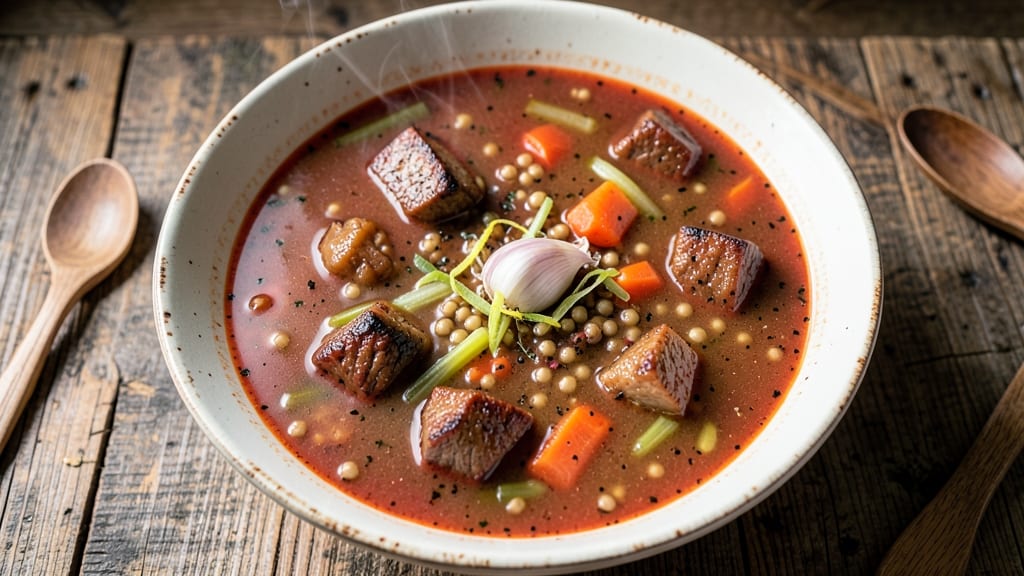
Ina Garten’s barefoot contessa beef barley soup recipe delivers the kind of slow-simmered comfort that transforms a simple weeknight into a cozy, restaurant-worthy meal. The secret lies in layering flavors—rich beef broth, nutty barley, and aromatic herbs—while letting everything meld over time for a depth that’s impossible to rush.
This isn’t just soup; it’s a hearty, elegant dish that feels like a hug in a bowl.
What sets this recipe apart is the balance of technique and simplicity. You’ll start with a flavorful broth, then build complexity by browning beef and vegetables before adding barley and herbs. The result?
A soup that’s tender, aromatic, and packed with texture—crisp edges on the barley, melt-in-your-mouth beef, and a broth so rich it coats every spoonful. It’s the kind of dish that improves with leftovers, making it perfect for meal prep or feeding a crowd.
The key to success is patience. Simmering low and slow allows the barley to soften just enough to be tender without turning mushy, while the beef becomes fork-tender and infused with the surrounding flavors.
Garnish with fresh herbs at the end for a bright, finishing touch that elevates the dish from comforting to extraordinary. This is soup as it should be—simple enough for weeknights, impressive enough for company.
Whether you’re making it for a chilly evening or prepping for the week ahead, this recipe delivers on both flavor and practicality. The steps are straightforward, but the result is anything but basic.
Let’s get started on creating a bowl of soup that tastes like home—and like a little taste of Ina’s kitchen.
Ingredients for barefoot contessa beef barley soup
Rich beef, nutty barley, and aromatic herbs create this restaurant-worthy weeknight soup.
| Ingredient | Amount | Notes |
|---|---|---|
| Chuck Roast 🥩 | 2 lb | Cut into 1-inch cubes |
| Yellow Onion 🧅 | 1 whole | Diced, medium size |
| Carrots 🥕 | 4 whole | Peeled, cut into chunks |
| Celery Stalks 🌿 | 4 whole | Trimmed, cut into pieces |
| Garlic Cloves 🧄 | 6 cloves | Peeled, smashed |
| Pearl Barley 🌾 | 1 cup | Rinsed thoroughly |
| Beef Broth 💧 | 6 cups | Homemade or high-quality |
| Dry Red Wine 🍷 | 1 cup | Bold variety preferred |
| Tomato Paste 🍅 | 2 tbsp | Smooth, no sugar added |
| Fresh Thyme 🌿 | ½ oz | Leaves only, finely chopped |
| Fresh Parsley 🌿 | ¼ cup | Leaves only, chopped |
| Bay Leaves 🍃 | 2 whole | Dried, standard size |
| Salt 🧂 | 1 ½ tsp | Kosher or sea salt |
| Black Pepper 🌶️ | ½ tsp | Freshly ground |
| Olive Oil 🫒 | 2 tbsp | Extra-virgin preferred |
The chuck roast is the backbone of this soup—look for well-marbled cuts at your butcher or grocery store's meat counter. Costco or Whole Foods often carry high-quality chuck roasts pre-cut into cubes, which saves time. If you're buying a whole roast, ask for it to be cut into 1-inch pieces for even cooking. The barley should be pearl barley, not quick-cooking—Bob's Red Mill is a reliable brand. Fresh thyme and parsley from the grocery store's produce section (not the sad little bunches) make all the difference—just strip the leaves and discard the stems. For the wine, any bold red like Cabernet Sauvignon or Merlot works perfectly.
No red wine? Substitute extra beef broth—just add 1 cup more. The tomato paste can be skipped if you dislike its intensity, but it adds a subtle depth. Running short on thyme? Dried thyme at one-third the amount works in a pinch, though fresh is ideal. The bay leaves are non-negotiable—they infuse subtle earthy notes that elevate the broth. For the carrots and celery, baby carrots and pre-cut celery sticks from the grocery store save prep time without sacrificing flavor. If you're using pre-cut veggies, just give them a quick rinse before dicing. The olive oil matters here—use extra-virgin for the best flavor when browning the beef.
This soup tastes even better the next day as flavors meld. Store leftovers in an airtight container in the fridge for up to 5 days. For longer storage, freeze portions in 1-cup servings for easy reheating. When reheating, add a splash of water or broth to prevent the barley from drying out. The barley will soften further during reheating, so it's best to slightly undercook it when first preparing. Garnish with fresh herbs before serving—a sprinkle of parsley adds that final pop of color and freshness that makes it feel special.
Why You'll Love This Recipe
- I swear by this trick: Dice the onions, carrots, and celery all at once, then store half for another batch. That chuck roast? It practically falls apart on its own after hours of simmering—no fancy knife work needed.
- Here’s what sold me: I make a double batch on Sundays, and by Wednesday, I’m packing jars for work. The barley holds up, the broth stays rich, and my coworkers keep asking for seconds—no sad leftovers here.
Step-by-step instructions for beef barley soup
This method transforms tough chuck roast into melt-in-your-mouth beef while developing deep, nutty barley flavors through slow simmering.
Sear the Chuck Roast for Rich Flavor
Heat the 2 tablespoons olive oil in a large Dutch oven over medium-high heat until shimmering. Pat the 2 lb chuck roast dry with paper towels and season generously with 1 teaspoon salt and ¼ teaspoon black pepper on all sides. This initial searing creates a flavorful crust that won't dissolve during the long cook.
Add the chuck roast to the pot and sear for 4-5 minutes per side until deeply browned. The meat should release easily when pressed with a spatula—this indicates proper browning. Remove the roast and set it aside temporarily. The browned bits left in the pot will form the flavor base for your soup.
Build the Aromatic Base
In the same pot, add the diced yellow onion, carrots, and celery stalks. Cook over medium heat for 5-6 minutes, stirring occasionally, until the vegetables soften and begin to caramelize. This step develops their natural sweetness, which forms the foundation of your soup's flavor.
Add the 6 smashed garlic cloves and cook for 30 seconds until fragrant. Immediately stir in the 2 tablespoons tomato paste and cook for another 1 minute to remove its raw taste. Pour in the 1 cup dry red wine and scrape up all the browned bits from the bottom of the pot using a wooden spoon. This deglazing step captures all the meaty flavors you worked so hard to create.
Simmer the Soup for Deep Flavor Development
Return the chuck roast to the pot along with the 6 cups beef broth, 1 cup rinsed pearl barley, 2 bay leaves, 0.5 oz finely chopped fresh thyme, and remaining 0.5 teaspoon black pepper. Bring the mixture to a gentle boil, then reduce heat to low and cover partially. Simmer for 1½ hours, stirring occasionally, until the beef is fork-tender and easily pulls apart.
Here's the thing—this long simmering time is crucial. It allows the tough chuck roast to break down into tender pieces while developing that rich, beefy flavor. The barley will absorb the broth and become tender but still hold its shape. I check the soup after 1 hour to ensure it's not boiling vigorously, which could cause the barley to overcook or the broth to reduce too quickly.
Finish with Fresh Herbs and Seasoning
Once the beef is tender, remove the chuck roast and shred it using two forks directly in the pot. Discard the bay leaves and return the shredded beef to the soup. Stir in the 0.25 cup chopped fresh parsley and bring the soup back to a gentle simmer. Taste and adjust the seasoning with additional salt if needed—you might need up to ½ teaspoon more depending on your broth's saltiness.
Simmer uncovered for another 10-15 minutes to allow the flavors to meld and the soup to thicken slightly. The barley should be tender but still have a slight bite. If the soup is too thick, add ½ cup water or more broth to reach your desired consistency. The final texture should be hearty but still spoonable.
Rest and Serve for Maximum Flavor
Remove the soup from heat and let it rest for 10 minutes before serving. This resting period allows the flavors to fully develop and the barley to absorb any remaining broth. The soup will continue to thicken slightly as it sits, which is normal and actually enhances the texture.
Ladle the soup into bowls, being careful to include some barley in each serving. The perfect bowl of beef barley soup should have tender beef, nutty barley, and a rich broth that coats your spoon. Serve with crusty bread to soak up every last drop of that flavorful liquid. This soup tastes even better the next day as the flavors continue to meld in the refrigerator.
Pro Tips For Making Barefoot Contessa Beef Barley Soup
- Brown the Chuck Roast Hard: That roast won’t melt in your mouth if you treat it like a steak first. Sear it over medium-high heat for 8-10 minutes on all sides until it’s deep brown—almost black in spots—before adding anything else. I used to rush this, and the soup always tasted underdeveloped. The crust locks in flavor and keeps the meat tender despite long simmering.
- Cut Celery and Onion Uniformly: No one wants to pick out giant chunks of celery in their soup. Dice the onion and celery into ¼-inch pieces—small enough to disappear but big enough to hold shape. My grandmother swore by this, and she was right: even cooking matters more than you’d think.
- Don’t Rush the Barley: The barley needs 40 minutes minimum to soften properly, not 20. Check it at 30 minutes—it should still have a slight bite. If you’re impatient (I know, I know), simmer it uncovered and stir occasionally. Undercooked barley makes the whole dish feel half-finished.
- Save the Sautéed Garlic: That garlic you brown with the onions? Don’t toss it all in at once. Reserve 2-3 cloves to mash and stir into the soup at the very end—raw garlic adds a bright punch that balances the rich beef. I was skeptical until I tried it; now I double the amount I brown just to have extras.
Storing and reheating this recipe
Refrigerator Storage
Store your beef barley soup in an airtight container (I swear by Pyrex glass jars) for up to 5 days in the fridge. The flavors actually deepen overnight as the barley softens further and absorbs the rich broth.
Let it cool completely before refrigerating to prevent condensation, which can make the barley mushy. I always wait 2 hours before transferring to the fridge for the safest results. 🥣
Freezer Prep Tips
For longer storage, freeze portions in 1-cup servings using silicone ice cube trays—they’re perfect for individual servings. Once frozen, transfer to ziplock freezer bags, squeezing out excess air to prevent freezer burn.
Label with the date and freeze for up to 3 months. The barley holds up well but may soften slightly upon thawing, so aim for a slightly firmer texture when first cooking. ❄️
Stovetop Reheating
My preferred method is stovetop reheating—it preserves the best texture. Pour the soup into a pot and heat over medium-low for 10-12 minutes, stirring occasionally. Add 2-3 tablespoons of water or broth if the soup seems too thick.
Taste and adjust seasoning—you might need a pinch of salt or black pepper to brighten flavors after reheating. Never boil; just warm through to 165°F to avoid overcooking the barley. 🔥
Microwave Shortcut
For quick lunches, microwave individual portions in a microwave-safe bowl covered with a damp paper towel. Heat on 50% power for 2-3 minutes, stir, then continue in 30-second intervals until hot.
The damp towel prevents drying, while the lower power keeps the barley from turning to mush. Add a splash of water if needed—this soup is forgiving! ⏱️
Garnish Before Serving
Always finish with fresh herbs—chopped parsley or a sprinkle of thyme adds brightness. For extra richness, top with a drizzle of olive oil or a few toasted barley grains (save some before cooking).
The contrast of fresh and nutty makes every spoonful feel special. Trust me, this step makes all the difference! 🌿
Make-Ahead for Meal Prep
Double the recipe and store half for the week—this soup is a meal prep MVP. The barley and beef stay tender when reheated properly, and the flavors only get better.
I prep mine on Sundays and reheat portions throughout the week. Pro tip: Add a splash of red wine when reheating stovetop to revive the depth of flavor. 💫
Nutrition facts
Frequently asked questions
Can I substitute regular barley for pearl barley in this recipe?
Pearl barley is essential for the proper texture—it holds its shape beautifully while absorbing the rich broth. Quick-cooking barley will turn mushy too fast, and steel-cut barley won't soften enough. If you absolutely must substitute, use wild rice blend (rinse well) for a similar chewy texture, but pearl barley gives the classic nutty flavor this soup needs.
How do I make this soup vegetarian?
Replace the beef with mushrooms (cremini or portobello) and extra-firm tofu for protein. Use vegetable broth instead of beef broth and add 1 tablespoon soy sauce to enhance umami. The wine and tomato paste will still provide depth, but you may want to add 1 teaspoon smoked paprika for that meaty richness. The barley will still be the star!
Why does the soup taste better the next day?
The magic happens during resting! When the soup cools, the barley absorbs more broth, intensifying its nutty flavor. The beef continues to tenderize, and the broth reduces slightly, concentrating all those delicious aromatics. This is why Ina Garten always emphasizes patience—flavors develop like fine wine when given time. Just store it properly in an airtight container to preserve that depth.
What's the best way to reheat leftovers without making the barley mushy?
Always reheat gently! On the stovetop, use medium-low heat and add 2-3 tablespoons of water or broth if needed. Microwave on 50% power in 30-second bursts, stirring between each. Never boil—just warm to 165°F. The key is low and slow to prevent the barley from breaking down. A splash of red wine when reheating stovetop can actually revive the flavors!
Can I make this soup in a slow cooker?
Brown the beef and vegetables first in a skillet, then transfer everything to the slow cooker. Add all remaining ingredients and cook on low for 7-8 hours or high for 4-5 hours. The slow cooker's gentle heat mimics the Dutch oven's low simmer perfectly. Just check the barley after 6 hours—it should be tender but not mushy. The slow cooker method is ideal for hands-off prep!