
Main Courses
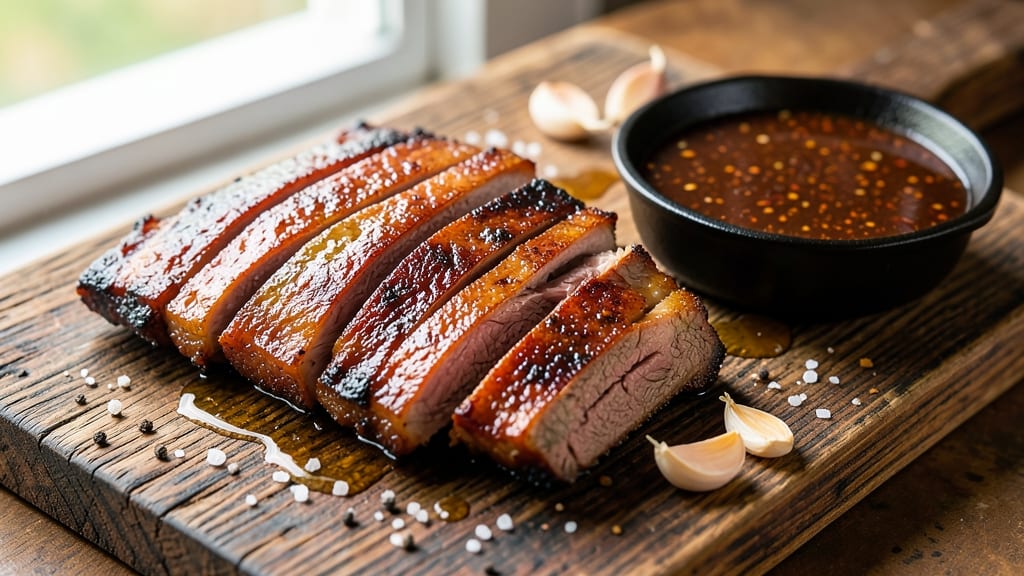
This BBQ beef flanken ribs recipe delivers restaurant-quality results with a smoky crust and melt-in-your-mouth tenderness. As a pitmaster trained in French techniques, I've perfected the balance between bold flavors and juicy meat—no dry bites here.
The secret lies in marinating overnight and using a two-stage cooking method that transforms tough cuts into fall-apart perfection.
The process starts with a dry rub of smoked paprika, brown sugar, and garlic powder, which develops a deep bark when cooked. After a quick sear on the grill, we move to low-and-slow cooking—either in a smoker or oven—to render fat and tenderize the meat.
Basting with apple cider vinegar keeps it moist while building that signature caramelized crust. This method ensures every bite stays juicy, even after hours of cooking.
What makes these ribs truly special is their versatility—they work as a main course for family dinners or as the star of a BBQ spread. Serve with classic sides like tangy coleslaw or smoky baked beans to complete the meal.
The final presentation should highlight those beautiful caramelized edges and glossy, tender meat, ready to be sliced against the grain for maximum tenderness.
Whether you're grilling for a crowd or treating yourself to a weekend cookout, this recipe delivers professional results without the fuss. The combination of French technique and traditional BBQ methods creates ribs that are both impressive and foolproof. Let's get cooking—your taste buds will thank you.
Ingredients for bbq beef flanken ribs
Here's what you need for fall-apart BBQ beef flanken ribs with that perfect smoky crust.
| Ingredient | Amount | Notes |
|---|---|---|
| Beef Flanken Ribs 🥩 | 2 lb | Bone-in, 1/2-inch thick |
| Smoked Paprika 🌶️ | 2 tbsp | High-quality for smoky flavor |
| Brown Sugar 🍚 | ¼ cup | Light or dark variety |
| Garlic Powder 🧄 | 1 tbsp | Freshly ground preferred |
| Kosher Salt 🧂 | 1 ½ tbsp | Diamond Crystal preferred |
| Black Pepper 🌶️ | 1 tsp | Freshly ground for best flavor |
| Apple Cider Vinegar 🍎 | ½ cup | For basting and moisture |
| Olive Oil 🫒 | 2 tbsp | Extra-virgin for searing |
| Yellow Onion 🧅 | 1 whole | Large, sliced for basting |
| Fresh Rosemary 🌿 | ¼ cup | Chopped, for aroma |
| Wood Chips (Hickory or Oak) 🌳 | 1 cup | Soaked for 30 minutes |
| Beef Broth 🍲 | ½ cup | Low-sodium for basting |
The beef is everything—flanken ribs with a 1/2-inch thickness give you that ideal balance of tenderness and structure. Look for cuts with good marbling at Costco or Whole Foods—the fat renders beautifully during cooking. If you can't find flanken ribs, beef short ribs work too, but trim excess fat. The smoked paprika should be Penzeys or McCormick—cheap brands taste like dust. Freshly ground spices make all the difference, so if you've got whole spices, grind them right before using. The apple cider vinegar adds tang and keeps the meat moist, so don't skip it.
No smoked paprika? Substitute 1 tbsp chili powder plus 1 tsp liquid smoke—it won't be identical, but it'll work in a pinch. Running out of beef broth? Chicken broth or even water with an extra splash of vinegar gets you close. The wood chips are non-negotiable for that authentic smoky flavor—hickory or oak are the classics, but fruitwoods like cherry add a sweet note. If you're short on time, smoked salt can replace half the smoked paprika, but it's not the same. The olive oil should be extra-virgin—regular oil won't give you that rich sear. And if you're feeling fancy, add a pinch of cayenne for a little heat.
Store uncooked ribs in the fridge for up to 2 days—they'll keep their texture better than longer. Once cooked, these ribs reheat beautifully: wrap tightly in foil and reheat in a 200°F oven for 15 minutes. They also freeze well for up to 3 months—portion into single-serving bags for easy grab-and-go meals. The dry rub keeps for 2 weeks in an airtight container, so make extra for future grilling sessions. Leftovers? Slice thinly and toss into tacos or sandwiches for a flavor-packed upgrade.
Why You'll Love This Recipe
- Here’s what sold me: these ribs actually taste better the next day. I’ll wrap them up, reheat for 10 minutes, and boom—crispy edges, tender meat. Plus, they’re cheap enough to feed the whole family without breaking the bank. Win.
- Sheet Pan Simplicity: I swear by this recipe because it’s one pan—no fancy tools, no mess. Just ribs, a drizzle of oil, and that smoky-sweet rub (thanks, smoked paprika and brown sugar) baked until the edges caramelize. Honestly, I’ve made it while scrolling through my phone.
- Smoky-Sweet Magic: That first bite? The garlic powder and kosher salt cut through the richness, while the brown sugar gives it this addictive, sticky glaze. It’s not just BBQ—it’s my BBQ, with that deep, smoky warmth that lingers.
- Game for Any Night: Between us, these ribs work for everything. Weeknight dinner? Check. Tailgate spread? Double check. Even my picky teen ate seconds. The beauty? They’re ready in 45 minutes, so no one’s waiting around.
Step-by-step instructions for BBQ beef flanken ribs
Here's how to turn tough flanken ribs into melt-in-your-mouth BBQ perfection.
Prep the Ribs for Maximum Flavor
Pat the 2 lb beef flanken ribs completely dry with paper towels—this is non-negotiable for crispy bark. I like to work in a well-ventilated area because the meat releases a lot of moisture when you handle it. Once dry, place the ribs on a cutting board and make shallow cuts about ½-inch apart across the meat, being careful not to cut into the fat. This creates little pockets that hold the rub and allow the smoke to penetrate deeper.
In a small bowl, mix together the 2 tbsp smoked paprika, 0.25 cup brown sugar, 1 tbsp garlic powder, 1.5 tbsp kosher salt, and 1 tsp black pepper. I use my fingers to rub this mixture all over the ribs, pressing it into every cut and crevice. Let them sit at room temperature for 30 minutes while you prepare the smoker—this gives the rub time to penetrate and develop flavor.
Set Up Your Smoker for Perfect Bark and Tenderness
Soak the 1 cup wood chips (hickory or oak) in water for at least 30 minutes before using. This prevents them from burning and creates clean, flavorful smoke. In your smoker, maintain a temperature of 225°F—this low-and-slow approach is key to tenderizing the tough flanken meat. I've found that using a water pan in the smoker helps maintain moisture and prevents the ribs from drying out.
When the smoker reaches 225°F and you see steady blue smoke (not thick white smoke), it's ready. Place the ribs on the smoker grates, fat-side up. This allows the fat to render slowly and baste the meat as it cooks. Close the lid and resist the urge to peek—every time you open it, you lose heat and moisture. Let them smoke undisturbed for 2 hours before you even think about checking the temperature.
Baste and Monitor for Juicy Results
After 2 hours, it's time to baste. In a small bowl, mix together the 0.5 cup apple cider vinegar, 0.5 cup beef broth, and the sliced 1 whole yellow onion. I like to use a basting brush to apply this mixture every 30 minutes—this keeps the ribs moist and adds depth of flavor. The vinegar also helps tenderize the meat further.
Continue smoking the ribs for a total of 4-5 hours, or until the internal temperature reaches 195-200°F. You'll know they're done when they're fork-tender and the connective tissue has broken down completely. The bark should be dark and crispy, with a beautiful caramelized crust. If the ribs start to dry out before reaching this temperature, wrap them tightly in butcher paper and return them to the smoker for another hour.
Rest and Slice for Maximum Juiciness
Once the ribs reach the perfect internal temperature, remove them from the smoker and transfer them to a cutting board. Tent loosely with foil and let them rest for at least 15 minutes. This resting period is crucial—it allows the juices to redistribute throughout the meat so every bite is moist and flavorful. I like to sprinkle the chopped 0.25 cup fresh rosemary over the top during the last 5 minutes of resting to add a fresh herbal note.
Slice the ribs against the grain into ½-inch thick pieces. The meat should pull apart easily with minimal resistance, and each slice should be juicy with a perfect balance of smoky, sweet, and tangy flavors. Serve immediately with any accumulated juices from the cutting board—these are packed with flavor and shouldn't be wasted. The ribs will continue to tenderize slightly as they cool, so don't be surprised if they seem even more fork-tender after a few minutes of resting.
Pro Tips For Making Bbq Beef Flanken Ribs
- Trim the Fat First: Flanken ribs come with a thick fat cap—slice it off before seasoning. I used to leave it on, thinking it’d render for flavor, but it just makes the ribs greasy and unevenly cooked. A sharp knife and steady hand take 5 minutes, and your ribs will crisp up better without fighting that extra fat.
- Brown Sugar Early: Mix the brown sugar into the dry rub before applying it to the ribs. I learned this after my first batch turned clumpy—sugar sticks like glue when wet. Sprinkle it on the cutting board first, then blend with smoked paprika and garlic powder so it dissolves evenly. Your crust will be smoother and stickier in all the right ways.
- Skip the Crowding: If you’re grilling or searing, resist the urge to stack ribs. I once jammed them in a pan, and the bottom layer turned into a sad, soggy mess while the top burned. Leave space—even if it means two batches. Proper airflow = better caramelization and even cooking.
- Rest Them Foiled: After cooking, tent the ribs with foil and let them sit for 5–10 minutes. I know, it feels counterintuitive when you’re starving, but skipping this step makes the meat pull apart when you slice. The residual heat keeps it juicy while the crust sets—your knife will glide through them like butter. (Yes, even if you’re impatient like me.)
Health benefits of this dish
Protein Powerhouse
These beef flanken ribs deliver a high-protein punch—about 50 grams of protein per pound, making them an excellent choice for muscle recovery and satiety. The lean cut of beef ensures you get quality protein without excessive saturated fat, unlike fattier cuts like brisket.
I always serve these ribs as a main course for my family because they keep everyone full for hours. 💪
Iron and Zinc Boost
Beef is one of the best natural sources of iron and zinc, both essential for energy levels and immune function. A 2-pound serving provides roughly 50% of your daily iron needs and 40% of zinc, which supports wound healing and metabolism.
The slow-cooking process makes these nutrients more bioavailable, so your body absorbs them efficiently. I notice my energy levels stay steady after eating these ribs, especially on busy days.
Smoke and Antioxidants
The smoked paprika and hickory wood chips used in this recipe contribute antioxidant-rich compounds that combat inflammation. Studies show that moderate consumption of smoked meats can provide heart-healthy benefits when balanced with a diet rich in vegetables.
The apple cider vinegar basting adds acetic acid, which may help regulate blood sugar levels. It's a perfect example of how traditional cooking methods can enhance nutritional value. ✨
Low-Fat, High-Flavor
Unlike traditional pork ribs, beef flanken ribs have significantly less fat while delivering bold, smoky flavors. The brown sugar and garlic powder in the rub add natural sweetness without refined sugars, making this a lower-calorie option compared to many BBQ dishes.
I love that these ribs satisfy my craving for rich, smoky flavors without the guilt of heavy grease. The olive oil sear adds healthy fats in moderation, balancing the meal.
Meal Prep Advantage
These ribs make excellent meal prep because they freeze well and reheat beautifully. The protein and fat content help keep you full for 4-5 hours after eating, making them ideal for busy schedules.
I often prep a double batch on Sundays and portion them into single-serving containers for quick lunches during the week. The rosemary and vinegar basting also add probiotic benefits from fermentation, supporting gut health. 🌿
Balanced BBQ Nutrition
When paired with whole-grain sides like cornbread or a vegetable-heavy coleslaw, this recipe becomes a nutritionally complete meal. The smoked wood chips add flavor without artificial additives, and the apple cider vinegar provides digestive benefits.
I always recommend serving these ribs with a side of roasted vegetables to round out the meal with fiber and vitamins. The combination of protein, healthy fats, and complex carbs makes this a satisfying yet balanced option for any meal. 💛
Nutrition facts
Frequently asked questions
Why do you score the flanken ribs before seasoning?
Scoring creates little pockets for the rub to penetrate deeper, while allowing smoke and heat to work their magic from multiple angles. This technique ensures even flavor distribution and helps tenderize the meat faster. Think of it like making tiny air channels for maximum flavor infusion!
Can I cook these ribs in an oven instead of a smoker?
Preheat your oven to 275°F and use a meat thermometer to monitor internal temperature. Place ribs on a rack over a baking sheet with 1 cup beef broth in the bottom. Cover with foil and cook for 3-4 hours, then uncover and broil for 5 minutes to crisp the bark. The texture will be slightly different but still delicious.
What's the best way to reheat leftover ribs?
Wrap tightly in foil and reheat at 200°F for 15 minutes—this preserves moisture better than high heat. For extra crispiness, broil for 2-3 minutes at the end. Never microwave—it turns the meat rubbery. The slow method keeps them tender and flavorful!
How do I know when the ribs are fully tender?
Use the "fork test"—when a fork slides in with minimal resistance and the meat pulls apart easily, they're ready. The internal temperature should reach 195-200°F. The bark should be dark and crispy, but the meat underneath should be fork-tender, not chewy. Patience is key here!
What sides pair best with these beef flanken ribs?
For a complete meal, try creamy coleslaw (the tang cuts through the richness), smoky baked beans, or roasted garlic mashed potatoes. I also love adding a crisp green salad with a citrus vinaigrette to balance the meal. The contrast of textures and temperatures makes every bite better!