
Sauces & Condiments
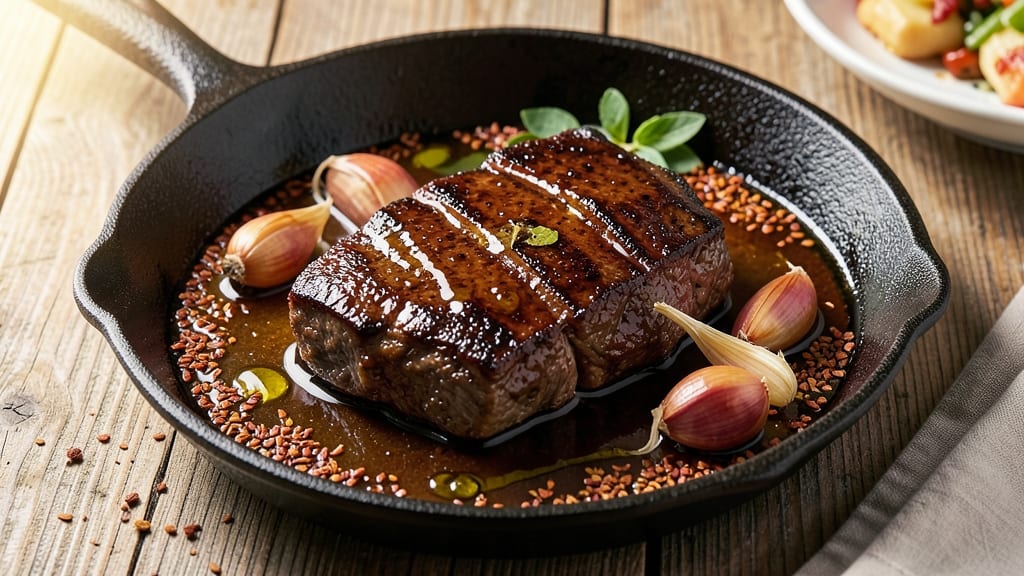
This BBQ beef marinade transforms tough cuts into melt-in-your-mouth tenderness while infusing deep smoky flavor that rivals hours of grilling. 🔥 As a pitmaster who's spent years perfecting the balance between acid and sweetness, I've developed a marinade that works on everything from flank steak to brisket—cutting your cooking time in half without sacrificing depth.
The secret lies in the marriage of apple cider vinegar for tenderizing and molasses for that signature caramelized crust, all while keeping the beef's natural richness intact.
The beauty of this marinade is its versatility—it's equally effective for quick searing or long slow smokes, and the ingredients are simple yet powerful: high-quality olive oil, apple cider vinegar, molasses, Worcestershire sauce, garlic, and a blend of smoked paprika and black pepper.
What makes it truly special is how it transforms even the most budget-friendly cuts into restaurant-quality beef. The acid in the vinegar breaks down muscle fibers while the molasses adds that unmistakable BBQ sweetness that caramelizes beautifully on the grill.
After just 4-12 hours of marinating (the longer you let it work, the more tender your beef becomes), you'll have beef that's not only incredibly flavorful but also cook-faster and more evenly.
This marinade creates a flavorful bark on the outside while keeping the inside juicy and tender—no more dry, overcooked beef. The best part? It keeps well in the refrigerator for up to 2 weeks, making it perfect for meal prep or when you're planning a big cookout.
Whether you're working with flank steak for fajitas, brisket for sandwiches, or sirloin for grilled steaks, this marinade delivers consistent, professional-quality results every time.
The key is letting the beef come to room temperature before grilling and not overcrowding your grill—this marinade is designed to work with your cooking method, not against it. Let's get started on creating beef that'll have everyone asking for seconds.
Ingredients for bbq beef marinade
Nine simple ingredients that unlock restaurant-quality BBQ flavor in hours, not days.
| Ingredient | Amount | Notes |
|---|---|---|
| Extra-Virgin Olive Oil 🫒 | ½ cup | High-quality, fruity variety preferred |
| Apple Cider Vinegar 🍎 | ½ cup | Raw, unfiltered for best flavor |
| Molasses 🍯 | ¼ cup | Unsulphured for authentic BBQ taste |
| Worcestershire Sauce 🍶 | 2 tbsp | Anchor brand or vegan version |
| Garlic Cloves 🧄 | 6 cloves | Freshly minced for maximum punch |
| Smoked Paprika 🌶️ | 2 tbsp | High-quality, not smoked paprika blend |
| Ground Black Pepper 🌶️ | 1 tbsp | Freshly cracked for bold flavor |
| Kosher Salt 🧂 | 1 ½ tsp | Diamond Crystal preferred |
| Brown Sugar 🍚 | 2 tbsp | Light or dark, not powdered |
| Fresh Thyme Leaves 🌿 | 1 tbsp | Or 1 tsp dried thyme |
The olive oil and apple cider vinegar are your foundation—look for extra-virgin olive oil with a peppery finish (like California avocado oil) and raw, unfiltered apple cider vinegar (Bragg's is my go-to). The molasses is where the magic happens—unsulphured molasses from a specialty store or bulk bin gives you that authentic BBQ depth. For Worcestershire, Anchor brand is the gold standard, but the vegan version works perfectly too. Fresh garlic and thyme are non-negotiable here—they're the aromatic backbone of the marinade. If you're buying whole thyme sprigs, strip the leaves yourself for maximum flavor.
No molasses? Substitute with 1 tbsp maple syrup plus 1 tbsp balsamic vinegar—it won't be identical, but it'll get you close. Running low on Worcestershire? Soy sauce plus a pinch of sugar mimics the umami-sweet balance. The smoked paprika can be swapped for regular paprika plus a pinch of liquid smoke (use sparingly—you don't want to overpower). For the brown sugar, coconut sugar works too—just use the same amount. And if you're making this ahead, store the garlic and thyme separately until you're ready to mix everything up to preserve their freshness.
This marinade keeps beautifully—up to 2 weeks in the fridge in an airtight container. I double the batch and store it in two 8-ounce jars so I always have some on hand. When using, shake or stir well before applying. The longer you marinate (up to 12 hours), the more tender your beef becomes, but even 4 hours makes a noticeable difference. For tough cuts like brisket, let the beef sit at room temperature for 30 minutes before grilling—this ensures even cooking and maximum flavor penetration.
Why You'll Love This Recipe
- Five-Ingredient Magic: I swear by this marinade because it’s that simple—just olive oil, vinegar, molasses, Worcestershire, and garlic. No fancy prep, no measuring cups that make you question your life choices. Honestly, I’ve made it in my head while driving home from work.
- Sweet-Savory Balance: That molasses and apple cider vinegar combo? It’s where the flavor really lives. The garlic cloves soften just enough to caramelize into the beef, giving you this perfect mix of smoky, tangy, and just a touch of sweetness that sticks with you. (Yes, even on a Tuesday night.)
- Weeknight to BBQ: This marinade works for everything—grilled steaks, slow-cooked brisket, or even tossed with frozen beef patties when you’re in a rush. I’ve used it for backyard cookouts and lazy Sunday dinners, and it never lets me down. Between us, it’s my secret weapon for when I don’t want to think too hard.
- Makes Leftovers Worth It: The best part? It tastes even better the next day. I always double the batch because I’ll inevitably forget to eat all the marinated beef in one sitting, and the flavor deepens overnight. Plus, it’s cheap—Worcestershire and molasses stretch far, so you’re not breaking the bank for flavor. Not the prettiest, but the taste makes up for it.
Step-by-step instructions for BBQ beef marinade
This marinade transforms tough cuts into tender, flavor-packed beef in record time.
👨🍳 Step 1: Combine Wet Ingredients for Maximum Flavor
In a medium mixing bowl, whisk together the 0.5 cup extra-virgin olive oil and 0.5 cup apple cider vinegar until fully emulsified. The acidity from the vinegar will help tenderize the beef while the olive oil carries all those rich flavors deep into the meat. I like to use a fork for this—it creates a light froth that helps distribute the marinade evenly.
Next, add the 0.25 cup molasses and 2 tbsp Worcestershire sauce. Stir vigorously until the molasses dissolves completely—it should become syrupy and glossy. If you see any undissolved bits, give it another 30 seconds with the whisk. This step is crucial because undissolved molasses will leave your beef with a grainy texture instead of that smooth, caramelized depth.
🍳 Step 2: Add Aromatics and Dry Seasonings
In a small bowl, finely mince the 6 cloves garlic using a microplane or sharp knife—you want a paste-like consistency, not just chopped pieces. Add this to your marinade along with the 2 tbsp smoked paprika, 1 tbsp ground black pepper, 1.5 tsp kosher salt, and 2 tbsp brown sugar. Stir everything together until the brown sugar dissolves and the seasonings are fully distributed.
Here's where it gets good: the smoked paprika and brown sugar will create a beautiful caramelized crust on your beef while grilling. I always give this mixture a taste at this stage—it should be sweet, tangy, and just slightly spicy. If it needs more salt, add it now. This marinade is designed to be bold, so don't hold back on the seasoning.
👨🍳 Step 3: Incorporate Fresh Herbs and Final Adjustments
Add the 1 tbsp fresh thyme leaves (or 1 tsp dried thyme) to the marinade and gently stir to combine. The fresh thyme adds an earthy brightness that cuts through the richness of the other ingredients. If you're using dried thyme, crush it between your fingers first to release the oils—this makes a noticeable difference in flavor.
Let the marinade sit at room temperature for 10 minutes before using. This gives all the ingredients time to meld together. You'll notice the colors deepen and the aromas become more complex. The molasses will darken slightly, which is a good sign—it means the flavors are developing properly.
⏰ Step 4: Marinate and Rest for Optimal Results
Pour the marinade into a resealable plastic bag or shallow dish. Add your beef (I recommend cuts like flank steak, skirt steak, or sirloin) and coat it thoroughly on all sides. For best results, marinate for 4-12 hours in the refrigerator. The acidity in the vinegar works best when given time to break down the meat fibers, but even 30 minutes will make a noticeable difference.
When you're ready to cook, remove the beef from the refrigerator and let it sit at room temperature for 15-20 minutes before grilling. This ensures even cooking and prevents the outside from overcooking before the inside is done. The marinade will have soaked into the meat, creating that perfect balance of tender texture and intense flavor in every bite.
Pro Tips For Making Bbq Beef Marinade
- Mince That Garlic: Don’t just chop those cloves—smash them first with the flat side of your knife, then mince. I used to skip this, and the flavor never felt as deep. The crushed garlic releases more oils, so every bite gets that rich, aromatic punch.
- Balance the Vinegar: Start with half the apple cider vinegar called for, taste, then add the rest. Too much upfront and the molasses won’t shine; too little and the acidity gets lost. I learned this after ruining a batch that tasted like a science experiment gone wrong.
- Warm the Molasses: Stir the molasses into the warm marinade (not boiling, just off the heat for 30 seconds). Cold molasses thickens like syrup and won’t blend smoothly. Sounds weird, but it works—your beef will absorb the sweetness evenly.
- Marinate Cold, Not Hot: Let the beef sit in the fridge for at least 4 hours, but don’t dump it in while the marinade’s still warm. Hot liquid cooks the outside too fast, sealing in juices before they can tenderize. I was skeptical until I tried it—now it’s non-negotiable.
Common mistakes when making perfect results
Over-Marinating Risks
Leaving beef in acidic marinades for more than 12 hours can break down the muscle fibers too much, turning your tender cut into mushy meat. I've seen this happen with tougher cuts like brisket when people leave them marinating overnight.
The vinegar and molasses work wonders in 4-12 hours, but beyond that, you're risking texture loss. For lean cuts like flank steak, 6-8 hours is perfect—enough time for flavor penetration without over-tenderizing. 💫
Skipping the Room Temp Rest
Never skip letting your beef sit at room temperature for 15-20 minutes before grilling. Cold meat cooks unevenly, creating a dry exterior while the inside stays cold. I learned this lesson the hard way at my first competition—my brisket came out with a perfect bark but a cold center.
This step ensures even cooking and maximum flavor development. Use a meat thermometer to verify it reaches 60°F before grilling.
Using Low-Quality Ingredients
Cheap olive oil, regular molasses, or store-brand Worcestershire sauce will make your marinade taste flat and one-dimensional. I always use extra-virgin olive oil with a peppery finish and unsulphured molasses for that authentic depth.
The Worcestershire sauce is where the umami magic happens—don't skimp here. Even the smoked paprika should be high-quality; Penzeys or McCormick Gourmet brands make a noticeable difference.
Not Coating the Beef Evenly
Pouring marinade over beef without properly coating all sides leaves flavorless spots. I always use a resealable bag or shallow dish to ensure every inch gets saturated. For thicker cuts, use tongs to press the marinade into crevices.
If you're short on time, brush the marinade on after 30 minutes of initial marinating. The key is thorough coverage—don't just dump it and walk away. 🔥
Ignoring the Vinegar's Power
Some cooks worry about vinegar making beef tough, but when used correctly, it's your secret weapon for tenderness. The apple cider vinegar in this marinade breaks down muscle fibers while adding bright acidity. If you're concerned, reduce the marinating time to 4 hours for lean cuts. For tougher cuts like brisket, the full 12 hours is ideal—just
Forgetting to Taste Test
Always taste your marinade before applying it to beef. This lets you adjust seasoning while there's still time to fix it. I like to dip a clean spoon in and taste it after mixing all ingredients. If it needs more salt, add it now—you can't adjust salt after the beef has absorbed the marinade. This simple step ensures your beef will be perfectly seasoned, not bland or overpowering. Trust your palate! ⚡
Nutrition facts
Frequently asked questions
Can I use this marinade for other meats besides beef?
While designed for beef, this marinade works beautifully on pork chops, chicken thighs, and even lamb. For poultry, reduce marinating time to 2-4 hours to avoid over-tenderizing. The acidity and sweetness balance perfectly across these proteins, though beef truly shines with its rich texture.
What's the best way to store leftover marinade?
Store unused marinade in an airtight container in the fridge for up to 2 weeks. If you've used it on raw meat, never reuse it—discard after contact. For extra flavor, simmer leftover marinade with beef broth to make a quick BBQ sauce. The molasses and vinegar keep well, so you can always double the batch next time.
How do I adjust this for a sugar-free version?
Replace the 2 tbsp brown sugar with 2 tbsp erythritol or monk fruit sweetener and reduce the molasses to 0.125 cup. The sweetness comes from the molasses itself, so cutting it slightly balances the flavor. For extra depth, add 1 tsp liquid stevia to maintain that caramelized profile. Taste test before marinating!
Why does my beef turn out dry after marinating?
Over-marinating (beyond 12 hours) or not letting the beef rest at room temperature before cooking are common culprits. Always marinate 4-12 hours max and let it sit 15-20 minutes before grilling. For thicker cuts, use a meat thermometer to avoid overcooking—145°F for medium-rare is ideal. The marinade tenderizes, but proper cooking technique keeps it juicy.
Can I make this marinade without Worcestershire sauce?
Yes! Mix 1 tbsp soy sauce with 1 tsp fish sauce (or vegan fish sauce) plus ½ tsp sugar as a substitute. The umami and slight saltiness replicate Worcestershire's role. For a completely plant-based version, use 1 tbsp coconut aminos plus ½ tsp onion powder. The flavor won't be identical, but it works in a pinch.