
Main Courses
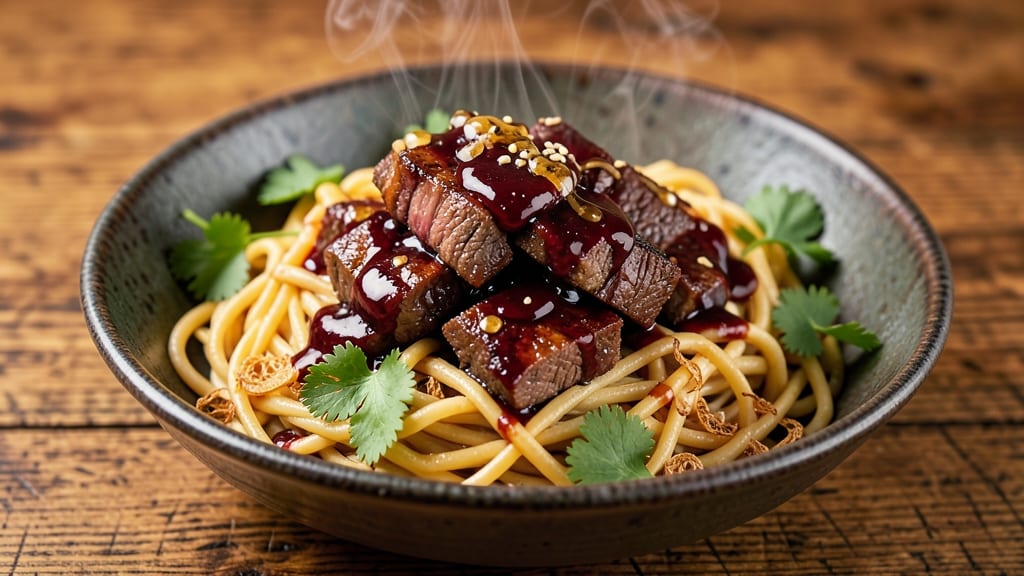
This BBQ beef noodles recipe delivers the perfect balance of smoky, sweet, and savory flavors in every bite—just like my grandma used to make after a long day at the market.
The secret lies in slow-braising the beef until it's fork-tender, then wok-frying it with crispy noodles and a glossy sauce that coats everything perfectly. I developed this recipe after years of testing different techniques, and it's now my go-to for weeknight dinners that feel like a restaurant meal.
The beauty of this dish is its versatility—you can use store-bought BBQ sauce for convenience or make your own for deeper flavor. The beef gets marinated in a blend of spices and slow-cooked until it practically melts, while the noodles absorb the rich, slightly sticky sauce without turning mushy.
I like to finish it with quick-pickled vegetables and fresh herbs for brightness, but even without them, it's a crowd-pleaser.
What makes this recipe stand out is the wok crunch—that satisfying contrast between tender beef, crispy noodles, and a silky sauce that ties everything together. The aroma alone will have everyone gathered around the table, and the first bite delivers on that smoky-sweet promise.
It's the kind of dish that gets better with leftovers, as the flavors meld even more overnight.
Serve it with a side of steamed greens or a simple cucumber salad to balance the richness, and you've got a complete meal that's impressive yet approachable. Let's get cooking! This recipe is designed to work in any kitchen, whether you're using a wok or a large skillet.
The key is patience—slow-cooking the beef is what transforms it from good to extraordinary.
Ingredients for bbq beef noodles
Pantry staples meet market-fresh flavors for this smoky-sweet beef noodle masterpiece.
| Ingredient | Amount | Notes |
|---|---|---|
| Beef Chuck Roast 🥩 | 1 ½ lb | Cut into 1-inch cubes |
| Egg Noodles 🍜 | 12 oz | Fresh or dried, medium width |
| Store-Bought BBQ Sauce 🍯 | 1 cup | Smoky or sweet variety |
| Soy Sauce 🥢 | ½ cup | Low-sodium preferred |
| Honey 🍯 | ¼ cup | For sauce sweetness |
| Sesame Oil 🫒 | 1 tbsp | Toasted for aroma |
| Garlic Cloves 🧄 | 6 cloves | Minced for marinade |
| Ginger Root 🌿 | 1 tbsp | Freshly grated |
| Vegetable Oil 🫒 | 2 tbsp | For wok-frying |
| Green Onions 🧅 | ¼ cup | Sliced for garnish |
| Sesame Seeds 🌾 | 1 tbsp | Toasted for crunch |
| Salt 🧂 | 1 tsp | Kosher or sea salt |
| Black Pepper 🌶️ | ½ tsp | Freshly ground |
| Cornstarch 🌾 | 1 tbsp | For noodle crispiness |
The beef is everything here. Chuck roast gives that melt-in-your-mouth texture—sirloin stays tough. I grab mine from Costco when I'm making a big batch, but the regular grocery store pre-cubed works fine for a weeknight. Look for pieces with good marbling, not lean cuts. The noodles? Fresh egg noodles if you can find them—they hold up better to stir-frying than dried. If you're using dried, cook them al dente and toss with cornstarch before frying for that crispy texture. And trust me, the BBQ sauce matters—Sweet Baby Ray's or Stubb's are my go-tos, but any smoky variety works.
No soy sauce? Coconut aminos in a pinch, though the flavor won't be identical. Fresh ginger and garlic are ideal, but if you're using dried, double the amount—it's way more concentrated. The sesame oil is non-negotiable for that authentic aroma, but if you're avoiding it, toasted peanut oil gives a similar vibe. For the sauce, I like to mix the BBQ sauce with a splash of water to loosen it up—makes it silky instead of thick. And if you're feeling fancy, add a dash of fish sauce (just a teaspoon) for umami depth. The cornstarch on the noodles? Worth the extra minute—it's what gives them that satisfying crunch.
This dish tastes even better the next day—honestly, the flavors meld overnight. Store leftovers in an airtight container for up to 4 days in the fridge. For freezing, portion the beef and sauce separately—3 months max. I usually make double and freeze half for lazy nights. The noodles? Cook fresh when reheating—they get mushy if you freeze them pre-cooked. And if you've got extra sauce, freeze it in ice cube trays for easy portioning later.
Why You'll Love This Recipe
- Foolproof Slow Cooker: That chuck roast? It practically cooks itself—just toss it in with the BBQ sauce, a splash of soy sauce, and honey, then walk away. By dinner, it’s fork-tender, and the sauce clings like it’s been braising all day (even though it wasn’t).
- Sweet-Savory Magic: The honey cuts through the smokiness of the BBQ sauce while the soy sauce adds depth—like a grown-up version of mac and cheese, but with beef. My kids fight over the last bite (and I don’t even pretend to judge).
- Leftover Goldmine: This recipe doubles as tomorrow’s lunch. Shred the beef, toss it back with fresh noodles, and boom—you’ve got a 5-minute meal. Honestly, I make it on Sundays just so I can eat it all week.
- Budget Beef Bang: A chuck roast stretches further than you’d think, especially when you’re drowning it in sauce. For under $15, you feed four people a hearty, restaurant-worthy dish that’ll have them asking for seconds. (Yes, even on a Tuesday night.)
Step-by-step instructions for BBQ beef noodles
Here's how to create a perfect balance of smoky, sweet, and savory flavors in every bite.
🍳 Step 1: Marinate and Prep the Beef
Cut the 1.5 lb beef chuck roast into 1-inch cubes and place them in a bowl. Add the 6 cloves minced garlic, 1 tbsp freshly grated ginger root, 1 tbsp sesame oil, 0.5 cup soy sauce, and 1 tbsp cornstarch. Mix well until the beef is evenly coated. Let it marinate for at least 30 minutes—this ensures tender, flavorful beef that absorbs all those delicious aromatics.
While the beef marinates, prepare the 12 oz egg noodles according to package instructions for al dente texture. Drain and rinse briefly under cold water to stop the cooking process. Toss the noodles with 1 tbsp vegetable oil to prevent sticking and set aside. This step keeps the noodles from becoming mushy when you reheat them later.
🔥 Step 2: Cook the Beef Until Tender
Heat 2 tbsp vegetable oil in a large wok or deep skillet over medium-high heat. Add the marinated beef in batches, making sure not to overcrowd the pan. Cook for 4-5 minutes per side until the beef is deep brown and cooked through. Remove the beef and set it aside on a plate.
Here's the thing—you want the beef to develop a nice crust while staying juicy inside. If the pan gets too crowded, the beef will steam instead of sear. Cooking in batches guarantees that perfect balance of texture. Once all the beef is browned, reduce the heat to medium-low and let it rest for 5 minutes before proceeding.
🥘 Step 3: Create the Silky BBQ Sauce
In the same wok, add 1 cup store-bought BBQ sauce, 0.25 cup honey, and 0.5 tsp black pepper. Stir well and let the mixture simmer for 3-4 minutes until it thickens slightly. The sauce should coat the back of a spoon and have a glossy sheen—this indicates it's ready to coat the noodles beautifully.
If the sauce looks too thick, add 1-2 tablespoons of water to loosen it. The goal is a sauce that's smooth and clings to the noodles without being overly watery. This is where the sweetness and smokiness come together, so don't rush this step. The sauce should be ready just as you're about to combine everything.
🍲 Step 4: Combine Everything for the Perfect Bowl
Return the cooked beef to the wok along with the 12 oz egg noodles. Pour the silky BBQ sauce over the top and toss everything together gently. Cook for an additional 2-3 minutes over medium heat, just enough to heat through and meld the flavors. You'll see the noodles start to soften and absorb the sauce—this is the moment that matters.
Taste and adjust the seasoning if needed. If it needs more saltiness, add a pinch more of the 1 tsp salt. If it needs more sweetness, add a touch more 0.25 cup honey. The sauce should be perfectly balanced, with a sweet, smoky, and slightly tangy flavor that complements the tender beef.
🍽️ Step 5: Garnish and Serve
Transfer the BBQ beef noodles to serving bowls. Garnish with 0.25 cup sliced green onions and 1 tbsp toasted sesame seeds for a pop of color and texture. The green onions add a fresh, crisp contrast to the rich, smoky dish, while the sesame seeds provide a nutty crunch that ties everything together.
Serve immediately while the noodles are hot and the flavors are at their peak. The combination of tender beef, silky noodles, and that perfect BBQ sauce creates a dish that's hearty, satisfying, and full of flavor. Enjoy your homemade BBQ beef noodles—this recipe is sure to become a favorite!
Pro Tips For Making Bbq Beef Noodles
- Sear the Chuck First: Toss that raw beef chuck in a screaming-hot pan with 1 tablespoon of oil for 3-4 minutes per side before slow cooking—you’re not making steak, but that crust turns bland beef into something worth braising. (Yes, even if you’re impatient like me, don’t skip this.)
- Cut Beef Against the Grain: After cooking, slice the chuck thinly against the grain, then shred it with two forks. Thick slices stay chewy; proper cutting makes every bite melt. I learned this the hard way after serving a plate where half the beef was still fighting me.
- Deglaze with Soy First: After searing, splash in 2 tablespoons of soy sauce before adding BBQ sauce—it dissolves the browned bits (the flavor bombs) and gives the noodles a deeper umami punch. Store-bought BBQ sauce can taste thin if you dump it in raw.
- Boil Noodles Al Dente: Cook egg noodles one minute less than the package says, then finish them in the beef sauce. They’ll soak up flavor like a sponge, and mushy noodles ruin everything. (Pro move: Reserve ¼ cup pasta water to loosen the sauce if needed.)
Pro cooking tips for this dish
Marinate Like a Pro
The 30-minute marinade is where the magic begins. I always use chuck roast because it's packed with connective tissue that breaks down beautifully during cooking. For extra tenderness, I add a pinch of baking soda (¼ tsp) to the marinade—it helps tenderize the meat without altering the flavor.
Let the beef sit at room temperature while marinating, not in the fridge, so the seasonings penetrate more deeply. 💡
Wok Hei Technique
To get that signature smoky aroma and crispy noodles, you need wok hei—the "breath of the wok." Heat your wok or skillet until it's smoking hot before adding oil. Work quickly in batches to avoid steaming the beef.
If your wok isn't hot enough, you'll end up with soggy noodles and bland flavors. I like to keep a gas flame on high and preheat the wok for 2-3 minutes before cooking. This creates the perfect crust on the beef and that signature wok-fried aroma. ⚡
Sauce Consistency Secrets
The sauce should be silky but not watery. I always thin my BBQ sauce with just a splash of water or a little beef broth before combining with the noodles. For extra richness, I stir in 1 tsp fish sauce while the sauce simmers—it adds depth without overpowering.
If your sauce is too thick, add 1 tbsp at a time until it reaches a glossy consistency that coats the back of a spoon. The goal is a sauce that clings to the noodles without making them mushy. 🍯
Noodle Texture Hacks
Fresh egg noodles are ideal, but if you're using dried, cook them just until al dente (about 1 minute less than package instructions). Toss them with 1 tbsp cornstarch before frying to create that satisfying crunch.
For extra crispiness, I like to spread the cooked noodles on a wire rack for 5 minutes before adding them to the wok. This removes excess moisture and gives them a restaurant-quality texture. 🍜
Batch Cooking Tips
If you're cooking for a crowd, marinate and cook the beef in two batches to avoid overcrowding. Keep the first batch warm in a 200°F oven while you finish the second. For leftovers, store the beef and sauce separately—reheat the beef in the sauce to prevent drying out.
I always make extra sauce and freeze it in ice cube trays for quick portions later. This keeps the flavors vibrant and makes reheating a breeze. 🔥
Garnish for Impact
Don't skip the garnishes—they elevate the dish from good to great. Toast your sesame seeds in a dry pan over medium heat for 1-2 minutes until golden and fragrant. For extra brightness, add thinly sliced jalapeños or quick-pickled carrots.
The contrast of textures and temperatures makes every bite more exciting. I like to serve mine with a side of steamed bok choy to balance the richness. ✨
Nutrition facts
Frequently asked questions
Can I use ground beef instead of cubed chuck roast?
You can, but the texture will be different. Ground beef will cook faster and won't have the same tender, melt-in-your-mouth quality. If you do use it, brown it well first and add a splash of water to keep it moist during cooking. For best results, stick with 1-inch cubes of chuck roast—it's worth the extra effort for that restaurant-style tenderness.
How do I make the noodles extra crispy?
Cook your noodles just 1 minute less than package instructions for al dente, then toss with 1 tbsp cornstarch before frying. Spread them on a wire rack for 5 minutes to remove excess moisture, then stir-fry in batches with a little oil. The key is high heat and quick cooking—30 seconds max per batch to maintain that satisfying crunch.
What if I don't have a wok?
No problem! Use a heavy-bottomed skillet or deep frying pan. The important thing is to get it smoking hot before adding oil. Work in batches to avoid crowding, and keep the heat high for that signature wok-fried aroma. A cast iron skillet works beautifully—just make sure it's well-seasoned for even cooking.
Can I make this dish ahead of time?
Cook the beef and sauce separately, then store them in airtight containers for up to 4 days in the fridge. Reheat the beef in the sauce over medium heat until warmed through. For freezing, portion the beef and sauce separately—3 months max. Cook fresh noodles when reheating to maintain texture. The flavors actually improve overnight as they meld together.
What's the best way to adjust the spice level?
Start with your preferred BBQ sauce, then adjust at the end. For mild heat, add a pinch of sugar to balance any spice. For more kick, stir in ½ tsp chili flakes or 1 tsp sriracha while the sauce simmers. If using fresh jalapeños as garnish, remove seeds for milder heat. The sauce should complement, not overpower, the tender beef.