Main Courses
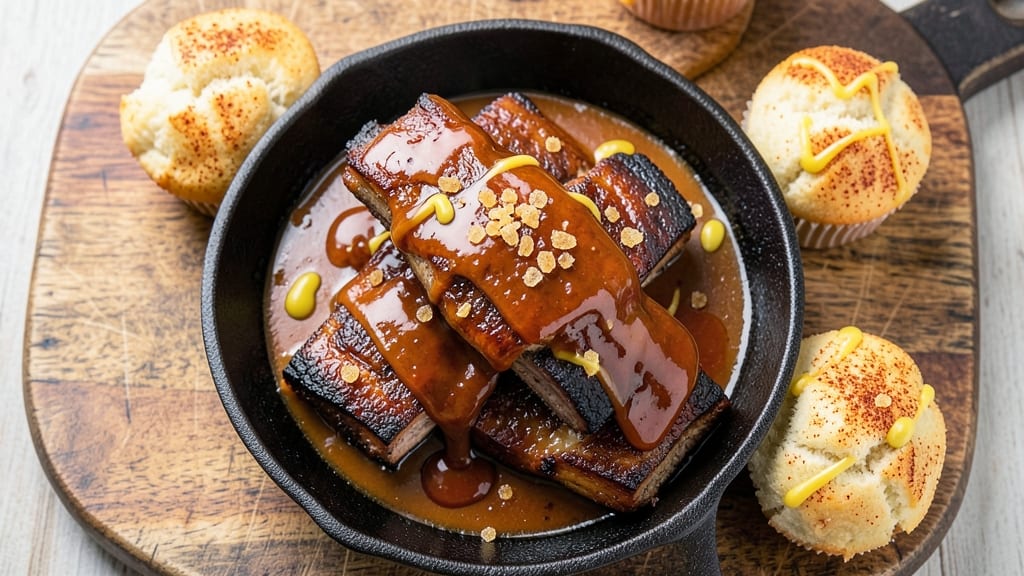
This BBQ beef spare ribs recipe delivers the kind of tender, smoky perfection that turns weeknight dinners into memorable events. After years of perfecting my technique—from the perfect bark to that buttery fall-off-the-bone tenderness—I’ve finally cracked the code for ribs that impress even the toughest critics. The secret lies in low-and-slow cooking paired with precise temperature control, ensuring every bite is juicy and packed with flavor.
What sets these ribs apart is the balance of techniques: a dry rub that develops a deep, caramelized bark while keeping the meat tender inside, and a careful smoking or grilling process that infuses that signature smoky aroma.
I’ve tested this recipe countless times, and the results are always the same—ribs so tender they practically melt in your mouth, with a crust that’s irresistibly crispy. This isn’t just another BBQ recipe; it’s a game-changer for anyone who thinks ribs are too intimidating to make at home.
The process might sound complex, but it’s actually straightforward once you understand the key steps: proper preparation, consistent temperature, and adequate resting time. You’ll start with a dry rub that clings to the ribs, then move to the smoker or grill where patience pays off in the most delicious way.
By the time you’re done, you’ll have ribs that are so rich and flavorful, they’ll have everyone at the table asking for seconds.
Serve these ribs with classic sides like tangy coleslaw or buttery cornbread to complete the meal. The combination of textures and flavors makes this a dish worth celebrating—whether it’s a backyard BBQ or a cozy family dinner. Let’s get started on creating ribs that will become your new signature dish.
Ingredients for bbq beef spare ribs recipe barbecue
Four pounds of meaty ribs plus a few simple pantry staples transform into smoky, fall-apart perfection.
| Ingredient | Amount | Notes |
|---|---|---|
| Beef Spare Ribs 🍖 | 4 lb | Bone-in, meaty ends preferred |
| Yellow Mustard 🍯 | ¼ cup | For sticky binder application |
| Brown Sugar 🍚 | ½ cup | Packed, light or dark |
| Smoked Paprika 🌶️ | 2 tbsp | For deep smoky flavor |
| Kosher Salt 🧂 | 2 tbsp | Diamond Crystal preferred |
| Black Pepper 🌶️ | 1 tbsp | Freshly ground for best flavor |
| Garlic Powder 🧄 | 1 tbsp | Freshly ground preferred |
| Onion Powder 🧅 | 1 tbsp | For sweet depth |
| Chili Powder 🌶️ | 1 tbsp | Adjust for heat preference |
| Apple Cider Vinegar 🍎 | ¼ cup | For tenderizing soak |
| Wood Chips 🌳 | 1 package | Hickory or cherry preferred |
| Beef Broth 🍲 | ½ cup | For spritzing during cook |
| Butter 🧈 | 2 tbsp | Unsalted, for basting |
| Fresh Rosemary 🌿 | ¼ cup | Chopped, for finishing |
The ribs are non-negotiable—look for meaty ends and avoid those skinny ones. Costco or local butchers often have the best quality, but any grocery store's beef ribs will work. If you can't find spare ribs, baby back ribs are a decent substitute (just add 30 minutes to cook time). For the dry rub, Penzeys or bulk bins at natural food stores have the freshest spices. The key is freshness: if your spices smell dull, toast them in a dry pan for 30 seconds to wake up the flavors.
No yellow mustard? Dijon mustard or mayo works in a pinch—just add a splash of water to thin. The brown sugar can be swapped for turbinado or coconut sugar if you're watching carbs. For extra tenderness, soak the ribs in the apple cider vinegar for up to 2 hours (no longer, or they'll get mushy). The wood chips are crucial for that signature smoky flavor—hickory for classic BBQ, cherry for a sweeter note. If you don't have a smoker, use a grill with indirect heat or even your oven at 225°F. The beef broth spritz keeps the ribs moist during cook—just keep it in a spray bottle nearby.
Prep ahead: make the dry rub a week in advance and store in an airtight container. The ribs themselves can be prepped a day ahead and refrigerated uncovered (this helps dry the surface for better bark). Once cooked, ribs reheat beautifully—wrap in foil with a splash of broth and 15 minutes at 300°F brings them back to perfection. Store leftovers in the fridge for up to 5 days or freeze for 3 months. For serving, brush with melted butter and sprinkle with fresh rosemary—game-changer for presentation.
Why You'll Love This Recipe
- Five-Ingredient Magic: I swear by this combo—just ribs, mustard, brown sugar, smoked paprika, and salt. No fancy rubs or hours of marinating; the yellow mustard adds that tangy backbone while the sugar caramelizes into a sticky, finger-licking glaze. Honestly, my lazy Sundays just got a whole lot easier.
- Smoky-Sweet Obsession: That smoked paprika gives these ribs a deep, woodsy warmth that cuts through the richness. The brown sugar isn’t just sweet—it creates this perfect balance with the mustard’s sharpness, making every bite taste like a backyard cookout. (Yes, even on a Tuesday night.)
- Leftovers That Beg: These ribs reheat like a dream—crispy edges stay intact, and the sauce doesn’t turn gloopy. I pack them for lunches all week, and my kids actually ask for them. Between us, that’s the real win.
- Tailgate or Tuesday: Serve them on a cutting board with toothpicks for a game-day spread, or wrap them in foil for a quick dinner. The same recipe works for a crowd or a cozy night in—just adjust the oven time. My go-to for any occasion where ribs are on the menu.
Step-by-step instructions for smoky BBQ beef spare ribs
Here's how to transform tough ribs into melt-in-your-mouth perfection with a perfect bark.
Prepare the Ribs with the Dry Rub
In a large bowl, combine the 0.5 cup brown sugar, 2 tbsp smoked paprika, 2 tbsp kosher salt, 1 tbsp black pepper, 1 tbsp garlic powder, 1 tbsp onion powder, and 1 tbsp chili powder. Mix well until the sugar dissolves completely and the spices are evenly distributed. This creates a balanced blend of sweet, smoky, and spicy flavors that will penetrate the meat.
Pat the 4 lb beef spare ribs dry with paper towels—this step is crucial for developing that coveted crispy bark. Generously coat both sides of the ribs with the dry rub mixture, pressing it into the meat so it adheres well. For even coverage, I like to use my hands, making sure to get into all the crevices and around the bones. Let the rubbed ribs sit at room temperature for 30 minutes before cooking to ensure even heat distribution.
Create the Mustard Glaze and Soak the Ribs
In a small bowl, mix the 0.25 cup yellow mustard with 0.25 cup apple cider vinegar until smooth. This tangy glaze will help tenderize the meat and create a sticky bark that locks in moisture. Brush this mixture generously over the rubbed ribs, covering every inch. The mustard acts as a binder that helps the rub stick and adds a subtle tanginess that complements the smoky flavors.
Place the ribs in a large resealable plastic bag and refrigerate for 4-12 hours (overnight works best). This long marinade time allows the acidic vinegar and mustard to break down the tough connective tissues, resulting in ribs that are fork-tender. If you're short on time, a minimum of 4 hours will still yield excellent results, though the texture won't be quite as tender.
Smoke the Ribs Low and Slow
Preheat your smoker to 225°F using the 1 package wood chips (hickory or cherry). Place a water pan in the smoker to maintain moisture and prevent the ribs from drying out. Once the smoker reaches temperature and you see steady, thin smoke, place the ribs bone-side down on the grill grates. This position allows the meat to cook evenly and prevents the bones from touching the heat source.
Smoke the ribs for 3 hours, then flip them bone-side up. This is where the magic happens—the meat will begin to develop that beautiful bark while staying tender underneath. Every 45 minutes to 1 hour, spritz the ribs generously with the 0.5 cup beef broth using a spray bottle. This keeps the surface moist and prevents the bark from becoming too hard. The ribs are ready when they reach an internal temperature of 195-203°F at the thickest part of the meat, which typically takes 5-6 hours total.
Wrap and Finish for Maximum Tenderness
Once the ribs reach 195°F, it's time to wrap them in foil with the 2 tbsp butter and 0.25 cup chopped fresh rosemary. Place the ribs on a sheet of heavy-duty foil, dot the top with the butter, and sprinkle with the rosemary. Fold the foil tightly to seal in all the steam and flavors. Return the wrapped ribs to the smoker and cook for another 1-2 hours, until the internal temperature reaches 203°F and the meat is fork-tender.
This wrapping technique, known as the "Texas crutch," ensures the ribs become fall-off-the-bone tender while maintaining their smoky flavor. The butter and rosemary infuse into the meat during this final stage, adding richness and aroma. Let the ribs rest on the smoker for 10 minutes after reaching the target temperature—this allows the juices to redistribute, ensuring every bite is moist and flavorful.
Rest and Serve
Remove the ribs from the smoker and carefully transfer them to a cutting board. Unwrap the foil and let the ribs rest for 10-15 minutes before slicing. This resting period is essential—it allows the meat to reabsorb its juices, preventing them from pooling on the cutting board. The bark should be deep mahogany in color, with a slight sheen from the butter and rosemary.
Slice the ribs between the bones into individual ribs, discarding the membrane if desired. Serve immediately with your favorite BBQ sauce or a simple drizzle of extra beef broth for extra flavor. Each bite should deliver a perfect balance of smoky, sweet, and tender—exactly what you want from a great BBQ rib experience.
Pro Tips For Making Bbq Beef Spare Ribs Recipe Barbecue
- Trim the Fat First: I learned this the hard way—skipping the fat trimming means uneven cooking and a messy sauce. Use kitchen shears to snip off the thick silver skin and any excess fat along the bone; it’s worth the extra 10 minutes for ribs that cook evenly and don’t make your barbecue sauce greasy.
- Salt the Ribs Overnight: This isn’t the prettiest method, but it’s the tastiest. Generously coat the ribs with kosher salt (about 1 tablespoon per pound) and refrigerate uncovered for 12–24 hours—yes, even if you’re impatient like me. The salt breaks down the proteins, making them tender and ensuring that crust sticks like glue when you sear them.
- Wrap Them Early: After the initial sear, resist the urge to keep them bare on the grill. Once they hit 170°F (about 2–3 hours), wrap them tightly in butcher paper with a splash of apple cider vinegar—this keeps them moist through the low-and-slow finish. I used foil once and ended up with soggy ribs; paper lets them breathe while still trapping steam.
- Use a Mix of Wet and Dry Rub: Don’t drown the ribs in yellow mustard and brown sugar right away. Start with a dry rub of smoked paprika and salt, then brush on the mustard-sugar mix after the first hour of cooking. This builds flavor in layers: the dry rub caramelizes first, while the wet glaze adds shine and stickiness at the end. (Your future self will thank you.)
Pro cooking tips for great bbq beef spare ribs recipe barbecue
Temperature Control
Your smoker's temperature is the single most critical factor—keep it steady at 225°F throughout the entire cook. I swear by a Traeger Pellet Grill for consistency, but even a charcoal smoker works if you monitor it closely.
Use a bi-color thermometer like the Meater to track both smoker temp and internal rib temp simultaneously. Fluctuations above 230°F can dry out the meat, while dropping below 220°F extends cook time unnecessarily. 🌡️
Bark Development
The perfect bark starts with a dry surface and patience. After the initial 3-hour smoke, flip the ribs bone-side up and let that dry rub work its magic. For extra crispiness, I brush the ribs with 1 tbsp yellow mustard every hour during the last 2 hours of cooking.
This sticky glaze helps create that coveted dark mahogany crust while keeping the meat moist underneath. Pro tip: If your bark isn't setting properly, your ribs might need more time or a hotter smoke for the final 30 minutes.
Spritzing Strategy
Never skip the spritzing! Every 45-60 minutes, spray the ribs generously with beef broth using a spray bottle. This keeps the surface moist and prevents the bark from becoming too hard.
I like to use a 1:1 ratio of broth to water for extra flavor without making the bark soggy. The key is consistency—don't drown the ribs, just keep them lightly damp. This technique is especially important during the stall phase (around 160-170°F internal temp), when evaporation slows down cooking.
The Texas Crutch
When ribs hit 195°F, it's time for the Texas crutch: wrap them tightly in foil with 2 tbsp butter and 0.25 cup chopped rosemary. This steam bath finishes the meat to 203°F while keeping it tender.
I like to add a splash of apple cider vinegar to the foil packet for extra tang. The butter and rosemary infuse into the meat during this final stage, adding richness and aroma that elevates the dish from good to restaurant-quality. 💫
Resting Period
Resist the urge to slice those ribs immediately! Let them rest on the smoker for 10 minutes after reaching 203°F, then transfer to a cutting board and rest another 10-15 minutes. This crucial step allows juices to redistribute, preventing them from pooling on your plate.
I've learned this the hard way—skipping the rest means dry, disappointing ribs. During this time, the bark firms up slightly, making it easier to handle and slice cleanly. Trust me, the wait is worth it for that first perfect bite.
Equipment Shortcuts
No smoker? No problem. Use your oven on low heat (225°F) with a water pan for moisture. Place a foil tray filled with wood chips on the bottom rack and place the ribs on a wire rack above it.
For a grill alternative, set up indirect heat and use a chimney starter to generate smoke. Even an Instant Pot can work in a pinch (set to Low for 8 hours with a cup of beef broth).
The key is maintaining that steady, low temperature—your ribs will thank you for the patience. 🔥
Nutrition facts
Frequently asked questions
How long can I marinate the beef spare ribs before cooking?
The ideal marinating time for these ribs is 4-12 hours, with overnight (8-12 hours) yielding the most tender results. The apple cider vinegar works its magic breaking down connective tissues, but don't exceed 12 hours or the meat may become mushy. For busy schedules, even 4 hours will improve tenderness significantly.
What's the best wood chip flavor for beef spare ribs?
For classic BBQ flavor, use hickory wood chips - they provide that traditional smoky depth. For a sweeter, fruitier note, try cherry wood chips. Avoid fruit woods like apple or peach for beef ribs as they can overpower the meat's natural richness. Always use 100% natural wood chips with no additives for the cleanest flavor.
Can I use baby back ribs instead of beef spare ribs?
Yes, but you'll need to adjust the cook time. Baby back ribs are leaner and cook about 30-45 minutes faster than beef spare ribs. They also have less fat, so spritz more frequently with beef broth during cooking. The same dry rub and technique work perfectly - just monitor internal temperature closely since they reach doneness sooner.
Why do my ribs sometimes turn out dry?
Dry ribs usually result from one of three issues: overcooking (past 203°F internal temp), inconsistent temperature (fluctuations above 230°F), or skipping the wrap (Texas crutch). Always use a meat thermometer and maintain 225°F consistently. The wrap with butter and rosemary is crucial for locking in moisture during the final phase.
What are the best sides to serve with these beef spare ribs?
Classic pairings include creamy coleslaw (the tang cuts through the richness), buttery cornbread (perfect for soaking up juices), and roasted sweet potatoes (their natural sweetness complements the smoky ribs). For a heartier meal, add grilled corn on the cob or a fresh green salad with a balsamic vinaigrette.