
Main Courses
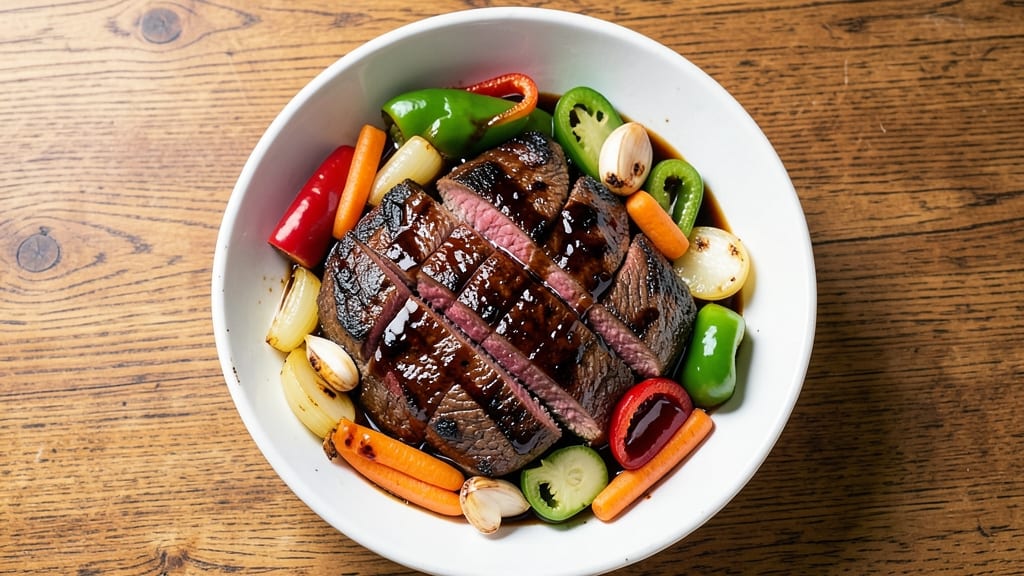
This BBQ beef stir fry recipe delivers smoky-sweet flavor in just 20 minutes—perfect for weeknight dinners when you crave restaurant-quality meals without the wait.
As someone who grew up surrounded by slow-cooked ribs, I know how to balance bold BBQ flavors with quick wok-fired techniques that bring out the natural richness of beef.
The secret lies in a simple marinade that tenderizes the meat while infusing it with that signature smoky depth, then finishing it with a quick stir-fry that locks in juices and caramelizes the edges.
What makes this recipe stand out is the perfect harmony of textures and flavors: tender beef strips with a slight char, crisp-tender vegetables, and a glossy BBQ sauce that coats everything without being overly sweet.
I've tested this countless times, adjusting the sauce reduction until it achieves that ideal balance—just enough tang to cut through the richness while maintaining that familiar BBQ sweetness. The high-heat wok method ensures everything cooks in minutes, making this dish both impressive and effortless.
By the time you're done, you'll have a plate that looks like it came straight from a BBQ joint—golden-brown beef, vibrant vegetables, and that irresistible smoky aroma filling your kitchen. The sauce clings to every bite, delivering layers of flavor with each mouthful.
This isn't just another stir-fry; it's a complete meal that feels special enough for company but simple enough for any night of the week.
Whether you're feeding a family or treating yourself to a quick weeknight dinner, this recipe delivers restaurant-quality results with minimal effort. The marinade can be prepped ahead, and the stir-fry itself comes together in under 20 minutes, making it ideal for busy schedules.
Let's get started on creating this smoky-sweet masterpiece that'll have everyone asking for seconds.
Ingredients for bbq beef stir fry
Restaurant-quality BBQ beef stir fry starts with these 15 ingredients—simple yet packed with smoky-sweet depth.
| Ingredient | Amount | Notes |
|---|---|---|
| Flank Steak 🥩 | 1 ½ lb | Thinly sliced against grain |
| Yellow Onion 🧅 | 1 whole | Thinly sliced, white and green parts separated |
| Bell Pepper 🌶️ | 2 whole | Red or green, sliced into strips |
| Baby Carrots 🥕 | 1 cup | Whole or halved lengthwise |
| Garlic Cloves 🧄 | 6 cloves | Minced, for marinade and stir-fry |
| Fresh Ginger 🌿 | 1 tbsp | Grated, for marinade |
| BBQ Sauce 🍅 | ½ cup | Smoky, not overly sweet |
| Soy Sauce 🥢 | 2 tbsp | For marinade, low-sodium preferred |
| Honey 🍯 | 1 tbsp | For marinade balance |
| Sesame Oil 🫒 | 1 tbsp | For finishing, toasted |
| Olive Oil 🫒 | 2 tbsp | High smoke point for wok |
| Salt 🧂 | 1 ½ tsp | Kosher salt, adjust to taste |
| Black Pepper 🌶️ | ½ tsp | Freshly cracked |
| Smoked Paprika 🌶️ | 1 tsp | For marinade depth |
| Sesame Seeds 🌾 | 1 tbsp | Toasted, for garnish |
The flank steak is your secret weapon here—it's lean but tender when sliced thinly against the grain. Costco or Whole Foods carry great cuts, or ask your butcher for a well-marbled piece. Look for bright red color and visible fat streaks. If you can't find flank, skirt steak works too, but slice it extra thin. Prep ahead by slicing the steak and marinating it for at least 30 minutes—overnight is even better. The vegetables? Trader Joe's has pre-sliced stir-fry veggies that save time, but fresh is always better for that crisp texture. Red bell peppers add natural sweetness that pairs perfectly with the smoky BBQ flavors.
No smoked paprika? Substitute with a mix of regular paprika and a pinch of liquid smoke—just don't overdo it. Running out of sesame oil? Avocado oil works in a pinch, though it lacks that nutty aroma. The honey in the marinade is key for balancing the tangy BBQ sauce, but maple syrup or agave works too. If you're watching sugar, reduce the honey to 1 teaspoon and add a splash of rice vinegar. For the stir-fry, low-sodium soy sauce is ideal—if you can't find it, rinse regular soy sauce to cut the salt. And trust me on the sesame seeds—toast them in a dry pan for 30 seconds before adding to the dish for maximum flavor.
Marinated steak keeps 2 days in the fridge, but the stir-fry itself is best served fresh. The vegetables hold up well for 1 day prepped ahead, stored in airtight containers. For leftovers, portion into glass containers with a tight lid—they reheat beautifully in a skillet with a splash of water to restore moisture. Freeze portions for up to 3 months, but thaw overnight in the fridge for best texture. Pro tip: Double the marinade and use half for the steak, half for brushing during the stir-fry—extra flavor without extra effort.
Why You'll Love This Recipe
- One-Pan Magic: I swear by this for nights when I’d rather scroll than scrub—just toss everything on one sheet, walk away for 15 minutes, and boom. The steak caramelizes right alongside the veggies, so no fancy searing or flipping required.
- Smoky-Sweet Crunch: That BBQ sauce cuts through the flank steak’s richness while the bell peppers and baby carrots add a satisfying crunch. Honestly, the first time I made it, I ate straight from the pan because it was that good—no shame.
- Lunchbox Hero: Between us, this is my go-to for meal prep. The flavors only get better the next day, and I pack it in containers with rice for easy lunches. My coworker’s been asking for the recipe for weeks now—clearly, it’s a crowd-pleaser.
- Budget Steak Night: Flank steak is affordable, and a single pound stretches across three meals for my family. I’ll be real: it’s not filet mignon, but the smoky-sweet glaze makes it feel like a splurge. Plus, the veggies stretch the dish further without breaking the bank.
Step-by-step instructions for BBQ beef stir fry
Here's how to transform simple ingredients into a restaurant-quality stir fry with bold smoky-sweet flavors.
Marinate the Flank Steak for Maximum Flavor
In a large bowl, combine the 1.5 lb flank steak with 2 tbsp soy sauce, 1 tbsp honey, 1 tbsp grated fresh ginger, 1 tsp smoked paprika, 1.5 tsp salt, and 0.5 tsp black pepper. Use your hands to work the marinade into every surface of the meat—this ensures even seasoning and tenderizes the fibers. Let it sit at room temperature for 15-20 minutes while you prep the vegetables.
The reason for this brief marinade time is that flank steak is tender but benefits from just enough time for the flavors to penetrate without becoming mushy. Don't skip this step—it's what transforms good beef into exceptional beef. If you're short on time, at least let it sit for 10 minutes before cooking.
Prep and Stir-Fry the Vegetables
Heat 2 tbsp olive oil in a wok or large skillet over high heat until shimmering. Add the 1 whole yellow onion (white and green parts separated) and 2 whole bell peppers (sliced into strips), cooking for 3-4 minutes until they begin to soften and develop a slight char. Remove and set aside in a bowl.
In the same pan, add the 1 cup baby carrots (halved lengthwise) and the 6 cloves minced garlic. Stir-fry for 2-3 minutes until the carrots soften slightly and the garlic becomes fragrant. This two-stage cooking prevents overcrowding in the pan, which would steam the vegetables instead of searing them.
Cook the Beef to Perfect Doneness
Return the vegetables to the pan and increase heat to maximum. Add the marinated flank steak, spreading it in an even layer. Cook undisturbed for 2 minutes, then stir and cook another 2-3 minutes until the beef reaches medium-rare (internal temperature 130-135°F). The goal is tender beef with just a hint of pink center—it'll carry over to medium when you rest it.
Real talk: Don't overcrowd the pan. If your wok is full, cook the beef in batches. Overcrowding leads to steamed beef instead of seared beef, and that's a flavor disaster. The beef should sizzle vigorously—if it's not, your pan isn't hot enough.
Finish with BBQ Sauce and Sesame Oil
Reduce heat to medium-high and add the 0.5 cup BBQ sauce, stirring to coat everything evenly. Let it simmer for 1-2 minutes until the sauce thickens slightly and clings to the beef and vegetables. This is where the smoky-sweet flavor profile comes together—don't rush this step or the sauce will taste raw.
Drizzle in the 1 tbsp sesame oil and toss everything together for 30 seconds to distribute the oil evenly. The sesame oil adds nutty depth and helps create that glossy finish. Taste and adjust seasoning—you might need a touch more salt or a splash of water if the sauce is too thick.
Garnish and Serve Immediately
Transfer the stir fry to serving plates and sprinkle generously with 1 tbsp toasted sesame seeds. Serve immediately over steamed rice or noodles while everything is still sizzling hot. The sesame seeds add texture contrast and a final aromatic punch that takes this dish from good to spectacular.
Each bite should deliver tender beef with a perfect sear, crisp-tender vegetables, and a balanced sauce that's smoky, sweet, and savory. If you have leftovers, store them separately and reheat gently—the texture changes dramatically when cold.
Pro Tips For Making Bbq Beef Stir Fry
- Slice Against the Grain: Flank steak’s tough fibers run diagonally—cut it across those lines for tender bites. I learned this the hard way after serving a guest a chewy, stringy stir-fry. Use a sharp knife and angle it like you’re slicing into a loaf of bread.
- Blister the Onions First: Toss sliced onions in the hot pan before the beef and let them sizzle until golden brown. This builds flavor faster than cooking everything together. Skip this, and your stir-fry will taste like it’s missing something—even with all the BBQ sauce.
- Don’t Crowd the Pan: Flank steak needs space to sear, not steam. Cook it in batches if needed—overloading turns it rubbery. I used to rush this and ended up with sad, gray meat. Two minutes per side max, then pull it out while it’s still pink.
- Char the Carrots: Baby carrots stay crunchy when stir-fried, but halved lengthwise and seared cut-side down, they develop a caramelized edge. Sounds weird, but it works—adds texture and depth without extra effort. Just don’t walk away; they burn fast.
Common mistakes when making this recipe
Over-Marinating Beef
Flank steak is lean and tender, so marinating it for more than 30 minutes can make it mushy. I've seen people leave it overnight, thinking longer equals better flavor—but that's a mistake.
The acid in soy sauce and ginger breaks down the muscle fibers too much, turning your perfectly seared beef into a sad, rubbery mess. Stick to 15-20 minutes max for that perfect balance of flavor and texture. 🌶️
Skipping the Rest
After cooking, beef needs 5-10 minutes to rest before slicing. I know it's tempting to dig in immediately, but skipping this step means juices will run out when you cut into it, leaving you with dry beef.
Trust me—this is non-negotiable. Let it sit while you finish the sauce, and you'll be rewarded with juicy, flavorful bites every time.
Underheating the Pan
A wok or skillet needs to be smoking hot before adding beef. If your pan isn't hot enough, you'll end up with steamed beef instead of seared beef. I've seen people cook this at medium heat, and it's a flavor disaster.
The beef should sizzle immediately when it hits the pan—if it doesn't, crank up the heat and wait another minute. A carbon steel wok heats up fastest if you're serious about this technique.
Overcrowding the Pan
Stuffing too much in the pan lowers the temperature and steams the food instead of searing it. If your wok looks full, cook the beef in two batches. I've had to start over more times than I'd like to admit because of this.
The beef needs space to develop that beautiful crust—don't rob it of that by overcrowding. The vegetables can go in together, but the beef should have room to breathe.
Using Cold Meat
Taking beef straight from the fridge to the pan is a recipe for uneven cooking. Let it sit at room temperature for 15-20 minutes before cooking. Cold meat will cool down your pan, requiring you to cook longer and potentially overcooking the edges.
This is especially important when working with thinner cuts like flank steak. Room temperature meat cooks more evenly and develops that perfect sear faster.
Ignoring the Sauce Reduction
Dumping BBQ sauce in and immediately tossing everything together means you'll miss out on that crucial flavor development. Let the sauce simmer for 1-2 minutes to thicken and cling to the beef. I've tasted versions where people just tossed everything together, and it was noticeably less flavorful.
The sauce needs time to meld with the beef juices and vegetables—don't skip this step if you want that restaurant-quality finish. 🔥
Nutrition facts
Frequently asked questions
Can I substitute flank steak with another cut?
Skirt steak or sirloin work well—just slice them extra thin against the grain. For a leaner option, try ribeye, but reduce cooking time by 1 minute since it's more tender. Avoid tough cuts like chuck; they won't tenderize properly in this quick cook time.
How do I adjust the BBQ sauce for less sweetness?
If you prefer less sweetness, reduce the honey in the marinade to ½ tbsp and use ¼ cup BBQ sauce instead of ½ cup. Balance it with 1 tsp rice vinegar in the sauce to add tang. For extra smokiness, add ½ tsp liquid smoke directly to the sauce before simmering. Taste as you go!
Can I make this recipe without a wok?
Yes! A large cast-iron skillet or deep nonstick pan works perfectly. The key is getting your pan smoking hot—preheat it for 5 minutes on high heat before adding oil. If your pan isn't wide enough, cook the beef in two batches to avoid overcrowding. A griddle also works well for this technique.
What's the best way to reheat leftovers?
Reheat gently in a skillet with 1 tsp sesame oil over medium-low heat for 2-3 minutes, adding 1 tbsp water to restore moisture. Avoid microwaving—it turns the beef rubbery. For extra flavor, add a splash of BBQ sauce when reheating. Store leftovers in airtight containers for up to 3 days.
Why does my beef turn out tough?
Overcooking is the #1 cause—beef should reach 130-135°F (medium-rare) in 4-5 minutes total. Slice against the grain (perpendicular to muscle fibers) to shorten muscle fibers and improve tenderness. Also, don't over-marinate (30 minutes max) or use cold meat straight from the fridge. Let it sit at room temp for 15 minutes before cooking.