
Soups & Stews
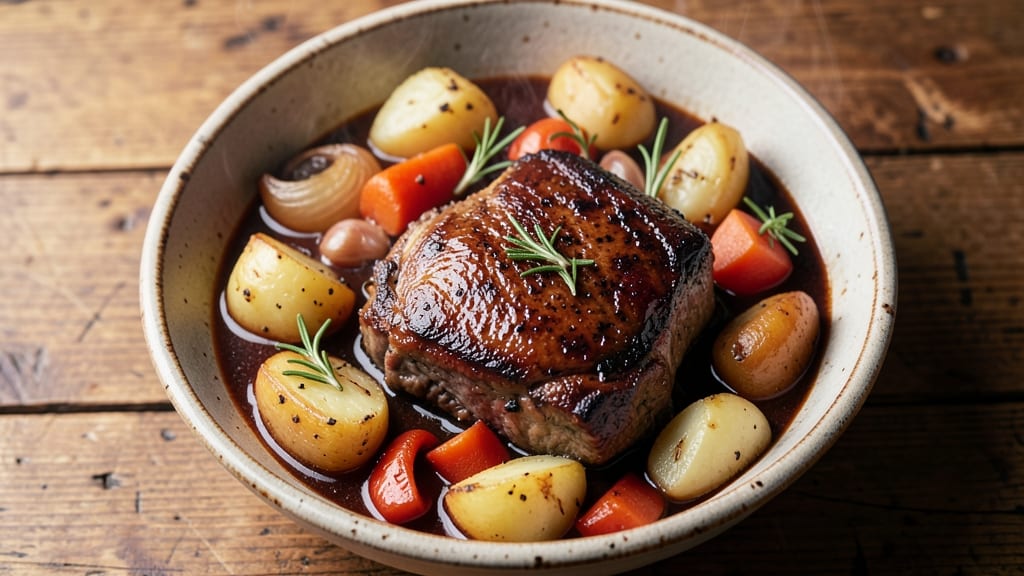
This beat beef stew recipe transforms tough cuts of chuck roast into fork-tender perfection through slow simmering and aromatic layering. The secret lies in browning the beef deeply before adding vegetables and broth, creating a rich, caramelized foundation that builds into a deeply flavorful stew.
Professional chefs rely on this method to develop complex flavors without heavy seasoning—just time and technique.
The process begins with searing the beef in batches to ensure maximum browning, then deglazing the pan to capture those flavorful browned bits.
Vegetables like carrots, onions, and potatoes absorb the deep, meaty essence of the broth as they cook, while herbs like thyme and bay leaves infuse subtle earthy notes. This slow-cooked richness comes together in just a few hours, making it ideal for busy weeknights or weekend entertaining.
What you’ll end up with is a velvety stew where the beef melts off the bone, coated in a sauce that’s both hearty and balanced. The aroma alone will have everyone anticipating dinner, and the texture—tender meat with perfectly softened vegetables—delivers on every promise.
This isn’t just comfort food; it’s a restaurant-quality dish you can make at home.
Whether you’re using a traditional pot on the stove, a slow cooker, or even an Instant Pot, this recipe adapts seamlessly. The variations—adding red wine for depth, tomato paste for brightness, or a splash of brandy for warmth—let you customize it to your taste.
Here’s how to make it perfectly every time.
Ingredients for beat beef stew
Sixteen essential ingredients transform chuck roast into restaurant-quality stew through slow-cooked technique and aromatic layering.
| Ingredient | Amount | Notes |
|---|---|---|
| Chuck Roast 🥩 | 3 lb | Pre-cut into 1.5-inch cubes |
| Yellow Onions 🧅 | 2 whole | Cut into 1-inch chunks |
| Carrots 🥕 | 4 whole | Medium size, peeled and chopped |
| Russet Potatoes 🥔 | 3 lb | Cut into 2-inch chunks |
| Garlic Cloves 🧄 | 6 cloves | Minced for depth of flavor |
| Beef Broth 💧 | 4 cups | Low-sodium preferred |
| Red Wine 🍷 | 1 cup | Bold variety like Cabernet |
| Tomato Paste 🍅 | 2 tbsp | For concentrated richness |
| Fresh Thyme 🌿 | 2 tbsp | Leaves only, chopped |
| Bay Leaves 🍃 | 2 whole | Remove before serving |
| Olive Oil 🫒 | 2 tbsp | Extra-virgin for searing |
| All-Purpose Flour 🌾 | 2 tbsp | For browning beef |
| Salt 🧂 | 1 ½ tsp | Diamond Crystal preferred |
| Black Pepper 🌶️ | 1 tsp | Freshly ground for heat |
| Brandy 🍷 | 1 tbsp | Optional for depth (optional) |
The chuck roast is the foundation—look for well-marbled cuts at your butcher or Costco for the best texture. Pre-cut cubes save time, but if buying whole, ask for 1.5-inch pieces for even cooking. The beef broth should be low-sodium—Kitchen Basics or Pacific Foods brands are reliable. For the wine, any bold red like Cabernet or Merlot works; Trader Joe's often has affordable options. Fresh thyme is ideal, but dried works at one-third the amount if needed. The potatoes should be Russet or Yukon Gold—starchy varieties break down beautifully during slow cooking.
No red wine? Substitute extra beef broth with 1 tbsp balsamic vinegar for depth. Short on brandy? Dark rum or even a splash of soy sauce adds complexity. The tomato paste can be replaced with 1 cup crushed tomatoes if preferred, though it will dilute the sauce slightly. For a vegetarian twist, swap the beef for mushroom chunks and lentils. The flour is crucial for browning—King Arthur or Gold Medal brands work best. If you prefer less oil, reduce to 1 tbsp but don't skip it entirely—the Maillard reaction creates the stew's rich foundation.
This stew tastes even better the next day as flavors meld. Store in an airtight container in the fridge for up to 5 days or freeze for 3 months. For reheating, use low heat on the stove or microwave in 30-second bursts to avoid drying. The bay leaves should be removed before serving, but don't discard them—they infuse the broth with subtle aroma. Double the batch and freeze half; it's perfect for lazy weeknights. The leftovers reheat beautifully, making it an ideal make-ahead dish for gatherings.
Why You'll Love This Recipe
- One-Pot Magic: I swear by this—just dump everything in one pot, walk away, and come back to actual dinner. No chopping boards, no extra pans, no stress. The onions caramelize right there while the chuck roast melts into tender perfection.
- Garlic Bomb: Between us, this isn’t your average stew. The garlic cloves get crushed and roasted until they’re sweet and sticky, then simmered into the broth until every bite tastes like a hug. The potatoes soak up that flavor like sponges—crispy outside, buttery inside.
- Leftovers That Win: I make this on Sundays because it begs to be reheated. The flavors only get deeper overnight, and it’s the kind of dish that disappears faster than I can say “second round.” Pack it for lunch or freeze half—no one will guess it’s the same meal.
- Budget Hero: Chuck roast is cheap, potatoes are cheap, and this recipe stretches into days of meals. I’ve fed six people for under $15, and somehow, it still feels like a restaurant-quality dinner. Plus, the carrots add color without breaking the bank.
Step-by-step instructions for slow-cooked beef stew
Master this classic technique for a stew so rich it develops deep flavor while you work.
Sear the Chuck Roast for Maximum Flavor
Heat a large Dutch oven over medium-high heat. Add the 2 tablespoons olive oil and let it shimmer for 30 seconds. Pat the 3 lb chuck roast dry with paper towels—this ensures a proper sear. Working in batches if needed, brown the beef on all sides until deeply golden, about 5-6 minutes per side. The goal is to develop a rich, caramelized crust that will dissolve into the stew later.
Remove the beef and set it aside. You'll notice the bottom of the pot has browned bits—this is called fond, and it's packed with flavor. Don't scrape it out yet; we'll deglaze it in the next step. The beef should be a deep golden brown, not blackened, and should release easily from the pan when ready to flip.
Build the Flavor Base with Aromatics
Return the Dutch oven to medium heat. Add the 2 whole yellow onions and 4 whole carrots, cutting them into even 1-inch chunks as you go. Cook for 5-6 minutes until softened and beginning to caramelize. This process develops natural sweetness that will carry through the entire stew.
Stir in the 6 cloves minced garlic, 2 tablespoons tomato paste, and 2 tablespoons fresh thyme. Cook for 1 minute until fragrant—this is where the foundational flavors meld together. Sprinkle in the 2 tablespoons all-purpose flour, stirring constantly for 30 seconds to create a light roux that will help thicken the stew. The mixture should smell rich and earthy, with notes of caramel and herbs.
Deglaze and Simmer the Stew
Pour in the 1 cup red wine, scraping up all those flavorful browned bits from the bottom of the pot. Let it simmer for 2-3 minutes until reduced by half. This step concentrates the alcohol flavors and creates a glossy, flavorful base. Add the 4 cups beef broth, 1.5 teaspoons salt, and 1 teaspoon black pepper, stirring to combine. Bring to a gentle boil, then reduce heat to low.
Return the seared beef to the pot along with the 2 whole bay leaves. Partially cover and simmer for 1 hour, stirring occasionally. This initial simmer allows the beef to tenderize while developing its deep, beefy flavor. You'll know it's ready when the beef begins to pull away from the bone slightly when pressed with a fork.
Add Potatoes and Finish Cooking
Cut the 3 lb russet potatoes into 2-inch chunks and add them to the stew. If using the 1 tablespoon brandy, add it now—it will burn off quickly, adding a subtle depth of flavor. Stir gently to distribute the potatoes evenly throughout the stew. Return to a simmer and cook uncovered for 1.5 to 2 hours, until the potatoes are fork-tender and the beef is falling apart easily.
The stew should have a rich, velvety consistency with just enough liquid to coat the ingredients. Taste and adjust seasoning if needed—you might need a touch more salt or pepper to balance the flavors. Remove the bay leaves before serving, as they can be bitter if consumed.
Rest and Serve for Optimal Texture
Let the stew rest for 15-20 minutes before serving. This resting period allows the flavors to fully meld and the juices to redistribute throughout the stew, ensuring each bite is rich and flavorful. Ladle the stew into bowls, garnishing with additional fresh thyme if desired. Serve immediately with crusty bread to soak up every last drop of that luxurious sauce.
The perfect beef stew should have tender beef that nearly falls apart with a fork, potatoes that are soft but still hold their shape, and a sauce that's rich yet not overly thick. Each spoonful should deliver layers of beefy depth, caramelized aromatics, and a touch of herbal brightness from the thyme.
Pro Tips For Making Beat Beef Stew
- CRANK THE HEAT FIRST: Sear the chuck roast in a dry pot over medium-high heat until it’s deep brown—this locks in flavor better than a slow start. I used to rush this, and the stew tasted bland; now I give it 5 minutes per side, no excuses.
- CHOP ONIONS IN HALVES: Cut yellow onions into thick wedges (not slices) so they caramelize instead of turning to mush. Thin slices disappear fast, and you’ll end up with a watery stew instead of rich, sweet chunks.
- ADD POTATOES LAST: Toss potatoes in the stew only in the final 20 minutes or they’ll turn to glue. I learned this the hard way—overcooked spuds ruin the texture, and you’ll be left with a sad, mushy mess.
- USE WHOLE GARLIC CLOVES: Smash them with the flat side of a knife instead of mincing—this infuses flavor without burning. Mincing garlic burns fast, and you’ll end up with a bitter, acrid taste that kills the stew’s depth.
Storing and reheating this dish
Refrigerator Storage
Let your stew cool to room temperature for no more than 2 hours before transferring to airtight containers—I prefer glass Pyrex with tight-sealing lids. Store it in the fridge at 40°F or below for up to 5 days. The flavors actually deepen overnight as the beef and vegetables continue to meld together. Just
Freezer Prep Tips
For long-term storage, portion the stew into quart-sized freezer bags or airtight containers, leaving 1-inch headspace to prevent ice crystals. Label each container with the date—this stew keeps its quality for up to 3 months. I like to freeze it in individual portions so I can thaw just what I need. When freezing, avoid adding extra liquid—it dilutes the rich sauce when reheated. ❄️
Stovetop Reheating
My preferred method for reheating is on the stove because it preserves the stew's velvety texture. Transfer the desired portion to a pot and heat over medium-low heat for 10-15 minutes, stirring occasionally. If the stew looks too thick, add 2-3 tablespoons beef broth to restore moisture.
Taste and adjust seasoning—it often needs a pinch more salt after reheating. The low heat prevents the sauce from breaking or the beef from drying out. 🔥
Microwave Method
For quick reheating, transfer the stew to a microwave-safe bowl and cover loosely with a microwave-safe lid or damp paper towel. Heat on 50% power in 2-minute intervals, stirring between each interval, until reaching 165°F internal temperature.
This gentle approach prevents the sauce from separating. If the stew seems too thick, add a splash of warm water or broth to loosen it up. Stir well before serving. 💫
Slow Cooker Revival
If you have leftovers, a slow cooker can transform them into a new meal. Add ½ cup beef broth to the stew and cook on low heat for 2-3 hours. This method gently reheats the stew while allowing flavors to meld again.
It's perfect for turning last night's dinner into tomorrow's lunch. The slow cooker keeps the texture tender and the sauce rich. 🍲
Serving Suggestions
Serve the reheated stew with crusty bread or buttery dinner rolls to soak up every last drop of that flavorful sauce. For extra warmth, sprinkle with fresh parsley or a drizzle of crème fraîche.
If the stew has thickened too much after reheating, serve it over mashed potatoes or egg noodles to balance the texture. The contrast makes each bite even more satisfying. 🥖
Nutrition facts
Frequently asked questions about rich beef stew
Why does the recipe call for browning the beef in batches?
Browning beef in batches prevents overcrowding, which steams the meat instead of searing it. This step creates a deep, caramelized crust called the Maillard reaction that dissolves into the stew, adding unmatched richness. Overcrowding leads to uneven cooking and a less flavorful result.
Can I substitute chuck roast with another beef cut?
Yes, but choose cuts with similar marbling and fat content. Brisket or short ribs work well—they stay tender during long cooking. Avoid lean cuts like sirloin, which dry out. For extra tenderness, add 1 tablespoon Worcestershire sauce or 1 bay leaf to the broth.
How do I know when the stew is done?
The beef should be fork-tender and nearly falling apart when pressed. Potatoes should be soft but not mushy. Taste the broth—it should be deeply flavorful, not bland. If the sauce is too thin, simmer uncovered for 10-15 minutes to reduce it. The ideal texture is velvety with just enough liquid to coat ingredients.
What if I don't have red wine? Can I still make this stew?
Replace the wine with 1 cup beef broth + 1 tbsp balsamic vinegar for depth. For a different flavor profile, try 1 cup tomato juice + 1 tsp smoked paprika. The key is balancing acidity—never skip the deglazing step, as those browned bits are essential for flavor.
Can I make this stew in a slow cooker or Instant Pot?
Yes! For a slow cooker, brown the beef first, then add all ingredients and cook on low for 7-8 hours or high for 4-5 hours. For an Instant Pot, sear the beef, then cook on high pressure for 45 minutes followed by a 10-minute natural release. Both methods work beautifully—just adjust cooking times to your appliance.