
Soups & Stews
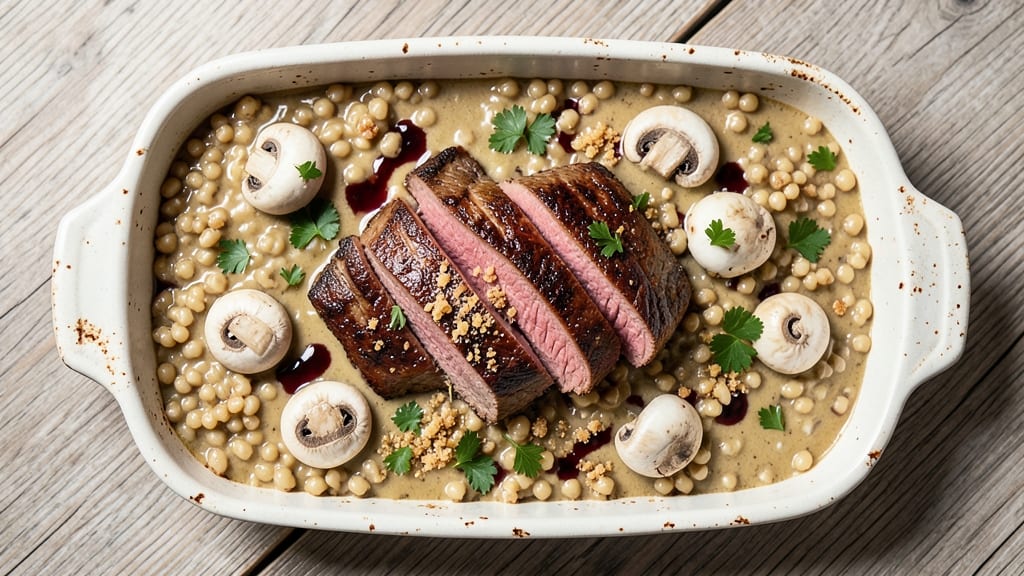
This beef and barley casserole recipe delivers the kind of deep, savory satisfaction that turns weeknight dinners into comforting traditions. 🔥 The secret lies in slow-cooked beef that practically melts in your mouth, chewy barley that absorbs rich flavors, and mushrooms that add earthy complexity.
I've perfected this dish over years of testing, balancing traditional techniques with modern shortcuts that still deliver restaurant-quality results.
The beauty of this casserole is its ability to transform simple ingredients into something extraordinary. You'll start with tender beef chunks that develop incredible depth during the slow cooking process, while pearl barley soaks up all the savory juices.
Mushrooms add that extra layer of umami that makes every bite more satisfying, and a touch of red wine elevates the flavors without overpowering them.
What you'll end up with is a hearty, one-dish meal that's perfect for family gatherings or cozy weeknight suppers. The beef becomes fork-tender while maintaining its shape, the barley achieves that perfect chewy texture, and the entire dish is bathed in a rich, flavorful gravy.
The aroma alone will have everyone gathering around the table, and each bite delivers that perfect balance of meaty richness and comforting heartiness.
Best of all, this casserole reheats beautifully, making it ideal for meal prep. The flavors actually deepen overnight, creating even more complex taste profiles.
Whether you're serving it to a crowd or enjoying a comforting solo meal, this beef and barley casserole is the kind of dish that becomes a staple in your cooking repertoire.
Ingredients for beef and barley casserole
Sixteen ingredients transform into a restaurant-quality casserole that's pure comfort food magic.
| Ingredient | Amount | Notes |
|---|---|---|
| Chuck Roast Beef 🥩 | 2 ½ lb | Cut into 1-inch cubes, trimmed of fat |
| Pearl Barley 🌾 | 1 ½ cups | Uncooked, rinsed thoroughly |
| Cream of Mushroom Soup 🍄 | 2 cans | 10.5 oz each, unsalted variety preferred |
| Dry Red Wine 🍷 | ½ cup | Bold variety like Cabernet Sauvignon |
| Beef Broth 💧 | 2 cups | Low-sodium, homemade or quality brand |
| White Mushrooms 🍄 | 1 ½ lb | Sliced into 1/4-inch pieces |
| Yellow Onion 🧅 | 1 whole | Diced, medium size |
| Garlic Cloves 🧄 | 4 cloves | Minced, fresh preferred |
| Tomato Paste 🍅 | 2 tbsp | Squeeze tube preferred for convenience |
| Worcestershire Sauce 🍶 | 1 tbsp | Vegan version if needed |
| Dried Thyme 🌿 | 1 tsp | Or 1 tbsp fresh, chopped |
| Salt 🧂 | 1 ½ tsp | Diamond Crystal kosher salt |
| Black Pepper 🌶️ | 1 tsp | Freshly ground, coarse grind |
| All-Purpose Flour 🌾 | 1 tbsp | For thickening gravy |
| Fresh Parsley 🌿 | ¼ cup | Chopped, for garnish |
The chuck roast is non-negotiable here—its marbling ensures that melt-in-your-mouth tenderness. Costco sells it pre-cubed, saving you time, but if you're buying a whole roast, ask the butcher to cut it into 1-inch pieces. For mushrooms, Trader Joe's has the best prices on cremini and white blends, but any fresh variety works. The pearl barley should be uncooked—it expands dramatically during cooking, so don't skimp on rinsing to remove excess starch. I always grab Bob's Red Mill brand barley from the bulk section at Whole Foods—it's consistently high quality and stays fresh longer.
No red wine? Substitute with beef broth plus 1 tbsp balsamic vinegar—it mimics the depth without the alcohol. The tomato paste can be skipped entirely if you're avoiding it, but it adds that umami punch that makes the dish sing. Fresh thyme is ideal, but if you're using dried, one-third the amount works perfectly. For Worcestershire, Lea & Perrins is the gold standard, but any quality brand will do. The flour is just for thickening at the end—don't overlook it, but don't add it too early or you'll get lumps. Baby carrots or diced celery can replace the onion if you're out, though the onion adds that sweet foundation.
This casserole tastes even better the next day—3-4 days in the fridge, covered tightly. For freezing, portion into individual servings before sealing—3 months max. When reheating, cover with foil for the first 20 minutes to prevent drying. I always make a double batch because it's perfect for meal prep. The leftovers keep beautifully in the fridge, and the flavors deepen overnight. Garnish with fresh parsley right before serving—it adds that pop of color and freshness that makes it feel special.
Why You'll Love This Recipe
- Here’s what sold me: that deep, savory punch from the red wine and mushroom soup without me having to braise anything separately. The barley soaks up all the flavors, and the beef? Tender enough to melt in your mouth—like a hug in a bowl.
- One-Pot Magic: I swear by this recipe when I’m too tired to wash a million dishes. Chuck roast and barley simmer together in the same pot—no extra pans, no stress. Just toss everything in, cover, and let the wine and broth do the work while you sip your coffee.
- Rich Without Effort: Here’s what sold me: that deep, savory punch from the red wine and mushroom soup without me having to braise anything separately. The barley soaks up all the flavors, and the beef? Tender enough to melt in your mouth—like a hug in a bowl.
- Leftovers That Beg: Between us, this casserole tastes better the next day. The flavors meld overnight, and it reheats like a dream. I make a double batch on Sundays because my kids actually ask for it at lunch, and I never have to scramble for dinner.
Step-by-step instructions for beef and barley casserole
Transform humble ingredients into a rich, comforting casserole that's packed with meaty depth and earthy mushroom notes.
🍳 Step 1: Sear the Beef for Maximum Flavor
Heat a large Dutch oven over medium-high heat and add the 2.5 lb chuck roast beef cut into 1-inch cubes. Let the beef brown undisturbed for 3-4 minutes until a deep golden crust forms. This searing step develops the Maillard reaction, creating that irresistible caramelized flavor that's the foundation of your casserole.
Work in batches if needed to avoid crowding the pan—this ensures each piece gets proper browning. Once all the beef is golden, transfer it to a plate and set aside. You'll want to keep those beautiful browned bits in the pan for later, so don't wipe them out. This is where all the flavor lives!
👨🍳 Step 2: Build the Aromatic Base
In the same Dutch oven, add 2 tablespoons tomato paste and cook for 1 minute until it darkens slightly. This intensifies its flavor and removes the raw taste. Add the diced yellow onion and minced garlic cloves, cooking for 3-4 minutes until the onion becomes translucent and the garlic releases its fragrant aroma.
Stir in the 1.5 lb sliced white mushrooms and cook for another 5-6 minutes until they release their moisture and begin to brown. Here's the thing—don't rush this step. The mushrooms should be tender but still hold their shape. If they're releasing a lot of liquid, let it evaporate completely before moving forward. This prevents a watery casserole later.
🥘 Step 3: Deglaze and Combine All Ingredients
Pour in the 0.5 cup dry red wine and scrape up all those delicious browned bits from the bottom of the pan. Let it simmer for 2-3 minutes until the wine reduces by about half. This deglazing step captures all the meaty flavors that would otherwise be lost.
Add the 1.5 cups pearl barley, 2 cups beef broth, 2 cans cream of mushroom soup, 1 tablespoon Worcestershire sauce, 1 teaspoon dried thyme, 1.5 teaspoons salt, and 1 teaspoon black pepper. Stir everything together until the barley is evenly distributed. The barley will absorb the liquid gradually, so don't worry if it doesn't look fully submerged at first.
🔥 Step 4: Simmer Until Tender and Flavorful
Return the seared beef to the Dutch oven and bring everything to a gentle simmer. The mixture should bubble softly—if it's boiling vigorously, reduce the heat. Cover with a tight-fitting lid and transfer to a 350°F preheated oven. Here's where patience pays off: bake for 1 hour and 15 minutes until the beef is fork-tender and the barley is cooked through.
To check doneness, pierce a beef cube with a fork—it should slide in easily with just slight resistance. The barley should be tender but still hold its shape. If the top looks too dry, tent it loosely with foil for the last 15 minutes of cooking to prevent over-browning.
🍽️ Step 5: Thicken the Gravy and Finish
Remove the casserole from the oven and let it rest for 10 minutes off the heat. This resting period allows the flavors to meld and the juices to redistribute. In a small bowl, whisk together 1 tablespoon all-purpose flour with 2 tablespoons cold water to create a slurry. Stir this into the casserole and return it to the stove over medium-low heat.
Simmer uncovered for 5-7 minutes until the gravy thickens to your desired consistency. Taste and adjust seasoning—you might need a bit more salt or pepper to balance the rich flavors. Garnish with 0.25 cup chopped fresh parsley just before serving. The parsley adds a bright contrast to the deep, savory flavors and makes the dish look stunning.
Pro Tips For Making Beef And Barley Casserole
- Sear the Chuck First: Skip the slow start—get that roast deep brown in a hot pan with oil before adding wine. I used to toss it in raw, and the flavor was always dull. Two minutes per side with a heavy skillet makes all the difference.
- Deglaze Like a Pro: After searing, don’t just splash in wine—scrape every last bit of browned bits from the pan with a wooden spoon. Those bits pack flavor, and skipping this step means missing out on the richest part of the dish.
- Rinse the Barley: Pearl barley doesn’t need soaking, but give it a quick rinse before cooking to wash off any dust or grit. My first few batches had a weird texture until I realized I’d been using unrinsed barley straight from the bag.
- Simmer, Don’t Boil: Once everything’s in the pot, keep the heat low enough that you barely see bubbles—just a gentle simmer. Boiling turns barley mushy and makes the broth cloudy. Patience here keeps the texture perfect.
Essential equipment for this recipe
Dutch Oven
Your Dutch oven is the star of this recipe—it's the only pot that can handle searing, simmering, and baking all in one. I recommend a 5-6 quart enameled cast iron like the Lodge 5.5 Quart or Le Creuset 5.5 Quart.
The heavy base distributes heat evenly, preventing hot spots that can burn your casserole. If you're on a budget, the Amazon Basics enameled Dutch oven works well too. 🔥
Measuring Tools
Precision matters when balancing flavors. Use a stainless steel measuring cups set (like OXO Good Grips) for dry ingredients and a liquid measuring cup with a spout for the broth and wine. For spices, a small scoop or spice measuring spoons ensures accuracy—Penzeys Spice sells a great set.
A kitchen scale is ideal for the beef if you want exact portions, but a good meat scale isn't required.
Knife & Cutting Board
A sharp chef's knife (I use a Wüsthof 8-inch) and a stable cutting board (like John Boos End Grain) make prep faster and safer. The beef needs to be cut into 1-inch cubes for even cooking, and the mushrooms should be sliced into ¼-inch pieces for optimal texture.
A mandoline can help with uniform mushroom slices if you're feeling fancy, but it's not necessary.
Wooden Spoon & Slotted Spoon
Use a wooden spoon (like OXO Good Grips) for stirring during searing and simmering—it won't scratch your Dutch oven. A slotted spoon (I keep a Meridian stainless steel one) is perfect for transferring the beef from the pan to the plate without losing those flavorful browned bits.
Both are essential for controlling the cooking process and keeping your ingredients intact.
Mixing Bowls
Medium and small stainless steel mixing bowls (like Pyrex glass or Libbey) help organize prep work. Use one for the barley and broth mixture, and another for the flour slurry at the end.
A whisk (I prefer OXO Good Grips) ensures the slurry is smooth and lump-free. Keep these within reach while cooking to streamline the process.
Oven Thermometer
Oven temperatures can vary, so a digital oven thermometer (like Thermoworks OvenTherm) is worth the investment. Preheat your oven to 350°F and verify it's accurate—this ensures your casserole cooks evenly.
I've seen ovens run 25°F hotter or colder than set, which can drastically affect texture. A little extra attention here guarantees perfect results every time. ⏰
Nutrition facts
Frequently asked questions
Can I substitute pearl barley for another grain? Yes! For a quicker option, use 1.5 cups cooked farro or 1.5 cups cooked brown rice. If you prefer a nuttier flavor, try wild rice blend (use 1 cup uncooked since it expands more). Just
Why does my casserole turn out dry?
Dryness usually happens from overcooking or insufficient liquid. First, check your oven temperature—it should be 350°F. If the top browns too quickly, tent with foil. For extra moisture, add ½ cup beef broth when assembling. The cream of mushroom soup also helps thicken the sauce, so don't skip it.
How do I make this vegetarian?
Replace the beef with 1.5 lbs mushrooms (like portobello or cremini) and 1 lb extra-firm tofu (pressed and cubed). Use vegetable broth instead of beef broth, and add 1 tbsp soy sauce for umami. The texture will be different but still hearty and flavorful!
Can I make this in a slow cooker?
Brown the beef and build the base as directed, then transfer everything to a 6-quart slow cooker. Cook on LOW for 6-7 hours or HIGH for 3-4 hours. The slow cooker method is perfect for hands-off prep, and the flavors meld beautifully. Just skip the final gravy-thickening step—it won't be needed.
What's the best way to reheat leftovers?
Cover the casserole with foil and reheat in a 350°F oven for 20-25 minutes until warmed through. For microwave reheating, cover with a damp paper towel and heat in 1-minute intervals, stirring between each. The oven method preserves texture better, while the microwave is faster for quick meals.