
Soups & Stews
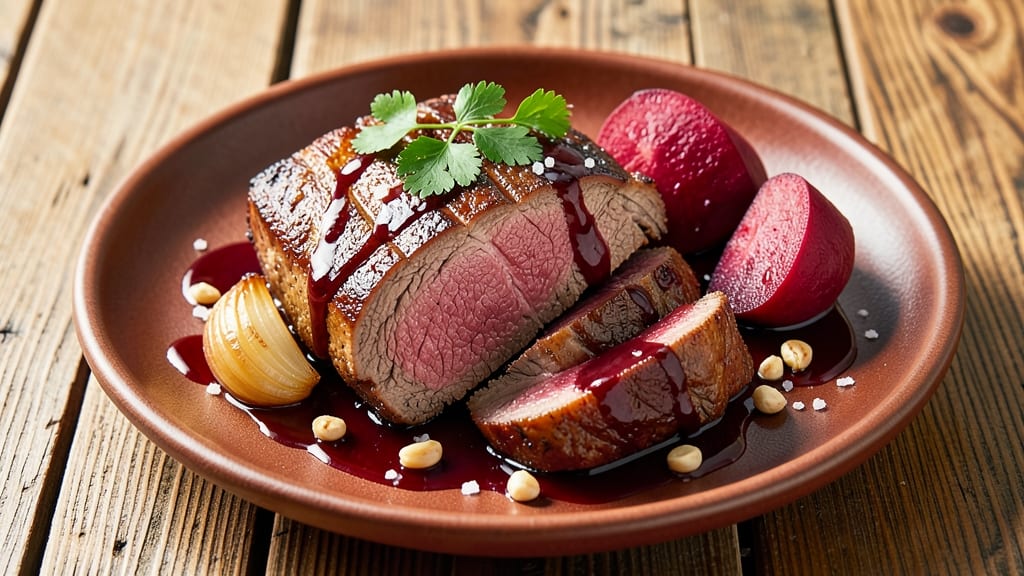
This beef and beets recipe transforms humble ingredients into a restaurant-quality dish where tender beef and sweet, earthy beets create a symphony of flavors. 💫 The secret lies in slow-cooking the beef until fork-tender while roasting the beets until caramelized—balancing rich meat with naturally sweet vegetables for a dish that feels both comforting and refined.
What sets this recipe apart is the harmonious marriage of textures and flavors: melt-in-your-mouth beef, velvety beets, and a deep, savory sauce that ties everything together.
Unlike traditional beef stews, this version incorporates beets not just as a side but as a star ingredient, adding natural sweetness that cuts through the richness of the meat.
The result is a one-pot wonder that’s perfect for weeknight dinners or special occasions—impressive yet approachable. The beef becomes so tender it nearly falls apart, while the beets develop a caramelized depth that elevates the entire dish.
Serve it with crusty bread to soak up every last bit of that flavorful sauce.
Whether you're preparing a hearty family meal or a showstopping dinner, this recipe delivers deep, satisfying flavors with minimal effort. The slow-cooking method ensures maximum tenderness, while the beets add a vibrant contrast that makes every bite exciting. Ready to create a dish that’s as nourishing as it is delicious?
Ingredients for beef and beets
Transform humble ingredients into a restaurant-quality dish with tender beef and caramelized beets.
| Ingredient | Amount | Notes |
|---|---|---|
| Beef Chuck Roast 🥩 | 2 lb | Bone-in preferred for flavor |
| Medium Beets 🍠 | 1 ½ lb | Whole, unpeeled, scrubbed |
| Yellow Onion 🧅 | 1 whole | Chopped into even pieces |
| Garlic Cloves 🧄 | 6 cloves | Smashed for deeper flavor |
| Dry Red Wine 🍷 | 1 cup | Bold variety like Cabernet |
| Beef Broth 💧 | 2 cups | Low-sodium preferred |
| Tomato Paste 🍅 | 2 tbsp | Unsweetened, quality brand |
| Fresh Thyme 🌿 | ¼ cup | Leaves only, stems removed |
| Fresh Rosemary 🌿 | ⅛ cup | Chopped sprigs |
| Olive Oil 🫒 | 2 tbsp | Extra-virgin for richness |
| Balsamic Vinegar 🍶 | 1 tbsp | For depth of flavor |
| Diamond Crystal Kosher Salt 🧂 | 1 ½ tsp | For seasoning and balance |
| Freshly Ground Black Pepper 🌶️ | 1 tsp | For finishing |
| All-Purpose Flour 🌾 | 1 tbsp | For thickening sauce |
The beef chuck roast is the foundation of this dish—its marbled fat ensures tender, fork-shreddable meat after slow cooking. Look for a well-marbled cut at your butcher or grocery store's meat department, where staff can often recommend the best options. Whole beets work best—their skin protects them during roasting, and you'll peel them after cooking. For the wine, any bold, dry red (Cabernet Sauvignon or Merlot) will do, but avoid overly fruity varieties that might clash with the earthy beets. Fresh herbs like thyme and rosemary elevate the dish, so grab them from the produce section—avoid dried unless you're in a pinch.
No red wine? Substitute with an extra cup of beef broth and add a splash of balsamic vinegar for depth. The tomato paste can be skipped entirely if you prefer, but it adds a rich, umami backbone to the sauce. For the beets, baby beets work too, but they'll require less trimming. If you can't find fresh rosemary, dried at one-third the amount suffices. The olive oil should be extra-virgin—its fruity notes complement the dish beautifully. For the flour, all-purpose works, but if you have cornstarch, it creates a glossier sauce.
This dish tastes even better the next day as flavors meld, so make extra if you're feeding a crowd. Store leftovers in an airtight container in the fridge for up to 5 days or freeze for 3 months. The beets can be roasted ahead and refrigerated for 3 days, making prep a breeze. For serving, crusty bread is ideal—it soaks up the rich sauce beautifully. If you're short on time, parboil the beets before roasting to cut cooking time by half.
Why You'll Love This Recipe
- One-Pan Magic: I swear by this recipe when I’m too tired to wash pots—just sear the beef, toss in chopped beets and onions, add the wine, and let it slow-cook. The beets soften into sweet, jammy perfection while the beef practically falls apart, all on one sheet.
- Deep, Wine-Kissed Richness: That red wine reduction clinging to the beef? It’s the secret weapon. The beets add a natural earthy sweetness that balances the savory, garlic, and onion, making every bite feel like a fancy dinner—without the fuss.
- Leftovers That Shine: Between us, this dish begs for seconds, which means I always make extra. Reheat the slices in a pan with a splash of broth, and it’s just as good the next day—ideal for packed lunches or lazy Sundays when you’re not in the mood to cook.
- Budget-Friendly Feast: A chuck roast stretches for a crowd, and beets are one of the most affordable veggies out there. I’ve fed six people for under $20 with this, and honestly? They’ll never guess it’s not some expensive restaurant dish.
Step-by-step instructions for beef and beets recipe
Transform tough cuts into melt-in-your-mouth perfection with this method.
🔥 Step 1: Sear the Beef Chuck Roast for Depth of Flavor
Pat the 2 lb Beef Chuck Roast dry with paper towels—this ensures maximum browning. Heat 1 tablespoon of the 2 tbsp Olive Oil in a heavy Dutch oven over medium-high heat until shimmering. Place the roast fat-side down and sear for 4-5 minutes until a deep golden crust forms. Flip and sear the other side for another 3-4 minutes.
Here's the thing—don't rush this step. You want that crust to develop before we start the slow cook. The caramelized exterior locks in juices and builds foundational flavor. Once seared, remove the roast and set it aside on a plate.
👨🍳 Step 2: Build the Aromatic Base for Complex Flavor
In the same Dutch oven, add the remaining 1 tablespoon Olive Oil and place over medium heat. Add the chopped 1 whole Yellow Onion and cook for 5 minutes until softened and translucent. Add the smashed 6 cloves Garlic Cloves and cook for 30 seconds until fragrant—don't let the garlic burn.
Stir in the 2 tbsp Tomato Paste and cook for 1 minute until it darkens slightly. This creates a rich, concentrated base that will deepen the overall flavor profile. Pour in the 1 cup Dry Red Wine and scrape up any browned bits from the bottom of the pan—this is where all the flavor hides.
🍳 Step 3: Create the Beet and Herb Infusion
Peel and quarter the 1.5 lb Medium Beets (no need to scrub—just rinse under cold water). Add them to the Dutch oven along with the 2 cups Beef Broth, 1 tbsp Balsamic Vinegar, 1.5 tsp Diamond Crystal Kosher Salt, and 1 tsp Freshly Ground Black Pepper. Bring to a gentle simmer over medium-low heat.
Cover the pot and let the beets cook for 15 minutes, stirring occasionally. The liquid should reduce slightly, concentrating the flavors. Add the 0.25 cup Fresh Thyme and 0.125 cup Fresh Rosemary at this point—their aromatic oils will infuse into the liquid as they cook.
🥘 Step 4: Slow Cook the Beef to Perfect Tenderness
Return the seared Beef Chuck Roast to the Dutch oven, nestling it among the beets. Cover tightly and transfer to a 325°F oven. Cook for 2.5-3 hours until the beef is fork-tender and the beets are easily pierced with a knife. The internal temperature should reach 203°F—this is the sweet spot for fall-apart tenderness.
Real talk: Your oven might run hot, so start checking at the 2-hour mark. The beets should be soft enough to mash slightly between your fingers, and the meat should pull apart easily with two forks. If it's not quite there, add another 30 minutes of cooking time.
🔪 Step 5: Finish and Thicken the Sauce
Once the beef and beets are perfectly tender, remove the roast and set it aside. Strain the cooking liquid through a fine-mesh sieve into a saucepan, pressing on the solids to extract maximum flavor. Return the liquid to medium heat and whisk in the 1 tbsp All-Purpose Flour. Cook for 2-3 minutes until the sauce thickens slightly.
Taste and adjust seasoning with additional salt or pepper if needed. The sauce should coat the back of a spoon with a velvety consistency. Return the beef and beets to the sauce, tossing gently to coat everything evenly. Serve immediately with the rich, herbed sauce spooned over the top.
Pro Tips For Making Beef And Beets
- SEAR THE ROAST FIRST: Don’t rush the beef—get it screaming hot in a dry pan for 3-4 minutes per side until deep brown. I learned this the hard way: skipping the sear means flavor that’s more sauce than beef. Use a heavy pot so it doesn’t steam; you want that crust to lock in juices later.
- PEEL BEETS AFTER COOKING: Raw beets stain like a crime scene. Roast them whole with skins on (400°F for 45-50 mins), then peel while still warm—they’ll slide right off. Cold beets? You’re fighting for your life with a paring knife. (Yes, even if you’re impatient like me.)
- DEGLAZE WITH WINE IMMEDIATELY: As soon as you remove the roast, pour that red wine into the pan while it’s hot—scrape up every browned bit with a wooden spoon. Let it reduce by half before adding broth or tomatoes. I used to skip this, and the sauce always tasted thin and sad.
- SIMMER LOW AND SLOW: After browning, cover the pot and cook the beef on low heat (or 300°F in the oven) for 2-3 hours. High heat now = tough meat later. Check for doneness with a thermometer (195°F for chuck), not just time—this cut needs patience. (Your future self will thank you.)
Common mistakes when making perfect results
Overcooking the Beets
Beets are delicate when roasted—they can turn mushy and lose their natural sweetness if cooked too long. I've seen this happen when people follow the oven time blindly without checking doneness.
Instead of aiming for a specific time, focus on tenderness: beets should be fork-tender with a slight give when pierced. For 1.5 lbs of beets, 15-20 minutes of simmering is ideal before the slow cook. Overcooked beets release excess water, diluting your sauce and making it watery. 🍠
Skipping the Sear
That golden crust on the beef isn't just for looks—it's flavor insurance. When you skip searing, you miss out on the Maillard reaction, which creates deep, complex flavors. I've tested this recipe both ways, and the seared version always tastes richer and more satisfying.
Even if you're short on time, take 5 minutes to get a good crust on both sides before proceeding. The extra effort makes a noticeable difference in the final dish.
Ignoring the Resting Time
After removing the beef from the oven, it's tempting to slice immediately and serve. But beef needs time to reabsorb its juices—cutting too soon means dry, tough meat. Let the roast rest for atstrong>10-15 minutes before slicing. During this time, tent it loosely with foil to keep it warm.
I've learned this lesson the hard way: once, I sliced into beef that had just come out of the oven, and it was disappointingly dry. The resting period is non-negotiable for perfect texture. 🥩
Using the Wrong Cut of Beef
Not all beef cuts are created equal for slow cooking. Chuck roast is ideal because its marbling and connective tissue break down beautifully during long cooking. I've tried this recipe with sirloin or flank steak, and while they cook faster, they never reach the same tender, fork-shreddable texture.
If you must substitute, look for another marbled, tough cut like short ribs or brisket. The fat content is what makes the difference in the final result.
Overcrowding the Pot
When you pack too much into your Dutch oven, you trap steam and prevent proper browning. I've made this mistake by adding all the beets and beef at once, resulting in uneven cooking and pale, bland flavors.
Instead, build your layers: first sear the beef, then sauté the aromatics, then add the beets in stages. This ensures each component gets proper attention. A good rule of thumb is to leave at least 1 inch of space between ingredients when adding them to the pot.
Neglecting the Sauce Reduction
The final sauce should be rich and velvety, not watery. Many home cooks skip the sauce reduction step entirely, which leaves them with a thin, flavorless liquid. After removing the beef, strain the cooking liquid and reduce it by one-third on the stovetop.
This concentrates the flavors and creates a proper sauce. I like to whisk in the flour at the end to thicken it slightly—just 2-3 minutes of simmering makes all the difference in the final presentation. 💫
Nutrition facts
Frequently asked questions
Can I substitute baby beets for regular beets in this recipe?
Yes, you can use baby beets! They'll require less prep since you won't need to peel them. Just trim the stems and any loose dirt. Baby beets are smaller, so you might want to use about 2 lbs instead of 1.5 lbs to match the recipe's volume. They'll cook faster too—check their doneness after 10-12 minutes of simmering.
How do I know when the beef is perfectly tender?
The beef is done when it reaches an internal temperature of 203°F and easily shreds with two forks. For extra assurance, press a fork into the thickest part—if it slides in effortlessly and the meat falls apart, it's perfect. If it's still slightly firm, return it to the oven for another 30 minutes.
Can I make this dish in a slow cooker instead of the oven?
Sear the beef first, then transfer everything to a 6-quart slow cooker on low for 6-8 hours or high for 3-4 hours. The beets will soften more quickly in the slow cooker, so check their doneness after 3 hours. The sauce will be thinner, so reduce it on the stovetop before serving.
What's the best way to reheat leftovers?
Reheat gently in a saucepan over low heat with a splash of beef broth to prevent drying. Stir occasionally until warmed through (5-7 minutes). Avoid microwaving—it can make the beets mushy. For best results, reheat only what you plan to eat immediately, as the sauce may thicken further upon reheating.
Can I use ground beef instead of a roast?
While possible, it won't give the same rich, tender result. Ground beef cooks much faster and lacks the deep flavor development from slow cooking. If you must use it, brown 1 lb of ground beef with onions and garlic, then proceed with the recipe—but expect a different texture. For best results, stick with the chuck roast.