
Soups & Stews
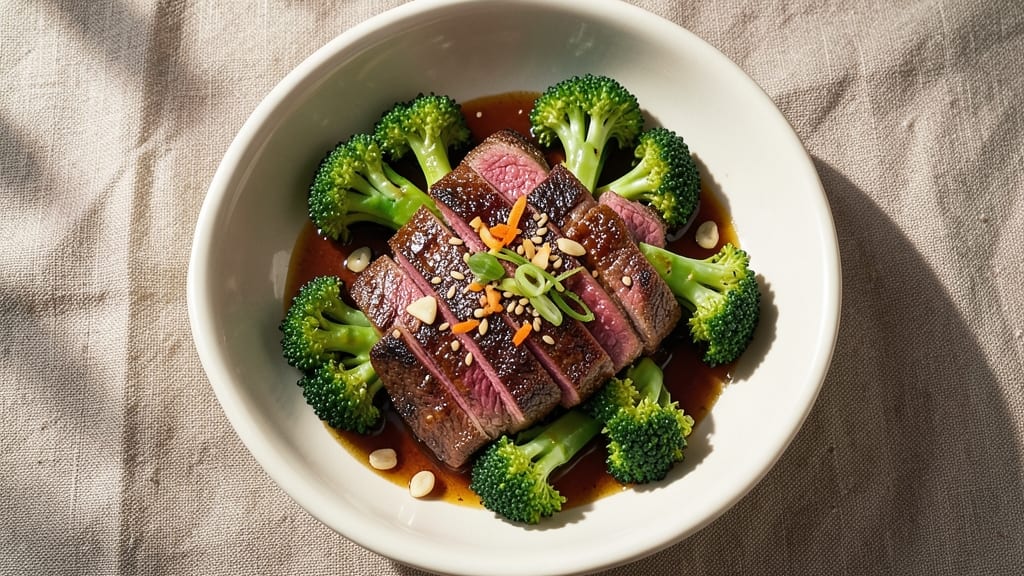
This beef and broccoli hoisin recipe delivers restaurant-quality wok-fired flavor with tender beef, crisp-tender broccoli, and a glossy hoisin glaze that ties everything together.
The secret lies in high-heat stir-frying to lock in beef juices while creating that signature caramelized crust, then finishing with a silky sauce that coats every bite. I've perfected this technique over years of testing—no shortcuts, just bold umami and perfect texture.
What sets this recipe apart is the balance: perfectly sliced beef that stays juicy through cooking, broccoli that achieves that coveted "crunch" without turning mushy, and a hoisin sauce that's neither too sweet nor too salty.
The wok technique ensures maximum flavor development in just 15 minutes, making it ideal for weeknight dinners when you crave something restaurant-worthy without the wait.
By the time you plate it—steaming rice or noodles as the base, beef and broccoli arranged artfully on top, and that glossy hoisin drizzled generously—you'll have a dish that's visually stunning and packed with layers of flavor.
The beef remains tender yet develops a subtle char, while the broccoli offers satisfying crunch, all unified by the sticky-sweet hoisin that clings to every component.
The beauty of this recipe extends beyond the main dish. Leftovers reheat beautifully, making it perfect for meal prep, and the sauce can be adjusted to suit your preference—more ginger for heat, extra soy for depth, or a touch of sesame oil for aroma.
Serve with jasmine rice or steamed noodles to soak up every last drop of that flavorful sauce.
Ingredients for beef and broccoli hoisin
Here's everything you need to recreate that perfect wok-fired balance of tender beef, crisp broccoli, and glossy hoisin sauce.
| Ingredient | Amount | Notes |
|---|---|---|
| Flank Steak 🥩 | 1 lb | Thinly sliced against grain |
| Broccoli Florets 🥦 | 2 cups | Medium size, cut into bite-sized pieces |
| Hoisin Sauce 🍶 | ½ cup | Store-bought or homemade |
| Sesame Oil 🫒 | 1 tbsp | Toasted for aroma |
| Garlic Cloves 🧄 | 4 cloves | Minced for sauce |
| Fresh Ginger 🌿 | 1 tbsp | Grated, finely |
| Soy Sauce 🍶 | 2 tbsp | Light or dark |
| Oyster Sauce 🍶 | 1 tbsp | For depth of flavor |
| Brown Sugar 🍚 | 1 tbsp | Packed, for balance |
| Cornstarch 🌾 | 1 tbsp | For sauce thickening |
| Vegetable Oil 🫒 | 2 tbsp | High smoke point |
| Sesame Seeds 🌾 | 1 tsp | Toasted for garnish |
| Green Onions 🧅 | 2 whole | Sliced, for garnish |
| Salt 🧂 | 1 tsp | Kosher or sea salt |
| Black Pepper 🌶️ | ½ tsp | Freshly ground |
The flank steak is non-negotiable here—it needs to be thinly sliced against the grain for that signature tender bite. Ask your butcher to slice it thin if you're not comfortable doing it yourself. For the broccoli, freshness matters: look for bright green florets with tight buds—those sad, yellowing ones at the back of the grocery store won't cut it. The hoisin sauce can be store-bought (like Lee Kum Kee), but if you're ambitious, making your own lets you control the sweetness level. I always grab extra ginger at Whole Foods—their organic root keeps longer and tastes fresher.
No hoisin sauce? Mix 2 tbsp soy sauce, 1 tbsp oyster sauce, 1 tbsp brown sugar, and 1 tsp rice vinegar—it's not identical but works in a pinch. Fresh ginger too expensive? Substitute 1 tsp ground ginger, but you'll lose that bright, zesty kick. The sesame oil is where the aroma comes from—don't skimp on the toasted kind. For the sauce thickening, arrowroot powder works too at the same amount. And if you're prepping ahead, slice the beef and store it in the fridge for up to 2 days—just pat it dry before cooking.
This dish reheats beautifully—just add a splash of water or broth to the pan and stir-fry for 2-3 minutes. Keeps for 3-4 days in the fridge, though I recommend making it fresh for the best texture. For meal prep, portion the sauce separately—it thickens when chilled. The broccoli will get soggy if stored with the beef, so keep it wrapped in a damp paper towel. Freezes for 2 months if you're planning ahead, but the texture changes slightly after thawing.
Why You'll Love This Recipe
- Minimal Ingredient Swap: I swear by this recipe because it’s the kind of dish where you can throw in what you have. No fancy marinades or last-minute grocery runs—just flank steak, broccoli, and hoisin. That sticky-sweet sauce does all the heavy lifting, so if I’m out of garlic powder, a quick minced clove in the pan still makes it sing.
- One-Pan Wonder: Between us, I’ve made this on a weeknight when I didn’t even want to wash another dish. Sear the steak, toss in the broccoli, dump the hoisin, and let it all caramelize together. One sheet pan, one spatula, done. The broccoli gets that perfect crisp-tender bite while the beef stays juicy—no flipping or fussing required.
- Hoisin Magic: Honestly, the hoisin is what makes this dish. That deep, fermented umami with just a hint of smokiness? It clings to the beef like a flavor hug, and the sesame oil at the end? Instantly turns "dinner" into "I need more." It’s the kind of taste that lingers, and my kids will fight over the last bite.
- Leftovers That Don’t Suck: I make this twice a month because it’s one of the few dishes that actually improves the next day. The beef gets even more tender, the sauce thickens into a glossy glaze, and reheating it in a skillet with a splash of water? You’d never know it was made yesterday. Plus, it’s cheap enough that I can stretch it across lunches without guilt.
Step-by-step instructions for wok-fired beef and broccoli
Mastering this dish comes down to precise timing and high heat. Here's how to achieve that signature umami crunch and silky hoisin glaze.
Prep and Marinate the Flank Steak
Slice the 1 lb flank steak thinly against the grain into ¼-inch strips. This creates tender bite-sized pieces that cook quickly. Place the sliced steak in a bowl and add 2 tbsp soy sauce, 1 tbsp oyster sauce, 1 tbsp brown sugar, 1 tsp salt, and ½ tsp black pepper. Mix well to coat evenly, then let it marinate for at least 15 minutes—this ensures maximum flavor penetration and tender texture.
While the steak marinates, prepare the broccoli by cutting the 2 cups broccoli florets into bite-sized pieces. Set aside—you'll cook them separately to maintain their vibrant color and crisp texture. The key here is not to overcrowd your wok later, so keeping components separate prevents steaming instead of searing.
Build the Hoisin Sauce Base
In a small bowl, whisk together the ½ cup hoisin sauce, 1 tbsp cornstarch, and 1 tbsp sesame oil. This mixture will create your signature glossy sauce. Set it aside temporarily—you'll finish it after cooking the vegetables. The cornstarch acts as a natural thickener that develops fully when heated.
In the same bowl, add the 4 minced garlic cloves and 1 tbsp finely grated fresh ginger. Mix lightly—these aromatics will infuse the sauce with depth of flavor. Here's the thing: fresh ginger should be grated finely enough to disappear into the sauce completely. If you see visible pieces, grate it a bit longer for maximum flavor extraction.
Wok-Fry the Broccoli
Heat a wok or large skillet over high heat until it's smoking hot. Add 2 tbsp vegetable oil and swirl to coat the surface evenly. Add the 2 cups broccoli florets in a single layer, stirring constantly for 2-3 minutes until they turn a vibrant bright green and develop a slight char on the edges.
Don't overcrowd the pan—this is where most home cooks go wrong. If you need to work in batches, cook the broccoli in 1-minute intervals until all pieces are perfectly tender-crisp. Remove the broccoli to a plate and set aside. The residual heat will keep it warm while you cook the steak. This step creates that essential wok-hei (breath of the wok) that defines authentic stir-fry texture.
Sear the Marinated Steak
Working quickly, add the marinated steak strips to the same wok in a single layer. Let them sear undisturbed for 1-2 minutes until they develop a deep caramelized crust on the bottom. This Maillard reaction creates the rich umami flavor that makes this dish so addictive.
Stir the steak vigorously for 30-45 seconds until it's 85% cooked—it should still have a slight pink center. The high heat and quick cooking time prevent the steak from becoming tough. Remove the steak to a clean plate and set aside. Don't be tempted to cook it all the way through here; the residual heat from the wok will finish it perfectly when combined with the sauce.
Finish the Sauce and Combine
Return the wok to high heat and add the reserved hoisin-garlic-ginger mixture. Stir constantly for 1-2 minutes until the sauce thickens and becomes glossy. If it's too thick, add 1-2 tablespoons of water to reach your desired consistency. The sauce should coat the back of a spoon smoothly.
Add the cooked steak and broccoli back to the wok, tossing everything together for 30-45 seconds until everything is evenly coated with the sauce. The residual heat will finish cooking the steak perfectly while maintaining its tenderness. Garnish with 1 tsp toasted sesame seeds and 2 sliced green onions for freshness and visual appeal. Serve immediately while the wok-hei flavor is at its peak.
Pro Tips For Making Beef And Broccoli Hoisin
- Slice Against the Grain: Flank steak’s fibers run long—cutting perpendicular to them turns chewy meat into tender strips. Use a sharp knife and slice after resting, not before, or you’ll end up with tough, frayed edges.
- Blanch Broccoli First: Toss florets in boiling water for 30 seconds, then ice bath. This stops the cooking process so they stay crisp when tossed with the beef later—no more soggy, overdone broccoli ruining the dish.
- Don’t Rush the Hoisin: Thin your hoisin with a splash of water or rice vinegar (about 1 tablespoon) if it’s too thick. Stirring in cold sauce at the end cools the beef too much—heat the sauce first, then add it to the pan.
- High Heat, Then Low: Sear the steak over max heat for 1-2 minutes per side until deeply browned—this builds flavor. Drop the heat to medium-low to finish cooking; high heat all the way through turns the beef into shoe leather.
Regional styles of this recipe
Chinese-American Classic
This dish originated as a Chinese-American adaptation of traditional stir-fry techniques, popularized in the mid-20th century by Chinese immigrants in the US. The original version often used flank steak or sirloin cut into thin strips, similar to what we use today.
What makes it distinctly American is the generous use of hoisin sauce—a fermented soybean paste that became widely available through Asian grocery stores in the 1960s. The dish became a staple in Chinese-American restaurants nationwide, especially in cities like New York and San Francisco. 🗺️
Hong Kong-Inspired Twist
In Hong Kong, this dish takes on a slightly different character with a focus on wok-hei (breath of the wok) and a more delicate balance of flavors.
The local version often includes dried shrimp or wood ear mushrooms for added umami depth, and the hoisin sauce is sometimes reduced with a splash of Shaoxing wine. The broccoli is often replaced with bok choy or Chinese broccoli for a more authentic touch.
The cooking time is shorter—just 5-7 minutes total—emphasizing quick, high-heat searing.
Taiwanese Street Food
Taiwanese street vendors often serve a spicier, more aromatic version of this dish, incorporating Sichuan peppercorns or chili oil for heat. The hoisin sauce is sometimes mixed with black vinegar for tanginess, and the beef is often pre-marinated with fermented black beans for an extra layer of complexity.
In Taipei night markets, you'll find this dish served with steamed buns or rice noodles instead of plain rice, adding a chewy texture contrast. The key difference is the sauce—Taiwanese versions often include a touch of sesame paste for nutty richness.
Modern Fusion Adaptations
Today, chefs are reimagining this classic with global influences. In California, you'll find versions with avocado slices or quinoa for a health-conscious twist, while New York restaurants often add crispy shallots or truffle oil for a gourmet touch.
Some modern takes even swap beef for mushroom or tofu strips for vegetarian options. The hoisin sauce remains the star, but now it's often blended with maple syrup or gochujang for fusion flavors. The wok technique stays true, though—high heat and quick cooking are non-negotiable for that signature texture. 💫
Regional Sauce Variations
Hoisin sauce itself varies by region, which changes the dish's flavor profile. In Guangdong, hoisin is sweeter and thicker, creating a more syrupy glaze. Meanwhile, Sichuan-style hoisin includes chili paste, giving the dish a subtle heat.
For a Shandong-inspired version, mix hoisin with light soy sauce and a pinch of star anise for aromatic depth. Each regional sauce transforms the dish's balance—sweeter versions pair well with jasmine rice, while spicier sauces shine with chewy noodles.
Home Cook Customizations
For home cooks, the beauty of this dish lies in its adaptability. Swap the broccoli for snow peas or bell peppers to match seasonal produce. In colder months, I add shitake mushrooms for earthiness, while summer calls for zucchini or corn kernels.
For a smoky twist, finish the dish with a drizzle of chipotle hoisin (mix hoisin with 1 tsp adobo sauce). The key is maintaining the high-heat wok technique—whether you're using traditional ingredients or modern swaps, the cooking method ensures that signature umami crunch. 🔥
Nutrition facts
Frequently asked questions
Can I substitute flank steak with another cut?
For this recipe, sirloin or ribeye work beautifully—just slice them thinly against the grain. Flank steak is ideal because it's lean and tender when cooked quickly, but chuck roast (slow-cooked first) can also work if you're making a braised version. Avoid tougher cuts like top round unless you're willing to marinate them for 4+ hours.
How do I adjust the hoisin sauce for less sweetness?
Reduce the brown sugar by ½ tsp and add ½ tsp extra soy sauce instead. For a tangy twist, mix in ½ tsp rice vinegar. If using store-bought hoisin, look for brands labeled "less sweet" or "low-sugar." The key is balancing the sauce's sweetness with acidity or saltiness to keep it complex.
Why did my broccoli turn mushy?
Overcrowding the pan or cooking at low heat causes steaming instead of searing. Cook broccoli in batches for 2-3 minutes max over high heat, stirring constantly. For extra crispness, blanch the florets in boiling water for 30 seconds before stir-frying, then pat them dry thoroughly.
Can I make this dish ahead of time?
Yes, but with a few adjustments. Cook the beef and broccoli separately, then store them in airtight containers in the fridge for 2 days. Reheat the sauce separately and toss everything together over high heat for 2-3 minutes to revive the wok-hei. The broccoli will soften slightly, so add fresh florets when serving for texture.
What's the best way to reheat leftovers?
Use a wok or skillet over high heat with 1 tsp oil. Add the beef first to sear for 1 minute, then add broccoli and sauce. Toss for 2-3 minutes until everything is hot through. Microwaving makes broccoli soggy—always reheat on the stovetop for best results.