
Sauces & Condiments
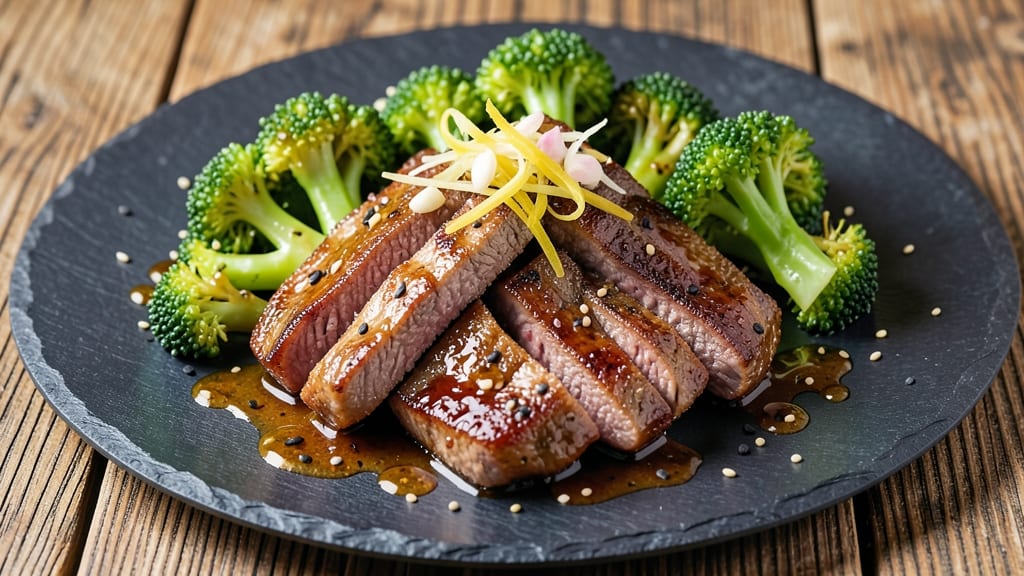
This beef and broccoli recipe without soy sauce delivers restaurant-quality flavor using a bold garlic-ginger sauce that's equally savory and aromatic. I developed this version after discovering how easily coconut aminos could replace soy while keeping that signature umami depth—no one will miss the soy sauce.
The secret lies in balancing sweetness, acidity, and heat through careful ingredient ratios and proper cooking techniques.
The dish starts with properly seared beef strips that develop a caramelized crust while staying tender inside, then finishes with crisp-tender broccoli that holds its shape.
My approach uses oyster sauce as the base for that classic Chinese restaurant taste, combined with fresh ginger, garlic, and a touch of brown sugar for complexity. The sauce reduction technique ensures it coats every bite perfectly without being overly thick or thin.
What you'll end up with is a perfectly balanced dish where the beef remains juicy and flavorful, the broccoli stays vibrant and slightly crisp, and the sauce delivers that signature tangy-sweet profile.
The aroma alone will have everyone gathering around the table—this version tastes just as authentic as traditional recipes but with a cleaner ingredient profile.
Serve this over steamed jasmine rice or noodles for the full experience. The recipe scales beautifully for both weeknight dinners and larger gatherings, and the sauce can be made ahead for even more convenience. Let's get cooking!
Ingredients for beef and broccoli recipe without soy sauce
Restaurant-quality beef and broccoli relies on these carefully balanced ingredients for authentic umami without soy.
| Ingredient | Amount | Notes |
|---|---|---|
| Flank Steak 🥩 | 1 ½ lb | Thinly sliced against the grain |
| Broccoli Florets 🥦 | 3 cups | Medium-sized, fresh or frozen |
| Oyster Sauce 🍶 | ½ cup | High-quality, unsalted preferred |
| Coconut Aminos 🥫 | ¼ cup | For soy-free umami depth |
| Fresh Ginger 🌿 | 2 tbsp | Finely grated, aromatic |
| Garlic Cloves 🧄 | 6 cloves | Minced, fresh preferred |
| Brown Sugar 🍯 | 1 tbsp | Light or dark variety |
| Rice Vinegar 🍶 | 1 ½ tbsp | For acidity balance |
| Sesame Oil 🫒 | 1 tbsp | Toasted, for aroma |
| Vegetable Oil 🫒 | 2 tbsp | High smoke point for searing |
| Diamond Crystal Kosher Salt 🧂 | 1 ½ tsp | For seasoning and sauce |
| Ground Black Pepper 🌶️ | ½ tsp | Freshly ground for heat |
| Jasmine Rice 🍚 | 2 cups | Uncooked, for serving |
| Red Chili Flakes 🔥 | ½ tsp | Optional, for heat adjustment |
| Green Onions 🧅 | 3 whole | Sliced, for garnish |
The flank steak is non-negotiable for this dish—its lean yet tender texture holds up perfectly to the garlic-ginger marinade. Look for cuts with good marbling at Whole Foods or your local butcher, as supermarkets often carry leaner options. Thinly slicing against the grain ensures maximum tenderness. For the broccoli, fresh crowns yield the best texture, but frozen florets work in a pinch if you're short on time. The oyster sauce should be high-quality—brands like Lee Kum Kee deliver that signature depth without artificial additives. Coconut aminos (like Annie Chun's) provide the soy-free umami backbone that replaces traditional soy sauce.
No coconut aminos? Tamari or light soy sauce can substitute at half the amount, though the flavor profile shifts slightly. Fresh ginger and garlic are essential—pre-minced jars lack the aromatic punch of freshly grated. For a sweeter profile, honey or maple syrup replaces brown sugar, though it alters the caramelization. Rice vinegar adds necessary acidity; sub apple cider vinegar if needed. The sesame oil should be toasted—regular oil won't deliver that nutty aroma. For heat, Sichuan peppercorn oil adds complexity if you're feeling adventurous. The jasmine rice should be long-grain for ideal texture, though basmati works in a bind.
The beef can be prepped 12 hours ahead—slice it thinly and marinate in the sauce mixture for enhanced flavor. Broccoli should be blanched just before serving to maintain crispness. Store the sauce separately in an airtight container for up to 5 days in the fridge or 3 months frozen. The rice reheats beautifully—steam fresh portions for the best texture. Garnish with green onions and a drizzle of sesame oil right before serving to preserve freshness. Leftovers make excellent lunches—portion into containers with extra sauce for easy reheating.
Why You'll Love This Recipe
- No-Soy Shortcut: I swear by this version—just slice the steak thin, toss in ginger and coconut aminos, and let the wok do the work. Five minutes of prep, zero fuss.
- Umami Without Guilt: That oyster sauce and coconut aminos combo? It’s the secret weapon—deep, savory, and actually balanced, not overpowering like some takeout versions.
- Lunchbox Magic: Between us, this reheats like a dream. Pack it the night before, and your kids (or you) will eat it cold—crisp broccoli, tender beef, no sad soggy leftovers.
- Budget Steakhouse: Flank steak on sale? Use it here. Big flavor, small price tag. I’ve made this feed six for under $20—no fancy cuts needed.
Step-by-step instructions for savory garlic-ginger beef and broccoli
Master this technique and you'll achieve restaurant-quality beef and broccoli with a rich, balanced sauce that delivers deep umami without soy.
Prepare the Flank Steak for Optimal Texture
Slice the 1.5 lb flank steak thinly against the grain into ¼-inch strips—this ensures tender bites. Arrange the slices on a plate and season both sides generously with 1.5 tsp Diamond Crystal kosher salt and 0.5 tsp freshly ground black pepper. Let them sit at room temperature for 15 minutes while you prepare the rest.
This resting period prevents uneven cooking. The salt will draw out moisture, creating a perfect surface for searing. If you notice any excess liquid after salting, pat it dry with paper towels—this guarantees a good sear rather than steaming.
Sear the Beef to Develop Deep Flavor
Heat 2 tbsp vegetable oil in a large skillet over medium-high heat until shimmering. Working in batches to avoid crowding, add the steak strips and cook for 2-3 minutes per side until deep golden brown and just cooked through. Remove the beef and set aside on a plate.
Don't rush this step—you want those caramelized edges that pack maximum flavor. If the pan gets too crowded, the steak will steam instead of sear. The beef should release easily from the pan when ready, indicating it's developed a proper crust.
Build the Savory Garlic-Ginger Sauce
In the same skillet (no need to clean it—those browned bits are flavor gold), reduce heat to medium and add 2 tbsp finely grated fresh ginger and 6 minced garlic cloves. Cook for 1-2 minutes until fragrant but not browned—this prevents bitterness.
Add 1.5 tbsp rice vinegar and 1 tbsp brown sugar, stirring to deglaze the pan. Let it simmer for 1 minute until slightly reduced. Then pour in 0.5 cup oyster sauce and 0.25 cup coconut aminos, stirring constantly. The sauce should thicken slightly as it comes together—this is where all the umami magic happens.
Finish with Broccoli and Sesame Oil
Return the beef to the skillet and add 3 cups broccoli florets. Toss everything together and cook for 3-4 minutes until the broccoli is bright green and tender-crisp. Drizzle with 1 tbsp toasted sesame oil and sprinkle with 0.5 tsp red chili flakes if using.
The broccoli should retain its vibrant color and slight crunch—this indicates it's cooked just right. If you prefer softer broccoli, add an extra minute of cooking time. The sesame oil adds aromatic depth while the chili flakes introduce subtle heat that balances the richness.
Serve Over Jasmine Rice with Garnish
Cook 2 cups jasmine rice according to package instructions until fluffy. Divide the beef and broccoli mixture evenly over the rice. Garnish with 3 sliced green onions and serve immediately while the sauce is still glossy and vibrant.
Each bite should deliver perfectly seared beef with tender broccoli coated in a glossy, aromatic sauce. The rice soaks up any remaining sauce, creating a harmonious balance of textures and flavors. For extra presentation, drizzle additional sesame oil over the top just before serving.
Pro Tips For Making Beef And Broccoli Recipe Without Soy Sauce
- Slice Against the Grain: Flank steak’s tough fibers need a knife, not a saw. Cut it perpendicular to the grain—thin slices, ¼-inch thick—so every bite melts instead of chews. I used to ignore this and wondered why my beef felt like boot leather.
- Blanch Broccoli First: Toss broccoli florets in boiling water for 30 seconds, then ice bath. This stops the cooking process so they stay crisp when you toss them in the pan later. Skipping this step means mushy broccoli drowning in sauce—trust me, it’s a bummer.
- Deglaze with Coconut Aminos Early: After searing the steak, splash in 1 tablespoon coconut aminos right away while the pan’s still hot. Let it bubble for 30 seconds to lift those browned bits—those bits are flavor gold. I learned this the hard way when I waited too long and lost half the taste.
- Finish with Fresh Ginger Zing: Grate a teaspoon of fresh ginger after the sauce thickens, then toss it in for the last 30 seconds of cooking. The heat releases its oils, giving a bright kick that jarred ginger powder can’t match. Sounds weird, but it works—your taste buds will notice.
Flavor customization for this dish
Sweet Heat Balance
Adjust the sauce's sweetness and heat to match your taste preferences. For a milder profile, reduce the brown sugar to ½ tbsp and omit the red chili flakes. If you love heat, add ½ tsp gochujang (Korean chili paste) or 1 tsp sriracha to the sauce for depth.
I find that 1 tsp honey replaces the brown sugar beautifully while keeping the sauce glossy and balanced. 🌶️
Umami Boosters
Coconut aminos provide the soy-free umami base, but you can enhance it further. Add 1 tbsp fish sauce for extra depth (especially if serving with rice), or 1 tsp mushroom powder for an earthy richness. For a vegetarian option, 1 tbsp nutritional yeast adds a cheesy, savory note.
I’ve also used ½ cup chicken or vegetable broth instead of coconut aminos for a lighter profile—just reduce the sauce longer to thicken. 🍄
Acidity Adjustments
The rice vinegar adds necessary tang, but you can swap it for lime juice (½ tsp) for brightness or apple cider vinegar for a fruity edge. If your sauce tastes flat, add ½ tsp more vinegar or a pinch of citric acid (found in baking aisles).
For a smoky twist, replace ½ tbsp vinegar with 1 tsp smoked paprika—it’s a game-changer for depth. 🍋
Texture Variations
Want a silkier sauce? After combining the oyster sauce and coconut aminos, simmer for an extra 2-3 minutes to reduce it further. For a chunkier texture, stir in 1 tbsp finely chopped scallions or ½ tsp toasted sesame seeds at the end.
If the broccoli turns mushy, blanch it separately for 1 minute in boiling water before adding it to the pan. 🥦
Protein Swaps
Flank steak is ideal, but sirloin or ribeye work too—just slice thinner. For a lighter option, use chicken breast or shrimp, but reduce cooking time to 2-3 minutes to avoid overcooking.
Vegetarians can swap beef for extra-firm tofu (press and pan-fry first) or mushrooms (sauté until golden). I’ve even used beef-free ground meat for a heartier texture. 🍗
Make-Ahead Sauce
Prepare the sauce up to 3 days ahead and store it in an airtight container in the fridge. Reheat gently over low heat or microwave for 30 seconds, stirring occasionally.
For freezing, portion into ice cube trays, freeze, then transfer to a bag—this makes it easy to thaw just what you need. The sauce thickens when chilled, so thin with 1 tsp water before reheating. ✨
Nutrition facts
Frequently asked questions
Can I use frozen broccoli instead of fresh?
Yes! Frozen broccoli works perfectly—just thaw it first by soaking in cold water for 5 minutes or microwaving for 1 minute. Drain well before cooking to avoid excess moisture in the pan. Fresh broccoli stays slightly crisper, but frozen is a great shortcut that maintains flavor.
What's the best soy-free alternative if I don't have coconut aminos?
Try oyster sauce alone (reduce by 2 tbsp water to thicken) or ½ cup tamari (use half the amount). For a lighter option, blend 1 tbsp miso paste + 2 tbsp water—it adds umami without heaviness. I also love 1 tbsp fish sauce + 1 tsp brown sugar for a similar depth.
Why did my sauce turn out too thin?
Sauce thinning usually happens when ingredients aren't reduced enough. Simmer the sauce uncovered for an extra 2-3 minutes after adding oyster sauce, or mix 1 tsp cornstarch + 1 tbsp water and stir in at the end. For prevention, use less liquid (reduce coconut aminos to 2 tbsp) or cook the beef in a smaller pan.
Can I make this dish ahead of time?
Cook the beef and broccoli, then refrigerate for up to 3 days in an airtight container. Reheat gently in a skillet with 1 tsp water to revive the sauce. The rice should be made fresh—reheating dried rice makes it gummy. For best results, store sauce components separately and combine when reheating.
How do I make this spicier?
Add ½ tsp gochugaru (Korean red pepper flakes) to the sauce or 1 tsp sriracha at the end. For smoky heat, stir in ½ tsp smoked paprika with the garlic. For a numbing kick, add ¼ tsp Sichuan peppercorn powder (found in Asian markets). Always taste as you go—build heat gradually!