
Soups & Stews
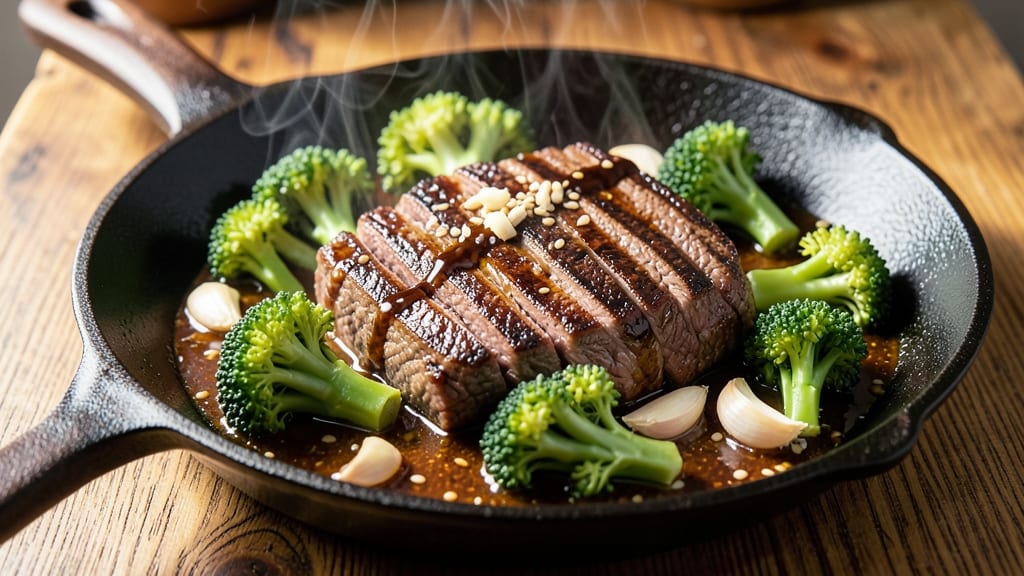
This beef and broccoli skillet recipe delivers restaurant-quality umami crunch in just one pan, combining perfectly seared beef strips with crisp-tender broccoli and a rich soy-ginger glaze. 🔥 The secret lies in high-heat searing for maximum flavor development while keeping the vegetables vibrant and the sauce perfectly balanced—no watery textures here.
What sets this recipe apart is the dual-texture approach: beef strips develop a caramelized crust from the skillet while broccoli florets blanch just enough to stay crisp with a slight bite.
The sauce, made from soy sauce, garlic, and ginger, reduces to a glossy finish that coats every ingredient without overwhelming the natural flavors. It's the kind of dish that transforms a simple weeknight into something special with minimal effort.
By the time you're done, you'll have a skillet filled with tender beef, vibrant broccoli, and a sauce that's both savory and subtly sweet—ideal for serving over steamed rice or as a standalone meal.
The aromas alone will have everyone gathered around your table, and the first bite delivers that perfect balance of textures and flavors that makes this dish a crowd-pleaser every time.
Perfect for feeding a family or meal prepping for the week, this recipe scales beautifully while maintaining its signature umami punch. The one-pan method means less cleanup and more time enjoying your creation. Let's get cooking!
Ingredients for beef and broccoli skillet
Restaurant-quality umami in one pan—just 14 ingredients for bold, balanced flavor.
| Ingredient | Amount | Notes |
|---|---|---|
| Flank Steak 🥩 | 1 lb | Thinly sliced against grain |
| Broccoli Florets 🥦 | 1 ½ lbs | Medium-sized, cut into bite-sized pieces |
| Low-Sodium Soy Sauce 🍶 | ⅓ cup | For balanced umami flavor |
| Sesame Oil 🫒 | 1 tbsp | Toasted for nutty aroma |
| Fresh Ginger 🌿 | 1 tbsp | Finely grated, aromatic |
| Garlic Cloves 🧄 | 4 cloves | Minced for concentrated flavor |
| Honey 🍯 | 1 tbsp | For subtle sweetness balance |
| Rice Vinegar 🍶 | 1 tbsp | White or seasoned variety |
| Vegetable Oil 🫒 | 2 tbsp | High smoke point for searing |
| Cornstarch 🌾 | 1 tbsp | For sauce thickening |
| Toasted Sesame Seeds 🌰 | 1 tsp | For garnish and texture |
| Green Onions 🧅 | 3 whole | Sliced, for fresh garnish |
| Salt 🧂 | 1 tsp | Kosher or sea salt |
| Black Pepper 🌶️ | ½ tsp | Freshly ground for heat |
The flank steak is your star here—look for cuts with good marbling for juiciness. Costco or Whole Foods often carry pre-sliced versions, but if buying whole, slice it thinly against the grain. Broccoli should be vibrant green, not yellowing, and Trader Joe's sells pre-cut florets that save time. Fresh ginger and garlic? Penzeys Spices sells pre-grated ginger if you're short on time, but fresh always wins. The soy sauce matters—low-sodium lets you control saltiness better, and Kikkoman is a reliable brand.
No sesame oil? Toasted peanut oil works in a pinch, though the flavor shifts slightly. Substitute honey with maple syrup if needed, but the sauce will be less balanced. For extra depth, add a dash of fish sauce (just ½ tsp)—it's a secret weapon in many Asian kitchens. If cornstarch isn't available, arrowroot powder thickens just as well. The rice vinegar adds brightness, but if you're out, a splash of lemon juice does the trick. Prefer your broccoli extra crisp? Blanch it in boiling water for 30 seconds before searing.
This dish reheats beautifully—store leftovers in an airtight container for up to 4 days. For meal prep, portion into containers with rice and sauce separately to keep broccoli crisp. The sauce freezes well for 3 months, though texture may change slightly. Garnish with sesame seeds and green onions right before serving—they add freshness that disappears when stored. Double the recipe? Just use a larger skillet—flavor stays consistent.
Why You'll Love This Recipe
- One-Pan Magic: The flank steak and broccoli hit the skillet together—no chopping boards, no extra dishes. Just slice the steak thin, toss in florets, and let the soy and ginger work their magic while you stir. (Yes, even on a Tuesday night.)
- Umami Bomb: That first bite? The sesame oil hits with nutty warmth, the ginger adds a bright punch, and the low-sodium soy ties it all together with deep, savory richness. It’s the kind of flavor that makes you reach for seconds without thinking.
- Lunchbox Hero: Pack the leftovers cold or reheated—the steak stays tender, the broccoli holds its crunch, and the sauce clings perfectly. Honestly, I’ve sent this to work with my kid more times than I can count, and it’s always the first to disappear.
- Budget Win: Flank steak stretches further than you’d think when sliced thin, and broccoli florets are one of the most affordable veggies out there. For a meal that feels fancy but costs next to nothing? Spot-on.
Step-by-step instructions for beef and broccoli skillet
Here's how to create a perfectly balanced one-pan dish with tender beef and crisp-tender broccoli.
🍳 Step 1: Sear the Flank Steak to Develop Deep Flavor
Heat 2 tablespoons vegetable oil in a large skillet over medium-high heat until shimmering. Add the 1 lb flank steak sliced against the grain and cook undisturbed for 3-4 minutes until edges are browned and slightly crispy. This initial sear locks in juices and builds that essential crust.
Flip the steak slices and cook for another 2-3 minutes until they reach 145°F internally. Remove from the skillet and set aside on a plate. The steak should be tender but still slightly pink in the center—it'll finish cooking in the sauce. Don't skip this step; proper searing creates the foundation for all that umami flavor.
👨🍳 Step 2: Build the Umami-Packed Sauce Base
In the same skillet (no need to wipe it clean—those browned bits are pure flavor), add 1 tablespoon vegetable oil and reduce heat to medium. Add the 4 cloves minced garlic and 1 tablespoon finely grated fresh ginger, cooking for 30 seconds until fragrant but not browned—ginger burns quickly, so watch carefully.
Pour in the 0.33 cup low-sodium soy sauce, 1 tablespoon rice vinegar, and 1 tablespoon honey. Stir and let it simmer for 1-2 minutes until slightly reduced. The sauce should coat the back of a spoon and have a glossy sheen. This balance of salty, sweet, and tangy creates the perfect umami foundation.
🥘 Step 3: Cook the Broccoli Until Crisp-Tender
Add the 1.5 lbs broccoli florets to the skillet and stir to coat in the sauce. Increase heat to medium-high and cook for 4-5 minutes, stirring occasionally, until the broccoli is bright green and just tender when pierced with a fork. You want it to hold its shape but yield slightly—overcooking turns it mushy.
Here's the thing—don't crowd the pan. If your skillet is too full, cook the broccoli in batches to ensure even browning. The broccoli should have a vibrant green color with just a hint of char on the edges. This is where the texture magic happens—crisp edges with tender centers.
🍳 Step 4: Thicken the Sauce and Combine
Return the seared steak to the skillet. In a small bowl, whisk together 1 tablespoon cornstarch with 1 tablespoon sesame oil to create a slurry. Pour this into the skillet and stir constantly for 1-2 minutes until the sauce thickens to a glossy, coatable consistency.
Taste and adjust seasoning with 1 teaspoon salt and 0.5 teaspoon black pepper if needed. The sauce should be balanced—salty from the soy, slightly sweet from the honey, with a touch of acidity from the vinegar. If it's too thick, add 1-2 tablespoons water to reach your desired consistency. Stir in the 3 sliced green onions and let everything heat through for 30 seconds.
🍽️ Step 5: Garnish and Serve Immediately
Transfer the beef and broccoli to serving plates, spooning the sauce generously over the top. Sprinkle with 1 teaspoon toasted sesame seeds for added texture and visual appeal. The seeds add a nutty crunch that contrasts beautifully with the tender beef and broccoli.
Serve immediately while the steak is still juicy and the broccoli retains its vibrant color. The dish should be packed with flavor in every bite—savory from the beef, slightly sweet from the sauce, with that perfect balance of textures. This one-pan wonder delivers restaurant-quality results with minimal cleanup.
Pro Tips For Making Beef And Broccoli Skillet
- Slice Against the Grain: Flank steak’s stubborn fibers will fight you if you don’t cut it properly. Slice it thin (about ¼-inch) and diagonally against the grain—this makes every bite tender, not chewy. (Yes, it takes a few extra minutes, but your jaw will thank you.)
- Blanch Broccoli First: Skip the sad, limp broccoli by blanching florets in boiling water for 1 minute before stir-frying. Drain, shock in ice water, then pat completely dry—this keeps them bright green and prevents a soggy skillet. (I learned this the hard way after serving mushy broccoli twice.)
- Use Two Stages of Heat: Start flank steak over high heat until it sears (2-3 minutes), then pull it out and lower the heat to medium. Return the beef to the pan to finish cooking—this prevents overcrowding and keeps the meat juicy. (High heat first builds flavor; low heat finishes it gently.)
- Ginger: Grate, Don’t Mince: Fresh ginger loses its punch when finely minced. Use a microplane or box grater for tiny, even pieces that dissolve into the sauce without chunks. (Sounds weird, but it works—trust me, your sauce will taste deeper.)
Wine and beer pairings for this beef and broccoli skillet
Crisp White Wine
For this dish's bold umami flavors, I reach for a dry Riesling from Germany—specifically a Mosel Riesling like Dr. Loosen Blue Slate. The wine's natural acidity cuts through the soy sauce's richness while its mineral notes complement the beef's caramelized crust.
Serve it slightly chilled (45-50°F) to enhance its crispness and refreshing finish. 🍷
Light-Bodied Red
A Pinot Noir from Oregon or Burgundy offers a perfect red wine alternative. Look for a Willamette Valley Pinot Noir like Domaine Serene or a classic Burgundy Pinot Noir from Domaine Drouhin.
The wine's bright acidity and red fruit notes harmonize beautifully with the dish's savory-sweet profile. Serve at 55-60°F to let its delicate flavors shine without overpowering the meal.
Asian-Inspired Beer
For beer lovers, a Japanese lager like Asahi Super Dry or Sapporo Premium Beer works wonderfully. The clean, crisp profile balances the dish's umami without competing. Alternatively, try a Belgian witbier like Hoegaarden—its citrusy notes and subtle spice add an interesting contrast to the soy-ginger flavors.
Serve both at 40-45°F for optimal enjoyment. 🍺
Sparkling Pairing
If you prefer something bubbly, a dry Prosecco from Italy or a German Sekt like Rotkäppchen make excellent choices. The effervescence cleanses your palate between bites, while the wine's light body and citrus undertones complement the dish's vibrant flavors.
Serve Prosecco at 45-50°F and Sekt at 40-45°F for the best experience.
Non-Alcoholic Option
For a refreshing non-alcoholic pairing, try a sparkling yuzu soda like San Pellegrino Aranciata Rossa or a homemade ginger-lime spritzer. Mix ½ cup sparkling water with 2 tbsp fresh lime juice and 1 tbsp grated ginger for a zesty, palate-cleansing drink. The citrus notes brighten the dish's umami flavors beautifully.
Nutrition facts
Frequently asked questions
Can I use a different cut of beef instead of flank steak?
Flank steak is ideal, but you can substitute with skirt steak or sirloin—both work beautifully. Just slice them thinly against the grain (about ¼-inch thick) for tender results. Ribeye or New York strip will be too tough unless you marinate them first. The key is thin, even slices that cook quickly in the skillet.
How do I keep the broccoli extra crispy?
Blanch the florets first! Toss 1.5 lbs broccoli in boiling water for just 30 seconds, then shock in ice water to stop cooking. Pat dry before adding to the skillet—this jumpstarts the cooking process so you get that perfect crunch. For even more texture, add the broccoli back to the skillet only after the beef has finished searing.
What if I don't have cornstarch for thickening?
No problem! Use 1 tbsp arrowroot powder or even 1 tbsp all-purpose flour mixed with 1 tbsp cold water as a slurry. The sauce will thicken just as well, though cornstarch gives the glossiest finish. For a quick fix, reduce the sauce uncovered for an extra 3-4 minutes—just watch closely to avoid burning.
Can I make this dish ahead of time?
Yes, but with a few tweaks. Cook the beef and broccoli completely, then store them separately in an airtight container for up to 3 days. Reheat the sauce separately and combine everything just before serving—this keeps the broccoli from getting soggy. For meal prep, portion the sauce over rice and add the beef/broccoli fresh for maximum flavor.
Why does my sauce taste too salty?
Low-sodium soy sauce is your friend here! If it's still too salty, balance it with 1 tsp honey or ½ tsp sugar to mellow the flavor. For a savory fix, add 1 tbsp rice vinegar or a splash of water to dilute. Taste as you go—remember, you can always add more soy sauce later, but you can't take it out!