
Soups & Stews
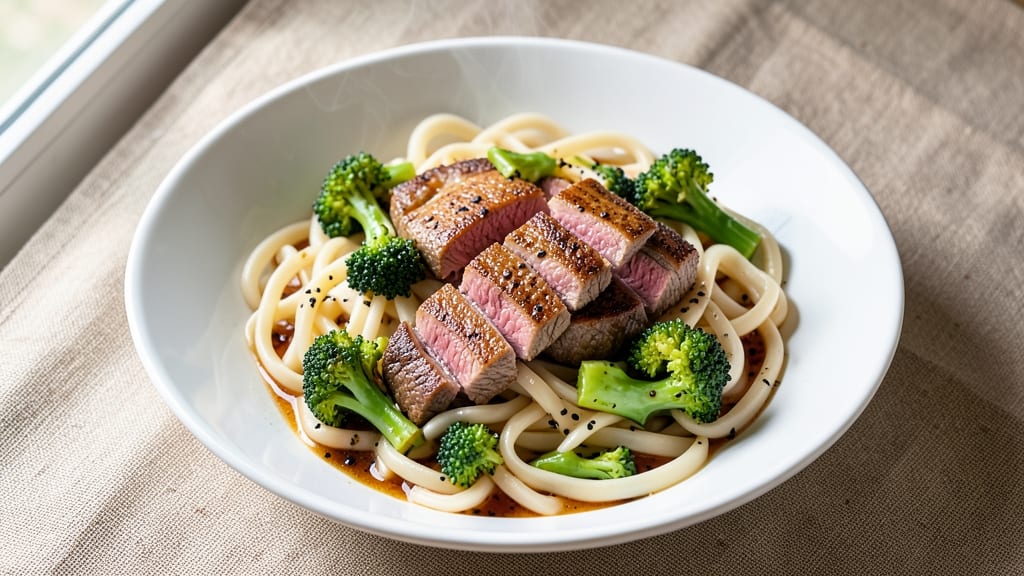
This beef and broccoli udon noodles recipe delivers restaurant-quality wok-tossed perfection with every silky strand of udon and tender beef bite. The secret lies in properly searing the beef for maximum flavor and balancing the sauce—just enough soy for umami depth without overpowering the delicate noodles.
I've perfected this dish after countless wok sessions, ensuring the broccoli stays crisp-tender while the beef develops a caramelized crust.
What sets this recipe apart is the sauce technique: a silky blend of soy, sesame oil, and a touch of honey that creates a glossy, flavorful coating for the noodles. The udon noodles are stir-fried just until heated through, absorbing the sauce while maintaining their signature chewy texture.
This isn't just another stir-fry—it's a harmonious balance of textures and flavors that makes every bite satisfying.
The result is a dish that's rich yet light, with perfectly cooked beef that's tender yet still holds its shape, broccoli florets that are crisp-tender, and udon noodles that are chewy and perfectly coated.
The sauce clings to everything, creating a cohesive dish where every component enhances the others. This is the kind of meal that transforms a simple weeknight into a memorable dining experience.
Whether you're serving this as a main course or sharing with friends, the presentation is just as important as the taste. Garnish with sesame seeds and sliced green onions for freshness and color contrast.
The combination of textures and flavors makes this udon noodle dish a standout that's sure to become a regular in your recipe rotation.
Ingredients for beef and broccoli udon noodles
Restaurant-quality wok-tossed perfection starts with these carefully chosen ingredients—each playing a vital role in texture and flavor balance.
| Ingredient | Amount | Notes |
|---|---|---|
| Udon Noodles 🍜 | 8 oz | Fresh or dried, uncooked |
| Flank Steak 🥩 | 1 lb | Thinly sliced against grain |
| Broccoli Florets 🥦 | 4 cups | Medium, cut into bite-sized pieces |
| Low-Sodium Soy Sauce 🍶 | ½ cup | Kikkoman preferred for balance |
| Sesame Oil 🫒 | 1 tbsp | Toasted, for aroma |
| Honey 🍯 | 1 tbsp | Light, for sauce balance |
| Garlic Cloves 🧄 | 4 cloves | Minced for sauce |
| Fresh Ginger 🌿 | 1 tbsp | Grated, for zing |
| Neutral Oil 🫒 | 2 tbsp | Peanut or vegetable oil |
| Sesame Seeds 🌰 | 1 tbsp | Toasted, for garnish |
| Green Onions 🧅 | 3 whole | Sliced, for garnish |
| Salt 🧂 | 1 tsp | Kosher, to taste |
| Black Pepper 🌶️ | ½ tsp | Freshly ground |
| Cornstarch 🌾 | 1 tbsp | For beef tenderizing |
The flank steak is non-negotiable here—it's lean but tender when sliced thinly against the grain. Look for well-marbled cuts at your local butcher or grocery store's meat counter, and ask them to slice it paper-thin. Udon noodles should be fresh or high-quality dried—avoid those pre-boiled packages that turn mushy. Broccoli florets need to stay crisp-tender, so cut them just before cooking and keep them cold until stir-frying. For the sauce, Kikkoman soy sauce is my go-to—it's balanced and won't overpower the dish.
No flank steak? Sirloin or ribeye work too, but slice it extra thin. Running short on time? Pre-sliced steak strips from the grocery store save effort. The honey in the sauce can be swapped for maple syrup if you prefer. Fresh ginger and garlic are ideal, but powdered works at half the amount if you're in a pinch. The sesame oil is aromatic but potent—start with half the amount if you're sensitive to strong flavors. For extra umami, add a dash of fish sauce (if not vegetarian).
The beef marinade (cornstarch + salt) needs 10 minutes minimum to tenderize properly. Broccoli stays fresh 3-4 days in the fridge, but best used within 2 days. Udon noodles keep 1 month in the pantry if unopened. For meal prep, cook the beef and broccoli separately, then toss with sauce and noodles when ready to serve. Garnish with sesame seeds and green onions right before eating to keep them fresh.
Why You'll Love This Recipe
- Here’s what sold me: the flank steak’s perfect contrast—crispy edges that give way to tender, almost buttery bites. Slice it thin against the grain, and you’ll get that melt-in-your-mouth texture without drying it out. Honestly, I’ve tried other beef stir-fries, but this one stays satisfying.
- One-Pot Magic: I swear by this recipe—just sear the flank steak, toss in the broccoli, and let the soy sauce and sesame oil work their savory, nutty magic. No extra bowls, no extra mess. That rich umami from the low-sodium soy sauce? It clings to every strand of udon like a hug.
- Crispy-Tender Beef: Here’s what sold me: the flank steak’s perfect contrast—crispy edges that give way to tender, almost buttery bites. Slice it thin against the grain, and you’ll get that melt-in-your-mouth texture without drying it out. Honestly, I’ve tried other beef stir-fries, but this one stays satisfying.
- Lunchbox Hero: Between us, this is my go-to for meal prep. Toss the cooked udon with the beef and broccoli, pack it in containers, and reheat with a splash of water—it’s still hearty and flavorful. My daughter picks out the broccoli first (she’s weird about textures), but she always eats it anyway because the beef’s so good.
Step-by-step instructions for wok-tossed beef and broccoli udon
Here's the method for a restaurant-quality dish with perfectly tender beef and silky udon.
Prep and Marinate the Flank Steak
Slice the 1 lb flank steak thinly against the grain into ¼-inch thick strips. Place in a bowl and toss with the 1 tbsp cornstarch, 1 tsp salt, and 0.5 tsp black pepper until evenly coated. Let sit for 10 minutes at room temperature—this creates a crispy exterior while keeping the interior tender.
While the steak marinates, prepare the broccoli by cutting the 4 cups florets into even bite-sized pieces. This ensures consistent cooking and even browning. Keep the broccoli separate until ready to cook—overcrowding the wok later will steam instead of sear.
Cook the Udon Noodles
Bring a pot of water to a rolling boil and cook the 8 oz udon noodles according to package directions—typically 3-4 minutes for fresh or 5-6 minutes for dried. Drain immediately and rinse under cold water for 10 seconds to stop cooking. Toss with 1 tbsp sesame oil to prevent sticking and keep noodles separate.
Here's the thing—udon continues cooking from residual heat. Returning them to the wok after searing will finish them perfectly. Keep them covered while you prepare the beef and sauce to maintain warmth.
Sear the Beef and Broccoli
Heat a wok or large skillet over high heat until smoking. Add the 2 tbsp neutral oil and swirl to coat. Working in batches, add the steak strips and cook for 1-2 minutes until deep brown and slightly charred. Remove and set aside. Repeat with remaining steak.
In the same wok, add a little more oil if needed and toss in the broccoli florets. Stir-fry for 3-4 minutes until bright green and just tender-crisp. Don't overcook—they'll finish in the sauce. Keep the beef and broccoli separate during cooking to maintain texture contrast.
Build the Umami Sauce
Reduce heat to medium-high and add the minced 4 cloves garlic and 1 tbsp grated fresh ginger. Cook for 30 seconds until fragrant but not browned. Pour in the 0.5 cup low-sodium soy sauce and 1 tbsp honey, scraping up any browned bits from the bottom.
Let the sauce simmer for 1-2 minutes until slightly thickened. The honey will caramelize slightly, adding depth to the flavor. Taste and adjust seasoning—you might need a pinch more salt depending on your soy sauce.
Combine and Finish
Return the beef and broccoli to the wok with the cooked udon noodles. Toss everything together for 1-2 minutes** until the noodles are heated through and coated in the sauce. The residual heat from the wok will finish cooking the udon perfectly.
Garnish with sliced 3 green onions and 1 tbsp toasted sesame seeds. Serve immediately while hot—this dish is best enjoyed straight from the wok when the noodles are silky and the beef is still juicy. The sauce should coat everything evenly with a glossy sheen.
Pro Tips For Making Beef And Broccoli Udon Noodles
- CUT STEAK THINLY BEFORE COOKING: I learned this the hard way—thick slices of flank steak stay chewy no matter how long you sear them. Slice against the grain into ⅛-inch strips (yes, measure it) so they cook through in seconds while staying tender. If you’re lazy like me, freeze the meat for 20 minutes first—it’ll slice cleaner.
- BLANCH BROCCOLI FIRST: Broccoli florets release bitter water when raw. Give them a 2-minute blanch in boiling salted water, then shock in ice water before stir-frying. This keeps them vibrant and prevents your noodle broth from turning murky—trust me, your sauce will taste brighter.
- SALT THE UDON WATER: Plain udon noodles taste bland straight from the package. Boil them in water with 1 teaspoon of salt per 4 cups—it seasons the noodles and the broth they soak in. Drain just until al dente; overcooking turns them mushy, and you’ll regret it when they turn to paste.
- STIR-FRY IN BATCHES: Crowding the pan steams the beef instead of searing it. Cook the udon noodles first, then work in two batches: half the beef, then half the broccoli, pushing everything to one side to avoid steam. By the time the second batch hits the pan, the first will be golden and caramelized—exactly how it should be.
Make-ahead tips for leftovers
Prep Ahead Components
Start by prepping the beef and broccoli separately—they'll keep well in the fridge for 24 hours before assembly.
Slice the 1 lb flank steak against the grain into ¼-inch strips, toss with 1 tbsp cornstarch, 1 tsp salt, and ½ tsp black pepper, then store in an airtight container.
For broccoli, cut 4 cups florets into even pieces and store in a sealed container with a paper towel to absorb moisture. This keeps them crisp-tender until cooking. 🥦
Sauce Prep Shortcut
Make the sauce in advance to save time during cooking. Mix ½ cup low-sodium soy sauce, 1 tbsp honey, 1 tbsp toasted sesame oil, 4 minced garlic cloves, and 1 tbsp grated ginger in a small bowl.
Store in an airtight container for up to 3 days in the fridge. When ready to cook, simply reheat the sauce over medium-high heat for 1-2 minutes before tossing with the noodles.
Noodle Pre-Cooking
Cook the 8 oz udon noodles ahead of time and store them in an airtight container with 1 tbsp sesame oil to prevent sticking. They'll keep for 12 hours in the fridge—just reheat in the wok with the sauce and other components.
For extra convenience, pre-cook the noodles and store them separately from the sauce and proteins. When ready to serve, simply toss everything together in the wok for 1-2 minutes to reheat and combine.
Assembly Timeline
Plan your cooking sequence carefully to maintain texture and temperature. Start by prepping the beef and broccoli, then cook the udon noodles. Store the cooked noodles in the fridge while you sear the beef and broccoli separately.
When ready to serve, reheat the sauce, toss in the beef and broccoli, and finally add the noodles. This keeps everything hot and fresh, with the sauce coating the noodles perfectly. The entire assembly takes just 5 minutes once everything is prepped. 💡
Garnish Freshness
Toast the 1 tbsp sesame seeds and slice the 3 green onions just before serving to keep them fresh and vibrant. Store these garnishes separately in airtight containers in the fridge for up to 2 days.
Toast the sesame seeds in a dry pan over low heat for 1-2 minutes until golden and fragrant. Sprinkle them over the dish right before eating for maximum flavor and texture contrast.
Nutrition facts
Frequently asked questions
Can I use dried udon noodles instead of fresh?
Dried udon noodles work perfectly—just cook them for 5-6 minutes until al dente, then rinse briefly in cold water to stop cooking. The key is to keep them separate until the final toss so they don't get mushy. For extra texture contrast, try using thicker udon noodles if you prefer a chewier bite.
What's the best way to prevent the beef from getting chewy?
Slice the flank steak thinly against the grain and marinate with cornstarch for at least 10 minutes—this breaks down muscle fibers. Cook over high heat for just 1-2 minutes until browned, then remove immediately. Overcooking is the #1 mistake—beef should stay slightly pink inside.
Can I make this vegetarian?
Yes! Swap the beef for extra-firm tofu (pressed and cubed) or shiitake mushrooms. For tofu, pan-fry until crispy before adding to the wok. Add 1 tbsp vegetarian oyster sauce to the soy sauce for deeper umami. The broccoli and udon will still be the star—just add a sprinkle of sesame seeds for texture.
How do I fix mushy udon noodles?
Mushy noodles usually happen from overcooking or not rinsing properly. For future attempts, cook udon 1 minute less than package instructions, then rinse with ice water for 10 seconds to stop cooking. If it's already too late, try this: Toss the noodles with 1 tsp sesame oil and ½ tsp cornstarch, then stir-fry in the wok for 1 minute to crisp them up slightly.