
Main Courses
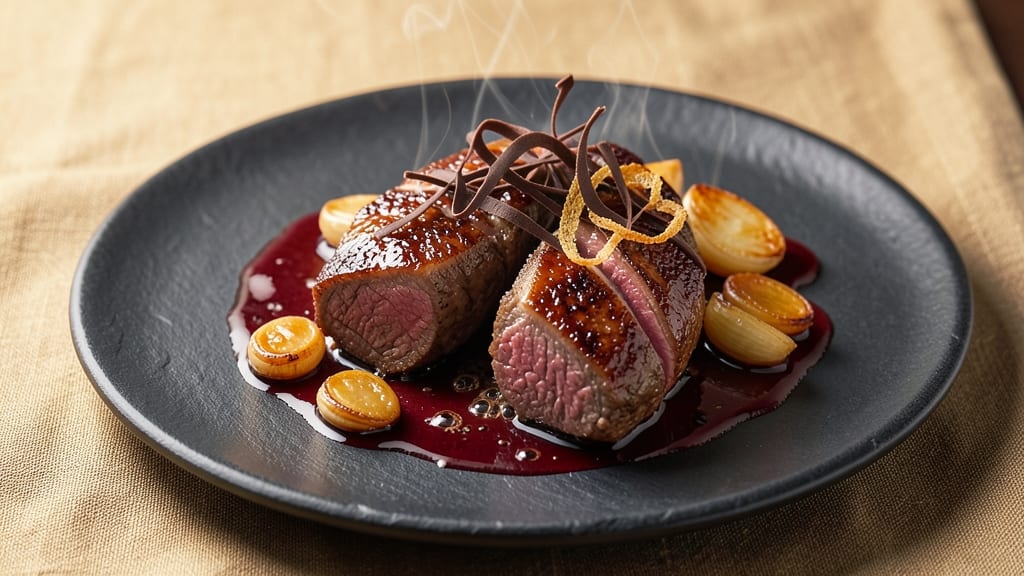
This beef and chocolate recipe transforms a classic pairing into a restaurant-worthy main course that balances rich, savory beef with deep, velvety chocolate notes. 🔥 The secret lies in a slow-braised technique that infuses the meat with a glossy, caramelized chocolate glaze—sweet yet sophisticated, with just enough bitterness to complement the beef's depth.
What starts as an unexpected combination becomes a harmonious dish that surprises even the most skeptical palates.
The process begins with tenderizing beef in a wine and herb marinade, then slow-cooking it until fork-tender before glazing it with a reduced chocolate-wine sauce.
This method ensures the chocolate enhances the beef rather than overpowering it, creating a textural contrast between the silky sauce and the meat's natural tenderness. The result is a dish that feels indulgent yet balanced—perfect for a dinner party or a special occasion.
By the time you plate it, you’ll have a golden-brown beef medallion resting on a bed of creamy mashed potatoes or roasted root vegetables, drizzled with that glossy chocolate glaze that ties everything together.
The aroma alone—warm spices, dark cocoa, and caramelized edges—will have everyone at the table anticipating the first bite. This isn’t just dessert-inspired beef; it’s a bold, flavorful main course that redefines what the pairing can achieve.
Pair it with a crisp white wine or a bold red to cut through the richness, and don’t forget a sprinkle of flaky sea salt to elevate the flavors.
The technique is straightforward, but the result is anything but ordinary—proof that sometimes, the most unexpected combinations create the most memorable meals. Let’s get cooking.
Ingredients for beef and chocolate
Rich beef, velvety chocolate, and bold wine create this restaurant-worthy main course.
| Ingredient | Amount | Notes |
|---|---|---|
| Beef Tenderloin Medallions 🥩 | 1 ½ lb | 1-inch thick slices, trimmed of fat |
| Dark Chocolate Chips 🍫 | 6 oz | 70% cocoa or higher, finely chopped |
| Dry Red Wine 🍷 | 1 cup | Bold Cabernet Sauvignon or Merlot |
| Beef Broth 🥄 | 1 cup | Low-sodium, homemade preferred |
| Shallots 🧅 | 2 whole | Minced, or 2 tbsp shallot powder |
| Garlic Cloves 🧄 | 4 cloves | Minced, fresh preferred |
| Fresh Thyme 🌿 | ¼ cup | Leaves only, stems removed |
| Fresh Rosemary 🌿 | 2 sprigs | Needles only, finely chopped |
| Olive Oil 🫒 | ½ cup | Extra-virgin, fruity variety |
| Balsamic Vinegar 🍶 | 2 tbsp | Aged 25 years or longer |
| Honey 🍯 | 1 tbsp | Wildflower preferred |
| Unsalted Butter 🧈 | 4 tbsp | Cold, cubed for sauce |
| Flaky Sea Salt 🧂 | 1 tsp | For finishing |
| Ground Black Pepper 🌶️ | 1 tsp | Freshly cracked |
| Cinnamon Stick 🌿 | 1 whole | For sauce depth |
The beef tenderloin is non-negotiable here—its natural tenderness ensures it doesn’t overpower the chocolate. Look for a well-marbled cut at specialty butchers like D'Artagnan or Whole Foods for the best flavor. If using pre-sliced medallions, trim any visible fat to prevent greasiness in the sauce. The chocolate must be 70% cocoa or higher—Ghirardelli or Valrhona brands deliver the deepest, most complex flavor profile. Fresh herbs matter too; Trader Joe's often carries pre-packaged thyme and rosemary that’s fresher than the grocery store’s sad bunches.
No red wine? Substitute with beef broth and a splash of balsamic vinegar, but the wine’s acidity is key for balancing the chocolate’s richness. Shallots can be swapped for 1 tbsp onion powder, though fresh shallots add a delicate sweetness. If you’re avoiding chocolate, dried cherries or orange zest can mimic the fruitiness, though they won’t replicate the depth. For the sauce, dark brown sugar replaces honey in a pinch, though it lacks the floral notes. Always use extra-virgin olive oil—cheap oil will make the sauce taste flat. And trust me on the cinnamon stick: it infuses warmth without overpowering.
The beef medallions should rest at room temperature for 30 minutes before cooking—this ensures even searing. Store any leftover sauce in an airtight container for 5 days; it reheats beautifully and tastes even richer the next day. Freeze the sauce in ice cube trays for 3 months if you’re prepping ahead. The chocolate glaze sets at room temperature, so cover it with parchment to prevent a skin from forming. For a showstopper presentation, drizzle the sauce over seared medallions just before serving—flaky sea salt on top adds a textural contrast that elevates every bite.
Why You'll Love This Recipe
- I’ll be real: beef tenderloin isn’t cheap, but this recipe stretches it further than you’d think. The wine and chocolate elevate it to feel special, and the broth keeps the dish hearty without breaking the bank. It’s the kind of meal that makes you feel rich when you’re not.
- One-Pan Magic: I swear by this recipe—just sear the beef, deglaze with wine, toss in chocolate chips, and let them melt into a glossy sauce. No extra pots, no fuss, and the pan does all the work while you sip your wine (because you deserve it).
- Rich, Unexpected Twist: The dark chocolate chips melt into the red wine reduction, creating this deep, velvety sauce that’s both decadent and savory. It’s like a steakhouse dessert in one bite—sweet, salty, and so satisfying I’ll often eat it straight from the pan.
- Date Night or Dinner Party: Between us, this is my go-to for impressing guests without slaving away in the kitchen. The beef tenderloin feels fancy, but the chocolate sauce makes it feel like a restaurant-worthy dish. Plus, the leftovers reheat beautifully for lazy weeknight dinners.
Step-by-step instructions for beef and chocolate medallions
This unexpected pairing delivers rich, velvety chocolate-infused beef with a bold wine reduction.
🍳 Step 1: Sear the Beef Medallions to Perfection
Heat 0.25 cup olive oil in a heavy skillet over medium-high heat until shimmering. Pat the 1.5 lb beef tenderloin medallions completely dry with paper towels—this ensures maximum browning. Season both sides generously with ground black pepper and flaky sea salt, then sear for 2-3 minutes per side until deep golden brown with a crust.
Remove the medallions and set aside on a warm plate. The internal temperature should reach 130°F—they'll carry over to 140°F while resting. Don't overcrowd the pan; sear in batches if needed to maintain even heat. The crust forms quickly, so resist the urge to move them prematurely.
🥘 Step 2: Build the Chocolate-Wine Reduction
In the same skillet, reduce heat to medium and add 2 whole minced shallots and 4 cloves minced garlic. Sauté for 2 minutes until softened but not browned. Stir in 0.25 cup fresh thyme leaves and 2 sprigs chopped rosemary, cooking for 30 seconds until fragrant.
Pour in 1 cup dry red wine and scrape up any browned bits from the bottom—this releases deep flavor. Simmer for 3 minutes until reduced by half. Add 6 oz finely chopped dark chocolate chips and stir constantly until fully melted, creating a glossy, velvety base. The chocolate should dissolve completely, creating a rich, bittersweet foundation.
🍳 Step 3: Finish with Broth and Butter
Pour in 1 cup beef broth and add the whole cinnamon stick. Simmer for 5 minutes until slightly thickened. Remove the cinnamon stick. Stir in 4 tbsp cold unsalted butter, 2 tbsp balsamic vinegar, and 1 tbsp honey, whisking until the butter melts into a silky emulsion. Taste and adjust seasoning with additional flaky sea salt or black pepper as needed.
The sauce should coat the back of a spoon with a luxurious sheen. If it's too thick, add 1-2 tablespoons water to reach your desired consistency. The chocolate and wine create a complex, slightly sweet-savory balance that complements the tender beef beautifully.
🔪 Step 4: Plate and Garnish
Return the seared medallions to the skillet and spoon the chocolate-wine sauce generously over them. Let them sit for 1 minute to absorb the flavors. Transfer to warm plates and garnish with an additional sprinkle of flaky sea salt and a few rosemary needles for freshness.
Serve immediately with crusty bread or roasted vegetables to soak up the decadent sauce. The contrast between the tender, seared beef and the rich, bittersweet chocolate sauce creates a truly memorable dining experience. Each bite delivers layers of depth—smoky wine, earthy chocolate, and the inherent richness of the beef.
Pro Tips For Making Beef And Chocolate
- SEAR THE MEDALLIONS FAST: Use a screaming-hot pan—cast iron if you have it—and cook those beef medallions for just 2 minutes per side. You’re not deep-frying, just building a crust, so resist the urge to move them around. I learned this the hard way after walking away for "just a second" and ending up with gray, rubbery beef.
- CHOP SHALLOTS FINE AND COOK LOW: Slice those shallots paper-thin and cook them in the same pan as the seared beef, but turn the heat down to medium-low after the first minute. Burnt shallots taste like ash, and nobody wants that competing with the rich chocolate-wine sauce. (Yes, even if you’re impatient like me.)
- DEGLLAZE WITH WINE IMMEDIATELY: As soon as you remove the beef, pour in that red wine right away—the pan will spit, but don’t flinch. Let it bubble for 30 seconds before adding the beef broth, or you’ll end up with a thin, vinegary sauce instead of something velvety. I used to wait, and the flavor was always off.
- USE SEMISWEET CHOCOLATE, NOT BITTER: Dark chocolate chips are convenient, but they’re often too bitter for this dish. Swap in 70% cacao max or use a high-quality semisweet chocolate bar, chopped yourself—it melts smoother and balances the acidity of the wine. I was skeptical until I tried it, and now I won’t go back.
Dietary considerations for beef and chocolate
Gluten-Free Adaptations
This recipe is naturally gluten-free—no modifications needed for the beef or chocolate sauce! The key is ensuring all supporting ingredients like beef broth and balsamic vinegar are certified gluten-free. I always check labels on beef broth (like Pacific Foods or Imagine brands) and balsamic vinegar (avoid malt vinegar blends).
For extra insurance, use a dedicated skillet if your kitchen handles gluten-containing foods. 🌱
Dairy-Free Options
Replace the 4 tbsp unsalted butter in the sauce with vegan butter (like Miyoko's) or coconut oil for a dairy-free version. The texture remains rich, though coconut oil adds a subtle sweetness that complements the chocolate.
For the searing step, use avocado oil instead of olive oil—it has a higher smoke point for perfect crust formation. Test the sauce consistency carefully; dairy-free fats can behave differently when emulsified.
Chocolate Allergies
If someone can't have chocolate, swap the 6 oz dark chocolate chips for 2 tbsp unsweetened cocoa powder mixed with 1 tbsp orange zest (for brightness) or 1 tbsp dried cranberries (for tartness). The wine reduction will still develop depth, though the sauce will be less velvety.
For a deeper flavor, add ½ tsp smoked paprika to mimic chocolate's earthiness. Always confirm with the person avoiding chocolate—they may also need to avoid cocoa powder.
Lower Sugar Approach
Reduce the 1 tbsp honey to just ½ tbsp and omit the 2 tbsp balsamic vinegar (it contains residual sugar). Use 1 tsp maple syrup instead for a subtle sweetness. The chocolate's natural bitterness will shine through, creating a more balanced sauce.
For extra depth, add 1 tsp espresso powder to the sauce—it enhances chocolate flavor without adding sugar. This version still delivers richness but with fewer refined sugars. 💪
Protein Swaps
For a lighter option, replace beef tenderloin with chicken thighs (bone-in for moisture) or portobello mushrooms (for a vegetarian version). The chocolate-wine sauce works beautifully with either—just adjust cooking times. Chicken thighs need 4-5 minutes per side to sear, while mushrooms should roast for 10 minutes** before adding the sauce.
The sauce's depth makes it versatile enough to elevate these alternative proteins without overpowering them.
Nutrition facts
Frequently asked questions
Why does chocolate work with beef in this recipe?
The chocolate's bitterness balances the beef's richness while its natural sweetness enhances the wine's acidity. The slow reduction process creates a velvety sauce that coats the meat, adding depth without overpowering. Think of it like a sophisticated mole—complex layers of flavor where sweet and savory harmonize.
Can I use milk chocolate instead of dark chocolate?
Not recommended—milk chocolate lacks the depth needed to complement beef. For best results, stick with 70% cocoa or higher dark chocolate. If you must use sweeter chocolate, reduce the honey to ½ tbsp and add ½ tsp espresso powder to enhance the chocolate's natural flavor. The sauce will still work, but the bitterness will be less pronounced.
How do I prevent the chocolate from seizing in the sauce?
Heat the wine and broth first to medium-low before adding chocolate. Stir constantly and keep the temperature below 160°F—if it gets too hot, remove from heat temporarily. A 1-inch piece of chocolate should melt completely before adding more. Patience is key—rushing causes lumps!
What's the best wine to use if I don't have Cabernet?
Use a bold red like Merlot or Syrah—both have enough body and acidity to cut through the chocolate. Avoid light wines like Pinot Noir. For non-alcoholic versions, substitute with 1 cup beef broth + 2 tbsp balsamic vinegar, but the sauce will be less complex. A splash of red wine vinegar can help mimic the acidity.
Can I make this ahead of time?
Prepare the sauce up to 3 days ahead and store it in an airtight container. Reheat gently over low heat until warmed through, stirring occasionally. For the beef, sear it fresh and reheat the sauce separately—adding cold sauce to hot beef can cause it to seize. The flavors actually improve overnight!