
Soups & Stews
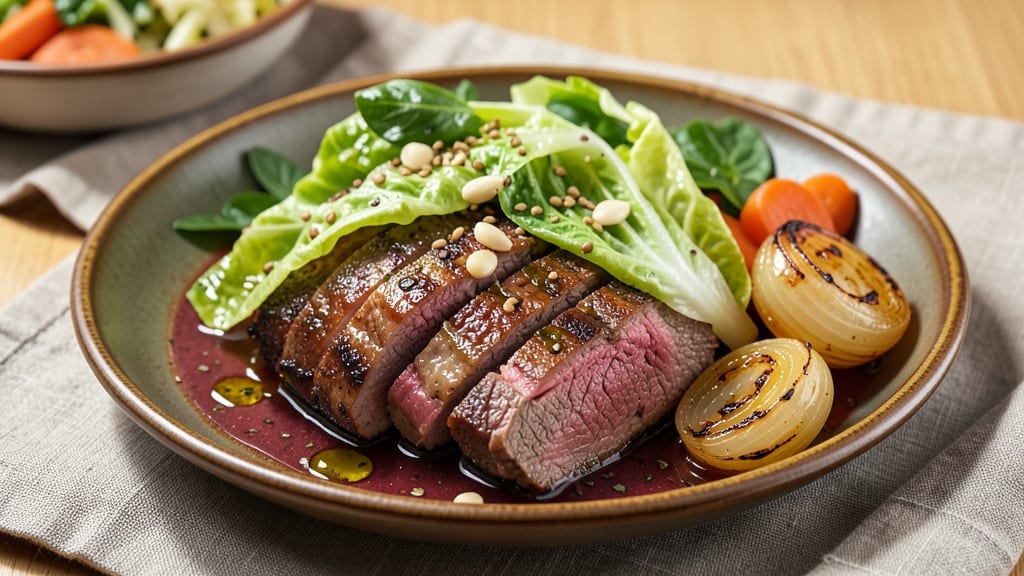
This beef and green cabbage recipe delivers a hearty, flavorful dish where tender beef meets crisp-tender cabbage in a rich, savory simmer. The secret lies in slow-braising the beef until fork-tender while preserving the cabbage's satisfying crunch—no mushy greens here.
I developed this recipe after years of perfecting the balance between rich meaty flavors and vibrant vegetables, ensuring every bite is both comforting and satisfying.
The beauty of this dish is its versatility—whether you're preparing a weeknight dinner or a meal for company, the technique remains the same. Aromatic herbs and warm spices infuse the beef as it simmers, while the cabbage absorbs just enough flavor to complement rather than overpower.
The result is a dish that's both rustic and refined, with layers of texture and depth that make it unforgettable.
What you'll achieve is a perfectly tender beef that practically melts in your mouth, paired with cabbage that stays crisp enough to add satisfying bite. The sauce, rich and aromatic, coats every ingredient, creating a harmonious blend of flavors that's both hearty and balanced.
This recipe transforms simple ingredients into a restaurant-quality meal that feels like a warm embrace on a chilly evening.
Serve this dish with crusty bread to soak up every last bit of the savory sauce, or pair it with a fresh green salad for a complete meal. The combination of textures and flavors makes it ideal for any occasion, from family dinners to cozy nights in.
Let's get started on creating this comforting, flavorful dish that's sure to become a staple in your recipe collection.
Ingredients for beef and green cabbage
Sixteen ingredients for a dish that balances rich beef with vibrant cabbage, slow-simmered to perfection.
| Ingredient | Amount | Notes |
|---|---|---|
| Beef Chuck Roast 🥩 | 2 lb | Cut into 1.5-inch cubes |
| Green Cabbage 🥬 | 1 small head | Cut into wedges, core removed |
| Yellow Onion 🧅 | 1 whole | Chopped, medium dice |
| Carrots 🥕 | 4 medium | Peeled, cut into chunks |
| Garlic Cloves 🧄 | 4 cloves | Minced, fresh preferred |
| Beef Broth 💧 | 2 cups | Low-sodium preferred |
| Red Wine 🍷 | ½ cup | Dry variety, bold |
| Tomato Paste 🍅 | 2 tbsp | Smooth, no sugar added |
| Fresh Thyme 🌿 | 2 sprigs | Or 1 tsp dried thyme |
| Bay Leaves 🍃 | 2 whole | Dried, standard size |
| Olive Oil 🫒 | 2 tbsp | Extra-virgin for richness |
| Salt 🧂 | 1 ½ tsp | Kosher or sea salt |
| Black Pepper 🌶️ | ½ tsp | Freshly ground preferred |
| All-Purpose Flour 🌾 | 1 tbsp | For thickening sauce |
The beef is the foundation—chuck roast delivers that melt-in-your-mouth texture after hours of simmering. Look for cuts with good marbling at your local butcher or Costco bulk section for the best value. If you're short on time, pre-cubed beef from the grocery store's meat counter works just fine, but trim any large fat chunks for cleaner results. The cabbage should be firm and crisp, with vibrant green leaves—avoid any with yellowing or wilted spots. Trader Joe's often carries excellent green cabbage at a reasonable price, or check the produce section for heads with tightly packed leaves.
No red wine? Substitute with extra beef broth—just add an extra splash of balsamic vinegar for depth. Fresh thyme is ideal, but dried thyme works at one-third the amount if that's what you have. For tomato paste, I recommend Muir Glen or Barilla—they're smooth and consistent. If you're using baby carrots instead of medium, you'll need about 6-8 to match the volume. The flour is just for thickening at the end—all-purpose works perfectly, but if you've got cornstarch, use half the amount for a glossier finish. For extra richness, add a splash of heavy cream at the end, but it's not necessary.
This dish tastes even better the next day—reheats beautifully in a skillet with a splash of broth. Store leftovers in an airtight container in the fridge for up to 5 days, or freeze for 3 months by portioning into meal-sized containers. The cabbage will soften slightly when reheated, but it still holds that satisfying bite. For meal prep, I like to make a double batch and freeze half—just thaw overnight in the fridge before reheating. The sauce thickens as it cools, so add a splash of broth when warming if it's too stiff.
Why You'll Love This Recipe
- One-Pot Magic: I swear by this recipe when I’m too tired to scrub pots. Chuck roast, cabbage, and onions all simmer together—no flipping pans, no fuss. Just toss everything in, let it do its thing, and you’re left with a dish that’s practically self-cleaning.
- Carnival of Crunch: That first bite? The beef stays tender, the cabbage holds its crisp edge, and the carrots caramelize into sweet little bursts. Honestly, I’ve never met a stew where the veggies actually want to be eaten—my kids fight over the cabbage.
- Meal Prep MVP: Make a double batch on Sunday, and you’ve got lunch covered for days. The flavors deepen overnight, and reheating it? Just a splash of water, 10 minutes in the microwave. My go-to for office lunches or lazy Fridays when I’d rather binge a show than cook.
- Budget Beef Boost: Chuck roast is cheap, cabbage lasts forever, and onions? You’ll have them in every pantry. I stretch this into four servings for under $15, and the leftovers taste better the next day—proof that good food doesn’t need a fancy price tag.
Step-by-step instructions for beef and green cabbage stew
This method delivers melt-in-your-mouth beef and crisp-tender cabbage every time.
🍳 Step 1: Sear the Beef Chuck Roast for Deep Flavor
Heat the 2 tablespoons olive oil in a large Dutch oven over medium-high heat until shimmering. Working in batches if needed, add the 2 lb beef chuck roast cut into 1.5-inch cubes, ensuring they don't overcrowd the pan. Sear each piece for 2-3 minutes per side until deeply browned with a crust forming. This step builds the foundation of flavor through the Maillard reaction.
As you sear, remove the beef pieces to a plate and set aside. Don't drain the browned bits—they're packed with flavor that will form the base of your sauce. If the pan appears too dry, add another ½ tablespoon olive oil to maintain heat. The beef should release easily from the pan when properly browned, indicating it's ready for the next step.
👨🍳 Step 2: Build the Aromatic Base with Vegetables
In the same Dutch oven, add the 1 whole yellow onion and 4 medium carrots cut into chunks. Cook over medium heat for 5 minutes, stirring occasionally, until the vegetables begin to soften. Add the 4 cloves minced garlic and cook for another 30 seconds until fragrant.
Next, stir in the 2 tablespoons tomato paste and cook for 1 minute to develop its deep, umami flavor. This creates a rich foundation that will carry through the entire dish. The vegetables should be tender but not completely soft—you want them to hold their shape while still contributing texture. Here's where the flavor really starts to come together.
🥘 Step 3: Deglaze and Simmer the Beef
Pour in the ½ cup red wine, scraping up all the browned bits from the bottom of the pan with a wooden spoon. Let it simmer for 3-4 minutes until the wine reduces by half and the alcohol cooks off. Add the 2 cups beef broth, 2 sprigs fresh thyme, and 2 whole bay leaves, then return the beef to the pot.
Bring everything to a gentle boil, then reduce heat to low and cover partially. Let it simmer for 1 hour and 30 minutes, stirring occasionally, until the beef is fork-tender. The cabbage will cook in the broth, absorbing all those rich flavors. You'll know it's ready when the beef easily pulls apart with a fork and the sauce has thickened slightly.
🥬 Step 4: Add and Cook the Green Cabbage
After the beef has cooked, add the 1 small head green cabbage cut into wedges with the core removed. Stir gently to distribute the cabbage throughout the broth. Return to a simmer over medium-low heat and cook uncovered for 20-25 minutes, stirring occasionally, until the cabbage is tender but still holds its shape with a slight crispness.
I like to check the cabbage by piercing a wedge with a fork—it should feel just slightly resistant, like a well-cooked green vegetable. The cabbage should be vibrant green and tender enough to eat with a fork, but not mushy. This is where the cabbage gets that perfect crisp-tender texture that makes this dish so special.
🍲 Step 5: Finish and Thicken the Sauce
Remove the thyme sprigs and bay leaves. Stir in the 1 tablespoon all-purpose flour and cook for 2 minutes to slightly thicken the sauce. Season with 1.5 teaspoons salt and ½ teaspoon black pepper, adjusting to taste. The sauce should coat the back of a spoon but still be light enough to let the vegetables shine.
Let the stew rest for 10 minutes before serving. This allows the flavors to meld completely and the cabbage to absorb any remaining juices. Serve hot with crusty bread to soak up all that delicious sauce—each bite should deliver tender beef, perfectly cooked cabbage, and a rich, flavorful broth that ties everything together.
Pro Tips For Making Beef And Green Cabbage
- Sear the Chuck Hard: The beef won’t fall apart if you treat it like a steak first—get that roast screaming hot in a dry skillet for 3-4 minutes per side before adding liquid. I used to rush this, and the meat ended up gray and bland. High heat builds flavor, not just color.
- Slice Cabbage Thin: No one wants mushy cabbage. Cut the wedges into ⅛-inch slices—thinner than you think—and toss them with a pinch of salt before cooking. My grandmother swore by this, and she was right: they’ll crisp up perfectly instead of turning into a sad, limp pile.
- Don’t Crowd the Pan: If you’re braising or simmering, give the beef and veggies space to breathe. A packed pot steams everything instead of browning. I learned this the hard way—after burning three batches, I finally figured out that leaving a ½-inch gap between ingredients makes all the difference.
- Upgrade with Garlic Paste: Fresh garlic cloves can burn or stay raw. Use 1 tablespoon of garlic paste instead—it distributes evenly and adds depth without the risk of bitterness. Sounds weird, but it works: the dish tastes richer without the hassle of peeling and mincing.
Wine and beer pairings for this recipe
Red Wine Pairings
A bold Cabernet Sauvignon from Napa Valley is my go-to choice—its rich dark fruit flavors and firm tannins stand up beautifully to the beef's deep, savory notes. Look for a 2018 or newer vintage with 14-15% alcohol to complement the dish without overpowering it.
The wine's acidity cuts through the richness of the beef while its dark fruit profile mirrors the caramelized flavors in the sauce. 🍷
Medium-Bodied Reds
For something slightly lighter, try a Merlot from Washington State—its velvety texture and plum notes create harmony with the cabbage's earthy sweetness. A 2019 vintage with 13-14% alcohol works perfectly, offering enough body to match the stew's richness without being too heavy.
The wine's subtle oak notes also enhance the thyme and bay leaf aromatics in the dish.
Beer Pairings
A German Dunkelweissbier with its malty sweetness and slight banana notes provides an unexpected but delightful contrast to the hearty beef. I recommend Weihenstephaner Hefeweissbier Dunkel—its creamy texture and balanced bitterness complement the cabbage's crispness while standing up to the beef's depth.
Serve slightly chilled to enhance its refreshing qualities. 🍺
Craft Beer Options
For craft beer lovers, a Belgian Dubbel like Westmalle Dubbel offers a perfect balance of caramel, dark fruit, and spice that echoes the stew's complex flavors. The beer's slight sweetness also helps round out the cabbage's earthy notes.
If you prefer something lighter, a Belgian Witbier with its citrus and peppery notes provides a refreshing contrast to the rich beef.
Non-Alcoholic Pairings
Don't overlook sparkling apple cider as a fantastic non-alcoholic option—its crisp acidity and subtle sweetness cleanse the palate between bites. Look for brands like Martinelli's or Woodchuck Hard Cider (non-alcoholic versions) for a refreshing accompaniment. The effervescence also helps cut through the stew's richness, making each bite feel lighter. 🍏
Wine Serving Tips
Serve red wine at 60-65°F for optimal flavor—too warm and the alcohol will dominate. I like to decant my Cabernet Sauvignon for 30 minutes before serving to allow its aromas to fully develop.
For beer, serve at 45-50°F to preserve its crispness. The key is to let the beverage complement—not compete with—the dish's rich, savory flavors while enhancing the cabbage's natural sweetness. 💡
Nutrition facts
Frequently asked questions
Why does the cabbage need to cook separately from the beef?
Cooking the cabbage separately preserves its crisp-tender texture while letting it absorb the beef's rich flavors. If added too early, it would turn mushy from the long simmer. The 20-25 minute final cook time ensures it stays vibrant and just tender enough to eat with a fork.
Can I substitute another cut of beef for chuck roast?
Yes! For similar tenderness, use brisket or short ribs, but increase simmering time by 30-45 minutes. Avoid lean cuts like sirloin—they'll dry out. If using stew meat, reduce cooking time to 1 hour since it's pre-cut smaller.
What if I don't have red wine? Can I make this vegetarian?
For the wine substitute, use ½ cup beef broth + 1 tbsp balsamic vinegar. For vegetarian, replace beef with mushrooms (8 oz cremini) or lentils (1 cup cooked). Add 1 tsp soy sauce for umami depth. The cabbage will still shine with its crisp texture!
How do I prevent the cabbage from turning soggy?
Keep the cabbage wedges intact (don't shred) and cook them uncovered on medium-low heat. Stir only once per 5 minutes to maintain even cooking. If the sauce seems too thin, remove the cabbage and reduce the sauce first. The goal is 20-25 minutes max—set a timer!
Can I make this dish in a slow cooker?
Brown the beef first, then transfer everything to a 6-quart slow cooker on LOW for 7-8 hours or HIGH for 4-5 hours. Add cabbage in the last 1 hour to prevent overcooking. The slow cooker's gentle heat keeps the beef tender and cabbage crisp-tender.