
Soups & Stews
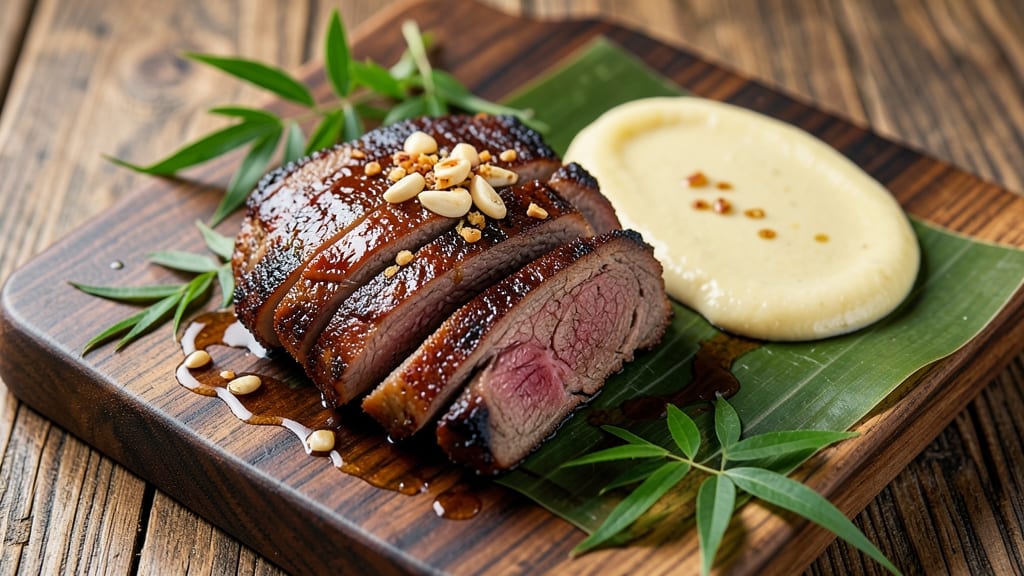
This Singapore-style beef and kaya recipe delivers a comforting breakfast stew that balances tender beef with sweet coconut jam in every bite.
The secret lies in slow-cooking the beef until fork-tender while preserving the rich, caramelized flavors of traditional kaya - a coconut jam that transforms simple toast into something extraordinary.
I developed this version after years of perfecting the balance between savory and sweet, ensuring each spoonful delivers both hearty satisfaction and nostalgic warmth.
The recipe begins with thinly sliced beef that develops deep, savory notes through a simple marinade of soy sauce and spices, then simmers until it practically melts in your mouth.
Meanwhile, the kaya - made from coconut milk, sugar, and pandan leaves - creates a fragrant, golden jam that pairs beautifully with the stew.
What makes this dish special is how the two components come together: the salty, umami-rich beef contrasts perfectly with the sweet, coconut-forward kaya, creating a harmonious breakfast experience that feels both indulgent and balanced.
By the time you're done, you'll have a steaming bowl of beef that's tender yet flavorful, swimming in a rich broth that's been infused with subtle aromatics.
The kaya, served on the side with buttered toast, adds a luxurious touch that elevates this dish from simple breakfast to something truly special.
This recipe delivers restaurant-quality results in under 2 hours, making it perfect for weekend mornings when you want to treat yourself to a taste of Singapore.
The beauty of this dish lies in its versatility - serve it with soft-boiled eggs for a complete breakfast, or enjoy it as a light lunch with steamed rice.
The kaya can be made ahead and stored for up to a week, while the beef stew reheats beautifully, making this an ideal recipe for meal prep.
Whether you're introducing someone to Singaporean flavors or recreating a childhood favorite, this beef and kaya recipe promises to deliver both comfort and sophistication.
Ingredients for beef and kaya
Pantry staples meet Singaporean flavors in this comforting beef and kaya creation.
| Ingredient | Amount | Notes |
|---|---|---|
| Thinly Sliced Beef Chuck Roast 🥩 | 1 ½ lb | Cut against grain for tenderness |
| Coconut Milk 🥥 | 13 ½ oz | Full-fat canned preferred |
| Granulated White Sugar 🍚 | 1 cup | Or coconut sugar for deeper flavor |
| Pandan Leaves 🌿 | 4 whole | Fresh, tied in cheesecloth |
| Soy Sauce 🥄 | ½ cup | Kikkoman preferred |
| Garlic Cloves 🧄 | 6 cloves | Minced for marinade |
| Ginger Root 🌿 | 2 tbsp | Freshly grated |
| Star Anise Pods 🌶️ | 2 whole | Lightly crushed |
| Cinnamon Sticks 🌿 | 2 whole | For aromatic depth |
| Vegetable Oil 🫒 | 2 tbsp | For searing beef |
| Water 💧 | 4 cups | For simmering broth |
| Salt 🧂 | 1 ½ tsp | Diamond Crystal preferred |
| Black Peppercorns 🌶️ | 10 whole | Lightly crushed |
| White Toasted Bread 🍞 | 8 slices | For serving kaya |
| Unsalted Butter 🧈 | ½ cup | For kaya spread |
The beef is everything here—chuck roast gives you that melt-in-your-mouth texture when sliced thin. Most Asian markets carry pre-sliced beef for stir-fry, but if you're slicing yourself, cut against the grain for maximum tenderness. For the kaya, fresh pandan leaves are non-negotiable—they give that signature floral aroma. Trader Joe's usually carries them in the frozen section if your local market doesn't stock fresh. The coconut milk should be full-fat; the lighter versions just won't give you that rich, creamy texture we're after.
No star anise? Cinnamon sticks alone work in a pinch, but you'll lose that subtle licorice note. Running out of pandan? Vanilla extract at half the amount mimics some of the floral sweetness, though it's not perfect. The soy sauce is where umami happens—Kikkoman is the gold standard, but any good-quality brand will do. For the ginger and garlic, fresh is ideal, but if you're in a bind, powdered garlic and ginger work at double the amount. The bread for serving? Any soft white bread works, but slightly stale slices toast up better for spreading kaya.
This beef reheats beautifully—3-4 days in the fridge or 3 months frozen. The kaya keeps even longer: 1 week refrigerated or 6 months frozen. I always make extra kaya because it's perfect for toast, pancakes, or even ice cream toppings. Store the beef in its broth, and the kaya in a sealed jar with a layer of oil on top to preserve that golden color. The butter for the kaya should be softened, not melted—room temperature is key for that perfect spreadable consistency.
Why You'll Love This Recipe
- Pandan Perfume Magic: I’ll be real—adding those pandan leaves turns this beef into something special. The faint floral aroma lingers, like a secret whisper in every bite, and it’s not overpowering, just that perfect touch of elegance. (Yes, even on a Tuesday night.)
- One-Pot Simplicity: Honestly, this recipe is all about minimal fuss. Thinly slice the beef—no fancy knife work—and toss it into the same pot with coconut milk and sugar. Stir occasionally, let it simmer, and boom. Done. That’s it. No chopping, no straining, no stress.
- Kaya’s Sweet Comfort: Between us, the kaya (coconut jam) here is ridiculously good—creamy, sweet, and just the right amount of caramelized. It pairs with the tender beef like a hug from your favorite aunt. Serve it with rice, toast, or even just a spoon—no judgment.
- Budget-Friendly Feast: Thinly sliced beef chuck stretches far, and coconut milk adds richness without breaking the bank. Leftovers? They’re even better the next day—reheat and serve with steamed rice, or toss into fried rice. This dish is my secret weapon for feeding the whole family without guilt.
Step-by-step instructions for Singapore-style beef and kaya
Here's how to create this rich, aromatic stew with tender beef and fragrant coconut sauce.
Sear the Beef for Maximum Flavor
Heat the 2 tablespoons vegetable oil in a large pot over medium-high heat until shimmering. Add the 1.5 lb thinly sliced beef chuck roast in a single layer, working in batches if needed. Let the beef sear undisturbed for 2-3 minutes per side until deeply browned and slightly crispy at the edges.
This initial searing builds a rich foundation for the stew by developing the Maillard reaction. Don't crowd the pan or the temperature will drop and you'll steam instead of sear. Once all the beef is golden, transfer it to a plate and set aside temporarily.
Build the Aromatic Base
In the same pot, add the 6 cloves minced garlic and 2 tablespoons freshly grated ginger root. Sauté for 1-2 minutes until fragrant and just beginning to color. Add the 2 lightly crushed star anise pods, 2 whole cinnamon sticks, and 4 whole pandan leaves tied in cheesecloth. Stir for 30 seconds to coat with the aromatics.
The pandan leaves will infuse that signature floral coconut aroma, while the star anise and cinnamon add warm depth. If you're using fresh pandan leaves, make sure they're tied securely in cheesecloth to prevent them from breaking apart in the liquid.
Simmer the Beef in Coconut Milk
Pour in the 13.5 oz coconut milk and scrape up any browned bits from the bottom of the pot. Return the beef to the pot and add 4 cups water, 0.5 cup soy sauce, 1.5 teaspoons salt, and 10 lightly crushed black peppercorns. Bring to a gentle simmer over medium heat.
Once simmering, reduce heat to low and cover partially. Let the stew cook for 45-50 minutes, stirring occasionally, until the beef is fork-tender. The liquid should reduce slightly but still coat the beef. You'll know it's done when the beef easily pulls apart with minimal resistance.
Finish with Sugar and Rest
Stir in the 1 cup granulated white sugar and simmer uncovered for 5-7 minutes until the sauce thickens slightly and the sugar dissolves completely. Taste and adjust seasoning if needed - you might want to add a bit more soy sauce for saltiness or sugar for sweetness.
Remove from heat and let the beef and kaya stew rest for 10 minutes before serving. This resting period allows the flavors to meld completely and the beef to absorb the aromatic coconut sauce. The pandan leaves can now be removed and discarded.
Serve with Toasted Bread and Butter Kaya
While the stew rests, prepare the kaya by melting the 0.5 cup unsalted butter in a small saucepan over low heat. Gradually whisk in 1 cup granulated white sugar until completely dissolved and smooth. Spread this warm kaya on the 8 slices white toasted bread and serve alongside the beef stew.
The combination of tender beef in rich coconut sauce with sweet kaya on toasted bread creates the perfect Singaporean breakfast experience. The contrast of textures and flavors - the tender beef, creamy coconut, sweet kaya, and crispy toast - makes each bite unforgettable.
Pro Tips For Making Beef And Kaya
- Prep Beef in Ice Water: After slicing, submerge the beef in ice water for 10 minutes—this tightens the fibers so they don’t shrink into rubber when simmering. I learned this the hard way after serving a batch that turned out chewy, and it’s now non-negotiable.
- Simmer Slow and Low: Keep the heat at a bare simmer (tiny bubbles, not rolling) once the coconut milk comes in—too much heat breaks the emulsion, and you’ll end up with a split sauce. My grandmother swore by this, and she was right: patience here means creamy, velvety texture.
- Toast Pandan Leaves: Lightly char the pandan leaves in a dry pan for 30 seconds before adding them—this intensifies their aroma without bitterness. Skip this, and the flavor will feel muted, like a whisper instead of a song.
- Sweeten Gradually: Add sugar in two stages: first with the soy sauce to balance salt, then again at the end to let the flavors meld. Dump it all in upfront, and you’ll end up with a cloyingly sweet mess—trust the process, even if it feels counterintuitive.
Essential equipment for great beef and kaya
Wok for Perfect Searing
For that signature Singaporean sear, a 14-inch carbon steel wok is ideal—it conducts heat evenly and gets hot enough to create those beautiful caramelized edges on your beef.
I use my Made In wok (available at Williams Sonoma) because it retains heat like a dream, but any heavy-bottomed wok will work. If you don’t own one, a large stainless steel skillet (like All-Clad) is a great alternative—just make sure it’s wide enough to avoid overcrowding the beef. 🔥
Heavy-Duty Pot for Stewing
The beef needs to simmer gently for 45-50 minutes, so a 5-6 quart Dutch oven is perfect—it holds heat well and prevents the liquid from evaporating too quickly.
I swear by the Le Creuset Signature for its even heating and durability, but the Calphalon Classic is a more budget-friendly option that still delivers. Avoid thin, non-stick pots—they can’t handle the prolonged simmering without warping.
Cheesecloth for Pandan Infusion
Fresh pandan leaves are essential for that floral coconut aroma, but they need to be contained. A small piece of cheesecloth (about 4x4 inches) tied around the leaves keeps them intact while allowing the flavor to infuse.
I keep a roll of Annie’s Homegrown cheesecloth in my pantry—it’s reusable and sturdy enough to handle the simmering process. If you don’t have cheesecloth, a clean kitchen towel tied tightly works in a pinch.
Immersion Blender for Smooth Kaya
For the kaya, an immersion blender (like the Ninja BN601) is a game-changer—it emulsifies the butter and sugar into a silky-smooth spread without breaking the sauce. If you don’t have one, a hand mixer or even a whisk works, but you’ll need to work faster to avoid graininess.
Pro tip: Warm the sugar slightly before blending to help it dissolve more easily into the butter.
Fine-Mesh Strainer for Broth Clarity
If you prefer a clearer broth, strain the finished stew through a fine-mesh sieve or chinois before serving. I love the OXO Good Grips strainer—it’s sturdy and easy to clean.
Skip this step if you enjoy the rustic texture of the spices in the broth, but straining removes any unwanted bits and makes the dish look restaurant-worthy. 💫
Serving Tools for Presentation
For that authentic Singaporean breakfast feel, serve the beef in individual bowls (like Corelle Stoneware) and the kaya on toasted bread slices arranged on a platter.
I use a slotted spoon to serve the beef to keep the broth intact, and a small offset spatula to spread the kaya evenly. A small ramekin for the kaya adds a polished touch to your presentation.
Nutrition facts
Frequently asked questions
Can I substitute regular beef for chuck roast in this recipe?
While you can use other cuts like sirloin or flank steak, chuck roast is ideal because it stays tender when sliced thin and develops rich flavor during long simmering. For best results, choose a cut with good marbling and slice it ¼-inch thick against the grain. If using leaner cuts, marinate them for 30 minutes in soy sauce and a little oil first to prevent drying out.
How do I make kaya if I can't find pandan leaves?
For a similar floral aroma, use ½ teaspoon vanilla extract or ¼ teaspoon pandan extract (found in Asian markets) per cup of sugar. You can also add a pinch of cinnamon and cardamom for warmth, though it won't perfectly replicate pandan's unique scent. The texture will still be rich and sweet—just slightly different in flavor.
Can I prepare this dish ahead of time?
The beef stew reheats beautifully—store it in the fridge for 3-4 days or freeze for 3 months. The kaya keeps for 1 week refrigerated or 6 months frozen. Reheat the stew gently on low heat or in the microwave (covered) until hot. For the kaya, spread it on toast while still warm for the best texture.
What's the best way to serve this Singaporean breakfast?
Traditionally, it's served with toasted white bread for the kaya, soft-boiled eggs, and sometimes cups of kopi (Singaporean coffee) or tea. For a complete meal, add steamed jasmine rice or kaya toast on the side. The contrast of the sweet kaya with the savory beef makes every bite balanced and satisfying.
Why did my beef turn out tough instead of tender?
Tough beef usually means it wasn't cooked long enough or was overcrowded during searing. To fix this, ensure you're using thinly sliced beef (¼-inch thick) and simmering it for the full 45-50 minutes at a gentle boil. Avoid covering the pot completely—this traps steam and can make the beef mushy. If it's still tough, try shredding it and using it in pho or ramen for another dish.