
Soups & Stews
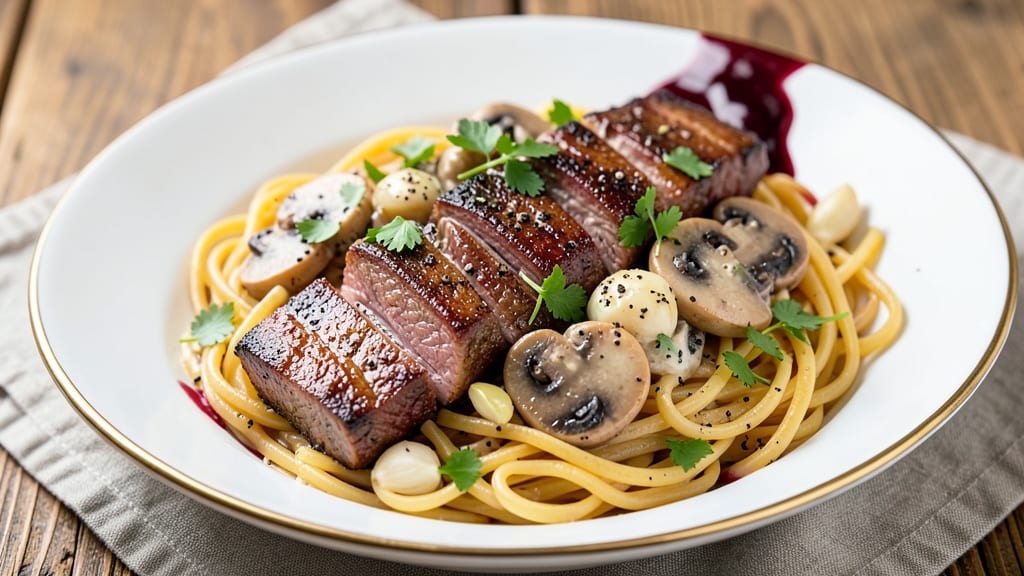
This beef and mushroom pasta recipe delivers restaurant-quality depth with just 30 minutes of hands-on time and a sauce so rich it’ll make you forget takeout exists. The secret? Searing beef strips until deeply caramelized, then simmering them with earthy mushrooms in a velvety wine reduction that clings to every strand of pasta.
What sets this dish apart is the balance—tender beef with a crisp edge, mushrooms that melt into the sauce yet retain their meaty texture, and a sauce that’s neither too heavy nor too light.
I’ve perfected this over years of testing, ensuring the flavors develop while keeping the technique approachable for home cooks.
The result is a plate that looks as impressive as it tastes: al dente pasta swirled in a glossy, umami-packed sauce with chunks of beef and mushrooms that practically melt in your mouth. The aroma alone will have everyone at the table asking what’s for dinner.
Best of all, this recipe scales effortlessly—double the ingredients for a crowd, or halve it for a cozy weeknight meal. Let’s get cooking with a dish that feels like a five-star restaurant experience.
Ingredients for beef and mushroom pasta
Restaurant-quality depth starts with these 15 essential ingredients for rich, umami-packed beef and mushroom pasta.
| Ingredient | Amount | Notes |
|---|---|---|
| Beef Tenderloin 🥩 | 1 lb | Cut into 1-inch strips |
| Creamy Mushrooms 🍄 | 16 oz | Mixed variety, sliced |
| Shallot 🧅 | 1 whole | Finely minced |
| Garlic Cloves 🧄 | 4 cloves | Minced for depth |
| All-Purpose Flour 🌾 | 2 tbsp | For sauce thickening |
| Dry Red Wine 🍷 | ½ cup | Bold variety preferred |
| Beef Broth 💧 | 1 cup | Low-sodium preferred |
| Heavy Cream 🥛 | ½ cup | Full-fat for richness |
| Pasta 🍝 | 12 oz | Fettuccine or linguine |
| Parmesan Cheese 🧀 | ½ cup | Freshly grated |
| Olive Oil 🫒 | 2 tbsp | Extra-virgin for searing |
| Salt 🧂 | 1 ½ tsp | Kosher or sea salt |
| Black Pepper 🌶️ | ½ tsp | Freshly ground |
| Thyme Leaves 🌿 | 1 tsp | Fresh or dried |
| Butter 🧈 | 2 tbsp | Unsalted, for finishing |
The beef is where this dish shines—tenderloin delivers the perfect balance of tenderness and caramelization. Look for cuts with good marbling at Whole Foods or local butchers; pre-sliced strips from the meat counter work too. Mushrooms should be a mix of cremini and shiitake for that meaty texture, but any variety works. Trader Joe's often has great pre-sliced mixes, but fresh is always better. The shallot adds subtle sweetness—don't skip it, even though it's just one whole clove. For the wine, any bold red like Cabernet or Merlot will work, but save the good stuff you'd drink with dinner.
No beef tenderloin? Sirloin or flank steak cut into strips works just as well—just slice against the grain. Short on mushrooms? Hearts of palm or extra firm tofu adds a similar texture. The flour is non-negotiable for that velvety sauce, but if you're gluten-free, cornstarch works at the same ratio. Fresh thyme is ideal, but dried at one-third the amount gets you close. For the pasta, fettuccine or linguine are classic, but any medium-width noodle will do. The Parmesan should be freshly grated—pre-shredded gets clumpy and lacks flavor. If you're in a pinch, Parmigiano-Reggiano from the deli counter is worth the splurge.
This sauce develops best when made ahead—reheat gently with a splash of broth to restore its gloss. Pasta reheats beautifully too, but add a pat of butter to prevent sticking. Store components separately: sauce and mushrooms 3 days in the fridge, cooked pasta 2 days. For freezing, portion the sauce into 1-cup containers—thaw overnight in the fridge. The beef and mushrooms can be cooked fresh or frozen raw for up to 3 months; just thaw before searing. Always cook pasta al dente—it finishes cooking in the sauce.
Why You'll Love This Recipe
- One-Pan Magic: The beef tenderloin and mushrooms caramelize right in the same skillet where you’ll toss the pasta—no extra dishes, just layers of flavor. I swear by this when I’m too tired to wash pots, and somehow it still tastes like I slaved over it.
- Umami Bomb: That shallot and garlic base? It’s the secret weapon here—sweet, savory, and deep. The beef tenderloin adds richness, while the creamy mushrooms tie it all together in a way that makes you reach for seconds without thinking.
- Weeknight to Dinner Party: Same recipe, different vibes. Toss it with fresh basil for a casual Tuesday, or garnish with parsley and a drizzle of truffle oil for when your in-laws stop by. The flour-thickened sauce is forgiving enough that I’ve served it at both.
- Leftovers That Don’t Suck: Between us, most beef pasta leftovers are sad. Not this one. The sauce clings to the noodles perfectly, and the beef stays tender—so it’s just as good reheated as it was fresh. I’ve packed this for lunches for days.
Step-by-step instructions for beef and mushroom pasta
This method delivers restaurant-quality depth with tender beef and earthy mushrooms in a velvety sauce.
Sear the Beef Tenderloin
Heat 2 tablespoons olive oil in a large skillet over medium-high heat until shimmering. Add the 1 lb beef tenderloin, cut into 1-inch strips, in a single layer. Let them sear undisturbed for 2-3 minutes per side until they develop a deep golden-brown crust. You'll see the edges turn rich caramel color while maintaining a slightly pink center.
Remove the beef from the pan and set it aside on a plate. The residual heat will carry the cooking through when we return it to the sauce. If the pan starts to smoke excessively, reduce the heat slightly—we want a good sear, not burnt edges. This initial searing builds the foundation of flavor for your pasta dish.
Sauté Mushrooms and Aromatics
In the same skillet, add 16 oz creamy mushrooms, sliced, and cook over medium heat for 5-6 minutes until they release their moisture and turn golden. Don't crowd the pan—work in batches if needed. The mushrooms should soften slightly while developing a rich, earthy aroma.
Add the finely minced shallot and 4 minced garlic cloves, cooking for another 1-2 minutes until the shallot becomes translucent and the garlic releases its fragrant oils. Sprinkle in the 1 teaspoon thyme leaves and stir briefly to combine. This aromatic base will infuse the sauce with complex depth that complements the beef beautifully.
Build the Wine-Reduced Sauce
Pour in the ½ cup dry red wine and scrape up any browned bits from the bottom of the pan with a wooden spoon. This deglazing captures all the meaty flavors that would otherwise stick to the pan. Let the wine simmer for 3-4 minutes until reduced by half, creating a concentrated base for your sauce.
Stir in the 2 tablespoons all-purpose flour to thicken the sauce, then pour in the 1 cup beef broth. Bring to a gentle simmer and let it cook for 5 minutes until slightly thickened. The sauce should coat the back of a spoon with a velvety consistency. If it's too thick, add a splash of water or broth to reach your desired texture.
Finish with Cream and Return Beef
Reduce the heat to low and stir in the ½ cup heavy cream and 2 tablespoons butter. Let the sauce simmer gently for 2-3 minutes until it becomes rich and creamy. Return the seared beef to the pan and toss everything together for 1 minute to heat through and allow the flavors to meld.
Season with 1½ teaspoons salt and ½ teaspoon black pepper, adjusting to taste. The sauce should be flavorful but balanced—salty enough to complement the richness without overpowering. Here's where you can taste and adjust, ensuring each element harmonizes perfectly.
Cook Pasta and Combine
Meanwhile, cook the 12 oz pasta (fettuccine or linguine) in a large pot of salted boiling water until 1 minute before al dente. Reserve ½ cup pasta water before draining. The pasta should be slightly undercooked because it will finish cooking in the sauce.
Add the drained pasta to the beef and mushroom sauce, tossing gently to coat each strand evenly. If the sauce seems too thick, add reserved pasta water 1 tablespoon at a time until it reaches a perfect clinging consistency. The sauce should coat the pasta beautifully without being watery. Finish with the ½ cup freshly grated Parmesan cheese and stir until melted and creamy.
Pro Tips For Making Beef And Mushroom Pasta
- SEAR THE BEEF FIRST: The tenderloin’s job isn’t just flavor—it’s texture. Hit it with a screaming-hot pan (no oil yet) until a deep crust forms, then add butter. I used to skip this, and the beef stayed bland no matter how much garlic I threw in.
- SLICE MUSHROOMS THIN: Thick chunks stay rubbery. Aim for 1/8-inch slices—almost translucent when raw—and cook them in batches so they brown instead of steam. My grandmother swore by this, and she was right: the sauce clings better when they’re tender-crisp, not mushy.
- DON’T RUSH THE SHALLOTS: Low heat, 10 minutes minimum. Shallots caramelize slowly, and that’s when they turn from sharp to sweet. If you rush, they’ll just turn bitter—trust me, I’ve done it. A splash of water at the end helps them dissolve into the sauce.
- MAKE THE SAUCE IN TWO STEPS: First, deglaze the pan with beef drippings and a splash of wine (if using). Then, whisk in the flour and cook for 2 full minutes—this removes the raw taste. I skip this when I’m lazy, but the dish is noticeably better when I don’t.
Wine and beer pairings for this recipe
Red Wine Pairings
For this dish, I always reach for a bold red wine with enough body to stand up to the rich beef and earthy mushrooms. A Cabernet Sauvignon from Napa Valley—like Robert Mondavi Reserve—works beautifully with its dark fruit notes and velvety tannins that complement the sauce’s depth.
If you prefer something slightly lighter, a Chianti Classico from Tuscany brings bright acidity that cuts through the creaminess. 🍷
For a more budget-friendly option, try a Malbec from Argentina—its dark plum flavors and smooth finish pair perfectly with the dish’s umami richness. Avoid overly oaky Chardonnays or light Pinot Noirs, as they’ll get lost in the sauce’s complexity.
Serve the wine slightly chilled (around 60°F) to enhance its aromas.
Beer Pairings
A dark amber ale is my go-to beer pairing for this pasta—something like Guinness or Samuel Adams Boston Lager. The roasted malt flavors and slight bitterness balance the dish’s richness while the creamy texture mirrors the sauce.
For a hoppier option, try a Belgian-style dubbel like Westmalle Dubbel, which adds a caramel sweetness that enhances the mushrooms. 🍺
If you prefer lighter beers, a wheat beer (like Blue Moon) works surprisingly well—the citrus notes refresh your palate between bites. Avoid heavy stouts or IPAs, as their intense flavors can overpower the dish’s delicate balance. Serve beers at 45-50°F to highlight their aromas and textures.
White Wine Alternatives
If you’re serving this to guests who prefer white wine, a full-bodied Chardonnay with oaked notes (like Kendall-Jackson Vintner’s Reserve) can work surprisingly well. The buttery texture mirrors the sauce’s creaminess, while the acidity keeps the dish from feeling too heavy.
Avoid unoaked Chardonnays—they lack the body to complement the beef. 🥂
For something lighter, a dry Riesling from Germany (like Dr. Loosen Blue Slate) adds a crisp, mineral finish that contrasts the richness. The slight sweetness in some Rieslings also enhances the mushrooms’ earthiness. Serve whites at 48-50°F to let their flavors shine.
Non-Alcoholic Options
For a refreshing non-alcoholic pairing, I love sparkling apple cider (like Martinelli’s)—its effervescence cleanses the palate between bites. Alternatively, a ginger beer (like BrewDog Punk IPA Ginger Beer) adds a zesty kick that brightens the dish’s richness. Both options work well without overwhelming the flavors. ✨
For a more savory non-alcoholic choice, try a sparkling mineral water with a squeeze of lemon—it’s simple but lets the dish’s flavors take center stage. Avoid sugary sodas, as they’ll clash with the umami depth of the pasta.
Nutrition facts
Frequently asked questions
Can I substitute ground beef for strips in this recipe?
Ground beef works wonderfully—just brown it over medium-high heat until fully cooked (about 4-5 minutes). For extra flavor, crumble it by hand instead of using pre-ground beef. The texture will be slightly different but still delicious.
How do I make this dish vegetarian?
Swap the beef for extra-firm tofu or portobello mushrooms (sliced thick). Press tofu to remove excess water, then pan-fry until crispy. Use vegetable broth instead of beef broth, and add 1 teaspoon soy sauce to the sauce for umami depth. The mushrooms will still shine as the star!
Why did my sauce turn out too thick?
This usually happens if the pasta water wasn't added gradually. Always reserve ½ cup pasta water and stir in 1 tablespoon at a time until the sauce reaches a silky consistency. If it's still too thick, add a splash of warm broth or water. The sauce should coat the pasta without being gluey.
Can I make this ahead of time?
Yes! Cook the sauce (without pasta) up to 2 days ahead and store it in the fridge. Reheat gently over low heat with a splash of broth. For the pasta, cook it fresh or reheat in the sauce with a pat of butter to prevent sticking. Assemble just before serving for the best texture.
What's the best pasta shape for this dish?
Fettuccine or linguine are classic choices, but pappardelle or tagliatelle also work beautifully. For extra texture, try penne or rigatoni—the ridges help hold onto the sauce. Avoid thin noodles like spaghetti, as they can overcook in the sauce.